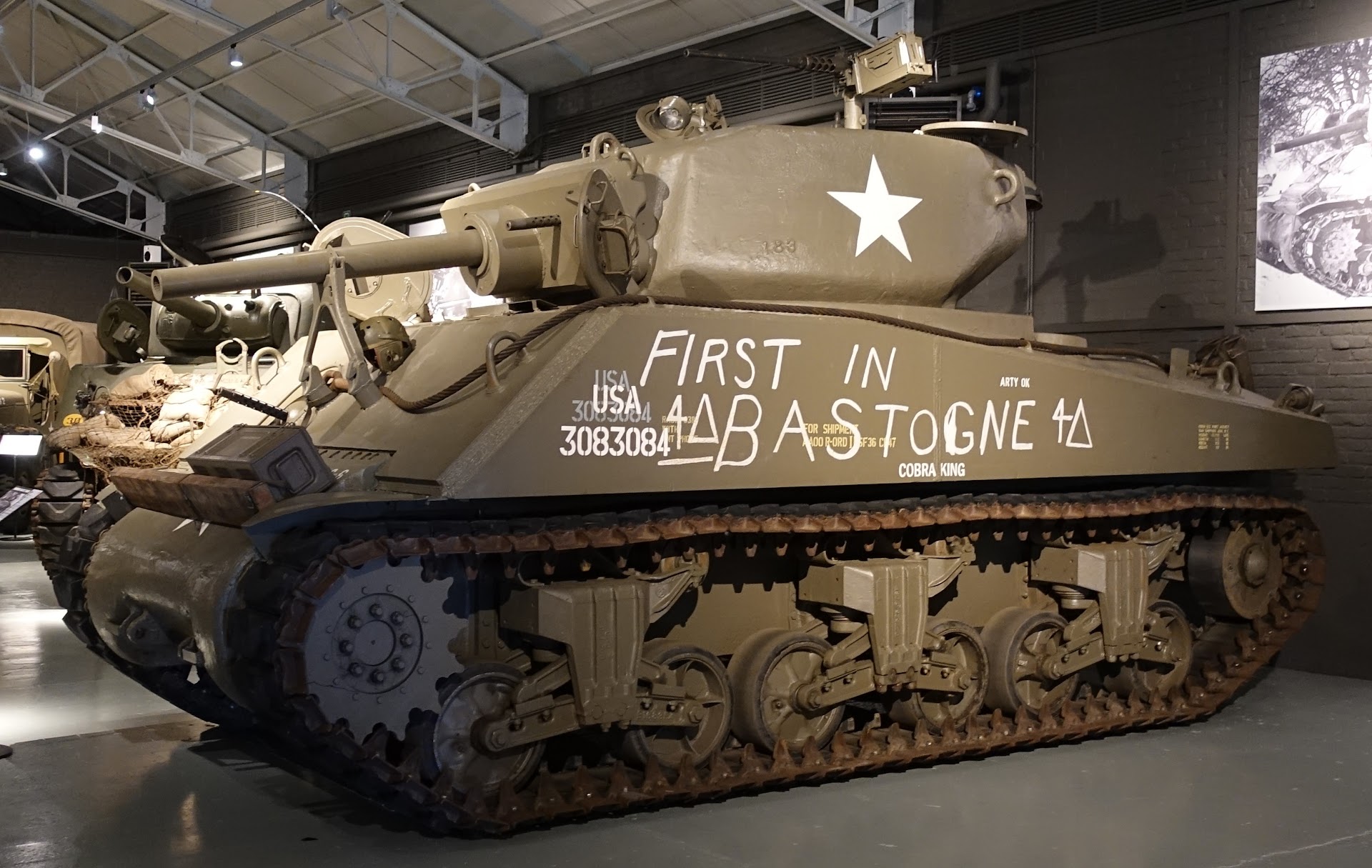
I recently visited Bastogne Barracks and I must say, it was a disappointing experience. As a history enthusiast, I was looking forward to learning more about the significance of the Battle of the Bulge and gaining a deeper understanding of the events that unfolded in Bastogne during World War II. However, the museum failed to deliver on this front.
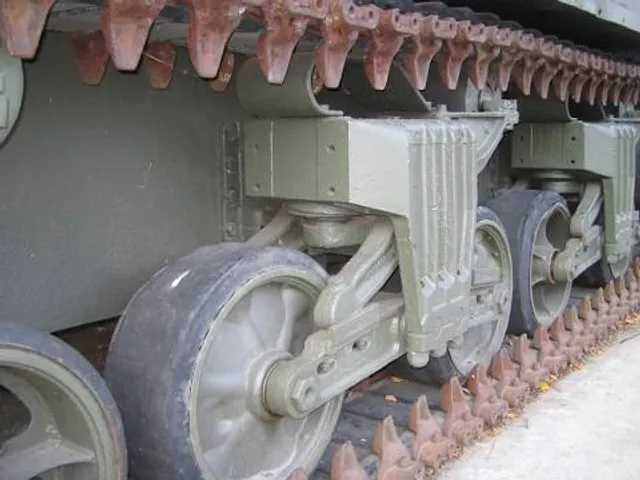
One of the main issues I encountered was the lack of historical context provided throughout the museum. Instead of focusing on the broader historical narrative and the impact of the Battle of the Bulge, the museum seemed to be solely dedicated to showcasing tanks from the war. While tanks are undoubtedly important artifacts of that era, they alone cannot tell the complete story.
The information provided about the tanks themselves was quite limited as well. I expected detailed descriptions and explanations of their significance in the context of the war, but what I found was merely basic technical information about each tank on display. It felt like I was walking through a showroom rather than a museum that aimed to educate visitors about the historical significance of the objects.
To make matters worse, I discovered that the large hall, which I was particularly interested in exploring, was closed during my visit. It was frustrating to pay the entrance fee of 11€ and then find out that a significant part of the museum was inaccessible. It would have been helpful if this information had been communicated upfront or if there had been a reduced admission fee to account for the closure.
Overall, my experience at Bastogne Barracks left much to be desired. The lack of historical context and focus solely on tanks limited my understanding of the Battle of the Bulge and its importance to the region. Additionally, the closure of the large hall without any prior notice was disappointing, especially considering the price of admission. I hope the museum takes these criticisms into account and makes the necessary improvements to provide a more comprehensive and informative experience for...
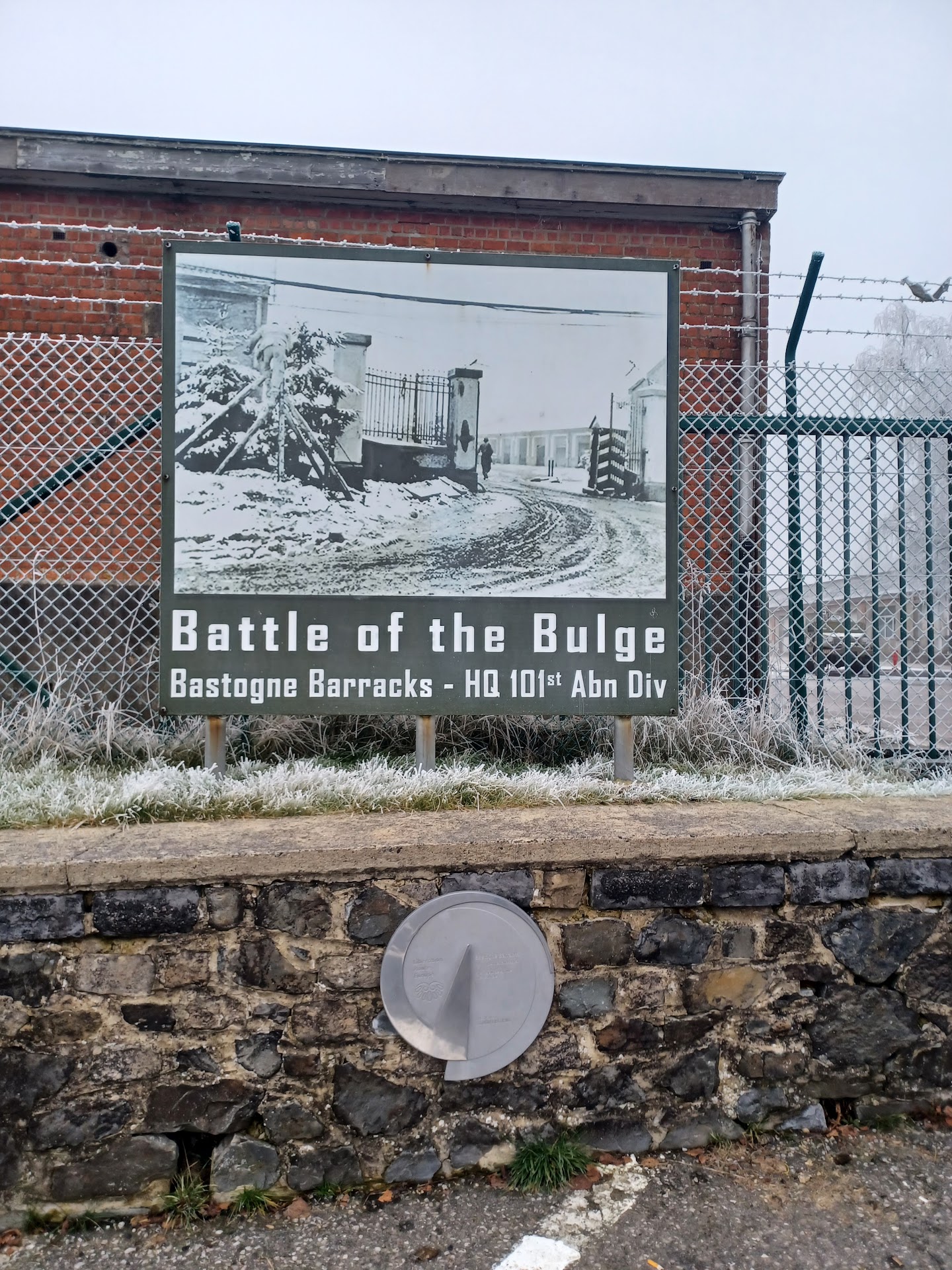
Read moreWe visited the Bastogne Barracks, which is a museum site now with an excellent tank collection and some historic buildings. The Military Barracks in Bastogne are build in 1934 by the Belgian Army to billet the 2nd Regiment de Chasseurs Ardennais, the 2nd Ardennes Hunters Regiment. During the German occupation until the liberation of Bastogne on 10 September 1944 the Barracks were used as a ‘Wehrertüchtigungslager’, a re-boot camp for the Hitler Youth. After being in the Hitleryouth the boys came to this barracks to receive basic training to be stationed in a combat unit. The remnants of painted German words are still visible on some of the buildings today. On December 16, 1944 the Germans launch their last major offensive in the West. Bastogne is a capital stake the Americans have to defend at all cost. On December 19, 1944, Brigadier General Anthony McAuliffe, acting commander of the 101st Airborne Division arrives in Bastogne with his division and he establishes his headquarters at the Sous-Lieutenant Heintz Barracks. On December 22, 1944 he writes history: he answers "NUTS" to the German troops encircling Bastogne and demanding surrender. His short but powerful statement becomes a turning point in the Battle of the Bulge. The basement which was his HQ and where he gave his answer, are now part of the museum and it houses some excellent displays. The museum has limited opening hours, mainly around the weekend where one can attend the free tours at 14.00 hours. The soldier guiding speaks...
Read moreOur experience at the Bastonge Barracks was incredible. The woman working the front desk (I am sad I didnt catch her name) was a tremendous help. She provided maps and all the information we needed to make it a great visit. (She also made some great restaurant recommendations andncalled to make sure one restaurant was still open late in the afternoon on New Years Eve - above and beyond!) We took the tour of the warehouses with the restored vehicles and weaponry of WWII, the museum, and the foxholes in the Ardennes Forest. Every detail was excellently portrayed and researched. I learned many things not previously known to me regarding this corner of the war. I was flooded with emense gratitude for brave men and women who took a stand and fought during WWII. Even today, Bastonge is a quiet, small town. I can only imagine what it looked like 81 yrs ago. The most moving thing for me to witness was the foxholes in the forest. They have been maintained throughout the years to be free of debris; however they looked so authentic for the cover they might have provided an American Soldier. It was a powerful, moving, and hallowed ground. To know men were fighting and dying in this forest, in weather much like we experienced (cold, with trees frosted by ice fog) brought me to tears. I am grateful...
Read more