HTML SitemapExplore
logo
Find Things to DoFind The Best Restaurants

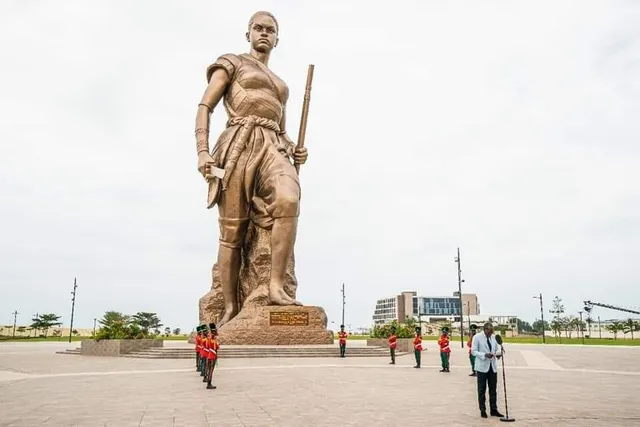
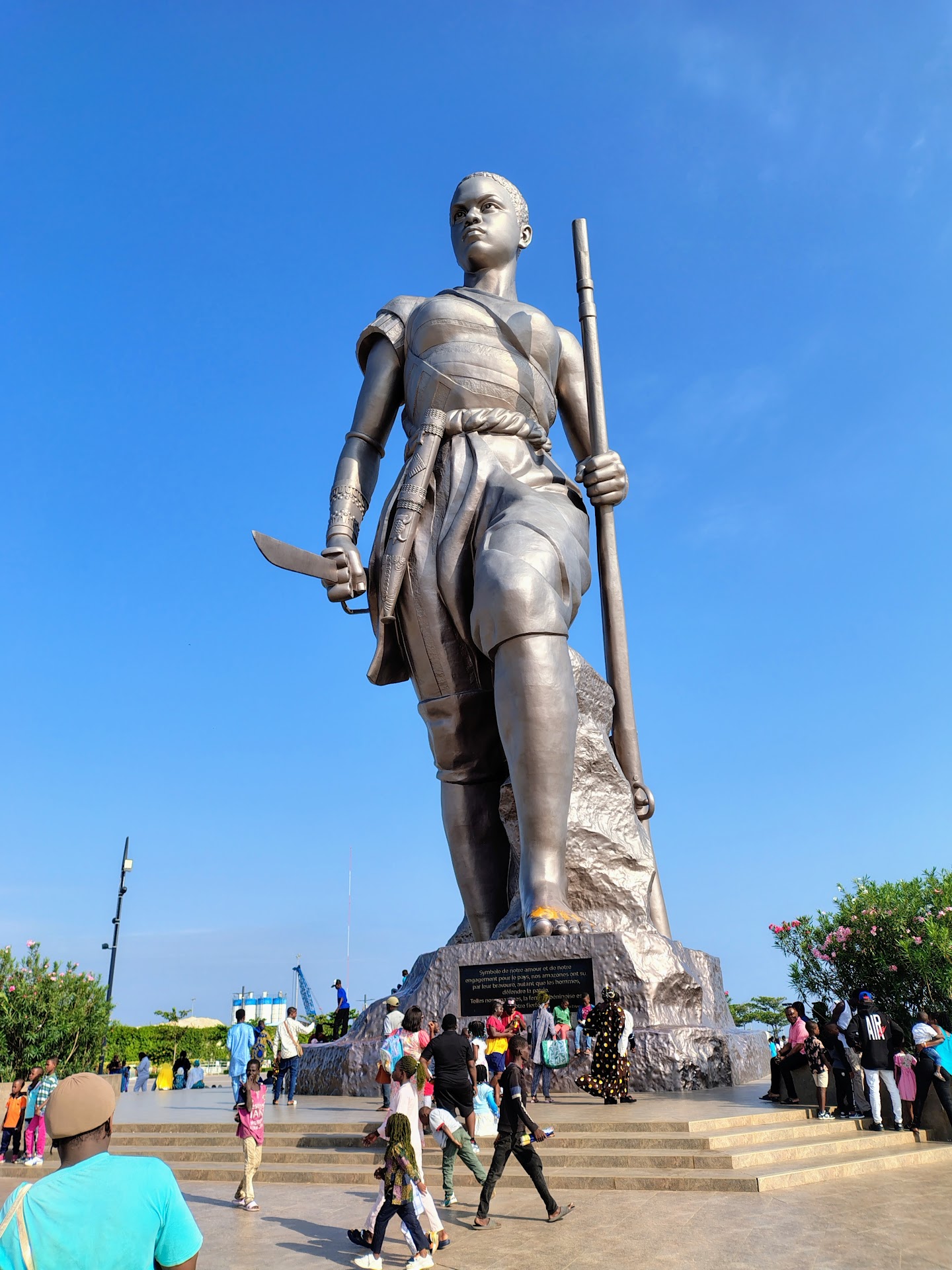
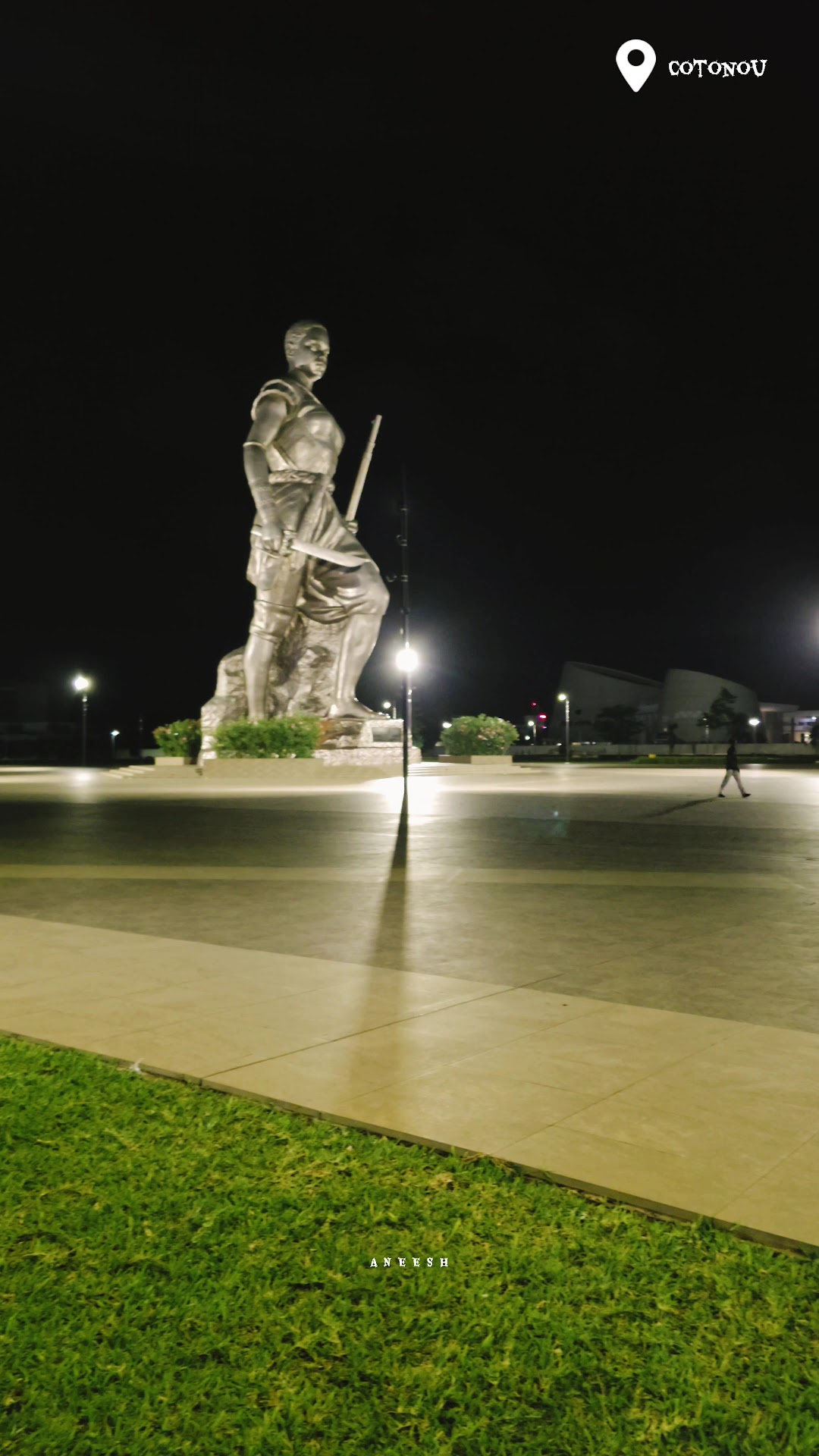
Amazon Statue — Attraction in Cotonou

Name
Amazon Statue
Description
Nearby attractions
Esplanade des Amazones
8CX5+P28, Cotonou, Benin
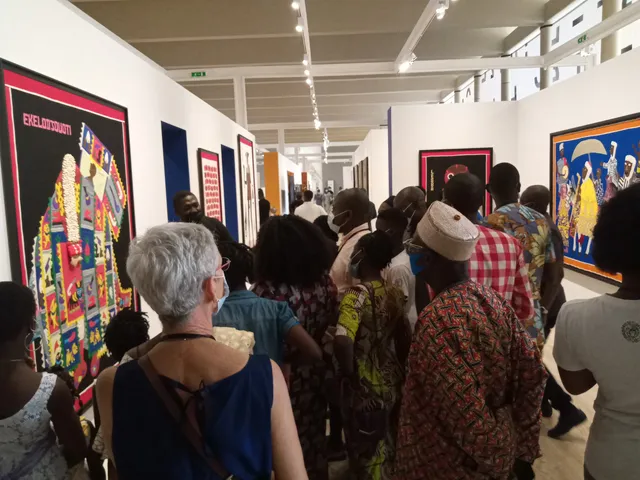
Exposition Art du Bénin d'hier à d'aujourd'hui
9C25+67W, Cotonou, Benin
Nearby restaurants
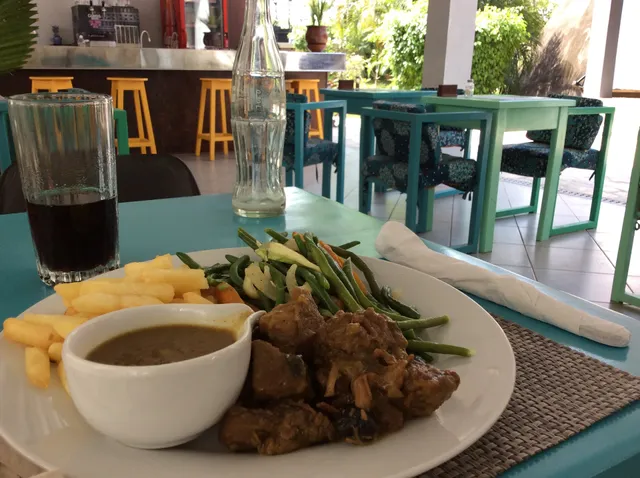
"La Brasserie" de l'Institut Français de Cotonou
Ave Jean-Paul II, Cotonou, Benin
Nearby hotels
Related posts
Keywords
Amazon Statue tourism.Amazon Statue hotels.Amazon Statue bed and breakfast. flights to Amazon Statue.Amazon Statue attractions.Amazon Statue restaurants.Amazon Statue travel.Amazon Statue travel guide.Amazon Statue travel blog.Amazon Statue pictures.Amazon Statue photos.Amazon Statue travel tips.Amazon Statue maps.Amazon Statue things to do.
Amazon Statue things to do, attractions, restaurants, events info and trip planning
Amazon Statue
BeninLittoralCotonouAmazon Statue

Basic Info

Amazon Statue

8CX5+H2P, Cotonou, Benin
4.7(815)
Open 24 hours
Save
spot

Ratings & Description

Info

Cultural
Scenic
Family friendly
Accessibility
attractions: Esplanade des Amazones, Exposition Art du Bénin d'hier à d'aujourd'hui, restaurants: "La Brasserie" de l'Institut Français de Cotonou
logoLearn more insights from Wanderboat AI.
Website
gouv.bj

Plan your stay

hotel
Pet-friendly Hotels in Cotonou
Find a cozy hotel nearby and make it a full experience.
hotel
Affordable Hotels in Cotonou
Find a cozy hotel nearby and make it a full experience.
hotel
The Coolest Hotels You Haven't Heard Of (Yet)
Find a cozy hotel nearby and make it a full experience.
hotel
Trending Stays Worth the Hype in Cotonou
Find a cozy hotel nearby and make it a full experience.

Reviews

Nearby attractions of Amazon Statue

Esplanade des Amazones

Exposition Art du Bénin d'hier à d'aujourd'hui

Esplanade des Amazones

Esplanade des Amazones

4.7

(151)

Open until 12:00 AM
Click for details
Exposition Art du Bénin d'hier à d'aujourd'hui

Exposition Art du Bénin d'hier à d'aujourd'hui

3.9

(12)

Open 24 hours
Click for details

Nearby restaurants of Amazon Statue

"La Brasserie" de l'Institut Français de Cotonou

"La Brasserie" de l'Institut Français de Cotonou

"La Brasserie" de l'Institut Français de Cotonou

4.0

(88)

$$

Closed
Click for details
Get the Appoverlay
Get the AppOne tap to find yournext favorite spots!
Wanderboat LogoWanderboat

Your everyday Al companion for getaway ideas

CompanyAbout Us
InformationAI Trip PlannerSitemap
SocialXInstagramTiktokLinkedin
LegalTerms of ServicePrivacy Policy

Get the app

© 2025 Wanderboat. All rights reserved.
logo

Reviews of Amazon Statue

4.7
(815)
avatar
5.0
19w

The Amazon statues in Benin are powerful symbols commemorating the legendary all-female military regiment known as the Dahomey Amazons, or “Agojie” in the local Fon language. These women warriors served the Kingdom of Dahomey, a pre-colonial West African state located in present-day Benin, from the 17th to 19th centuries. The statues are not only artistic expressions but also serve as enduring cultural and historical monuments that highlight the bravery, leadership, and sacrifice of these exceptional women. The Kingdom of Dahomey was one of the most powerful and organized states in West Africa during the 18th and 19th centuries. It was known for its fierce military, which included a unique and formidable all-female regiment that European colonists and explorers later called the “Amazons,” due to their resemblance to the mythological warriors of Greek legend.

The origins of the Agojie are debated. Some historians believe they began as elephant hunters or palace guards before evolving into an elite military unit. Under King Ghezo (reigned 1818–1858), the regiment was expanded and formalized. The Amazons were known for their discipline, military strategy, and unmatched courage in battle. They were trained rigorously, often sworn to celibacy, and dedicated their lives to the service of the king and the kingdom.In modern Benin, statues honoring these warriors have been erected in various cities, particularly in Abomey, the historical capital of the Dahomey Kingdom. These statues are often found near historical sites, museums, and public squares, standing tall with weapons in hand—swords, spears, or rifles—ready to defend their people.The Amazon statues are crafted in various artistic styles, but most feature key elements that reflect their warrior identity:The story of the Dahomey Amazons has gained international attention, especially after the release of films like The Woman King (2022), which dramatized their lives and battles. Interest in the statues and sites associated with them has increased, promoting tourism and global appreciation of Benin’s cultural heritage.

UNESCO and various cultural organizations have also taken interest in preserving the legacy of the Dahomey Kingdom, including supporting efforts to maintain and restore monuments like the Amazon statues.The Amazon statues in Benin are powerful reminders of a unique chapter in African history. They celebrate a group of women who broke gender norms, fought bravely, and left a lasting legacy that continues to inspire. These monuments are not only a tribute to the past but also a call to remember and honor the strength, courage, and leadership of women across generations. In modern times, they stand as silent yet commanding figures, forever guarding the spirit of resistance, pride, and dignity in the...

   Read more

avatar
5.0
24w

The story of the Benin Amazons—known as the Dahomey Amazons, Agojie, or Mino meaning Our Mothers in Fon—is a compelling saga of female empowerment, military prowess, and cultural resilience in the West African Kingdom of Dahomey modern day Benin. ⚔️ 1. Origins and Historical Development- Founding Myths The Amazons trace their roots to the early 18th century. Oral traditions credit Queen Hangbe. 1708–1711 with creating the first female royal bodyguards after her twin brother King Akaba’s death. Some accounts suggest they evolved from Gbeto elephant hunting units under King Houegbadja 1645–1685 . King Ghezo 1818–1858 expanded them into a 6,000 strong army, integrating them into Dahomey’s military hierarchy. They became crucial as male numbers dwindled due to warfare and the slave trade . 🏹 2. Training and Military Structure- Rigorous Discipline Recruits often from age 8 endured grueling training scaling thorn covered barriers, surviving harsh conditions, and executing prisoners to build resilience. They swore celibacy and loyalty to the king . Battle Tactics Organized into specialized units riflewomen, archers, reapers, they wielded muskets, machetes, and clubs. Their fearlessness was legendary—European accounts describe them decapitating foes and drinking enemies' blood . Political Influence They participated in Dahomey’s Grand Council, advocating for strategic decisions like peace treaties and palmoil trade over slave raids . ⚡ 3. Key Conflicts and Decline Slave Raids and Regional Wars The Amazons fought neighboring kingdoms e.g., Abeokuta, capturing enemies for slavery or royal tribute. Their ferocity earned them the name Amazons from Europeans,...

   Read more
avatar
5.0
1y

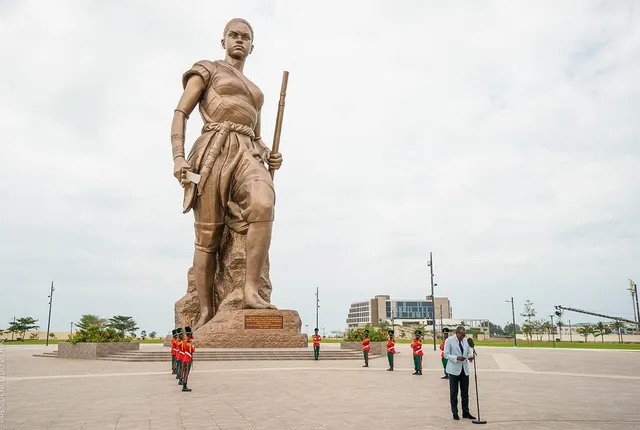
On my visit to the Amazon statue in Cotonou, I was struck by its impressive stature and the powerful symbolism it embodies. This monument pays homage to the legendary women warriors of the Dahomey Kingdom, known for their bravery and skill in battle.

The statue is beautifully crafted, capturing the essence of strength and resilience. Surrounded by lush greenery, it serves as a testament to the vital role women played in Benin’s history and culture. Standing before it, I felt a deep connection to the stories of these remarkable women who defied societal norms and fought fiercely for their people.

This site is an inspiring reminder of women’s contributions in history. I left with a renewed appreciation for the cultural heritage of Benin and the empowerment that comes from acknowledging the stories of those who came before us. This visit is a must for anyone looking to understand the rich legacy...

   Read more
Page 1 of 7
Previous
Next

Posts

Chandrakant MishraChandrakant Mishra
The Amazon statues in Benin are powerful symbols commemorating the legendary all-female military regiment known as the Dahomey Amazons, or “Agojie” in the local Fon language. These women warriors served the Kingdom of Dahomey, a pre-colonial West African state located in present-day Benin, from the 17th to 19th centuries. The statues are not only artistic expressions but also serve as enduring cultural and historical monuments that highlight the bravery, leadership, and sacrifice of these exceptional women. The Kingdom of Dahomey was one of the most powerful and organized states in West Africa during the 18th and 19th centuries. It was known for its fierce military, which included a unique and formidable all-female regiment that European colonists and explorers later called the “Amazons,” due to their resemblance to the mythological warriors of Greek legend. The origins of the Agojie are debated. Some historians believe they began as elephant hunters or palace guards before evolving into an elite military unit. Under King Ghezo (reigned 1818–1858), the regiment was expanded and formalized. The Amazons were known for their discipline, military strategy, and unmatched courage in battle. They were trained rigorously, often sworn to celibacy, and dedicated their lives to the service of the king and the kingdom.In modern Benin, statues honoring these warriors have been erected in various cities, particularly in Abomey, the historical capital of the Dahomey Kingdom. These statues are often found near historical sites, museums, and public squares, standing tall with weapons in hand—swords, spears, or rifles—ready to defend their people.The Amazon statues are crafted in various artistic styles, but most feature key elements that reflect their warrior identity:The story of the Dahomey Amazons has gained international attention, especially after the release of films like The Woman King (2022), which dramatized their lives and battles. Interest in the statues and sites associated with them has increased, promoting tourism and global appreciation of Benin’s cultural heritage. UNESCO and various cultural organizations have also taken interest in preserving the legacy of the Dahomey Kingdom, including supporting efforts to maintain and restore monuments like the Amazon statues.The Amazon statues in Benin are powerful reminders of a unique chapter in African history. They celebrate a group of women who broke gender norms, fought bravely, and left a lasting legacy that continues to inspire. These monuments are not only a tribute to the past but also a call to remember and honor the strength, courage, and leadership of women across generations. In modern times, they stand as silent yet commanding figures, forever guarding the spirit of resistance, pride, and dignity in the heart of Benin.
Weaning PingWeaning Ping
The story of the Benin Amazons—known as the Dahomey Amazons, Agojie, or Mino meaning Our Mothers in Fon—is a compelling saga of female empowerment, military prowess, and cultural resilience in the West African Kingdom of Dahomey modern day Benin. ⚔️ 1. Origins and Historical Development- Founding Myths The Amazons trace their roots to the early 18th century. Oral traditions credit Queen Hangbe. 1708–1711 with creating the first female royal bodyguards after her twin brother King Akaba’s death. Some accounts suggest they evolved from Gbeto elephant hunting units under King Houegbadja 1645–1685 . King Ghezo 1818–1858 expanded them into a 6,000 strong army, integrating them into Dahomey’s military hierarchy. They became crucial as male numbers dwindled due to warfare and the slave trade . 🏹 2. Training and Military Structure- Rigorous Discipline Recruits often from age 8 endured grueling training scaling thorn covered barriers, surviving harsh conditions, and executing prisoners to build resilience. They swore celibacy and loyalty to the king . Battle Tactics Organized into specialized units riflewomen, archers, reapers, they wielded muskets, machetes, and clubs. Their fearlessness was legendary—European accounts describe them decapitating foes and drinking enemies' blood . Political Influence They participated in Dahomey’s Grand Council, advocating for strategic decisions like peace treaties and palmoil trade over slave raids . ⚡ 3. Key Conflicts and Decline Slave Raids and Regional Wars The Amazons fought neighboring kingdoms e.g., Abeokuta, capturing enemies for slavery or royal tribute. Their ferocity earned them the name Amazons from Europeans, evoking Greek
Patrick AmofahPatrick Amofah
On my visit to the Amazon statue in Cotonou, I was struck by its impressive stature and the powerful symbolism it embodies. This monument pays homage to the legendary women warriors of the Dahomey Kingdom, known for their bravery and skill in battle. The statue is beautifully crafted, capturing the essence of strength and resilience. Surrounded by lush greenery, it serves as a testament to the vital role women played in Benin’s history and culture. Standing before it, I felt a deep connection to the stories of these remarkable women who defied societal norms and fought fiercely for their people. This site is an inspiring reminder of women’s contributions in history. I left with a renewed appreciation for the cultural heritage of Benin and the empowerment that comes from acknowledging the stories of those who came before us. This visit is a must for anyone looking to understand the rich legacy of the region.
See more posts
See more posts
hotel
Find your stay

Pet-friendly Hotels in Cotonou

Find a cozy hotel nearby and make it a full experience.

The Amazon statues in Benin are powerful symbols commemorating the legendary all-female military regiment known as the Dahomey Amazons, or “Agojie” in the local Fon language. These women warriors served the Kingdom of Dahomey, a pre-colonial West African state located in present-day Benin, from the 17th to 19th centuries. The statues are not only artistic expressions but also serve as enduring cultural and historical monuments that highlight the bravery, leadership, and sacrifice of these exceptional women. The Kingdom of Dahomey was one of the most powerful and organized states in West Africa during the 18th and 19th centuries. It was known for its fierce military, which included a unique and formidable all-female regiment that European colonists and explorers later called the “Amazons,” due to their resemblance to the mythological warriors of Greek legend. The origins of the Agojie are debated. Some historians believe they began as elephant hunters or palace guards before evolving into an elite military unit. Under King Ghezo (reigned 1818–1858), the regiment was expanded and formalized. The Amazons were known for their discipline, military strategy, and unmatched courage in battle. They were trained rigorously, often sworn to celibacy, and dedicated their lives to the service of the king and the kingdom.In modern Benin, statues honoring these warriors have been erected in various cities, particularly in Abomey, the historical capital of the Dahomey Kingdom. These statues are often found near historical sites, museums, and public squares, standing tall with weapons in hand—swords, spears, or rifles—ready to defend their people.The Amazon statues are crafted in various artistic styles, but most feature key elements that reflect their warrior identity:The story of the Dahomey Amazons has gained international attention, especially after the release of films like The Woman King (2022), which dramatized their lives and battles. Interest in the statues and sites associated with them has increased, promoting tourism and global appreciation of Benin’s cultural heritage. UNESCO and various cultural organizations have also taken interest in preserving the legacy of the Dahomey Kingdom, including supporting efforts to maintain and restore monuments like the Amazon statues.The Amazon statues in Benin are powerful reminders of a unique chapter in African history. They celebrate a group of women who broke gender norms, fought bravely, and left a lasting legacy that continues to inspire. These monuments are not only a tribute to the past but also a call to remember and honor the strength, courage, and leadership of women across generations. In modern times, they stand as silent yet commanding figures, forever guarding the spirit of resistance, pride, and dignity in the heart of Benin.
Chandrakant Mishra

Chandrakant Mishra

hotel
Find your stay

Affordable Hotels in Cotonou

Find a cozy hotel nearby and make it a full experience.

Get the Appoverlay
Get the AppOne tap to find yournext favorite spots!
The story of the Benin Amazons—known as the Dahomey Amazons, Agojie, or Mino meaning Our Mothers in Fon—is a compelling saga of female empowerment, military prowess, and cultural resilience in the West African Kingdom of Dahomey modern day Benin. ⚔️ 1. Origins and Historical Development- Founding Myths The Amazons trace their roots to the early 18th century. Oral traditions credit Queen Hangbe. 1708–1711 with creating the first female royal bodyguards after her twin brother King Akaba’s death. Some accounts suggest they evolved from Gbeto elephant hunting units under King Houegbadja 1645–1685 . King Ghezo 1818–1858 expanded them into a 6,000 strong army, integrating them into Dahomey’s military hierarchy. They became crucial as male numbers dwindled due to warfare and the slave trade . 🏹 2. Training and Military Structure- Rigorous Discipline Recruits often from age 8 endured grueling training scaling thorn covered barriers, surviving harsh conditions, and executing prisoners to build resilience. They swore celibacy and loyalty to the king . Battle Tactics Organized into specialized units riflewomen, archers, reapers, they wielded muskets, machetes, and clubs. Their fearlessness was legendary—European accounts describe them decapitating foes and drinking enemies' blood . Political Influence They participated in Dahomey’s Grand Council, advocating for strategic decisions like peace treaties and palmoil trade over slave raids . ⚡ 3. Key Conflicts and Decline Slave Raids and Regional Wars The Amazons fought neighboring kingdoms e.g., Abeokuta, capturing enemies for slavery or royal tribute. Their ferocity earned them the name Amazons from Europeans, evoking Greek
Weaning Ping

Weaning Ping

hotel
Find your stay

The Coolest Hotels You Haven't Heard Of (Yet)

Find a cozy hotel nearby and make it a full experience.

hotel
Find your stay

Trending Stays Worth the Hype in Cotonou

Find a cozy hotel nearby and make it a full experience.

On my visit to the Amazon statue in Cotonou, I was struck by its impressive stature and the powerful symbolism it embodies. This monument pays homage to the legendary women warriors of the Dahomey Kingdom, known for their bravery and skill in battle. The statue is beautifully crafted, capturing the essence of strength and resilience. Surrounded by lush greenery, it serves as a testament to the vital role women played in Benin’s history and culture. Standing before it, I felt a deep connection to the stories of these remarkable women who defied societal norms and fought fiercely for their people. This site is an inspiring reminder of women’s contributions in history. I left with a renewed appreciation for the cultural heritage of Benin and the empowerment that comes from acknowledging the stories of those who came before us. This visit is a must for anyone looking to understand the rich legacy of the region.
Patrick Amofah

Patrick Amofah

See more posts
See more posts