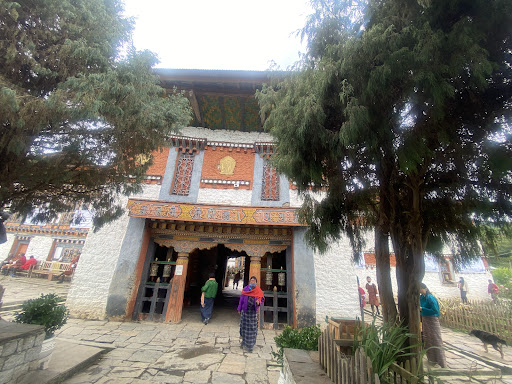
The Jambay Temple (Tibetan: བྱམས་པའི་ལྷ་ཁང, Wylie: byams pa, Jampé Lhakhang) or Temple of Maitreya is located in Bumthang (Jakar) in Bhutan, and is said to be one of the 108 temples built by Tibetan King Songtsen Gampo in 659 CE on a single day, to pin down an ogress to earth forever. It was divined that the supine demoness was causing obstruction to the spread of Buddhism, and temples were constructed on her body parts that spread across Tibet, Bhutan and the borderlands. The best known of these temples are Jokhang in Lhasa, Kichu in Paro, Bhutan and Jambay Lhakhang in Bumthang District, Bhutan. Other, lesser-known temples in Bhutan have been destroyed, but it is believed that, among others, Kongchogsum in Bumthang, Khaine in Lhuntse and two temples in Haa District may have part of these 108 temples. Jambay Lhakhang was visited by Padmasambhava and restored by King Sindhu Raja after the former returned his life force. The Jambay Lhakhang Festival, also known as Jambay Lhakhang Drup, is a vibrant and significant religious festival celebrated in Bhutan. This annual event takes place at the Jambay Lhakhang, a sacred monastery located in the Bumthang Valley. The festival is one of the most famous and oldest tsechus (festivals) in Bhutan, dating back over a thousand years. It is a time of deep spiritual devotion, lively celebrations, and cultural festivities. Key Features of Jambay Lhakhang Festival: Historical and Spiritual Significance: The Jambay Lhakhang Festival is held in honor of Guru Rinpoche (Padmasambhava) and to commemorate his visit to Bhutan in the 8th century. Guru Rinpoche is credited with introducing Buddhism to Bhutan and is revered as a national saint. Mask Dances (Cham Dances): A highlight of the festival is the performance of traditional mask dances known as cham dances. These dances tell stories from Buddhist scriptures, local history, and mythology. Monks and laypeople don ornate costumes and elaborate masks to enact these stories. Religious Rituals: The festival includes a series of religious rituals, prayers, and ceremonies conducted by monks and lamas. These rituals are believed to invoke blessings, protect against negative forces, and bring spiritual harmony. Spiritual Cleansing: One of the unique aspects of the Jambay Lhakhang Festival is the “Mewang” or “Fire Blessing.” Participants walk over a large fire as a form of spiritual purification, symbolizing the dispelling of obstacles and impurities. Cultural Performances: In addition to the mask dances, the festival may feature traditional Bhutanese music, dance, and theatrical performances. These cultural elements contribute to the festive atmosphere. Community Gathering: The festival is a time for the local community to come together, reconnect with neighbors, and celebrate their shared heritage. It fosters a sense of unity and belonging. Tourism and Engagement: The Jambay Lhakhang Festival attracts both domestic and international tourists who are interested in experiencing Bhutanese culture and spirituality firsthand. Visitors have the opportunity to witness traditional practices and immerse themselves in the festivities. Pilgrimage: Many Bhutanese people undertake a pilgrimage to the Jambay Lhakhang during the festival, as it is believed that circumambulating the monastery’s inner sanctum can cleanse one’s sins and accumulate merit. Planning Your Jambay Lhakhang Festival Experience: Festival Dates: November. Cultural Respect: When attending any Bhutanese festival, it’s important to observe cultural norms and etiquette. Dress modestly, follow local customs during religious ceremonies, and show respect to the local traditions. The Jambay Lhakhang Festival is one of the very important festivals in Bhutan. The main highlight of this festival is ‘the scared naked dance known as Ter Cham and Mewang-the fire blessing. Participating in the Jambay Lhakhang Festival offers a unique and immersive way to connect with Bhutan’s rich spiritual and cultural heritage while enjoying the lively celebrations and interactions with the...
Read moreJampa Lhaknang
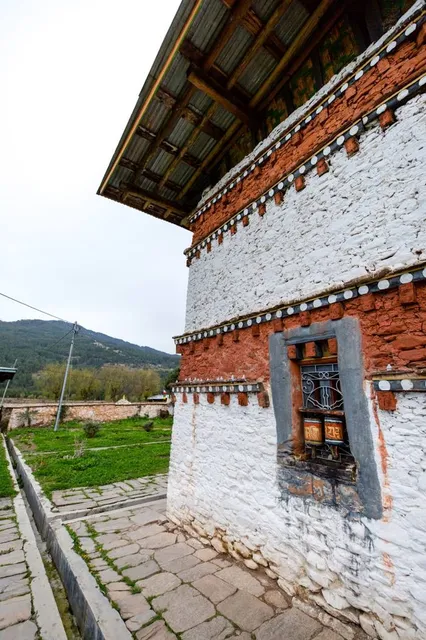
According to legend, Jampa (Jambay) Temple or Temple of Maitreya in Bumthang is said to be one of the 108 temples built by the Tibetan King Songtsen Goenpo in 659 AD on a single day. Like Kyichu Lhakhang, it is said that Tibetan King Songtsen Gampo built a series of temples in a single day throughout the Himalayas to pin down a demoness who was obstructing the spread of Buddhism. Four temples were built to pin down her shoulders and hips; four more on the elbows and knees; and four to hold down her hands and feet. It is believed that Jambay Lhakhang was built to pin down the left knee of the demoness. Thus, Jambay Lhakhang remains one of the oldest and most sacred temples in Bhutan. The ancient temple, Jambay Lhakhang sits on a plateau by the Bumthang Chhu River. The temple has been repaired and rebuilt several times over the years. The one-storey temple is also the venue for the popular Jambay Lhakhang Drup festival held annually. About Jambay Lhakhang Drup Jambay Lhakhang Drup is a four-day festival held to commemorate the building of the temple and in honour of Guru Rinpoche, the 8th-century Buddhist master who consecrated the temple. The festival features masked dances and other ceremonies. The two key highlights of Jambay Lhakhang Drup is Mewang or Fire Blessing and Tercham or Naked Dance. During the fire blessing ceremony, the gomchens perform purification rituals while all the guests jump over the flames to get themselves purified from their sins. If one is able to jump over the flame three times, he or she is believed to be protected from misfortunes for that entire year. Some also claim that their fire dance is performed to bless infertile women so that they may bear children. Tercham or Naked Dance is a popular dance among the spectators. Exactly at midnight, there will be sixteen naked men galloping in the air rhythmically with accompanying drums and cymbals. The dance is one of the most revered dances in Bumthang for the locals. The sacred dancers are completely naked except for their faces which are covered in white cloths and masks. And no, you are not allowed to take photographs of the dancers. It’s believed that Tercham was introduced by the great treasure revealer, Terton Dorji Lingpa. Legend has it that demons delayed the construction of a monastery by destroying it every night, thus, Terton Dorji Lingpa established this dance to distract the demons. Terton Dorji Lingpa then brought the dance to Jambay Lhakhang during its consecration. The Jambay Lhakhang Drup festival takes place annually around October...
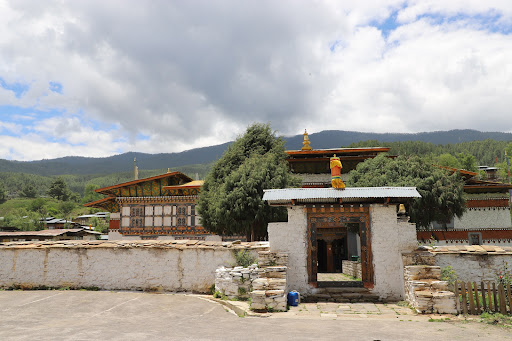
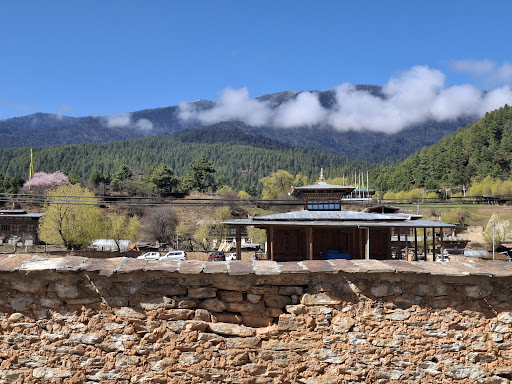
Read moreDescription Jampa lhakhang is a walled one-storey low complex built on a plateau above the river Chamkhar. It is one kilometer south of Kuje monastic complex and four kilometers north of the district headquarter.
Like any ancient temple in the Tibetan cultural area, the main sanctuary consisted of a small central shrine with a circumambulation path. It was enclosed and surrounded by other temples which were built at the turn of the 20th century forming an inner courtyard. Four chortens (stupa), each of a different color are built at the corners of the enclosure.
History Like Kyichu Lhakhang in the Paro valley, this temple is said to be the first that King Songtsen Gampo of Tibet constructed in Bhutan in the seventh Century. It is one of the 108 temples built by him throughout Tibet and theHimalayas to overcome a giant demoness. While Kyichu Lhakhang was erected on the demoness’s left foot, and was one of the temples built ‘to subjugate regions beyond the frontiers’, Jampa Lhakhang was placed on the left knee and was one of the temples built ‘to subjugate the frontiers’.
When Guru Rinpoche came to Bhutan, it is said that he preached the teachings of the Kagye cycle to King Sendhaka and his court from the roof of the temple. In addition to the main sanctuary containing the statue of Jampa, four more sanctuaries were added after the middle of the 19th century, creating a closed courtyard in front of the main sanctuary. The exact dates of the founding and restoration of the different sanctuaries are not clear, except that the whole complex was partially restored by Gongsa Ugyen Wangchuck’s brother-in-law, the Jakar Dzongpon, Chime Dorje, in 1905.
Outside the temple, a long building was erected in 1999 to serve as an assembly place during the great annual prayer (Monlam Chenmo) instituted that year, and it is in front of this building that, in the autumn, the Jampa lhakhang festival (Grub/Drup) takes place. More buildings were added in 2005.
Source: Bhutan...
Read more