HTML SitemapExplore
logo
Find Things to DoFind The Best Restaurants

Kurjey Lhakhang སྐུ་རྗེས་ལྷ་ཁང་། — Attraction in Dawathang_Dorjibi_ Kashingtsawa

Name
Kurjey Lhakhang སྐུ་རྗེས་ལྷ་ཁང་།
Description
Kurjey Lhakang, སྐུ་རྗེས་ ཡང་ན་ གུ་རུ་རིན་པོ་ཆེ་གི་ ཞབས་རྗེས་ also known as the Kurjey Monastery, is located in the Bumthang valley in the Bumthang district of Bhutan. This is the final resting place of the remains of the first three Kings of Bhutan.
Nearby attractions
Tamshing Lhakhang གཏམ་ཞིང་ལྷ་ཁང་།
HPQQ+442, Jakar, Bhutan
Könchogsum Lhakhang དཀོན་མཆོག་གསུམ་ལྷ་ཁང་།
HPPQ+6P9, Jakar, Bhutan
Nearby restaurants
Nearby hotels
Related posts
Keywords
Kurjey Lhakhang སྐུ་རྗེས་ལྷ་ཁང་། tourism.Kurjey Lhakhang སྐུ་རྗེས་ལྷ་ཁང་། hotels.Kurjey Lhakhang སྐུ་རྗེས་ལྷ་ཁང་། bed and breakfast. flights to Kurjey Lhakhang སྐུ་རྗེས་ལྷ་ཁང་།.Kurjey Lhakhang སྐུ་རྗེས་ལྷ་ཁང་། attractions.Kurjey Lhakhang སྐུ་རྗེས་ལྷ་ཁང་། restaurants.Kurjey Lhakhang སྐུ་རྗེས་ལྷ་ཁང་། travel.Kurjey Lhakhang སྐུ་རྗེས་ལྷ་ཁང་། travel guide.Kurjey Lhakhang སྐུ་རྗེས་ལྷ་ཁང་། travel blog.Kurjey Lhakhang སྐུ་རྗེས་ལྷ་ཁང་། pictures.Kurjey Lhakhang སྐུ་རྗེས་ལྷ་ཁང་། photos.Kurjey Lhakhang སྐུ་རྗེས་ལྷ་ཁང་། travel tips.Kurjey Lhakhang སྐུ་རྗེས་ལྷ་ཁང་། maps.Kurjey Lhakhang སྐུ་རྗེས་ལྷ་ཁང་། things to do.
Kurjey Lhakhang སྐུ་རྗེས་ལྷ་ཁང་། things to do, attractions, restaurants, events info and trip planning
Kurjey Lhakhang སྐུ་རྗེས་ལྷ་ཁང་།
BhutanBumthang DistrictDawathang_Dorjibi_ KashingtsawaKurjey Lhakhang སྐུ་རྗེས་ལྷ་ཁང་།

Basic Info

Kurjey Lhakhang སྐུ་རྗེས་ལྷ་ཁང་།

HPPJ+V38, Jakar, Bhutan
4.7(91)
Closed
Save
spot

Ratings & Description

Info

Kurjey Lhakang, སྐུ་རྗེས་ ཡང་ན་ གུ་རུ་རིན་པོ་ཆེ་གི་ ཞབས་རྗེས་ also known as the Kurjey Monastery, is located in the Bumthang valley in the Bumthang district of Bhutan. This is the final resting place of the remains of the first three Kings of Bhutan.

Cultural
Scenic
Family friendly
Off the beaten path
attractions: Tamshing Lhakhang གཏམ་ཞིང་ལྷ་ཁང་།, Könchogsum Lhakhang དཀོན་མཆོག་གསུམ་ལྷ་ཁང་།, restaurants:
logoLearn more insights from Wanderboat AI.
Open hoursSee all hours
Tue8 AM - 5 PMClosed

Plan your stay

hotel
Pet-friendly Hotels in Dawathang_Dorjibi_ Kashingtsawa
Find a cozy hotel nearby and make it a full experience.

hotel
Affordable Hotels in Dawathang_Dorjibi_ Kashingtsawa
Find a cozy hotel nearby and make it a full experience.

hotel
The Coolest Hotels You Haven't Heard Of (Yet)
Find a cozy hotel nearby and make it a full experience.

hotel
Trending Stays Worth the Hype in Dawathang_Dorjibi_ Kashingtsawa
Find a cozy hotel nearby and make it a full experience.

Reviews

Nearby attractions of Kurjey Lhakhang སྐུ་རྗེས་ལྷ་ཁང་།

Tamshing Lhakhang གཏམ་ཞིང་ལྷ་ཁང་།

Könchogsum Lhakhang དཀོན་མཆོག་གསུམ་ལྷ་ཁང་།
Tamshing Lhakhang གཏམ་ཞིང་ལྷ་ཁང་།

Tamshing Lhakhang གཏམ་ཞིང་ལྷ་ཁང་།

4.9

(49)

Closed
Click for details
Könchogsum Lhakhang དཀོན་མཆོག་གསུམ་ལྷ་ཁང་།

Könchogsum Lhakhang དཀོན་མཆོག་གསུམ་ལྷ་ཁང་།

4.7

(26)

Open 24 hours
Click for details
Get the Appoverlay
Get the AppOne tap to find yournext favorite spots!
Wanderboat LogoWanderboat

Your everyday Al companion for getaway ideas

CompanyAbout Us
InformationAI Trip PlannerSitemap
SocialXInstagramTiktokLinkedin
LegalTerms of ServicePrivacy Policy

Get the app

© 2025 Wanderboat. All rights reserved.
logo

Reviews of Kurjey Lhakhang སྐུ་རྗེས་ལྷ་ཁང་།

4.7
(91)
avatar
5.0
5y

Kurjey Lhakhang is one of the most sacred and holy sites of Bhutan and Kurjey translates to ‘the Body Imprint’ of Guru Padmasambhava/Guru Rinpoche, the patron saint of Bhutan. The legend behind the Kurjey Lhakhang is one of the most important event in the history of Bhutan as it relates to the visit of Guru Rinpoche. In the 8th Century, Bumthang was ruled by the benevolent King Sindhu Raja. During an on-going war with another King called Naw Chhoe (Big Nose), Sindhu Raja sought the help of the local deities including the chief deity Shelging Karpo. However in the ensuing combat, Sindhu Raja lost the battle and his son was killed. Enraged, Sindhu Raja destroyed all the structures belonging to the local deities which angered Shelging Karpo who in turn stole the life force of the King. No medicines or local healers could help the king who was almost dying. One of the King’s chief attendant sought help from Guru Rinpoche who was at that time residing in Nepal. This was Guru’s second visit to Bhutan and as destined the Guru arrived at Bumthang, blessing and consecrating numerous sites along the way.

In Bumthang Sindhu Raja appealed to the Guru and also offered his daughter Tashi Khyedon as his spiritual consort. Then, at the present site of the Kurjey Lhakhang, Guru meditated inside a cave and after his meditation performed a religious dance. Surprised and curious the local deities came out of their hiding places and instantly the Guru subdued each and every one of them except Shelging karpo who knew about Guru’s strategy. The Guru then asked Tashi Khyedon to get a pail of water in a copper vase from a nearby spring. The Guru directed the reflection of the sun on the vase towards the cave where Shelging Karpo was hiding. Intrigued with the reflection, Shelging Karpo came out of his cave and whereby he was immediately subdued.

Shelging Karpo returned the life force of the King and the Guru compelled all the subdued deities into protectors of Buddhism. Hence the King regained his health and Bumthang came to be an important pilgrimage site till date.

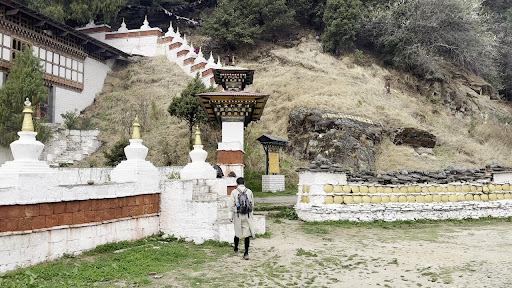
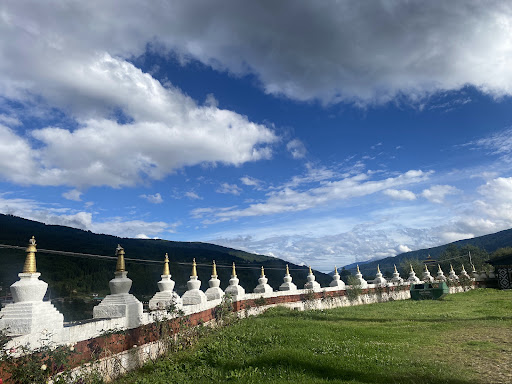
The cave where Guru meditated bore his body imprint and a temple was built around it. Over the centuries additional temples were built, and presently there are 3 main temples and a Zangdopelri (stupa). The whole complex is enclosed by 108 small stupas along with a huge cypress tress supposed to have grown out from Guru’s walking stick. A few minutes’ walk from the complex is the holy spring water from where Tashi Khyedon brought the water that finally helped Guru Rinpoche subdue Shelging Karpo. The spring water is supposed to have numerous medicinal and curative properties with people taking back jerry cans of the holy water home while visiting...

   Read more
avatar
5.0
3y

Kurjey Lhakhang

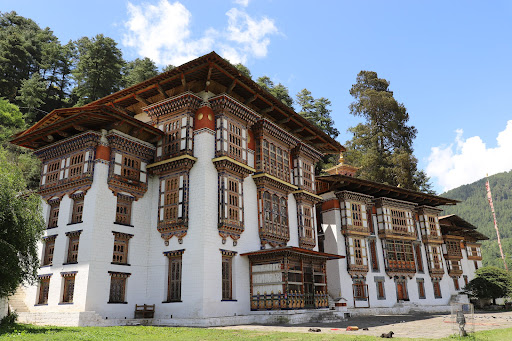
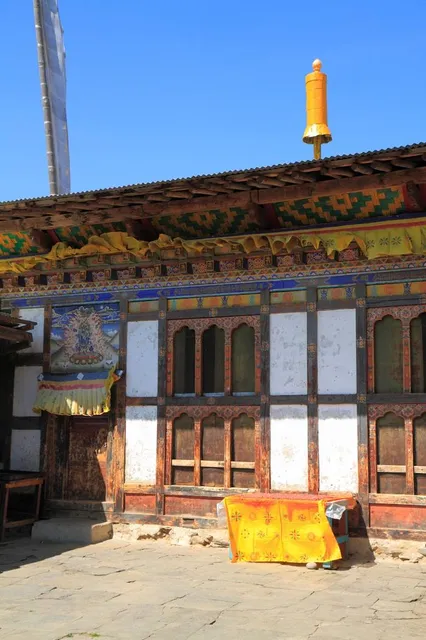
Kurjey Lhakhang, is one of the most holy and sacred sites in Bhutan, located in the Bumthang district. Nestled on the side of a hill, surrounded by 108 chorten walls, the complex houses three revered temples, namely: Guru Lhakhang, Sampa Lhundrup Lhakhang and Ka Gon Phor Sum Lhakhang.

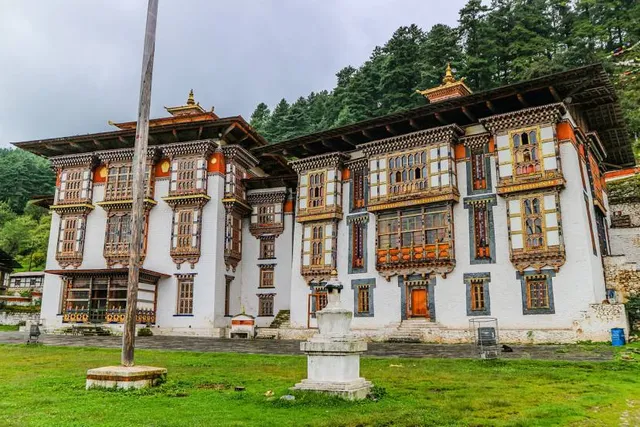
The structures of the temples are as magnificent as the dzong, ancient fortresses in Bhutan. It has white washed walls with delicate wood carvings and hand paintings.

During the 8th Century, Sendhu Raja, the king of Bumthang at that time, fell ill. He invited Guru Rinpoche who brought Buddhism to Bhutan to cure him. Guru Rinpoche found out that the king’s illness was caused by the malevolent actions of the local deities including the powerful Shelging Karpo. Having found the cause of the illness, Guru Rinpoche chased the deities into a cave, and meditated inside for three months. Guru Rinpoche then subdued the deities including the powerful Shelging Karpo and left his body imprint inside the cave, thus, giving the name Kurjey (Body Imprint). Kur means body, Jey is imprint while lhakhang means temple. Beside the monastery is a tall cypress tree that is believed to have sprouted from the walking stick of Guru Rinpoche.

The first of the three temples, the Guru Lhakhang, is the oldest and was built in 1652. Tucked just below the caves is a figure of a snow lion with a jachung (also called garuda) above it, which represents the famous struggle between Guru Rinpoche (appearing as the garuda) and the local demon, Shelging Kharpo (as the snow lion). The statue of Shelging Kharpo inside the temple is hidden from view.

At the entrance to the lower-floor of Sangay Lhakhang, there is a small crawl-through rock passage. Bhutanese believe that by crawling through the narrow tunnel, you will leave your sins behind. Behind the statues of the three Buddhas is a secret passageway that is said to have once led to Tharpaling.

The second temple, the Sampa Lhundrup Lhakhang, was built by Ugyen Wangchuck, the first king of Bhutan, in 1990 when he was still penlop of Trongsa. It is built on the site of a cave containing a rock with the imprint of Guru's body and is therefore considered the most holy.

The third temple was built in 1984 by Ashi Kesang Wangchuck, the Queen Mother (Queen to the third king of Bhutan) under the guidance of Dilgo Khyentse Rinpoche.

The temple offers a spectacular view of the Bumthang valleys. From Kurjey Lhakhang, you can also explore the mesmerising apple orchards and dairy...

   Read more
avatar
5.0
28w

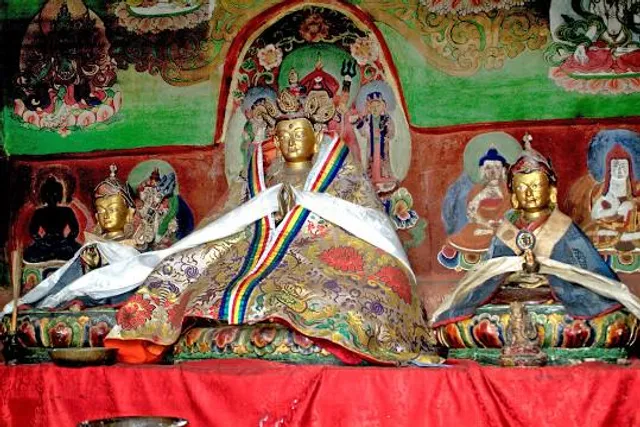
We continued our temple walk on foot from Jambay Lhakhang and soon arrived at Kurjey Lhakhang, set against a forested hillside. What makes this place truly unique is the sacred rock cave behind the main temple — it’s believed to bear the body imprint of Guru Rinpoche, who meditated here in the 8th century. The name “Kurjey” literally means “body imprint,” and the temple was built around this rock to preserve and honor it.

The oldest building in the complex surrounds the rock itself — dark, cool, and filled with butter lamps and a deep sense of reverence. Two newer temples were later added, each richly decorated with murals and statues. Walking around the inner courtyard, with towering buildings on one side and pine forest on the other, it feels like a place where the past and present truly meet. It’s one of the most important temples in Bhutan — but also one of the most memorable...

   Read more
Page 1 of 7
Previous
Next

Posts

Tashi WangmoTashi Wangmo
Kurjey Lhakhang is one of the most sacred and holy sites of Bhutan and Kurjey translates to ‘the Body Imprint’ of Guru Padmasambhava/Guru Rinpoche, the patron saint of Bhutan. The legend behind the Kurjey Lhakhang is one of the most important event in the history of Bhutan as it relates to the visit of Guru Rinpoche. In the 8th Century, Bumthang was ruled by the benevolent King Sindhu Raja. During an on-going war with another King called Naw Chhoe (Big Nose), Sindhu Raja sought the help of the local deities including the chief deity Shelging Karpo. However in the ensuing combat, Sindhu Raja lost the battle and his son was killed. Enraged, Sindhu Raja destroyed all the structures belonging to the local deities which angered Shelging Karpo who in turn stole the life force of the King. No medicines or local healers could help the king who was almost dying. One of the King’s chief attendant sought help from Guru Rinpoche who was at that time residing in Nepal. This was Guru’s second visit to Bhutan and as destined the Guru arrived at Bumthang, blessing and consecrating numerous sites along the way. In Bumthang Sindhu Raja appealed to the Guru and also offered his daughter Tashi Khyedon as his spiritual consort. Then, at the present site of the Kurjey Lhakhang, Guru meditated inside a cave and after his meditation performed a religious dance. Surprised and curious the local deities came out of their hiding places and instantly the Guru subdued each and every one of them except Shelging karpo who knew about Guru’s strategy. The Guru then asked Tashi Khyedon to get a pail of water in a copper vase from a nearby spring. The Guru directed the reflection of the sun on the vase towards the cave where Shelging Karpo was hiding. Intrigued with the reflection, Shelging Karpo came out of his cave and whereby he was immediately subdued. Shelging Karpo returned the life force of the King and the Guru compelled all the subdued deities into protectors of Buddhism. Hence the King regained his health and Bumthang came to be an important pilgrimage site till date. The cave where Guru meditated bore his body imprint and a temple was built around it. Over the centuries additional temples were built, and presently there are 3 main temples and a Zangdopelri (stupa). The whole complex is enclosed by 108 small stupas along with a huge cypress tress supposed to have grown out from Guru’s walking stick. A few minutes’ walk from the complex is the holy spring water from where Tashi Khyedon brought the water that finally helped Guru Rinpoche subdue Shelging Karpo. The spring water is supposed to have numerous medicinal and curative properties with people taking back jerry cans of the holy water home while visiting the Lhakhang.
Dorji DukpaDorji Dukpa
Kurjey Lhakhang Kurjey Lhakhang, is one of the most holy and sacred sites in Bhutan, located in the Bumthang district. Nestled on the side of a hill, surrounded by 108 chorten walls, the complex houses three revered temples, namely: Guru Lhakhang, Sampa Lhundrup Lhakhang and Ka Gon Phor Sum Lhakhang.

The structures of the temples are as magnificent as the dzong, ancient fortresses in Bhutan. It has white washed walls with delicate wood carvings and hand paintings.

During the 8th Century, Sendhu Raja, the king of Bumthang at that time, fell ill. He invited Guru Rinpoche who brought Buddhism to Bhutan to cure him. Guru Rinpoche found out that the king’s illness was caused by the malevolent actions of the local deities including the powerful Shelging Karpo. Having found the cause of the illness, Guru Rinpoche chased the deities into a cave, and meditated inside for three months. Guru Rinpoche then subdued the deities including the powerful Shelging Karpo and left his body imprint inside the cave, thus, giving the name Kurjey (Body Imprint). Kur means body, Jey is imprint while lhakhang means temple. Beside the monastery is a tall cypress tree that is believed to have sprouted from the walking stick of Guru Rinpoche.

The first of the three temples, the Guru Lhakhang, is the oldest and was built in 1652. Tucked just below the caves is a figure of a snow lion with a jachung (also called garuda) above it, which represents the famous struggle between Guru Rinpoche (appearing as the garuda) and the local demon, Shelging Kharpo (as the snow lion). The statue of Shelging Kharpo inside the temple is hidden from view.

At the entrance to the lower-floor of Sangay Lhakhang, there is a small crawl-through rock passage. Bhutanese believe that by crawling through the narrow tunnel, you will leave your sins behind. Behind the statues of the three Buddhas is a secret passageway that is said to have once led to Tharpaling.

The second temple, the Sampa Lhundrup Lhakhang, was built by Ugyen Wangchuck, the first king of Bhutan, in 1990 when he was still penlop of Trongsa. It is built on the site of a cave containing a rock with the imprint of Guru's body and is therefore considered the most holy.

The third temple was built in 1984 by Ashi Kesang Wangchuck, the Queen Mother (Queen to the third king of Bhutan) under the guidance of Dilgo Khyentse Rinpoche. The temple offers a spectacular view of the Bumthang valleys. From Kurjey Lhakhang, you can also explore the mesmerising apple orchards and dairy farms nearby.
TiborTibor
We continued our temple walk on foot from Jambay Lhakhang and soon arrived at Kurjey Lhakhang, set against a forested hillside. What makes this place truly unique is the sacred rock cave behind the main temple — it’s believed to bear the body imprint of Guru Rinpoche, who meditated here in the 8th century. The name “Kurjey” literally means “body imprint,” and the temple was built around this rock to preserve and honor it. The oldest building in the complex surrounds the rock itself — dark, cool, and filled with butter lamps and a deep sense of reverence. Two newer temples were later added, each richly decorated with murals and statues. Walking around the inner courtyard, with towering buildings on one side and pine forest on the other, it feels like a place where the past and present truly meet. It’s one of the most important temples in Bhutan — but also one of the most memorable ones we visited.
See more posts
See more posts
hotel
Find your stay

Pet-friendly Hotels in Dawathang_Dorjibi_ Kashingtsawa

Find a cozy hotel nearby and make it a full experience.

Kurjey Lhakhang is one of the most sacred and holy sites of Bhutan and Kurjey translates to ‘the Body Imprint’ of Guru Padmasambhava/Guru Rinpoche, the patron saint of Bhutan. The legend behind the Kurjey Lhakhang is one of the most important event in the history of Bhutan as it relates to the visit of Guru Rinpoche. In the 8th Century, Bumthang was ruled by the benevolent King Sindhu Raja. During an on-going war with another King called Naw Chhoe (Big Nose), Sindhu Raja sought the help of the local deities including the chief deity Shelging Karpo. However in the ensuing combat, Sindhu Raja lost the battle and his son was killed. Enraged, Sindhu Raja destroyed all the structures belonging to the local deities which angered Shelging Karpo who in turn stole the life force of the King. No medicines or local healers could help the king who was almost dying. One of the King’s chief attendant sought help from Guru Rinpoche who was at that time residing in Nepal. This was Guru’s second visit to Bhutan and as destined the Guru arrived at Bumthang, blessing and consecrating numerous sites along the way. In Bumthang Sindhu Raja appealed to the Guru and also offered his daughter Tashi Khyedon as his spiritual consort. Then, at the present site of the Kurjey Lhakhang, Guru meditated inside a cave and after his meditation performed a religious dance. Surprised and curious the local deities came out of their hiding places and instantly the Guru subdued each and every one of them except Shelging karpo who knew about Guru’s strategy. The Guru then asked Tashi Khyedon to get a pail of water in a copper vase from a nearby spring. The Guru directed the reflection of the sun on the vase towards the cave where Shelging Karpo was hiding. Intrigued with the reflection, Shelging Karpo came out of his cave and whereby he was immediately subdued. Shelging Karpo returned the life force of the King and the Guru compelled all the subdued deities into protectors of Buddhism. Hence the King regained his health and Bumthang came to be an important pilgrimage site till date. The cave where Guru meditated bore his body imprint and a temple was built around it. Over the centuries additional temples were built, and presently there are 3 main temples and a Zangdopelri (stupa). The whole complex is enclosed by 108 small stupas along with a huge cypress tress supposed to have grown out from Guru’s walking stick. A few minutes’ walk from the complex is the holy spring water from where Tashi Khyedon brought the water that finally helped Guru Rinpoche subdue Shelging Karpo. The spring water is supposed to have numerous medicinal and curative properties with people taking back jerry cans of the holy water home while visiting the Lhakhang.
Tashi Wangmo

Tashi Wangmo

hotel
Find your stay

Affordable Hotels in Dawathang_Dorjibi_ Kashingtsawa

Find a cozy hotel nearby and make it a full experience.

Get the Appoverlay
Get the AppOne tap to find yournext favorite spots!
Kurjey Lhakhang Kurjey Lhakhang, is one of the most holy and sacred sites in Bhutan, located in the Bumthang district. Nestled on the side of a hill, surrounded by 108 chorten walls, the complex houses three revered temples, namely: Guru Lhakhang, Sampa Lhundrup Lhakhang and Ka Gon Phor Sum Lhakhang.

The structures of the temples are as magnificent as the dzong, ancient fortresses in Bhutan. It has white washed walls with delicate wood carvings and hand paintings.

During the 8th Century, Sendhu Raja, the king of Bumthang at that time, fell ill. He invited Guru Rinpoche who brought Buddhism to Bhutan to cure him. Guru Rinpoche found out that the king’s illness was caused by the malevolent actions of the local deities including the powerful Shelging Karpo. Having found the cause of the illness, Guru Rinpoche chased the deities into a cave, and meditated inside for three months. Guru Rinpoche then subdued the deities including the powerful Shelging Karpo and left his body imprint inside the cave, thus, giving the name Kurjey (Body Imprint). Kur means body, Jey is imprint while lhakhang means temple. Beside the monastery is a tall cypress tree that is believed to have sprouted from the walking stick of Guru Rinpoche.

The first of the three temples, the Guru Lhakhang, is the oldest and was built in 1652. Tucked just below the caves is a figure of a snow lion with a jachung (also called garuda) above it, which represents the famous struggle between Guru Rinpoche (appearing as the garuda) and the local demon, Shelging Kharpo (as the snow lion). The statue of Shelging Kharpo inside the temple is hidden from view.

At the entrance to the lower-floor of Sangay Lhakhang, there is a small crawl-through rock passage. Bhutanese believe that by crawling through the narrow tunnel, you will leave your sins behind. Behind the statues of the three Buddhas is a secret passageway that is said to have once led to Tharpaling.

The second temple, the Sampa Lhundrup Lhakhang, was built by Ugyen Wangchuck, the first king of Bhutan, in 1990 when he was still penlop of Trongsa. It is built on the site of a cave containing a rock with the imprint of Guru's body and is therefore considered the most holy.

The third temple was built in 1984 by Ashi Kesang Wangchuck, the Queen Mother (Queen to the third king of Bhutan) under the guidance of Dilgo Khyentse Rinpoche. The temple offers a spectacular view of the Bumthang valleys. From Kurjey Lhakhang, you can also explore the mesmerising apple orchards and dairy farms nearby.
Dorji Dukpa

Dorji Dukpa

hotel
Find your stay

The Coolest Hotels You Haven't Heard Of (Yet)

Find a cozy hotel nearby and make it a full experience.

hotel
Find your stay

Trending Stays Worth the Hype in Dawathang_Dorjibi_ Kashingtsawa

Find a cozy hotel nearby and make it a full experience.

We continued our temple walk on foot from Jambay Lhakhang and soon arrived at Kurjey Lhakhang, set against a forested hillside. What makes this place truly unique is the sacred rock cave behind the main temple — it’s believed to bear the body imprint of Guru Rinpoche, who meditated here in the 8th century. The name “Kurjey” literally means “body imprint,” and the temple was built around this rock to preserve and honor it. The oldest building in the complex surrounds the rock itself — dark, cool, and filled with butter lamps and a deep sense of reverence. Two newer temples were later added, each richly decorated with murals and statues. Walking around the inner courtyard, with towering buildings on one side and pine forest on the other, it feels like a place where the past and present truly meet. It’s one of the most important temples in Bhutan — but also one of the most memorable ones we visited.
Tibor

Tibor

See more posts
See more posts