Ogyen Choling Museum in Tang,Bumthang
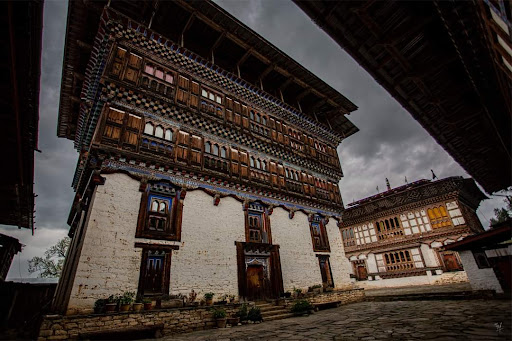
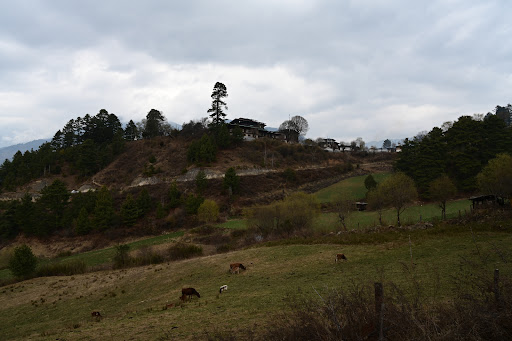
Ogyen Choling museum is located in the manor of Ogyen Choling, one hour drive from Jakar. The site was occupied in the middle of the 14th century by the Nyingmapa master, Longchen Rabjam, who built a little retreat there. At the end of the 14th century, the saint Dorje Lingpa decided to follow suit and settled there.
The original monastery seems to have been preserved up until the middle of the 19th century when Tshokye Dorje, the Trongsa Penlop and the 15th blood-descendant of Dorje Lingpa to be born at Ogyen Choling, built the manor which is seen today. The structure was very badly damaged in the earthquake of 1897 and Tshokye Dorje’s grandson, the Jakar Dzongpon Ugyen Dorje, had to rebuild a large part of it at the beginning of the 20th century. Ogyen Choling is still a private property owned by the same family.
The large building on the right is the Tsuglhakhang, which contains two temples with spectacular statues and exceptional paintings dating from the beginning of the 20th century. The temple on the ground floor is dedicated to Drolma, the Goddess of Compassion, and the one on the first floor to Jowo, the Buddha as a young prince. The central tower, utse, houses since May 2001, a Museum of the History and Life of Ogyen Choling.
The museum was financed by the owners themselves and established with artifacts found in the manor. It was set-up with the hope of sharing this heritage with as many people as possible and preserving the structure as a religious and social centre. It is a labour of love and a testimony to a life which has disappeared, a unique opportunity to get a glimpse of the life in a lord’s mansion before 1950.
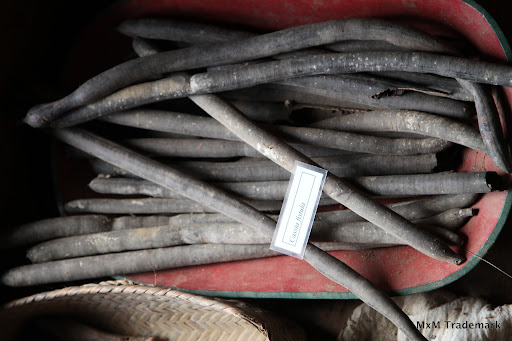
The artefacts depicting the way of life are recreated in the original rooms of the central tower. Granaries, agricultural implements, kitchen, room for making alcohol, reception rooms, bedroom, caravan and trade room, textiles, bamboo and ratan rooms, religious dances costumes and masks room, library and printing-room are recreated in a didactic and authentic way, enriched by comprehensive captions. The whole visit gives the intimate feeling of stepping into a by gone way of life and touching the social, religious, and economic facets of a manor.
The museum also has a catalogue sold on the premises. Allow one to two hours to visit this museum and a guided tour is most of the time available. Entrance fee: free for Bhutanese, 200 Nu...
Read more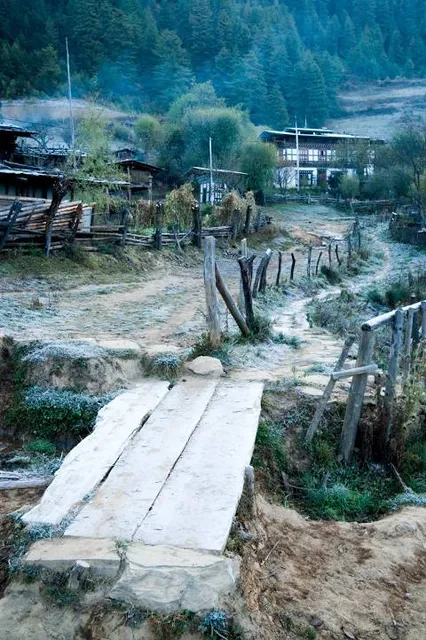
 Learn more insights from Wanderboat AI.