HTML SitemapExplore
Find Things to DoFind The Best Restaurants

Royal Manas National Park — Attraction in Soobdrang

Name
Royal Manas National Park
Description
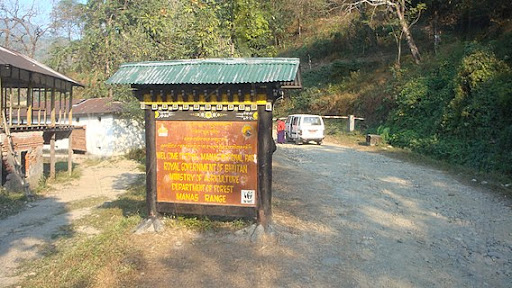
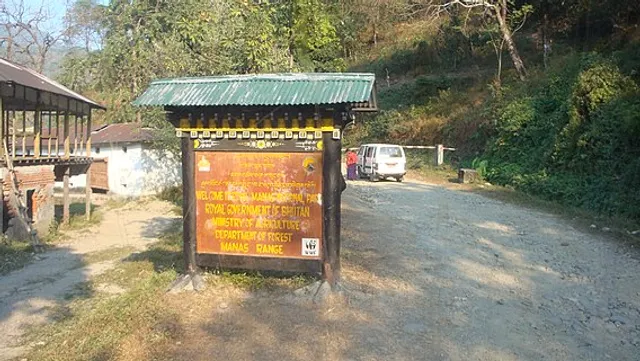
Royal Manas National Park is Bhutan's oldest national park, and the Royal government considers it the "conservation showpiece of the Kingdom" and a "genetic depository" for valuable plants.
Nearby attractions
Nearby restaurants
Nearby hotels
Related posts
Keywords
Royal Manas National Park tourism.Royal Manas National Park hotels.Royal Manas National Park bed and breakfast. flights to Royal Manas National Park.Royal Manas National Park attractions.Royal Manas National Park restaurants.Royal Manas National Park travel.Royal Manas National Park travel guide.Royal Manas National Park travel blog.Royal Manas National Park pictures.Royal Manas National Park photos.Royal Manas National Park travel tips.Royal Manas National Park maps.Royal Manas National Park things to do.
Royal Manas National Park things to do, attractions, restaurants, events info and trip planning
Royal Manas National Park
BhutanZhemgang DistrictSoobdrangRoyal Manas National Park

Basic Info

Royal Manas National Park

2PJ8+642, Gonphu, Bhutan
4.2(119)
Open 24 hours
Save
spot

Ratings & Description

Info

Royal Manas National Park is Bhutan's oldest national park, and the Royal government considers it the "conservation showpiece of the Kingdom" and a "genetic depository" for valuable plants.

Outdoor
Adventure
Scenic
Family friendly
Off the beaten path
attractions: , restaurants:
logoLearn more insights from Wanderboat AI.

Plan your stay

hotel
Pet-friendly Hotels in Soobdrang
Find a cozy hotel nearby and make it a full experience.
hotel
Affordable Hotels in Soobdrang
Find a cozy hotel nearby and make it a full experience.
hotel
The Coolest Hotels You Haven't Heard Of (Yet)
Find a cozy hotel nearby and make it a full experience.
hotel
Trending Stays Worth the Hype in Soobdrang
Find a cozy hotel nearby and make it a full experience.

Reviews

Get the Appoverlay
Get the AppOne tap to find yournext favorite spots!
Wanderboat LogoWanderboat

Your everyday Al companion for getaway ideas

CompanyAbout Us
InformationAI Trip PlannerSitemap
SocialXInstagramTiktokLinkedin
LegalTerms of ServicePrivacy Policy

Get the app

© 2025 Wanderboat. All rights reserved.

Posts

Your browser does not support the video tag.
pickyourtrailpickyourtrail
Save & Share this mini-guide ✨🗣️ 📍Bhutan 🇧🇹 🛂Do Indians need visa? 🔸 No Visa is required to visit Bhutan. 🔸 Indian nationals are required to carry any of the two valid ‘Travel Documents’ (a) Valid Indian Passport having validity of minimum 6 months; and/or (b) Voter Identity Card, issued by the Election Commission of India. 📆 Best Time to Visit: 🔸Ideal time: Spring (March to May) and Autumn (September to November). 🔸Spring offers blooming flowers, while autumn presents clear skies and pleasant weather. 📍 Best Places to Stay 🔸Paro- Offers a range of accommodations, from luxury resorts to budget-friendly guesthouses. 🔸Thimpu - The capital city has various hotel options, blending modern amenities with Bhutanese charm. 🔸Punakha - Experience serene stays amidst rice paddies and scenic landscapes. 👀 Best Things to Do: 🔸Conquer the incredible trails of Jomolhari or Druk Path Trek, creating your legendary saga. 🔸Get the goosebumps at Tiger’s Nest Monastery, hanging dramatically on a cliff. 🔸Be part of the show at vibrant festivals called Tsechus, where traditions meet celebrations. 🔸Have a “wild” time in parks like Jigme Dorji and Royal Manas, where nature shows off. 🔸Soak away your stress in natural hot springs, like a relaxation rebel. . . . . . #Pickyourtrail for #HasslefreeHolidays #todayinbhutan #bhutantourism #bhutantrip #bhutantravel #adventuretravel #visitbhutan #bhutanbelieve #bhutan #bhutan_ig #bhutan🇧🇹 #tigernest #travelreel #reelsinstagram @tourismbhutan @bhutantravelguide
Your browser does not support the video tag.
pickyourtrailpickyourtrail
More than 70% forested, and the first carbon-negative country in the world 🤯 Welcome to Bhutan 🇧🇹 🛂Do Indians need visa? 🔸 No Visa is required to visit Bhutan. 🔸 Indian nationals are required to carry any of the two valid ‘Travel Documents’ (a) Valid Indian Passport having validity of minimum 6 months; and/or (b) Voter Identity Card, issued by the Election Commission of India. 📆 Best Time to Visit: 🔸Ideal time: Spring (March to May) and Autumn (September to November). 🔸Spring offers blooming flowers, while autumn presents clear skies and pleasant weather. 📍 Best Places to Stay 🔸Paro- Offers a range of accommodations, from luxury resorts to budget-friendly guesthouses. 🔸Thimpu - The capital city has various hotel options, blending modern amenities with Bhutanese charm. 🔸Punakha - Experience serene stays amidst rice paddies and scenic landscapes. 👀 Best Things to Do: 🔸Conquer the incredible trails of Jomolhari or Druk Path Trek, creating your legendary saga. 🔸Get the goosebumps at Tiger’s Nest Monastery, hanging dramatically on a cliff. 🔸Be part of the show at vibrant festivals called Tsechus, where traditions meet celebrations. 🔸Have a “wild” time in parks like Jigme Dorji and Royal Manas, where nature shows off. 🔸Soak away your stress in natural hot springs, like a relaxation rebel. . . . . . #Pickyourtrail for #HasslefreeHolidays #todayinbhutan #bhutantourism #bhutantrip #bhutantravel #adventuretravel #visitbhutan #bhutanbelieve #bhutan #bhutan_ig #bhutan🇧🇹 #tigernest #travelreel #reelsinstagram @tourismbhutan @bhutantravelguide
Bablu KumarBablu Kumar
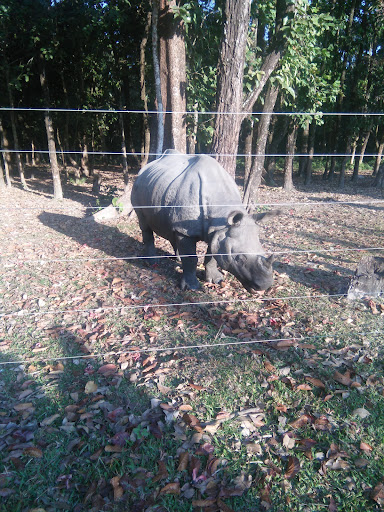
Royal Manas National Park is Bhutan's oldest national park, and the Royal government considers it the "conservation showpiece of the Kingdom" and a "genetic depository" for valuable plants. It has an area of 1,057 square kilometres (408 sq mi) and covers eastern Sarpang District, the western half of Zhemgang District, and western Pemagatshel District. It is connected via "biological corridors" to Phibsoo Wildlife Sanctuary, Jigme Singye Wangchuck National Park, Phrumsengla National Park, and Jomotsangkha Wildlife Sanctuary. Royal Manas also directly abuts the World Heritage Site Manas National Park in Assam, India, to the south. It is listed as a tentative site in Bhutan's Tentative List for UNESCO inclusion. Royal Manas was one of the earliest focuses of the Bhutan Trust Fund in the early 1990s, receiving infrastructure development and baseline biological and socio-economic assessments. Bhutan's first park management plan was prepared for Royal Manas, and guided management of other parks Habitats in Royal Manas National Park range from lowland tropical forests to permanent ice fields. Ecoregions in the park include Eastern Himalayan broadleaf forests and Himalayan subtropical pine forests. Royal Manas also produces several plant species used in food, commerce, medicine, and religious rituals. About 5,000 people live in remote, isolated villages within the park.[2][1] Fauna Edit Royal Manas National Park is home to Bengal tigers, elephants, gaur (Bos gaurus), as well as rarer golden langur (Presbytis geei), pygmy hog (Sus salvanius), hispid hare (Caprolagus hispidus), and Ganges river dolphin (Platanista). It is also the only Bhutanese park inhabited by the one-horned rhinoceros (Rhinoceros unicornis) and wild water buffalo (Bubalus arnee). Hundreds of species of birds—including four species of hornbills: rufous-necked, wreathed, pied and great Indian—also live in the vast park. The Manas River and its tributaries are home to three species of rare migratory game fish called mahseer: the deep-bodied mahseer (Tor tor), golden mahseer (Tor putitora), and chocolate mahseer or Katle (Acrossocheilus hexangonolepis).
See more posts
See more posts
hotel
Find your stay

Pet-friendly Hotels in Soobdrang

Find a cozy hotel nearby and make it a full experience.

Save & Share this mini-guide ✨🗣️ 📍Bhutan 🇧🇹 🛂Do Indians need visa? 🔸 No Visa is required to visit Bhutan. 🔸 Indian nationals are required to carry any of the two valid ‘Travel Documents’ (a) Valid Indian Passport having validity of minimum 6 months; and/or (b) Voter Identity Card, issued by the Election Commission of India. 📆 Best Time to Visit: 🔸Ideal time: Spring (March to May) and Autumn (September to November). 🔸Spring offers blooming flowers, while autumn presents clear skies and pleasant weather. 📍 Best Places to Stay 🔸Paro- Offers a range of accommodations, from luxury resorts to budget-friendly guesthouses. 🔸Thimpu - The capital city has various hotel options, blending modern amenities with Bhutanese charm. 🔸Punakha - Experience serene stays amidst rice paddies and scenic landscapes. 👀 Best Things to Do: 🔸Conquer the incredible trails of Jomolhari or Druk Path Trek, creating your legendary saga. 🔸Get the goosebumps at Tiger’s Nest Monastery, hanging dramatically on a cliff. 🔸Be part of the show at vibrant festivals called Tsechus, where traditions meet celebrations. 🔸Have a “wild” time in parks like Jigme Dorji and Royal Manas, where nature shows off. 🔸Soak away your stress in natural hot springs, like a relaxation rebel. . . . . . #Pickyourtrail for #HasslefreeHolidays #todayinbhutan #bhutantourism #bhutantrip #bhutantravel #adventuretravel #visitbhutan #bhutanbelieve #bhutan #bhutan_ig #bhutan🇧🇹 #tigernest #travelreel #reelsinstagram @tourismbhutan @bhutantravelguide
pickyourtrail

pickyourtrail

hotel
Find your stay

Affordable Hotels in Soobdrang

Find a cozy hotel nearby and make it a full experience.

Get the Appoverlay
Get the AppOne tap to find yournext favorite spots!
More than 70% forested, and the first carbon-negative country in the world 🤯 Welcome to Bhutan 🇧🇹 🛂Do Indians need visa? 🔸 No Visa is required to visit Bhutan. 🔸 Indian nationals are required to carry any of the two valid ‘Travel Documents’ (a) Valid Indian Passport having validity of minimum 6 months; and/or (b) Voter Identity Card, issued by the Election Commission of India. 📆 Best Time to Visit: 🔸Ideal time: Spring (March to May) and Autumn (September to November). 🔸Spring offers blooming flowers, while autumn presents clear skies and pleasant weather. 📍 Best Places to Stay 🔸Paro- Offers a range of accommodations, from luxury resorts to budget-friendly guesthouses. 🔸Thimpu - The capital city has various hotel options, blending modern amenities with Bhutanese charm. 🔸Punakha - Experience serene stays amidst rice paddies and scenic landscapes. 👀 Best Things to Do: 🔸Conquer the incredible trails of Jomolhari or Druk Path Trek, creating your legendary saga. 🔸Get the goosebumps at Tiger’s Nest Monastery, hanging dramatically on a cliff. 🔸Be part of the show at vibrant festivals called Tsechus, where traditions meet celebrations. 🔸Have a “wild” time in parks like Jigme Dorji and Royal Manas, where nature shows off. 🔸Soak away your stress in natural hot springs, like a relaxation rebel. . . . . . #Pickyourtrail for #HasslefreeHolidays #todayinbhutan #bhutantourism #bhutantrip #bhutantravel #adventuretravel #visitbhutan #bhutanbelieve #bhutan #bhutan_ig #bhutan🇧🇹 #tigernest #travelreel #reelsinstagram @tourismbhutan @bhutantravelguide
pickyourtrail

pickyourtrail

hotel
Find your stay

The Coolest Hotels You Haven't Heard Of (Yet)

Find a cozy hotel nearby and make it a full experience.

hotel
Find your stay

Trending Stays Worth the Hype in Soobdrang

Find a cozy hotel nearby and make it a full experience.

Royal Manas National Park is Bhutan's oldest national park, and the Royal government considers it the "conservation showpiece of the Kingdom" and a "genetic depository" for valuable plants. It has an area of 1,057 square kilometres (408 sq mi) and covers eastern Sarpang District, the western half of Zhemgang District, and western Pemagatshel District. It is connected via "biological corridors" to Phibsoo Wildlife Sanctuary, Jigme Singye Wangchuck National Park, Phrumsengla National Park, and Jomotsangkha Wildlife Sanctuary. Royal Manas also directly abuts the World Heritage Site Manas National Park in Assam, India, to the south. It is listed as a tentative site in Bhutan's Tentative List for UNESCO inclusion. Royal Manas was one of the earliest focuses of the Bhutan Trust Fund in the early 1990s, receiving infrastructure development and baseline biological and socio-economic assessments. Bhutan's first park management plan was prepared for Royal Manas, and guided management of other parks Habitats in Royal Manas National Park range from lowland tropical forests to permanent ice fields. Ecoregions in the park include Eastern Himalayan broadleaf forests and Himalayan subtropical pine forests. Royal Manas also produces several plant species used in food, commerce, medicine, and religious rituals. About 5,000 people live in remote, isolated villages within the park.[2][1] Fauna Edit Royal Manas National Park is home to Bengal tigers, elephants, gaur (Bos gaurus), as well as rarer golden langur (Presbytis geei), pygmy hog (Sus salvanius), hispid hare (Caprolagus hispidus), and Ganges river dolphin (Platanista). It is also the only Bhutanese park inhabited by the one-horned rhinoceros (Rhinoceros unicornis) and wild water buffalo (Bubalus arnee). Hundreds of species of birds—including four species of hornbills: rufous-necked, wreathed, pied and great Indian—also live in the vast park. The Manas River and its tributaries are home to three species of rare migratory game fish called mahseer: the deep-bodied mahseer (Tor tor), golden mahseer (Tor putitora), and chocolate mahseer or Katle (Acrossocheilus hexangonolepis).
Bablu Kumar

Bablu Kumar

See more posts
See more posts

Reviews of Royal Manas National Park

4.2
(119)
avatar
4.0
7y

Royal Manas National Park is Bhutan's oldest national park, and the Royal government considers it the "conservation showpiece of the Kingdom" and a "genetic depository" for valuable plants. It has an area of 1,057 square kilometres (408 sq mi) and covers eastern Sarpang District, the western half of Zhemgang District, and western Pemagatshel District.

It is connected via "biological corridors" to Phibsoo Wildlife Sanctuary, Jigme Singye Wangchuck National Park, Thrumshingla National Park, and Khaling Wildlife Sanctuary. Royal Manas also directly abuts the World Heritage Site Manas National Park in Assam, India, to the south. It is listed as a tentative site in Bhutan's Tentative List for UNESCO inclusion.

Entry is prohibited to the public.Royal Manas was one of the earliest focuses of the Bhutan Trust Fund in the early 1990s, receiving infrastructure development and baseline biological and socio-economic assessments. Bhutan's first park management plan was prepared for Royal Manas, and guided management of other parks.Habitats in Royal Manas National Park range from lowland tropical forests to permanent ice fields. Ecoregions in the park include Eastern Himalayan broadleaf forests and Himalayan subtropical pine forests.

Royal Manas also produces several plant species used in food, commerce, medicine, and religious rituals. About 5,000 people live in remote, isolated villages within the park.Royal Manas National Park is home to Bengal tigers, elephants, gaur (Bos gaurus), as well as rarer golden langur (Presbytis geei), pygmy hog (Sus salvanius), hispid hare (Caprolagus hispidus), and Ganges river dolphin (Platanista). It is also the only Bhutanese park inhabited by the one-horned rhinoceros (Rhinoceros unicornis) and wild water buffalo (Bubalus arnee). Hundreds of species of birds — including four species of hornbills – rufous-necked, wreathed, pied and great Indian — also live in the vast park.

The Manas River and its tributaries are home to three species of rare migratory game fish called mahseer: the deep-bodied mahseer (Tor tor), golden mahseer (Tor putitora), and chocolate mahseer or Katle (Acrossocheilus...

   Read more

avatar
4.0
2y

Royal Manas National Park is Bhutan's oldest national park, and the Royal government considers it the "conservation showpiece of the Kingdom" and a "genetic depository" for valuable plants. It has an area of 1,057 square kilometres (408 sq mi) and covers eastern Sarpang District, the western half of Zhemgang District, and western Pemagatshel District. It is connected via "biological corridors" to Phibsoo Wildlife Sanctuary, Jigme Singye Wangchuck National Park, Phrumsengla National Park, and Jomotsangkha Wildlife Sanctuary. Royal Manas also directly abuts the World Heritage Site Manas National Park in Assam, India, to the south. It is listed as a tentative site in Bhutan's Tentative List for UNESCO inclusion. Royal Manas was one of the earliest focuses of the Bhutan Trust Fund in the early 1990s, receiving infrastructure development and baseline biological and socio-economic assessments. Bhutan's first park management plan was prepared for Royal Manas, and guided management of other parks Habitats in Royal Manas National Park range from lowland tropical forests to permanent ice fields. Ecoregions in the park include Eastern Himalayan broadleaf forests and Himalayan subtropical pine forests.

Royal Manas also produces several plant species used in food, commerce, medicine, and religious rituals. About 5,000 people live in remote, isolated villages within the park.2

Fauna Edit Royal Manas National Park is home to Bengal tigers, elephants, gaur (Bos gaurus), as well as rarer golden langur (Presbytis geei), pygmy hog (Sus salvanius), hispid hare (Caprolagus hispidus), and Ganges river dolphin (Platanista). It is also the only Bhutanese park inhabited by the one-horned rhinoceros (Rhinoceros unicornis) and wild water buffalo (Bubalus arnee). Hundreds of species of birds—including four species of hornbills: rufous-necked, wreathed, pied and great Indian—also live in the vast park.

The Manas River and its tributaries are home to three species of rare migratory game fish called mahseer: the deep-bodied mahseer (Tor tor), golden mahseer (Tor putitora), and chocolate mahseer or Katle (Acrossocheilus...

   Read more
avatar
5.0
1y

Royal Manas National Park, located in the southern foothills of Bhutan, is a true gem for nature and wildlife enthusiasts. Known as the "Crown Jewel of Bhutan," this UNESCO World Heritage site seamlessly blends breathtaking landscapes with an unparalleled diversity of flora and fauna.

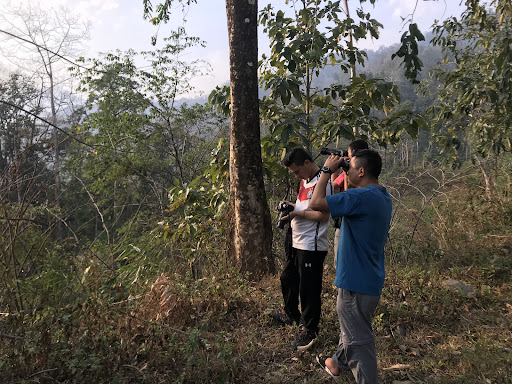
The park is home to a remarkable array of wildlife, including Bengal tigers, elephants, golden langurs, and the elusive clouded leopard. Birdwatchers will be delighted by the vibrant avian population, with species like the great hornbill and the rare black-necked crane gracing the skies. The lush tropical and subtropical forests are interspersed with rivers, creating a dynamic ecosystem that's both serene and thriving.

Visitors can also explore the park's rich cultural heritage. The local communities living around the park are deeply connected to its ecosystem, offering a glimpse into Bhutan's harmonious relationship with nature. Guided eco-tours and treks provide an immersive experience, allowing travelers to engage with the park's biodiversity while contributing to conservation efforts.

What sets Royal Manas apart is its commitment to sustainable tourism. The park's management emphasizes preserving its pristine environment while allowing visitors to appreciate its wonders responsibly.

Whether you're seeking adventure, tranquility, or a deeper connection with nature, Royal Manas National Park delivers on every front. It's a must-visit destination for those looking to experience Bhutan's natural beauty...

   Read more
Page 1 of 7
Previous
Next