HTML SitemapExplore
logo
Find Things to DoFind The Best Restaurants

Simtokha Dzong — Attraction in Thimphu District

Name
Simtokha Dzong
Description
Nearby attractions
Nearby restaurants
Chicken 65 RESTAURANT & Bar, Thimphu
Babesa-Thimphu Expressway, Thimphu, Bhutan
Nearby hotels
Cholay Khangzang
Thimphu 11001, Bhutan
Related posts
Keywords
Simtokha Dzong tourism.Simtokha Dzong hotels.Simtokha Dzong bed and breakfast. flights to Simtokha Dzong.Simtokha Dzong attractions.Simtokha Dzong restaurants.Simtokha Dzong travel.Simtokha Dzong travel guide.Simtokha Dzong travel blog.Simtokha Dzong pictures.Simtokha Dzong photos.Simtokha Dzong travel tips.Simtokha Dzong maps.Simtokha Dzong things to do.
Simtokha Dzong things to do, attractions, restaurants, events info and trip planning
Simtokha Dzong
BhutanThimphu DistrictSimtokha Dzong

Basic Info

Simtokha Dzong

846 Je Bamo Lam SE, Tshatshobaykha, Bhutan
4.5(245)
Open 24 hours
Save
spot

Ratings & Description

Info

Cultural
Scenic
Family friendly
Accessibility
attractions: , restaurants: Chicken 65 RESTAURANT & Bar, Thimphu
logoLearn more insights from Wanderboat AI.
Phone
+975 17 90 01 31

Plan your stay

hotel
Pet-friendly Hotels in Thimphu District
Find a cozy hotel nearby and make it a full experience.
hotel
Affordable Hotels in Thimphu District
Find a cozy hotel nearby and make it a full experience.
hotel
The Coolest Hotels You Haven't Heard Of (Yet)
Find a cozy hotel nearby and make it a full experience.
hotel
Trending Stays Worth the Hype in Thimphu District
Find a cozy hotel nearby and make it a full experience.

Reviews

Things to do nearby

Weekly Tech Meetup
Weekly Tech Meetup
Sat, Dec 6 • 6:00 AM
Giku-na, Near Memorial Chorten, Thimphu, Bhutan
View details

Nearby restaurants of Simtokha Dzong

Chicken 65 RESTAURANT & Bar, Thimphu

Chicken 65 RESTAURANT & Bar, Thimphu

Chicken 65 RESTAURANT & Bar, Thimphu

4.9

(13)

Click for details
Get the Appoverlay
Get the AppOne tap to find yournext favorite spots!
Wanderboat LogoWanderboat

Your everyday Al companion for getaway ideas

CompanyAbout Us
InformationAI Trip PlannerSitemap
SocialXInstagramTiktokLinkedin
LegalTerms of ServicePrivacy Policy

Get the app

© 2025 Wanderboat. All rights reserved.
logo

Reviews of Simtokha Dzong

4.5
(245)
avatar
5.0
7y

The Simtoka Dzong, built in 1629 by Zhabdrung Ngawang Namgyal, functions as a monastic and administrative centre and is the oldest dzong which has survived in its original form;[1] Namgyal brought into vogue, for the first time in Bhutan, this concept of the "dzong" as castle monastery.[3] An attack on the dzong was made by five disgruntled lamas in collaboration with an invading army of Tibetans who were against the Buddhist practices of the dzong under the control of Zhabdrung. They were defeated and Palden Lama who was the leader of the invaders died in the battle. Another attack on the dzong in 1630 by the Tibetans was successful for a while till part of the dzong caught fire and with the roof collapsing all the invading forces were killed.[1]

The first renovation and extension works on the dzong was completed in 1670 by Mingyur Tenpa, the third Druk Desi (regent). It has undergone many renovations in subsequent years also and the most recent refurbishing was carried out by architects from Japan.[1]

It is believed that the dzong provided protection against a demon which had disappeared into a rock close to the site and hence taken the name 'Simtoka' meaning "simmo" (demoness) and 'do' meaning "stone".[1]

The Buddhist school of Linguistics was established as part of the dzong by the third Druk Gyalpo, Jigme Dorji Wangchuck, at the suggestion of Queen Mayum Choying Wangmo...

   Read more
avatar
5.0
2y

Simtokha Dzong is an impressive fortress located in the Thimphu Valley of Bhutan. Built in 1629, it is one of the oldest dzongs in Bhutan and serves as an important cultural and historical site in the country.

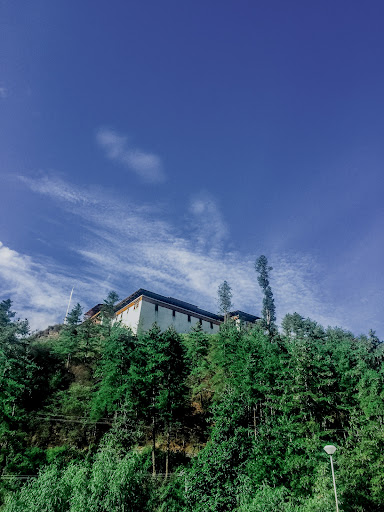
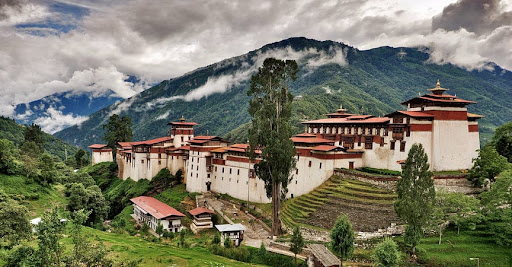
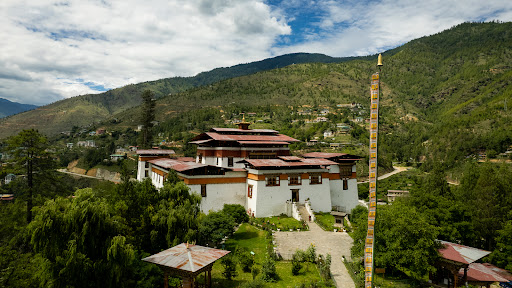
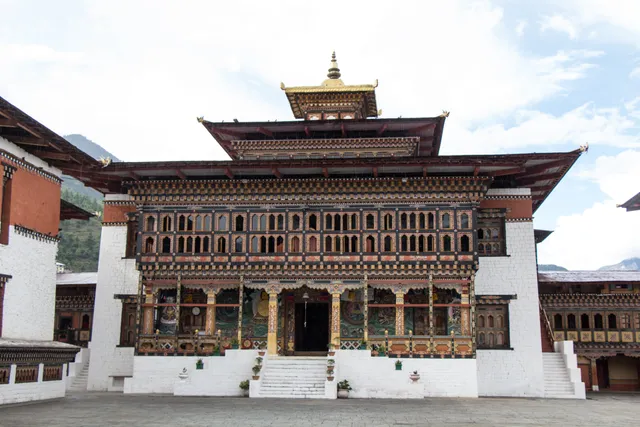
The dzong is situated atop a hill, overlooking the valley below, and its striking white walls and red-tiled roof make it a recognizable landmark in the area. Visitors to the dzong can explore the beautiful courtyards, gardens, and temple halls, which are filled with intricate carvings, murals, and other artistic treasures.

Simtokha Dzong is also home to the Institute for Language and Cultural Studies, where students from all over Bhutan come to learn about their country's language, culture, and traditions. Visitors to the dzong can often observe classes in progress and learn more about the educational system in Bhutan.

One of the most interesting features of Simtokha Dzong is the protective deities and symbols that are carved into the walls and ceilings of the temple halls. These carvings are meant to ward off evil spirits and protect the dzong and its inhabitants.

Overall, Simtokha Dzong is a fascinating and beautiful destination that offers visitors a glimpse into the rich history and culture of Bhutan. Its stunning architecture, intricate artwork, and peaceful atmosphere make it a must-visit destination for anyone...

   Read more
avatar
5.0
4y

The most oldest Dzong or castle build by Tibetan monk call Zhabdrung Ngawang Namgyal who is in exile in 1616 and the founder of Bhutan he is great spiritual master who we Bhutanese pays respects and homage to him as same to god. This is my just personal description to know more one must read other sources of info about him to clearer doubt There are lot of old relics and ornament and many others information which is very helpful and beneficial to everyone Tourist are allowed to visit there and see the wonder things of Bhutan More true and correct info will be share by your guid while you visit that temple and also there are monks who will share info about castle if u wanna know, as in Bhutan most of place they got someone who will explain about place or temple same as caretaker Currently it’s close to public as social transmission of covid 19 is rapidly increasing in the capital Be ready and plan your next holiday into Bhutan The journey beyond the sky and beyond the earth. And get blessing make wish for new plan All the best to all adventurer lover Be safe Be intelligent and love the ride into Bhutan See you soon at any place at any time we are one we become...

   Read more
Page 1 of 7
Previous
Next

Posts

kuenzang Norbukuenzang Norbu
The Simtoka Dzong, built in 1629 by Zhabdrung Ngawang Namgyal, functions as a monastic and administrative centre and is the oldest dzong which has survived in its original form;[1] Namgyal brought into vogue, for the first time in Bhutan, this concept of the "dzong" as castle monastery.[3] An attack on the dzong was made by five disgruntled lamas in collaboration with an invading army of Tibetans who were against the Buddhist practices of the dzong under the control of Zhabdrung. They were defeated and Palden Lama who was the leader of the invaders died in the battle. Another attack on the dzong in 1630 by the Tibetans was successful for a while till part of the dzong caught fire and with the roof collapsing all the invading forces were killed.[1] The first renovation and extension works on the dzong was completed in 1670 by Mingyur Tenpa, the third Druk Desi (regent). It has undergone many renovations in subsequent years also and the most recent refurbishing was carried out by architects from Japan.[1] It is believed that the dzong provided protection against a demon which had disappeared into a rock close to the site and hence taken the name 'Simtoka' meaning "simmo" (demoness) and 'do' meaning "stone".[1] The Buddhist school of Linguistics was established as part of the dzong by the third Druk Gyalpo, Jigme Dorji Wangchuck, at the suggestion of Queen Mayum Choying Wangmo Dorje, in 1961.[4]
Rahul TalukdarRahul Talukdar
Simtokha Dzong is an impressive fortress located in the Thimphu Valley of Bhutan. Built in 1629, it is one of the oldest dzongs in Bhutan and serves as an important cultural and historical site in the country. The dzong is situated atop a hill, overlooking the valley below, and its striking white walls and red-tiled roof make it a recognizable landmark in the area. Visitors to the dzong can explore the beautiful courtyards, gardens, and temple halls, which are filled with intricate carvings, murals, and other artistic treasures. Simtokha Dzong is also home to the Institute for Language and Cultural Studies, where students from all over Bhutan come to learn about their country's language, culture, and traditions. Visitors to the dzong can often observe classes in progress and learn more about the educational system in Bhutan. One of the most interesting features of Simtokha Dzong is the protective deities and symbols that are carved into the walls and ceilings of the temple halls. These carvings are meant to ward off evil spirits and protect the dzong and its inhabitants. Overall, Simtokha Dzong is a fascinating and beautiful destination that offers visitors a glimpse into the rich history and culture of Bhutan. Its stunning architecture, intricate artwork, and peaceful atmosphere make it a must-visit destination for anyone traveling to Thimphu.
Book Bhutan TourBook Bhutan Tour
Simtokha Dzong, also known as Sangak Zabdhon Phodrang (Palace of the Profound Meaning of Secret Mantras), is one of the oldest fortresses in Bhutan. Here are some key points about Simtokha Dzong: Location: Simtokha Dzong is located approximately 5 kilometers southeast of Thimphu, the capital city of Bhutan. It sits atop a small ridge and is easily accessible from Thimphu. Construction: The dzong was built in 1629 by Zhabdrung Ngawang Namgyal, the unifier of Bhutan, and it is considered to be the first dzong built in the country. It was constructed to subdue a demon that hindered the spread of Buddhism in the region. Architecture: Simtokha Dzong is a small fortress compared to other dzongs in Bhutan. It follows the traditional Bhutanese architectural style with whitewashed walls, red and gold woodwork, and a central tower. The dzong has several temples and halls with impressive murals depicting Buddhist deities.
See more posts
See more posts
hotel
Find your stay

Pet-friendly Hotels in Thimphu District

Find a cozy hotel nearby and make it a full experience.

The Simtoka Dzong, built in 1629 by Zhabdrung Ngawang Namgyal, functions as a monastic and administrative centre and is the oldest dzong which has survived in its original form;[1] Namgyal brought into vogue, for the first time in Bhutan, this concept of the "dzong" as castle monastery.[3] An attack on the dzong was made by five disgruntled lamas in collaboration with an invading army of Tibetans who were against the Buddhist practices of the dzong under the control of Zhabdrung. They were defeated and Palden Lama who was the leader of the invaders died in the battle. Another attack on the dzong in 1630 by the Tibetans was successful for a while till part of the dzong caught fire and with the roof collapsing all the invading forces were killed.[1] The first renovation and extension works on the dzong was completed in 1670 by Mingyur Tenpa, the third Druk Desi (regent). It has undergone many renovations in subsequent years also and the most recent refurbishing was carried out by architects from Japan.[1] It is believed that the dzong provided protection against a demon which had disappeared into a rock close to the site and hence taken the name 'Simtoka' meaning "simmo" (demoness) and 'do' meaning "stone".[1] The Buddhist school of Linguistics was established as part of the dzong by the third Druk Gyalpo, Jigme Dorji Wangchuck, at the suggestion of Queen Mayum Choying Wangmo Dorje, in 1961.[4]
kuenzang Norbu

kuenzang Norbu

hotel
Find your stay

Affordable Hotels in Thimphu District

Find a cozy hotel nearby and make it a full experience.

Get the Appoverlay
Get the AppOne tap to find yournext favorite spots!
Simtokha Dzong is an impressive fortress located in the Thimphu Valley of Bhutan. Built in 1629, it is one of the oldest dzongs in Bhutan and serves as an important cultural and historical site in the country. The dzong is situated atop a hill, overlooking the valley below, and its striking white walls and red-tiled roof make it a recognizable landmark in the area. Visitors to the dzong can explore the beautiful courtyards, gardens, and temple halls, which are filled with intricate carvings, murals, and other artistic treasures. Simtokha Dzong is also home to the Institute for Language and Cultural Studies, where students from all over Bhutan come to learn about their country's language, culture, and traditions. Visitors to the dzong can often observe classes in progress and learn more about the educational system in Bhutan. One of the most interesting features of Simtokha Dzong is the protective deities and symbols that are carved into the walls and ceilings of the temple halls. These carvings are meant to ward off evil spirits and protect the dzong and its inhabitants. Overall, Simtokha Dzong is a fascinating and beautiful destination that offers visitors a glimpse into the rich history and culture of Bhutan. Its stunning architecture, intricate artwork, and peaceful atmosphere make it a must-visit destination for anyone traveling to Thimphu.
Rahul Talukdar

Rahul Talukdar

hotel
Find your stay

The Coolest Hotels You Haven't Heard Of (Yet)

Find a cozy hotel nearby and make it a full experience.

hotel
Find your stay

Trending Stays Worth the Hype in Thimphu District

Find a cozy hotel nearby and make it a full experience.

Simtokha Dzong, also known as Sangak Zabdhon Phodrang (Palace of the Profound Meaning of Secret Mantras), is one of the oldest fortresses in Bhutan. Here are some key points about Simtokha Dzong: Location: Simtokha Dzong is located approximately 5 kilometers southeast of Thimphu, the capital city of Bhutan. It sits atop a small ridge and is easily accessible from Thimphu. Construction: The dzong was built in 1629 by Zhabdrung Ngawang Namgyal, the unifier of Bhutan, and it is considered to be the first dzong built in the country. It was constructed to subdue a demon that hindered the spread of Buddhism in the region. Architecture: Simtokha Dzong is a small fortress compared to other dzongs in Bhutan. It follows the traditional Bhutanese architectural style with whitewashed walls, red and gold woodwork, and a central tower. The dzong has several temples and halls with impressive murals depicting Buddhist deities.
Book Bhutan Tour

Book Bhutan Tour

See more posts
See more posts