HTML SitemapExplore
logo
Find Things to DoFind The Best Restaurants

Puma Punku — Attraction in Tiahuanacu

Name
Puma Punku
Description
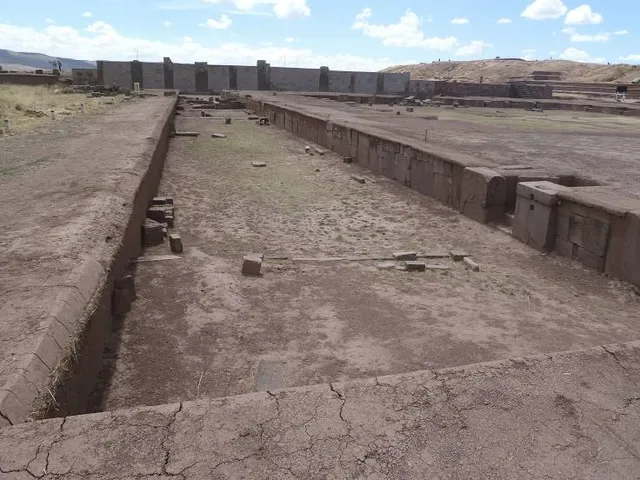
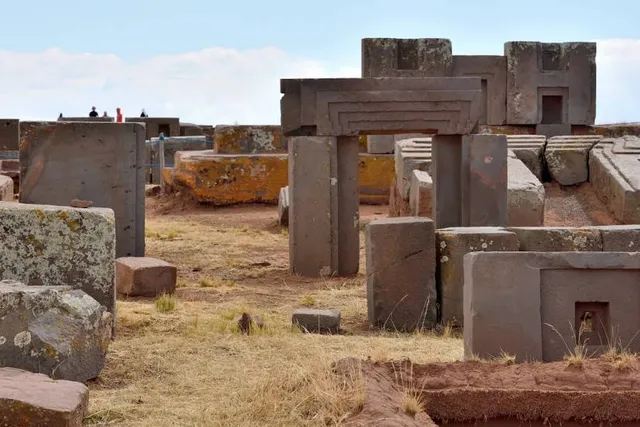
Pumapunku or Puma Punku is a 6th-century T-shaped and strategically aligned man-made terraced platform mound with a sunken court and monumental structure on top that is part of the Pumapunku complex, at the Tiwanaku Site near Tiwanacu, in western Bolivia.
Nearby attractions
Ceramic Museum
C8RF+QM7, Tiwanaku, Bolivia
Putuni
C8WG+266, Tiwanaku, Bolivia
Nearby restaurants
Nearby hotels
Hotel Akapana
Tiwanaku, Bolivia
Related posts
Keywords
Puma Punku tourism.Puma Punku hotels.Puma Punku bed and breakfast. flights to Puma Punku.Puma Punku attractions.Puma Punku restaurants.Puma Punku travel.Puma Punku travel guide.Puma Punku travel blog.Puma Punku pictures.Puma Punku photos.Puma Punku travel tips.Puma Punku maps.Puma Punku things to do.
Puma Punku things to do, attractions, restaurants, events info and trip planning
Puma Punku
BoliviaLa PazTiahuanacuPuma Punku

Basic Info

Puma Punku

C8Q9+9PP, Tiwanaku, Bolivia
4.6(555)
Open 24 hours
Save
spot

Ratings & Description

Info

Pumapunku or Puma Punku is a 6th-century T-shaped and strategically aligned man-made terraced platform mound with a sunken court and monumental structure on top that is part of the Pumapunku complex, at the Tiwanaku Site near Tiwanacu, in western Bolivia.

Cultural
Outdoor
Scenic
Off the beaten path
attractions: Ceramic Museum, Putuni, restaurants:
logoLearn more insights from Wanderboat AI.
Phone
+591 66666666

Plan your stay

hotel
Pet-friendly Hotels in Tiahuanacu
Find a cozy hotel nearby and make it a full experience.
hotel
Affordable Hotels in Tiahuanacu
Find a cozy hotel nearby and make it a full experience.
hotel
The Coolest Hotels You Haven't Heard Of (Yet)
Find a cozy hotel nearby and make it a full experience.
hotel
Trending Stays Worth the Hype in Tiahuanacu
Find a cozy hotel nearby and make it a full experience.

Reviews

Nearby attractions of Puma Punku

Ceramic Museum

Putuni

Ceramic Museum

Ceramic Museum

4.2

(55)

Open 24 hours
Click for details
Putuni

Putuni

4.4

(13)

Open 24 hours
Click for details
Get the Appoverlay
Get the AppOne tap to find yournext favorite spots!
Wanderboat LogoWanderboat

Your everyday Al companion for getaway ideas

CompanyAbout Us
InformationAI Trip PlannerSitemap
SocialXInstagramTiktokLinkedin
LegalTerms of ServicePrivacy Policy

Get the app

© 2025 Wanderboat. All rights reserved.
logo

Reviews of Puma Punku

4.6
(555)
avatar
3.0
6y

The site of Puma Punku on the Bolivian Altiplano at an altitude of 3,870m (12,700ft) is among the highest ancient archeological sites worldwide. It's also one of the most enigmatic, baffling visitors and researchers the same.

The questions about its exact age and purpose are unanswered, but the biggest mystery about it is how the unique style of elaborate stonemasonry was achieved technologically.

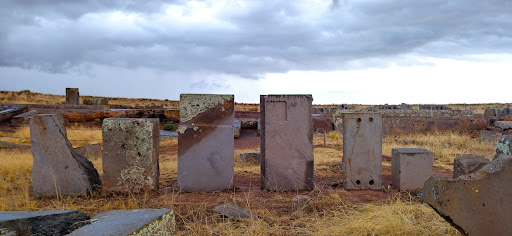
Two types of rock were used: a red Sandstone (the biggest block weighting about 130t) and the grey Copacabana Andesite, which the famous H-Blocks and the Sun Gate of Tiahuanaco are made from (the Sun Gate originally being most likely a part of Puma Punku before it got "recycled" in the site of Tiahuanaco).

What destroyed Puma Punku is not exactly clear, but when the first Inca reached there it already lay in ruins. The thick layer of clay which the site was buried under suggests that an event of flooding, most likely from the nearby Lake Titicaca, might have been its end. While today Puma Punku is about 20km (12 miles) away from the shores of the lake, architectural features and limnologic evidence suggest, that it was once situated at its shores and maybe used as a harbour. Other theorists see it as a place of shamanic importance, playing a role in the Andean Shamans initiation to the technique of transformation...

   Read more
avatar
5.0
2y

Каменные блоки в этом месте были вырезаны с такой точностью, что некоторые полагают, будто их вырезал не человек, а машина. Западная Боливия, тысяча пятьсот сорок девятый год. Испанский исследователь Педро Сьеса де Леон возглавлял группу исследователей, которые проходили через Анды и наткнулись на руины огромного заброшенного города. Они увидели множество храмов, построенных из огромного камня. Несмотря на то, что строители исчезли задолго до прибытия испанцев, местные называли этот город Тиуанако. Тиуанако - замечательный пример мастерства работы с камнем. Испанские исследователи в своих хрониках описали его достаточно детально. По их словам, это было чудо. Сам город состоял из ворот и окон, вырезанных из цельных каменных блоков. Они даже представить не могли, как его создавали. Когда испанские исследователи обнаружили впечатляющие руины Тиуанако, археологи сразу же захотели разгадать его тайны. В двадцатом веке в ходе раскопок удалось установить огромные масштабы этого древнего мегаполиса. Тиуанако был столицей могущественной доиспанской империи, которая доминировала в южных Андах между пятисотым и девятисотым годами нашей эры. Это была действительно развитая цивилизация. Судя по каменной кладке, это была бы достаточно сложная и трудоемкая задача без использования электроинструментов. Однако у них все получилось. Самые загадочные руины Тиуанако - террасная платформа Пума-Пунку. По ее территории разбросаны огромные каменные блоки, и каждый вырезан с такой точностью, что мы до сих пор не знаем, как у них это получилось. По всему миру есть места, где можно найти мегалиты - огромные каменные глыбы, однако в Пума Пунку есть камни, которые не просто огромные. Они вырезаны таким образом, что между камнями не получится просунуть даже кусочек бумажки. Остается загадкой, как именно они смогли соединить эти камни словно маленькие блоки Лего. Эти люди показали такое мастерство, которое мы никогда не видели раньше. Как они их сложили? Как с ними работали? У них было то, чего у нас больше нет. Как древним людям удалось вырезать огромные камни с такими точными углами и замысловатыми узорами? Возможно, нам удастся найти ответ в любопытной истории из мифологии Тиуанако. Согласно традиционной истории появления Пума Пунку, великий бог Виракоча однажды создал расу гигантов из грязи и земли, наделил их сознанием и управлял ими. И они уже построили все сооружения в этом районе. Если вы пойдете в музей в Пума-Пунку или в другие музеи поблизости, вы увидите там огромные вытянутые черепа. И это заставляет задуматься - их ли считали местные жители гигантами? А оказавшись в Пума Пунку, вы поймете, что эта теория не такая уж надуманная, учитывая размеры некоторых сооружений. Самый большой каменный блок в Пума-Пунку весит 144 тонны. Неважно, является ли эта теория фактом или мифом, переместить такой блок, безусловно, задача не из легких. Также легенда гласит, что гиганты приложили руку и к разрушению Пума-Пунку. Согласно легенде, гиганты отбились от рук, стали людоедами и начали терроризировать местных жителей. Поэтому их создателю Виракоче пришлось полностью уничтожить их наводнением. И оказавшись в этом месте сегодня, вы увидите, как по этому месту словно прошлась приливная волна или цунами и разбросала эти гигантские камни как кубики Лего буквально по разным сторонам.

Однако в 2018 году французский ученый-материаловед Жозеф Давидовиц опубликовал любопытное исследование, в котором он предположил, что глыбы в Пума-Пунку не были высечены, а затем перенесены. Их могли приклеить друг к другу. Он сделал то, чего археологи никогда не делали. Он изучил камни Пума-Пунку под микроскопом и обнаружил, что это не просто обычный базальт. На самом деле это были полимеры различных веществ, склеенные вместе. Однако с обычными природными камнями такое невозможно. Поэтому он предположил, что строители использовали некий древний цемент, которым скрепляли несколько глыб, и затем уже создавали формирования. Их не вырезали. Их создавали так, чтобы они...

   Read more
avatar
5.0
6y

Pumapunku ali Puma Punku púmapúnku je del velikega tempeljskega kompleksa ali spomeniške skupine južno od arheološkega najdišča Tivanaku na nadmorski višini 3850 m v zahodni Boliviji. Tivanaku je v inkovski tradiciji pomemben, ker naj bi tu bilo območje, kjer je bil ustvarjen svet. V ajmarščini Puma Punku pomeni »Pumina vrata«. Pumapunkujev kompleks sestavljajo: neobzidano zahodno dvorišče, osrednja neobzidana esplanada, terasasti platformski nasip obložen z velikimi kamnitimi kladami in obzidano vzhodno dvorišče. Pumapunku je terasasti prsteni nasip obložen z megalitskimi kladami. Njegova širina vzdolž severno-južne osi je 167,36 m, dolžina vzdolž vzhodno-zahodne osi pa je 116,7 m. Na severnem in južnem vogalu Pumapunkuja sta 20 m široki izbočini, ki se širita 27,6 m severno in južno od pravokotnega nasipa. Vzhodni rob Pumapunkuja zavzema »Plataforma Lítica«, ki jo sestavlja kamnita terasa z izmerami 6,75 krat 38,72 m. Terasa je tlakovana z več ogromnimi kamnitimi kladami. Vsebuje največjo kamnito ploščo najdeno tako v Pumapunkuju kot v najdišču Tivanaku. Ta kamnita plošča je dolga 7,81 m, široka 5,17 m, njena povprečna debelina pa je 1,07 m. Glede na specifično težo rdečega peščenjaka, iz katerega je ta kamnita plošča izrezana, so njeno maso ocenili na 131 ton. Drugi kamnoseški in oblagalni predmeti v Pumapunkuju vsebujejo mešanico andezita in rdečega peščenjaka. Jedro vsebuje glino. Plast pod nekaterimi deli na robu Pumapunkuja namesto gline vsebuje rečni pesek in prodnik. Izkopavanja v Pumapunkuju so odkrila tri glavna gradbena obdobja z nekaterimi manjšimi popravki in predelavami. Na svojem višku naj bi bil Pumapunku »nepredstavljivo osupljiv«.Okrašen je bil z zglajenimi kovinskimi ploščami, svetloobarvanim keramičnim in tkaninskim okrasjem. Po njem so se sprehajali meščani v lepih oblačilih, dovršeno oblečeni duhovniki in izbranci okrašeni z eksotičnim nakitom. Naše trenutno razumevanje tega kompleksa je omejeno zaradi njegove starosti, pomanjkanja pisnih virov, trenutnega slabega stanja struktur zaradi lova na zaklade, ropanja, izrabe kamna v gradbene namene in železniškega gramoza, ter naravnega preperevanja. Območje znotraj enega kilometra, ki ločuje kompleksa v Pumapunkuju in Kalasasaji, so pregledali z georadarjem, magnetometrično, inducirano električno prevodnostjo in magnetno susceptibilnostjo. Geofizikalni podatki zbrani iz teh pregledov in izkopavanj so razkrili prisotnost več struktur, ki jih je izdelal človek. Med njimi so: zidni temelji zgradb in poslopij, vodni kanali, oblike podobne bazenom, zaščitni zidovi, terase, stanovanjska poslopja in razprostrani prodni tlakovi, ki sedaj vsi ležijo zakopani in skriti pod sedanjim talnim površjem. Določevanje starosti kompleksa Pumapunku je bila ena glavnih tem raziskovalcev od odkritja najdišča Tivanaku. Kot je poudaril Isbell, strokovnjak za Ande in profesor antropologije na Univerzi v Binghamtonu, je datiranje z radioaktivnim ogljikom izvedel Vranich iz organskega materiala iz najnižje in najstarejše plasti nasipne oblike Pumapunkuja. Ta plast se je naložila med prvim gradbenim obdobjem, tako da začetna gradnja Pumapunkuja seže v čas med letoma 536 in 600 (1510 ± 25 BP C14, kalibrirani datum). Ker datum določen na ta način izhaja iz te plasti, ki leži pod andezitnimi in peščenimi strukturami, so te strukture nastale po tem času. Vranichevi izkopni jarki kažejo, da glinasta, peščena in prodna plast leži neposredno na neplodnih srednje pleistocenskih usedlinah. Ti izkopni jarki so tudi pokazali odsotnost kakšnih zgodnje predandovskih kulturnih najdišč znotraj območja najdišča Tivanaku v bližini kompleksa Pumapunku. In... you tube...

   Read more
Page 1 of 7
Previous
Next

Posts

Bamboo (bamboocyt)Bamboo (bamboocyt)
請老高的粉絲們放過這裡 不要再出來丟人現眼了 I usually feel proud as a Taiwanese, but I feel shameful today standing here. Imagine dozens if not hundreds of your hometown folks left their brainless reviews in somewhere half an earth away from them where they have never been to, talking about some non sense random alien theory from a misleading Chinese YouTuber. This behavior is extremely uncivilized and disrespectful to ancestors who build this area. I sincerely hope they stop. About the ruins itself, not as small as it looks like from first glimpse. There is a larger structure on the back side which is unorganized. The well cut stones are the highlight here, truly amazing that the ancestors did such a great job, newest theory cites these stones are more of concrete based so they are pretty identical. Only criticism is they charge foreigners 100 Bs, that is a lot of money. Length of staying: 30 minutes or less.
Andreas KafiotisAndreas Kafiotis
This is an archaeological site near Tiwanaku and its name means the gate of the Puma. It was built in 6th century AD and its purpose was to be used as a large platform in order to layer above it other type of massive structures, that unfortunately are not saved. Current understanding of this complex is rather limited due to its age, lack of written record, and its deteriorated condition. The blocks are massive in size and weight and it is thought to have been transferred there from lake Titicaca. Another theory suggests that the blocks were man made. The most striking feature is the engineering of the blocks, as they are perfectly linear with precise holes, with the purpose to interlock them like a puzzle.
James HudsonJames Hudson
I’ve given Puma Punku a 1-star rating, not because it lacks the awe-inspiring grandeur of an ancient wonder, nor because it fails to boggle the mind with its architectural complexity. No, my grievance is far more personal. Despite its historical significance and the mysteries that shroud its construction, I must rate it poorly for the simple fact that my wallet does not permit me to traverse continents and explore its majestic ruins. So, with a heavy heart and a light pocket, I bestow upon Puma Punku the pettiest of ratings. It’s not you, Puma Punku, it’s me. And my bank account.
See more posts
See more posts
hotel
Find your stay

Pet-friendly Hotels in Tiahuanacu

Find a cozy hotel nearby and make it a full experience.

請老高的粉絲們放過這裡 不要再出來丟人現眼了 I usually feel proud as a Taiwanese, but I feel shameful today standing here. Imagine dozens if not hundreds of your hometown folks left their brainless reviews in somewhere half an earth away from them where they have never been to, talking about some non sense random alien theory from a misleading Chinese YouTuber. This behavior is extremely uncivilized and disrespectful to ancestors who build this area. I sincerely hope they stop. About the ruins itself, not as small as it looks like from first glimpse. There is a larger structure on the back side which is unorganized. The well cut stones are the highlight here, truly amazing that the ancestors did such a great job, newest theory cites these stones are more of concrete based so they are pretty identical. Only criticism is they charge foreigners 100 Bs, that is a lot of money. Length of staying: 30 minutes or less.
Bamboo (bamboocyt)

Bamboo (bamboocyt)

hotel
Find your stay

Affordable Hotels in Tiahuanacu

Find a cozy hotel nearby and make it a full experience.

Get the Appoverlay
Get the AppOne tap to find yournext favorite spots!
This is an archaeological site near Tiwanaku and its name means the gate of the Puma. It was built in 6th century AD and its purpose was to be used as a large platform in order to layer above it other type of massive structures, that unfortunately are not saved. Current understanding of this complex is rather limited due to its age, lack of written record, and its deteriorated condition. The blocks are massive in size and weight and it is thought to have been transferred there from lake Titicaca. Another theory suggests that the blocks were man made. The most striking feature is the engineering of the blocks, as they are perfectly linear with precise holes, with the purpose to interlock them like a puzzle.
Andreas Kafiotis

Andreas Kafiotis

hotel
Find your stay

The Coolest Hotels You Haven't Heard Of (Yet)

Find a cozy hotel nearby and make it a full experience.

hotel
Find your stay

Trending Stays Worth the Hype in Tiahuanacu

Find a cozy hotel nearby and make it a full experience.

I’ve given Puma Punku a 1-star rating, not because it lacks the awe-inspiring grandeur of an ancient wonder, nor because it fails to boggle the mind with its architectural complexity. No, my grievance is far more personal. Despite its historical significance and the mysteries that shroud its construction, I must rate it poorly for the simple fact that my wallet does not permit me to traverse continents and explore its majestic ruins. So, with a heavy heart and a light pocket, I bestow upon Puma Punku the pettiest of ratings. It’s not you, Puma Punku, it’s me. And my bank account.
James Hudson

James Hudson

See more posts
See more posts