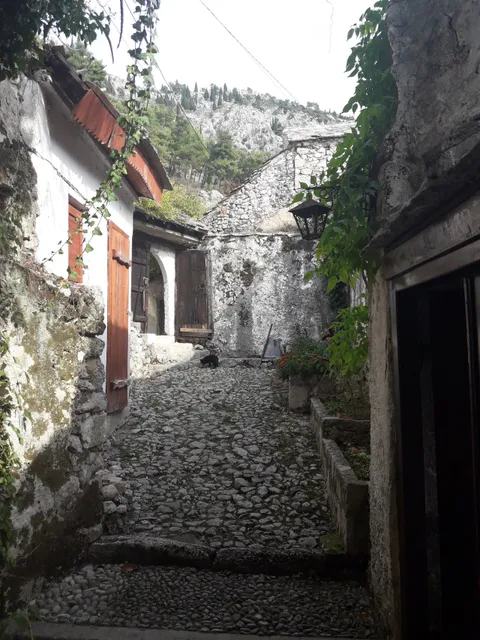
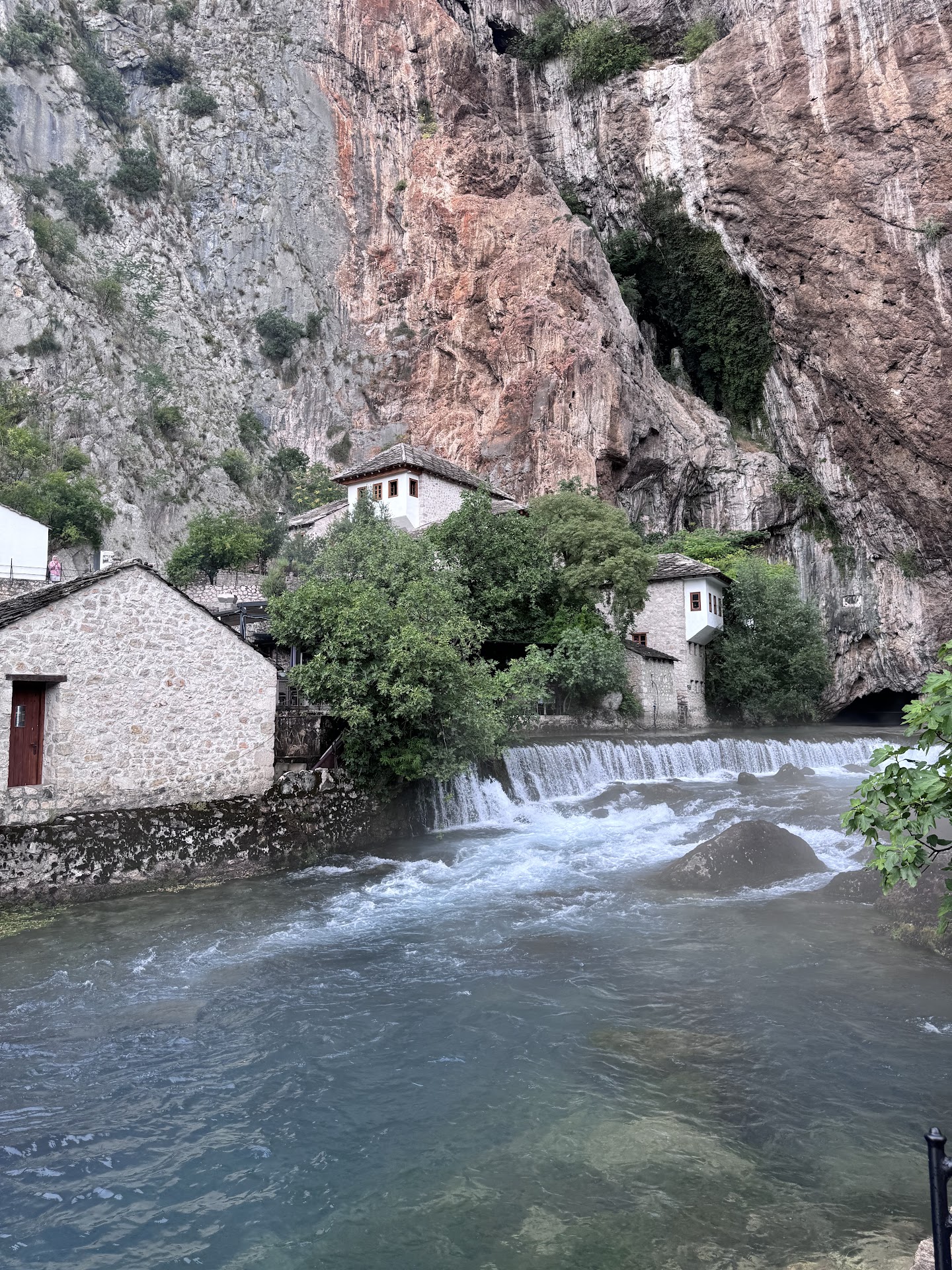
I can't believe I finally made it to see Blagaj Tekija. Upon arriving, the first thing you do is park your car, which costs 2€. From there, it's a pleasant five-minute walk by the river to reach Blagaj Tekija. The walk itself is quite enjoyable, as you pass by various small vendors selling fresh fruits, juices, and gift items. These local stalls add to the charm and provide a great opportunity to pick up some refreshments or souvenirs.
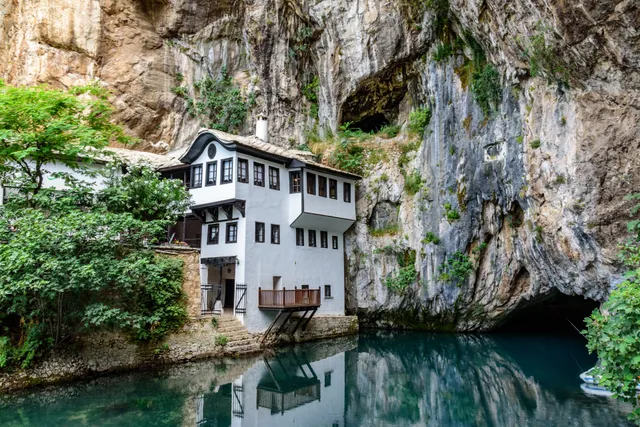
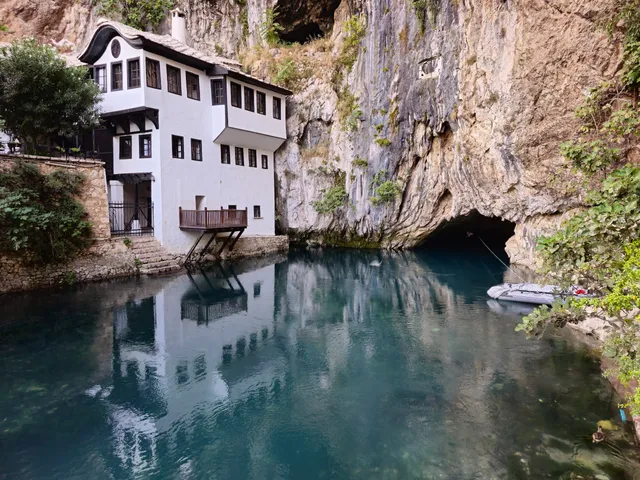
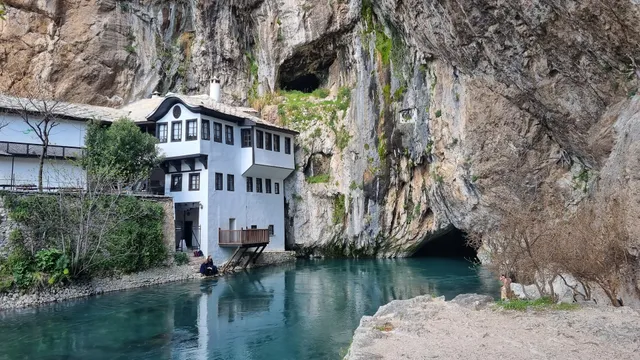
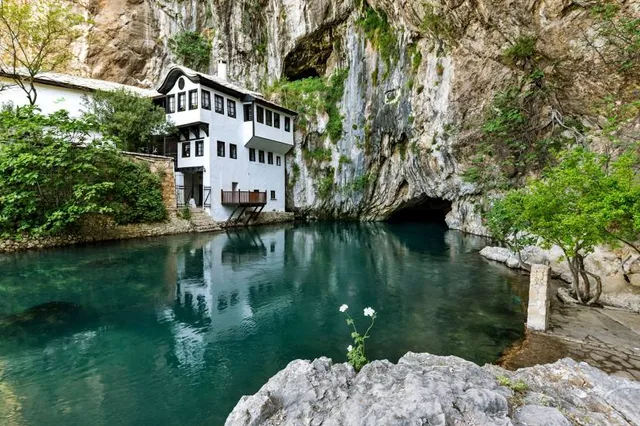
The entrance fee to Blagaj Tekija is currently 5€, which is quite reasonable considering the unique experience it offers. Blagaj Tekija is a historic Dervish monastery situated at the source of the Buna River, and it’s a sight to behold. The serene atmosphere, combined with the striking architecture and natural beauty, makes it a truly special place.
There are numerous restaurants along the river, offering a perfect spot to relax and enjoy a meal with a view. The riverside dining experience is enhanced by the tranquil sound of flowing water and the lush surroundings. Whether you want to try local Bosnian cuisine or just have a drink, these restaurants provide a wonderful setting.
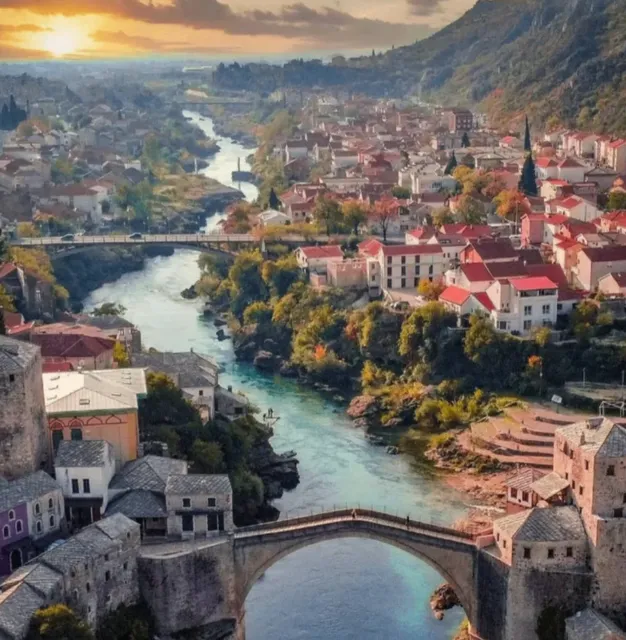
If you are in the city of Mostar, a visit to Blagaj Tekija is well worth the trip. The combination of natural beauty, historical significance, and local culture makes it a must-see attraction. It’s a place where you can take a step back in time and immerse yourself in the peaceful and spiritual ambiance of the Dervish house.
Overall, Blagaj Tekija exceeded my expectations and left a lasting impression. It’s a destination that I highly recommend to anyone traveling in the area. The experience of walking by the river, exploring the monastery, and enjoying the local vendors and restaurants makes it a...
Read moreThe Tekke(khanqah, dervish house), set at the source of the river Buna, was and still is a venue for dervish Zikr praise-chanting three nights weekly.
Built at the site of an earlier Bogomil sanctuary, it is a place of which history has no precise and stored data.
Archeological excavations have found and confirmed that this location holds the remains of a Late Antique structure. During the Middle Ages, even before the arrival of the Ottomans, it was a place of utter cultural and religious importance (1. VI 1454.). The first written track of the Tekke was made by Evlija Celebija in 1664. in his travelogues, at time when the Tekke was already well-known throughout the Ottoman empire and within the scientific community.
Throughout its history the housing complex next to the Tekija was rebuilt and redecored on multiple occasions. The Tekija was actively open until its last shaykh Sejdo Sehovic died in 1925.
After the Second World War, activities of the dervishes and the Tekke i Bosnia and Herzegovina were officially banned. Until early 70s, the Tekija was managed by the National Museum of B&H. Since then until 1974. it was officially without a trustee, after which time the Islamic Community, with no previous government consent, started using and protecting it from further delapidation. By reviving the tradition of the pilgrimage site, the common annual Mawlid (religious celebration of the birth of prophet Mohammad S.a.v.s.), the Tekke started reestablishing its previous importance. The last reconstruction of the Tekke was done in 2013. and a year later, in 2012. the completely destroyed housing complex – musafirhana (guest house) at its entrance were reconstructed as well.
Source:...
Read moreTekija is a historic Dervish monastery located in the village of Blagaj, near Mostar in Bosnia and Herzegovina. Perched at the base of a towering cliff beside the Buna River, Tekija is a unique architectural gem that showcases the region's rich cultural and religious heritage.
The monastery was originally built in the 16th century during the Ottoman era and served as a gathering place for Sufi dervishes, who followed a mystical form of Islam. The striking location of Tekija, nestled beneath a steep rock wall with the emerald waters of the Buna River flowing nearby, adds to its mystique and spiritual ambiance.
The architectural style of Tekija blends elements of Ottoman and Mediterranean design, featuring whitewashed walls, arched doorways, and a tranquil courtyard shaded by lush greenery. The interior of the monastery includes prayer rooms adorned with traditional rugs and calligraphy, reflecting the spiritual practices of the dervishes who once inhabited the site.
Today, Tekija remains a symbol of Bosnia's religious diversity and cultural heritage. Visitors can explore the monastery, marvel at its unique setting, and learn about the Sufi tradition that flourished in the region centuries ago. The nearby Buna Spring, one of the largest karst springs in Europe, adds to the natural beauty of the surroundings, making Blagaj a popular destination for those seeking a blend of history, spirituality, and scenic landscapes.
Blagaj Tekija serves as a reminder of Bosnia's multicultural past, where different faiths and traditions coexisted harmoniously, leaving behind architectural marvels like Tekija that continue to captivate visitors with their beauty and historical...
Read more