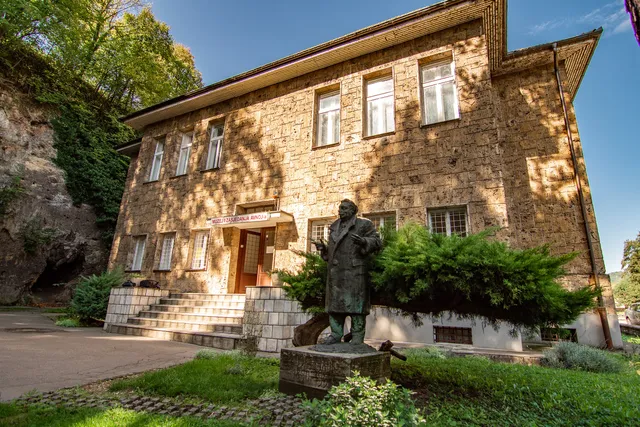
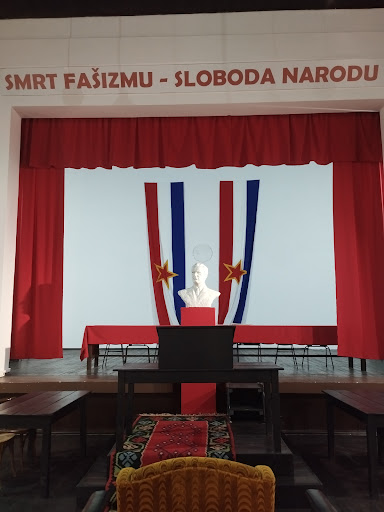
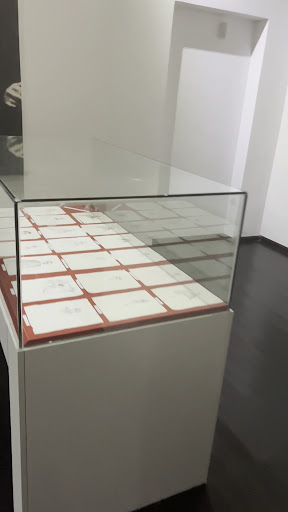
This museum was great! The history of the museum itself is very interesting and it is amazing to see that it has been restored after all that it has been through. The basement has great art. I loved seeing the sketches and how they brought scenes to life with just a few pencil strokes. There are also more detailed portraits and newspaper clippings. The latter unfortunately have no translation but google translate'll do the trick. The top floor was also very interesting, with more paintings along the staircase. The idea of the museum as a permanent conference was very interesting, I rarely come across things like this in musea, it takes its visitors seriously and invites them to think, rather than telling them what to believe. There's more info about the history of the museum here and what its role is. The main hall has some information about the six different republics. Some had (partial) translations and some didn't. There are some portraits by Kun on the walls, I think they are originals! There's also a video room in the back, although I didn't understand the video as I don't speak the language. It's not an art museum, but I found myself fascinated with how art was seemingly used to document the conference, and a lot of it is stylistically very pleasing! I think it could be good inspiration also for everyone who makes their own art. It's not a big museum but the entry fee isn't large either. Keeping (the memory of) anti-fascism alive is incredibly important work! A must-visit in jajce...
Read moreGreat museum, very beautifully decorated with lots of interesting information. The top floor offers some interesting discussion on the remembrance of political history, some basic information and a good view. The main floor has some artifacts to show and information on the antifascist movement in every Yugo Republic. English translations available, but some translations could be improved. The basement shows us drawing and art of the people that attended the antifascist conference. The art is of great quality. The museum is reasonably priced, shows a past that dreamed of a better future, which sadly failed to materialize (yet!). Toilets had no lock on the door and no...
Read moreMuzej AVNOJ-a u Jajcu osnovan je 1953. godine kao centralna, jugoslavenska, muzejska, memorijalna institucija. Dom AVNOJ-a u Jajcu sa pokretnom imovinom koju sačinjavaju: portreti Tita, Staljina, Ruzvelta i Čerčila je nacionalni spomenik BiH. Muzej je smješten u nekadašnjoj zgradi Sokolskog društva, izgrađenog 1934. godine po projektu beogradskog arhitekte Momira Korunovića, na desnoj obali rijeke Plive, u neposrednoj blizini vodopada. Po započinjanju II svjetskog rata, okupatorske su vlasti u pomenutom objektu vršile skupljanje i teror nad stanovništvom. Najčešće je to bilo srpsko stanovništvo iz područja Bosanske krajine. Pri svom povlačenju iz Jajca 1942. godine, partizanske su jedinice zapalile objekat. Tom prilikom izgorjela je kompletna unutrašnjost objekta i drvena konstrukcija krova. Uoči historijskog zasjedanja AVNOJ-a objekat je obnovljen. Na uređenju enterijera radio je poznati slikar Đorđe Andrejević Kun. U ovom objektu se dana 29. i 30. novembra 1943. godine održalo II zasjedanje Antifašističkog vijeća narodnog oslobođenja Jugoslavije (AVNOJ) uz učešće 142 vijećnika. Nakon završetka rata, objekat je ponovno obnovljen 1947. i 1953. Godine. Muzeju Drugog zasjedanja AVNOJ-a pridružena je i muzejska zbirka formirana 1930. godine koja je do tada bila smještena u Franjevačkom samostanu u Jajcu. Prva stalna postavka Muzeja, otvorena je 18. februara 1959. godine, a kasnije je imala nekoliko dorada. Tokom rata 1992-1995. depoi Muzeja opljačkani su od strane nepoznatih počinilaca. Zgrada je obnovljena zahvaljujući udruženjima antifašista iz republika bivše Jugoslavije, prvenstveno Udruženju antifašista iz Slovenije, te Ministarstvu kulture i sporta Federacije BiH i Ministarstva civilnih poslova BiH. Nakon toga osnovana je 2007. godine Javna Ustanova „Muzej II zasjedanja AVNOJ-a“. Muzej je ponovo otvoren za posjetioce 29. novembra 2008. godine. Jedan je od najposjećenijih muzeja u Bosni i Hercegovini, sa godišnjom posjetom oko 20.000...
Read more