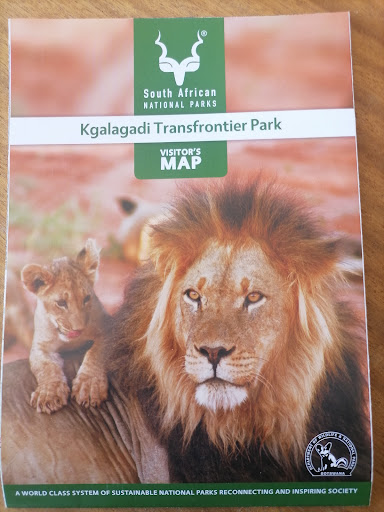
Kgalagadi Transfrontier Park is one of southern Africa’s most awe-inspiring conservation areas, straddling the border between South Africa and Botswana. Viewing the park through a detailed map offers an incredible glimpse into its sprawling, semi-arid beauty and ecological richness. As you explore the map, the vastness of the park immediately strikes you—over 3.6 million hectares of protected land filled with red sand dunes, dry riverbeds, and sparse, thorny vegetation.
The map reveals a carefully laid-out network of roads and 4x4 trails, particularly concentrated along the Nossob and Auob riverbeds. These two fossil rivers are the lifeblood of game viewing in the park. On the map, they run in parallel lines from the southern part of the park northward into the heart of the Kalahari. It’s along these routes that most camps, picnic sites, and waterholes are marked. These landmarks are essential for planning self-drive safaris and locating wildlife hotspots.
Looking closer, one can appreciate how strategically the camps are spread out. The main South African entrance at Twee Rivieren is clearly labeled and serves as the administrative hub, complete with fuel, accommodation, and even a small shop. Further north, the map displays Mata-Mata Camp on the western flank near the Namibian border and Nossob Camp to the northeast. Both are well-equipped rest camps and ideal for breaking up longer stays. Smaller wilderness camps like Kieliekrankie, Urikaruus, and Grootkolk are also noted, showing the park’s mix of comfort and remoteness.
The map highlights specific waterholes which are marked with icons, a useful feature for wildlife enthusiasts. These spots are particularly rewarding in the dry season when animals gather for a drink. Predator sightings—especially black-maned Kalahari lions, cheetahs, and hyenas—are common here. Additionally, the map provides terrain elevations and road conditions, helping travelers distinguish between gravel, sand, and 4x4-only tracks.
Another notable feature on the map is the clear delineation between the South African side and the Botswana side of the park. The Botswanan section is less developed and mostly accessed by true 4x4 adventurers via remote wilderness camps such as Polentswa and Rooiputs, which are also clearly labeled. The international boundary shown on the map adds a layer of intrigue—it’s one of the few parks in the world where conservation truly crosses borders without fences.
What’s particularly satisfying about the map is how it manages to convey both the immensity and detail of the park. It captures the stark beauty of the desert landscape and the dynamic flow of life within it. Whether you are a seasoned visitor or a first-time explorer planning your route, this map serves not just as a navigation tool but as a visual introduction to one of Africa’s last truly...
Read more

 Learn more insights from Wanderboat AI.