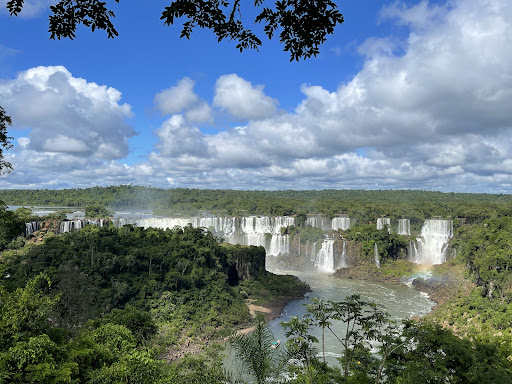
As Cataratas do Iguaçu, na fronteira entre Brasil, Argentina e Paraguai, são uma das maravilhas naturais mais impressionantes do mundo. Esse conjunto de 275 quedas d’água no Rio Iguaçu estende-se por quase 3 quilômetros, com alturas que chegam a 82 metros, formando um espetáculo visual extraordinário. Tanto o lado brasileiro quanto o argentino são Patrimônios Mundiais da UNESCO, e a atração é uma das mais visitadas da América Latina, representando uma experiência singular para os amantes da natureza.
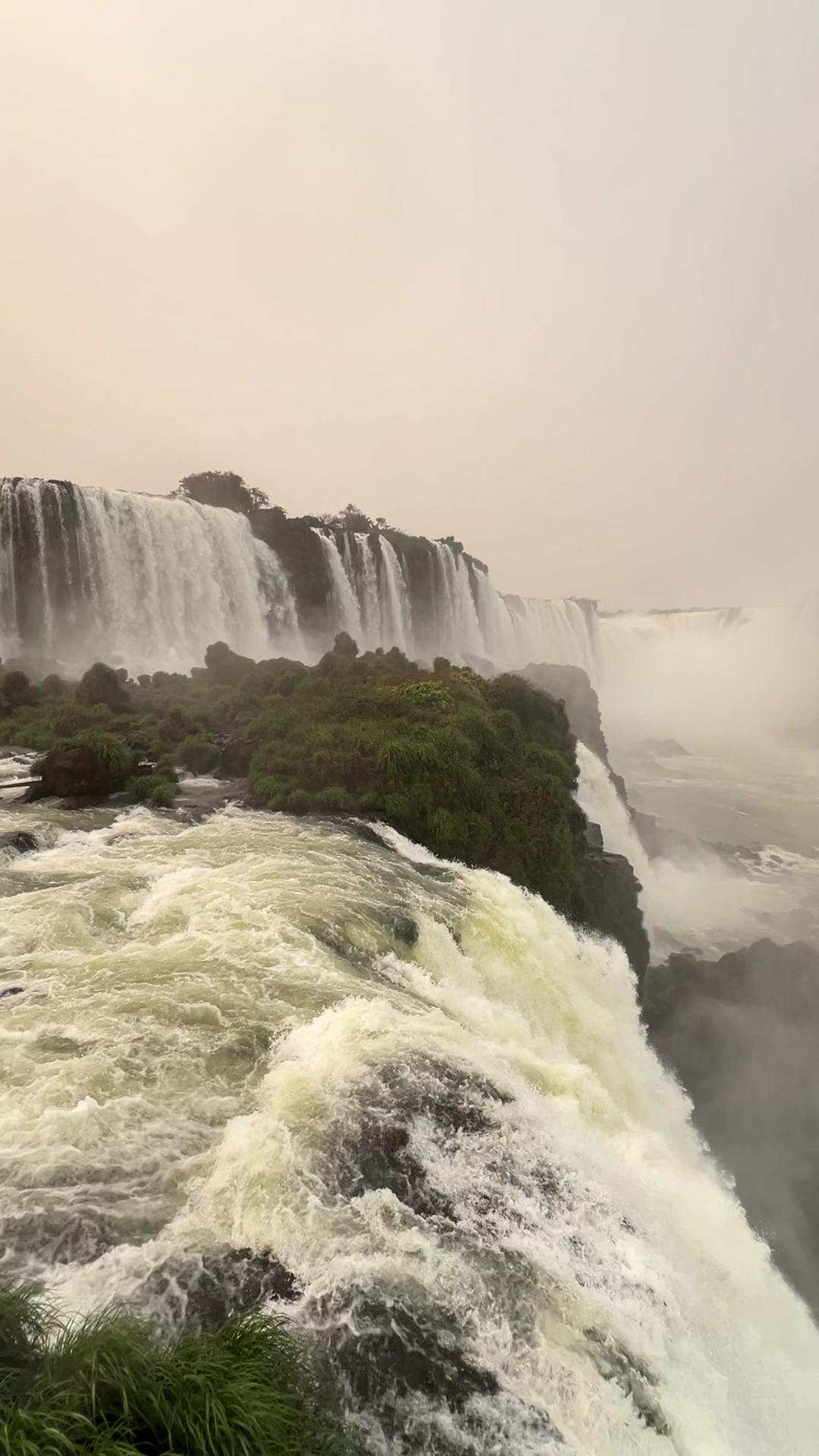
O acesso às cataratas pode ser feito pelo Parque Nacional do Iguaçu, em Foz do Iguaçu (Brasil), ou pelo Parque Nacional Iguazú, em Puerto Iguazú (Argentina). O lado brasileiro destaca-se pela estrutura que facilita o turismo, com trilhas adaptadas, mirantes panorâmicos e ônibus ecológicos que atendem a um grande fluxo de visitantes. É ideal para quem busca uma visita mais rápida, mas igualmente marcante. O lado argentino permite uma experiência mais próxima das quedas, com trilhas que levam até o topo das cataratas e uma passarela que conduz à famosa Garganta do Diabo, onde se sente a força da água a poucos metros. Essa imensa queda em formato de “U” é a mais impressionante de todas, com 80 metros de altura e um volume de água que cria uma nuvem de vapor visível de longe.
A estrutura do parque no lado brasileiro é acessível para pessoas com mobilidade reduzida, com rampas, elevadores e transporte adaptado. Os mirantes principais foram projetados para permitir que todos tenham uma experiência confortável e segura, incluindo famílias, idosos e pessoas com necessidades especiais. Além disso, guias e sinalizações em vários idiomas ajudam a tornar a experiência mais inclusiva para turistas de diferentes nacionalidades.
As quedas d’água causam um impacto visual e sensorial impressionante. O estrondo das águas, o vapor que sobe das quedas e os arco-íris formados pela luz solar criam uma atmosfera quase mística. Além dos mirantes e trilhas, os visitantes podem optar por atividades emocionantes, como o Macuco Safari, um passeio de barco que leva até a base das quedas e proporciona um contato direto com a força das águas, molhando completamente os turistas. Para quem busca uma vista ainda mais privilegiada, os passeios de helicóptero sobrevoam a área, oferecendo uma perspectiva única.
O Parque Nacional do Iguaçu é um ecossistema diverso e rico em biodiversidade, com espécies ameaçadas, como a onça-pintada, o jacaré-de-papo-amarelo e a anta. Durante a visita, é comum ver aves exóticas, borboletas, quatis e, com sorte, alguns mamíferos. A vegetação da Mata Atlântica é exuberante e reforça o caráter único da região, criando um ambiente onde o turismo se mistura com a conservação ambiental. A presença dessa biodiversidade oferece uma experiência educativa, pois evidencia a importância da preservação e os impactos das ações humanas sobre o meio ambiente.
Para preservar o ecossistema e reduzir o impacto ambiental, o Brasil e a Argentina adotam práticas de turismo sustentável nas cataratas. Limites de visitantes, trilhas ecológicas e veículos menos poluentes ajudam a reduzir danos à natureza. As receitas de bilheteria contribuem para projetos de preservação e manutenção da infraestrutura, garantindo que as gerações futuras também possam apreciar essa maravilha natural.
As Cataratas também possuem valor cultural significativo, simbolizando a diversidade e a união dos povos da tríplice fronteira. A proximidade entre Brasil, Argentina e Paraguai torna Foz do Iguaçu um polo multicultural. A cidade apresenta uma rica variedade de culturas, que se refletem na gastronomia, misturando sabores dos três países, e na convivência de comunidades de diferentes origens, como árabes, chineses, italianos e alemães, o que enriquece o ambiente cultural local.
O parque prova que é possível aliar turismo e conservação.
As Cataratas expressam a força e a grandiosidade da natureza, a combinação de uma paisagem única , atividades emocionantes e uma estrutura bem planejada faz desse destino um tesouro natural merecedor de sua fama e...
Read more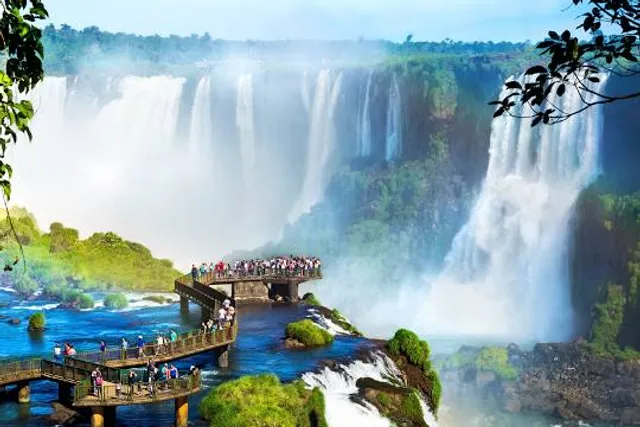


 Learn more insights from Wanderboat AI.