HTML SitemapExplore

Parque Indígena do Xingu — Attraction in Região Geográfica Imediata de Confresa - Vila Rica

Name
Parque Indígena do Xingu
Description
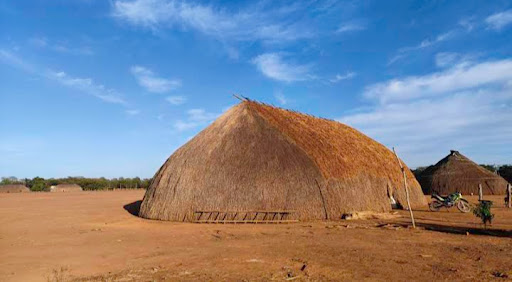
The Xingu Indigenous Park is an indigenous territory of Brazil, first created in 1961 as a national park in the state of Mato Grosso, Brazil. Its official purposes are to protect the environment and the several nations of Xingu Indigenous peoples in the area.
Nearby attractions
Nearby restaurants
Nearby local services
Nearby hotels
Related posts
Keywords
Parque Indígena do Xingu tourism.Parque Indígena do Xingu hotels.Parque Indígena do Xingu bed and breakfast. flights to Parque Indígena do Xingu.Parque Indígena do Xingu attractions.Parque Indígena do Xingu restaurants.Parque Indígena do Xingu local services.Parque Indígena do Xingu travel.Parque Indígena do Xingu travel guide.Parque Indígena do Xingu travel blog.Parque Indígena do Xingu pictures.Parque Indígena do Xingu photos.Parque Indígena do Xingu travel tips.Parque Indígena do Xingu maps.Parque Indígena do Xingu things to do.
Parque Indígena do Xingu things to do, attractions, restaurants, events info and trip planning
Parque Indígena do Xingu
BrazilMato GrossoRegião Geográfica Imediata de Confresa - Vila RicaParque Indígena do Xingu

Basic Info

Parque Indígena do Xingu

São Félix do Araguaia, State of Mato Grosso, 78670-000, Brazil
4.4(38)
Open 24 hours
Save
spot

Ratings & Description

Info

The Xingu Indigenous Park is an indigenous territory of Brazil, first created in 1961 as a national park in the state of Mato Grosso, Brazil. Its official purposes are to protect the environment and the several nations of Xingu Indigenous peoples in the area.

Cultural
Outdoor
Adventure
Scenic
Family friendly
Off the beaten path
attractions: , restaurants: , local businesses:
logoLearn more insights from Wanderboat AI.

Plan your stay

hotel
Pet-friendly Hotels in Região Geográfica Imediata de Confresa - Vila Rica
Find a cozy hotel nearby and make it a full experience.
hotel
Affordable Hotels in Região Geográfica Imediata de Confresa - Vila Rica
Find a cozy hotel nearby and make it a full experience.
hotel
The Coolest Hotels You Haven't Heard Of (Yet)
Find a cozy hotel nearby and make it a full experience.
hotel
Trending Stays Worth the Hype in Região Geográfica Imediata de Confresa - Vila Rica
Find a cozy hotel nearby and make it a full experience.

Reviews

Get the Appoverlay
Get the AppOne tap to find yournext favorite spots!
Wanderboat LogoWanderboat

Your everyday Al companion for getaway ideas

CompanyAbout Us
InformationAI Trip PlannerSitemap
SocialXInstagramTiktokLinkedin
LegalTerms of ServicePrivacy Policy

Get the app

© 2025 Wanderboat. All rights reserved.

Reviews of Parque Indígena do Xingu

4.4
(38)
avatar
4.0
1y

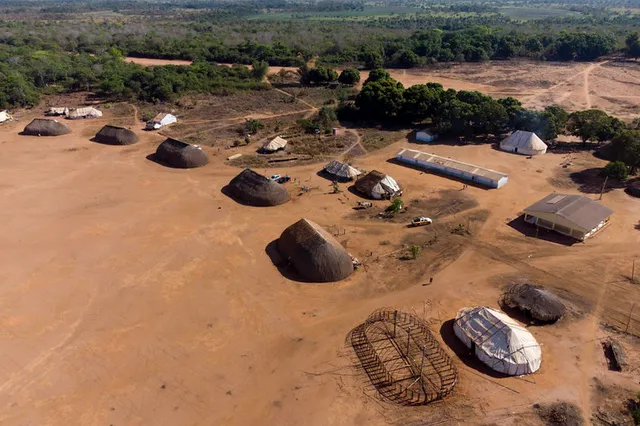
The Xingu Indigenous Park is an indigenous territory in Brazil, first created in 1961 to protect the environment and the several nations of Xingu Indigenous peoples in the area. The Upper Xingu region was heavily populated prior to European and African contact, with densely populated settlements developing from 1200 to 1600 CE. The area featured a network of roads and polities, with villages that were pre-planned and featured circular plazas. Archaeologists have unearthed 19 villages so far. The park is home to 14 indigenous languages belonging to 5 different language families, including the language isolate Trumai. The indigenous languages spoken in the southern part of the park (Upper Xingu) are Arawakan, Cariban, and Tupian languages, while the northern part (Lower Xingu) is home to Trumai, Jê, Tupian, and Cariban languages. There are approximately 50 indigenous villages in the park, belonging to various ethnic groups such as the Aweti, Kalapalo, Kuikuro, and others.  The Kuikuro are currently the most populous people of the upper Xingu. The Xingu Indigenous Park was created after a campaign by the Villas-Bôas brothers for the protection of the region. An account of the exploration of this area by the Villas-Bôas brothers and their efforts to protect the region is documented in the film Xingu (2011) and in the book by John Hemming, People of the Rainforest: The Villas Boas Brothers, Explorers and Humanitarians of the Amazon (2019). The park is located in the state of Mato Grosso, Brazil, and its official purposes are to protect the environment and the several nations of Xingu Indigenous peoples...

   Read more
avatar
5.0
3y

El parque indígena Xingu es una reserva indígena situada en el estado de Mato Grosso, Brasil. Cuenta con una superficie de 27.000 kilómetros cuadrados y da albergue a 5.500 indígenas de catorce etnias. Fue creado en 1961.El parque indígena Xingu (antiguo «Parque nacional indígena Xingu») fue creado en 1961 por Jânio Quadros, entonces presidente de Brasil, estableciendo la primera reserva indígena aprobada por el gobierno federal. Sus principales fundadores fueron los hermanos Villas Boas, pero quién redactó el proyecto fue el antropólogo y un funcionario del Servicio de Protección al Indio, Darcy Ribeiro. Aldea camaiurá en el interior del parque. El área del parque, que cuenta con más de 27.000 kilómetros cuadrados (aproximadamente 2,8 millones de acres, incluyendo las tierras indígenas y Batovi Wawi), se localiza al norte del estado de Mato Grosso, una zona de transición entre las tierras altas centrales y la Selva Amazónica. La región, a través de su suelo, donde predominan bosques altos intercalados con sabanas y campos, se corta por los formadores del río Xingu, y por sus primeros afluentes a derecha e izquierda. Entrenadores cursos son Kuluene, Tanguro Kurisevo y Ronuro - Kuluene asume el nombre de Xingu de la boca de Ronuro, en un lugar conocido por los nativos como Mÿrená (Morena). Los afluentes son los ríos Suiá micu, Maritsauá micu, Auaiá micu, Uaiá micu y Jarina cerca de la cascada Von Martius.

Actualmente viven en la reserva aproximadamente 5.500 indígenas de catorce etnias diferentes pertenecientes a las cuatro troncos lingüísticos indios principales de Brasil: Caribe, Arawak, Tupi y Macro-Je. Los centros de estudio, entre ellos la UNESCO, consideran esta zona como el mosaico lingüístico puro más hermoso del país. Las tribus que viven en la región son: cuicuros, kalapalo, nauquás, matipus, icpengues (todo el tronco lingüístico Caribe), meinacos, uaurás, iaualapitis (tronco lingüístico Arawak), auetis, camaiurás, jurunas, caiabis (tronco lingüístico tupí), trumai (lengua aislada), suiás (macro-tallo lingüístico Ge); todavía tienen ya vivían en la zona del parque de la Panará (akarore-kreen), los menbengokrês (Kayapo) y tapaiunas (labio-andadores).

Creado como Parque Nacional Xingu, más tarde rebautizado como Parque Indígena de Xingu en 1961, Orlando Villas-Bôas fue nombrado su director gerente. En el ejercicio de esta función podría mejorar la atención a los indígenas, garantizar la protección de la fauna y flora de la región y rediseñar los centros de servicio. A pesar de que el gerente del parque, Orlando Villas-Bôas favoreció la realización de estudios de etnología, etnografía y lingüística investigadores como universidades extranjeras no solo nacionales. También se autoriza a la filmación de documentales de la vida india, dio origen a una colección audiovisual valioso. Las obras épicas de los hermanos Villas Boas es uno de los episodios más importantes y controvertidos de la antropología brasileña y la historia indígena. El diseño del Parque Indígena del Xingu, los costos de su aplicación y sus consecuencias drásticas, el constante ataque de los madereros y terratenientes y las políticas indígenas del estado brasileño son importantes para reflexionar sobre el significado de la...

   Read more

avatar
5.0
48w

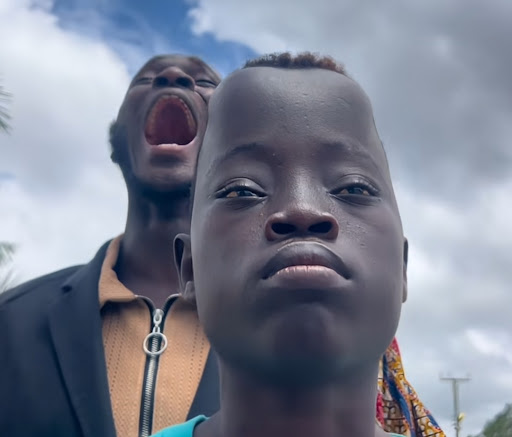
Gente saudável, bem humorada. Crianças felizes e brincalhonas. Mulheres trabalhadoras e homens bons pescadores, caçadores, agricultores e construtores. Adultos garantindo o sustento e a segurança de suas famílias e de toda...

   Read more
Page 1 of 6
Previous
Next

Posts

Mayank RohitMayank Rohit
The Xingu Indigenous Park is an indigenous territory in Brazil, first created in 1961 to protect the environment and the several nations of Xingu Indigenous peoples in the area. The Upper Xingu region was heavily populated prior to European and African contact, with densely populated settlements developing from 1200 to 1600 CE. The area featured a network of roads and polities, with villages that were pre-planned and featured circular plazas. Archaeologists have unearthed 19 villages so far. The park is home to 14 indigenous languages belonging to 5 different language families, including the language isolate Trumai. The indigenous languages spoken in the southern part of the park (Upper Xingu) are Arawakan, Cariban, and Tupian languages, while the northern part (Lower Xingu) is home to Trumai, Jê, Tupian, and Cariban languages. There are approximately 50 indigenous villages in the park, belonging to various ethnic groups such as the Aweti, Kalapalo, Kuikuro, and others.  The Kuikuro are currently the most populous people of the upper Xingu. The Xingu Indigenous Park was created after a campaign by the Villas-Bôas brothers for the protection of the region. An account of the exploration of this area by the Villas-Bôas brothers and their efforts to protect the region is documented in the film Xingu (2011) and in the book by John Hemming, People of the Rainforest: The Villas Boas Brothers, Explorers and Humanitarians of the Amazon (2019). The park is located in the state of Mato Grosso, Brazil, and its official purposes are to protect the environment and the several nations of Xingu Indigenous peoples in the area.
arip rahmanarip rahman
Tidak ada yang menjual seblak disini , akan lebih baik jika masyarakat disini belajar cara membuat seblak dan memulai untuk menjualnya ..
Atok CeretAtok Ceret
Disini gak ada yang jualan donat ya Laku gak ya kalau saya jualan donat disini
See more posts
See more posts
hotel
Find your stay

Pet-friendly Hotels in Região Geográfica Imediata de Confresa - Vila Rica

Find a cozy hotel nearby and make it a full experience.

The Xingu Indigenous Park is an indigenous territory in Brazil, first created in 1961 to protect the environment and the several nations of Xingu Indigenous peoples in the area. The Upper Xingu region was heavily populated prior to European and African contact, with densely populated settlements developing from 1200 to 1600 CE. The area featured a network of roads and polities, with villages that were pre-planned and featured circular plazas. Archaeologists have unearthed 19 villages so far. The park is home to 14 indigenous languages belonging to 5 different language families, including the language isolate Trumai. The indigenous languages spoken in the southern part of the park (Upper Xingu) are Arawakan, Cariban, and Tupian languages, while the northern part (Lower Xingu) is home to Trumai, Jê, Tupian, and Cariban languages. There are approximately 50 indigenous villages in the park, belonging to various ethnic groups such as the Aweti, Kalapalo, Kuikuro, and others.  The Kuikuro are currently the most populous people of the upper Xingu. The Xingu Indigenous Park was created after a campaign by the Villas-Bôas brothers for the protection of the region. An account of the exploration of this area by the Villas-Bôas brothers and their efforts to protect the region is documented in the film Xingu (2011) and in the book by John Hemming, People of the Rainforest: The Villas Boas Brothers, Explorers and Humanitarians of the Amazon (2019). The park is located in the state of Mato Grosso, Brazil, and its official purposes are to protect the environment and the several nations of Xingu Indigenous peoples in the area.
Mayank Rohit

Mayank Rohit

hotel
Find your stay

Affordable Hotels in Região Geográfica Imediata de Confresa - Vila Rica

Find a cozy hotel nearby and make it a full experience.

Get the Appoverlay
Get the AppOne tap to find yournext favorite spots!
Tidak ada yang menjual seblak disini , akan lebih baik jika masyarakat disini belajar cara membuat seblak dan memulai untuk menjualnya ..
arip rahman

arip rahman

hotel
Find your stay

The Coolest Hotels You Haven't Heard Of (Yet)

Find a cozy hotel nearby and make it a full experience.

hotel
Find your stay

Trending Stays Worth the Hype in Região Geográfica Imediata de Confresa - Vila Rica

Find a cozy hotel nearby and make it a full experience.

Disini gak ada yang jualan donat ya Laku gak ya kalau saya jualan donat disini
Atok Ceret

Atok Ceret

See more posts
See more posts