Cathedral of Brasília things to do, attractions, restaurants, events info and trip planning
Basic Info
Cathedral of Brasília
Esplanada dos Ministérios - Plano Piloto, Brasília - DF, 70050-000, Brazil
4.8(190)
Open until 4:30 PM
Save
spot
spot
Ratings & Description
Info
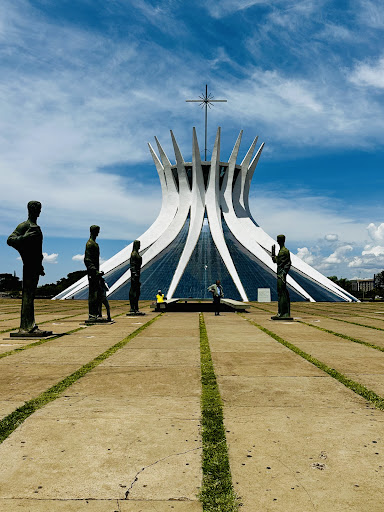
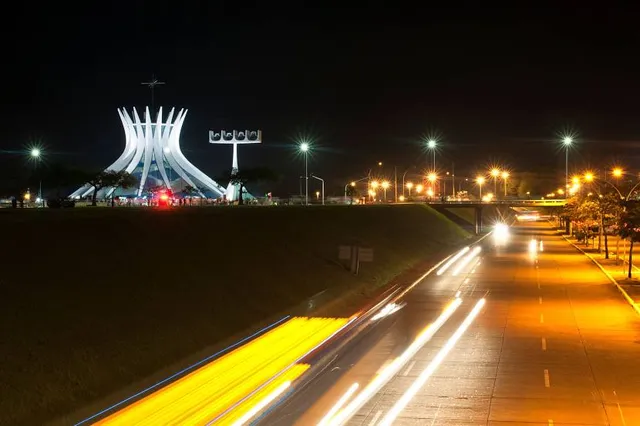
The Cathedral of Brasília is the Roman Catholic cathedral serving Brasília, Brazil, and serves as the seat of the Archdiocese of Brasília. It was designed by Brazilian architect Oscar Niemeyer and engineered by Brazilian structural engineer Joaquim Cardozo, and was completed and dedicated on May 31, 1970.
Cultural
Accessibility
attractions: MUSEU Nacional da República, Palácio Itamaraty, Museu Histórico da OAB, restaurants: Restaurante Farofina, ORIGINAL, Garfo de Ouro, Restaurante Mana, Ambar, Tenda do Chen Yakissoba, China In Box, Kálice Restaurante, Restaurante Mistura Fina, Capital Grill, local businesses:
 Learn more insights from Wanderboat AI.
Phone
+55 61 3224-4073
Website
catedral.org.br
Open hoursSee all hours
Wed8 AM - 4:30 PMOpen
Plan your stay

Pet-friendly Hotels in Região Geográfica Imediata do Distrito Federal
Find a cozy hotel nearby and make it a full experience.

Affordable Hotels in Região Geográfica Imediata do Distrito Federal
Find a cozy hotel nearby and make it a full experience.

The Coolest Hotels You Haven't Heard Of (Yet)
Find a cozy hotel nearby and make it a full experience.

Trending Stays Worth the Hype in Região Geográfica Imediata do Distrito Federal
Find a cozy hotel nearby and make it a full experience.
Reviews
Live events
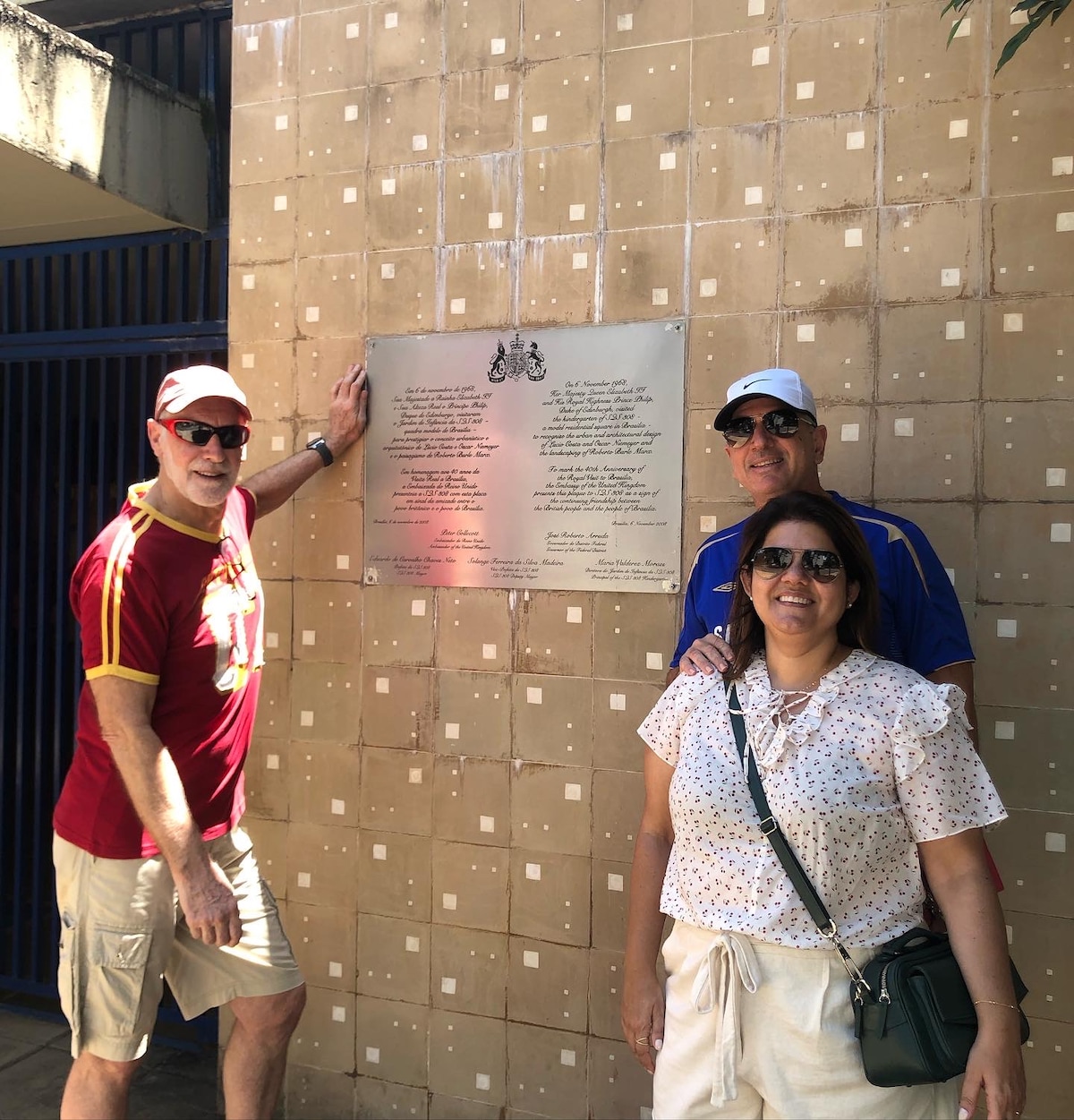
Explore the superquadra model 308 south
Sat, Jan 31 • 5:00 PM
Brasília, Federal District, 70355-000, Brazil
View details

Discover cool bars in Brasilia
Sat, Jan 31 • 7:30 PM
Brasília, Federal District, 70655-775, Brazil
View details
Nearby attractions of Cathedral of Brasília
MUSEU Nacional da República
Palácio Itamaraty
Museu Histórico da OAB
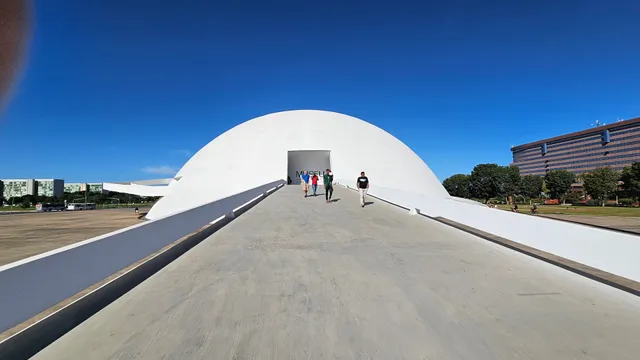
MUSEU Nacional da República
4.5
(4.7K)
Open until 6:30 PM
Click for details
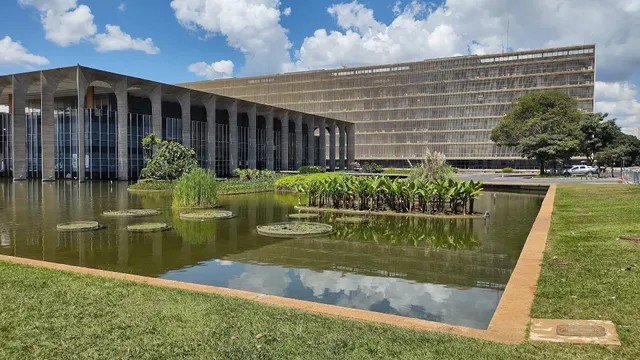
Palácio Itamaraty
4.7
(673)
Open until 6:00 PM
Click for details
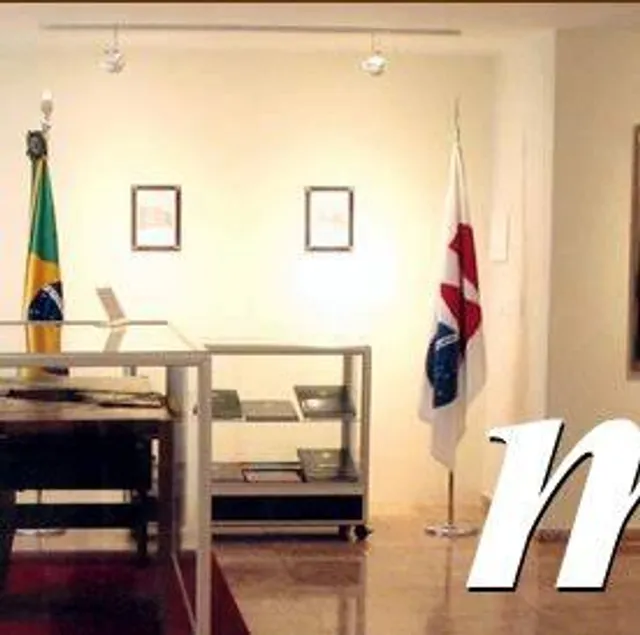
Museu Histórico da OAB
4.4
(32)
Open until 6:00 PM
Click for details
Nearby restaurants of Cathedral of Brasília
Restaurante Farofina
ORIGINAL
Garfo de Ouro
Restaurante Mana
Ambar
Tenda do Chen Yakissoba
China In Box
Kálice Restaurante
Restaurante Mistura Fina
Capital Grill
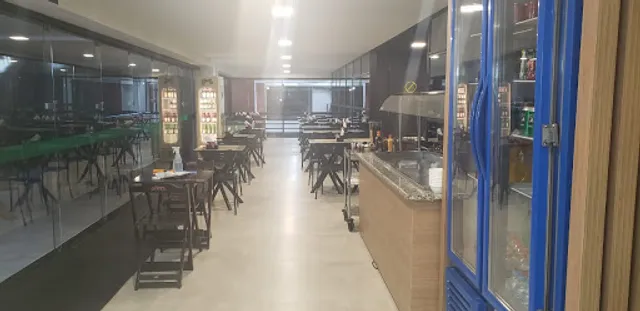
Restaurante Farofina
4.6
(54)
Open until 6:00 PM
Click for details
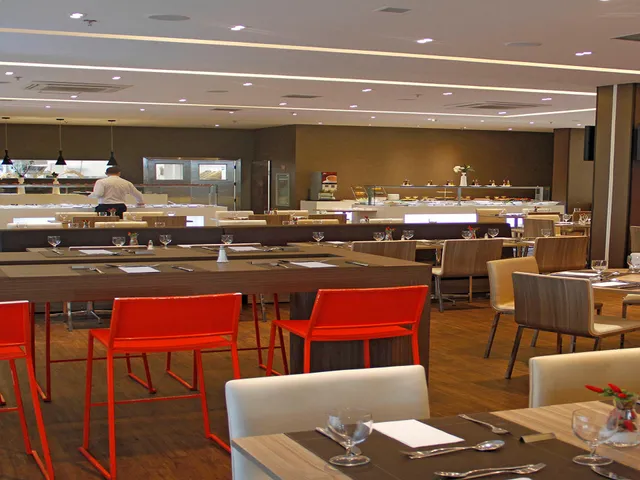
ORIGINAL
5.0
(4)
Click for details
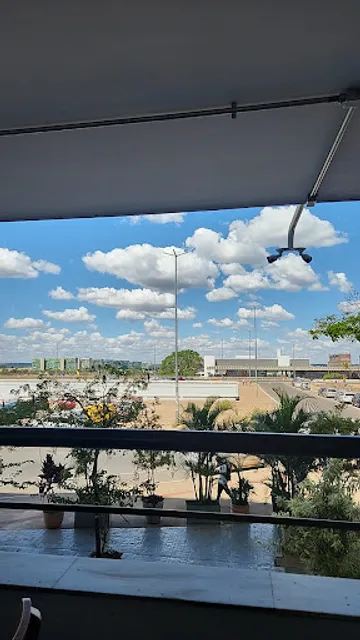
Garfo de Ouro
4.3
(13)
Open until 3:30 PM
Click for details
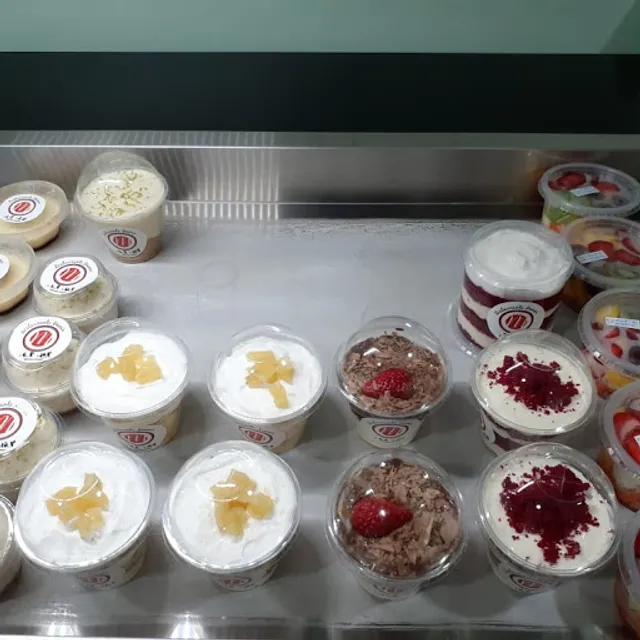
Restaurante Mana
4.9
(6)
Open until 3:00 PM
Click for details