Харесвам
Сподели:
Das Cherepish-Kloster „Uspenie Borgorodichno“ (Mariä Himmelfahrt) liegt 29km südöstlich von Vratsa, am Ufer des Iskar-Flusses.
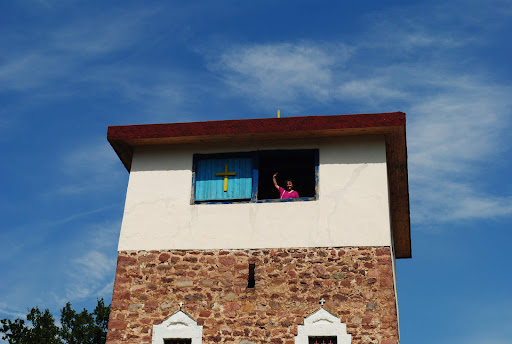
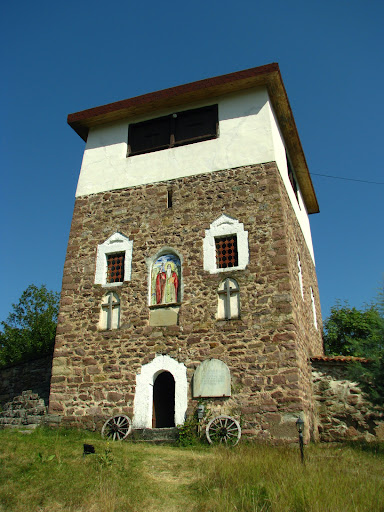
Das Kloster wurde unter Zar Ivan Shishman (Regierungszeit 1371-1395) erbaut. Einer Legende nach sei der Name des Klosters auf die Gebeine der Krieger zurückzuführen, die Ende des XVI. Jahrhunderts in der Schlacht zwischen Zar Ivan Shishman und den osmanischen Eindringlingen ihr Leben ließen (Cherep - Schädel). Ende des XVI. Jahrhunderts baut der Heilige Pimen Zografski (bulgarischer Ikonenmaler, Literaturschaffender und Kirchenbauer) das Kloster wieder auf und verwandelte es in ein Zentrum der Literatur und Geistlichkeit. 1612 wurde im Kloster das berühmte „Viererevangelium von Cherepish“ mit vergoldetem Einband gefertigt. Die aktive literarische Tätigkeit im Kloster hielt auch im XVIII. Jahrhundert an. 1784 wurde in die Felsen oberhalb des Klosters ein zweistöckiges Beinhaus gebaut, dessen Kapelle dem Heiligen Johannes dem Täufer geweiht ist.
Die Überfälle der Kardzhaliy-Banden zwangen die Mönche Ende des XVII. Jahrhunderts das Kloster vorübergehend zu verlassen, jedoch begann das Kloster 1802 erneut zu funktionieren.
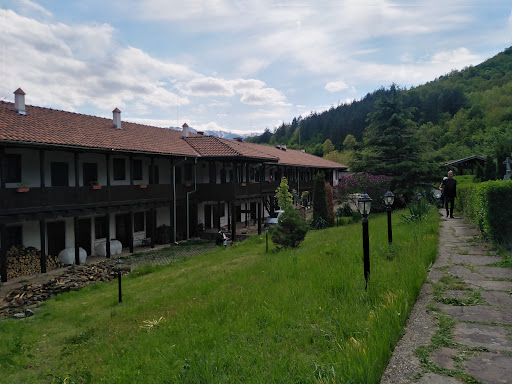
Die bis heute erhaltenen Wohnbauten wurden 1836 vom Abt Joseph erbaut. Anfang des XIX. Jahrhunderts wurde mit den Schenkungsgeldern eines reichen Türken, dessen Tochter im Kloster geheilt worden war, das s.g. Rashid-Haus errichtet, dem das Metodi- und das Danail-Haus folgten.
Im Cherepish-Kloster werden die Überreste von Wandmalereien aus dem XVI.-XVIII. sowie dem XIX. Jahrhundert aufbewahrt. Aus der gleichen Zeit ist zudem eine Ikonensammlung erhalten.
Eine Ecke in den Heiligen Räumen ist dem Volkspoeten Ivan Vazov (1850-1921) geweiht, der hier die Inspiration für viele seiner Werke erfuhr, u.a. „Großvater Yotso schaut“ und „Eine Bulgarin“.
Das Cherepish-Kloster ist ein funktionierendes Mönchskloster. Seinen Festtag begeht es am 15. August – dem Tag der Heiligen Jungfrau Maria.
ÖFFNUNGSZEITEN
Cherepish-Kloster
Öffnungszeiten:
Ganzjährig 8:00 – 20:00 Uhr
Führungen werden von den Geistlichen in Bulgarisch abgehalten...
Read more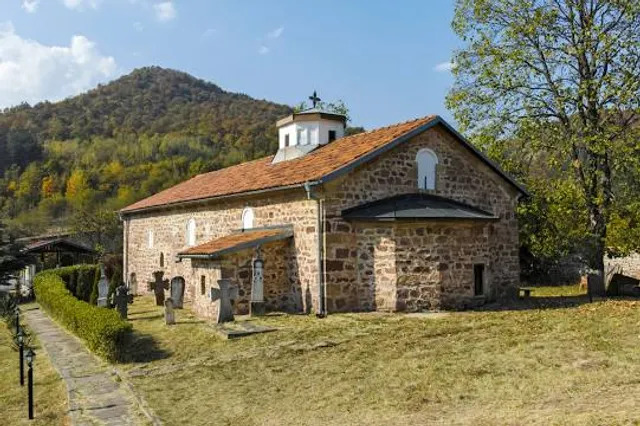
 Learn more insights from Wanderboat AI.