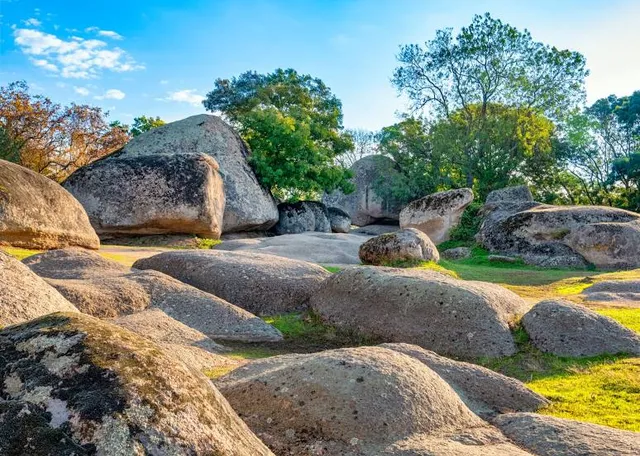
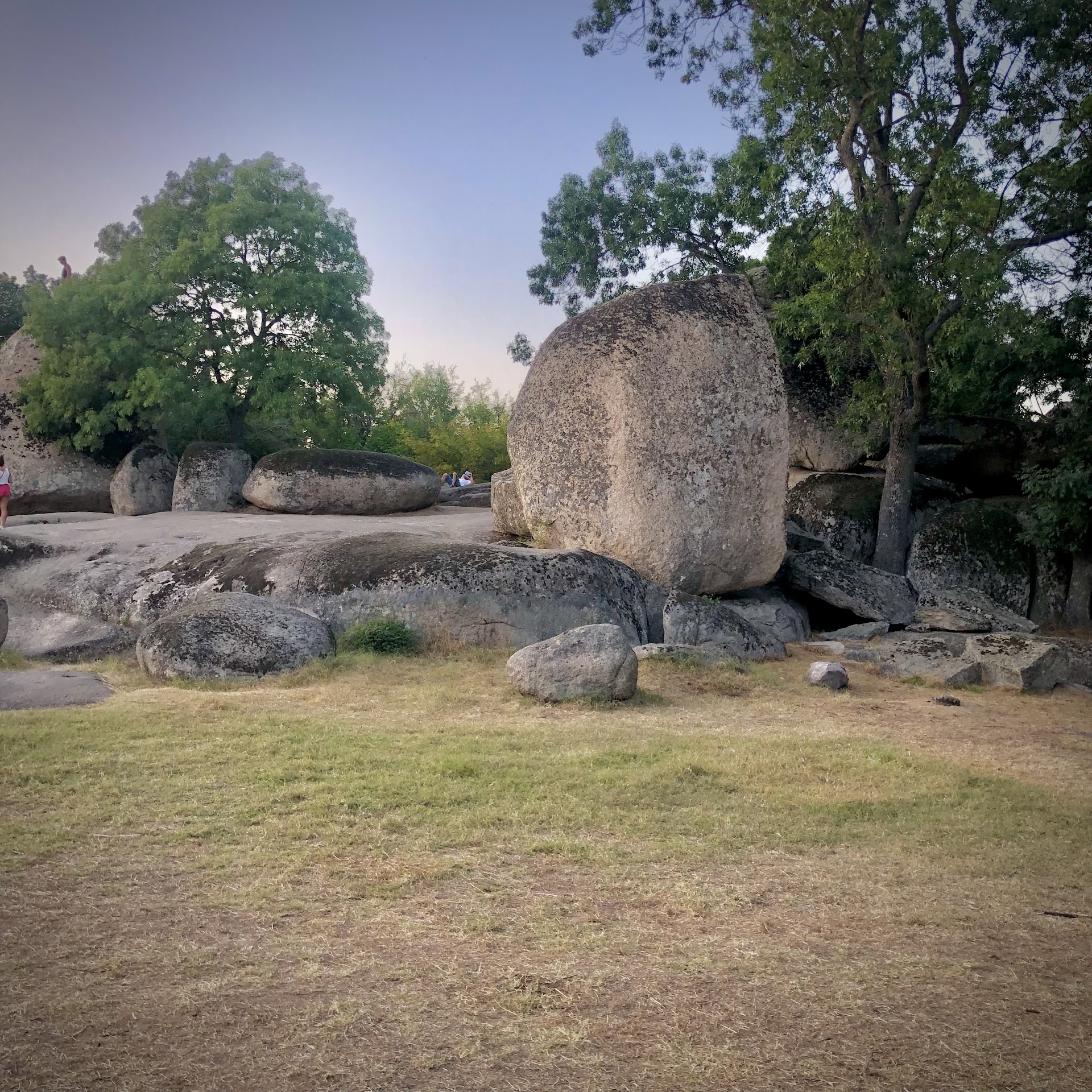
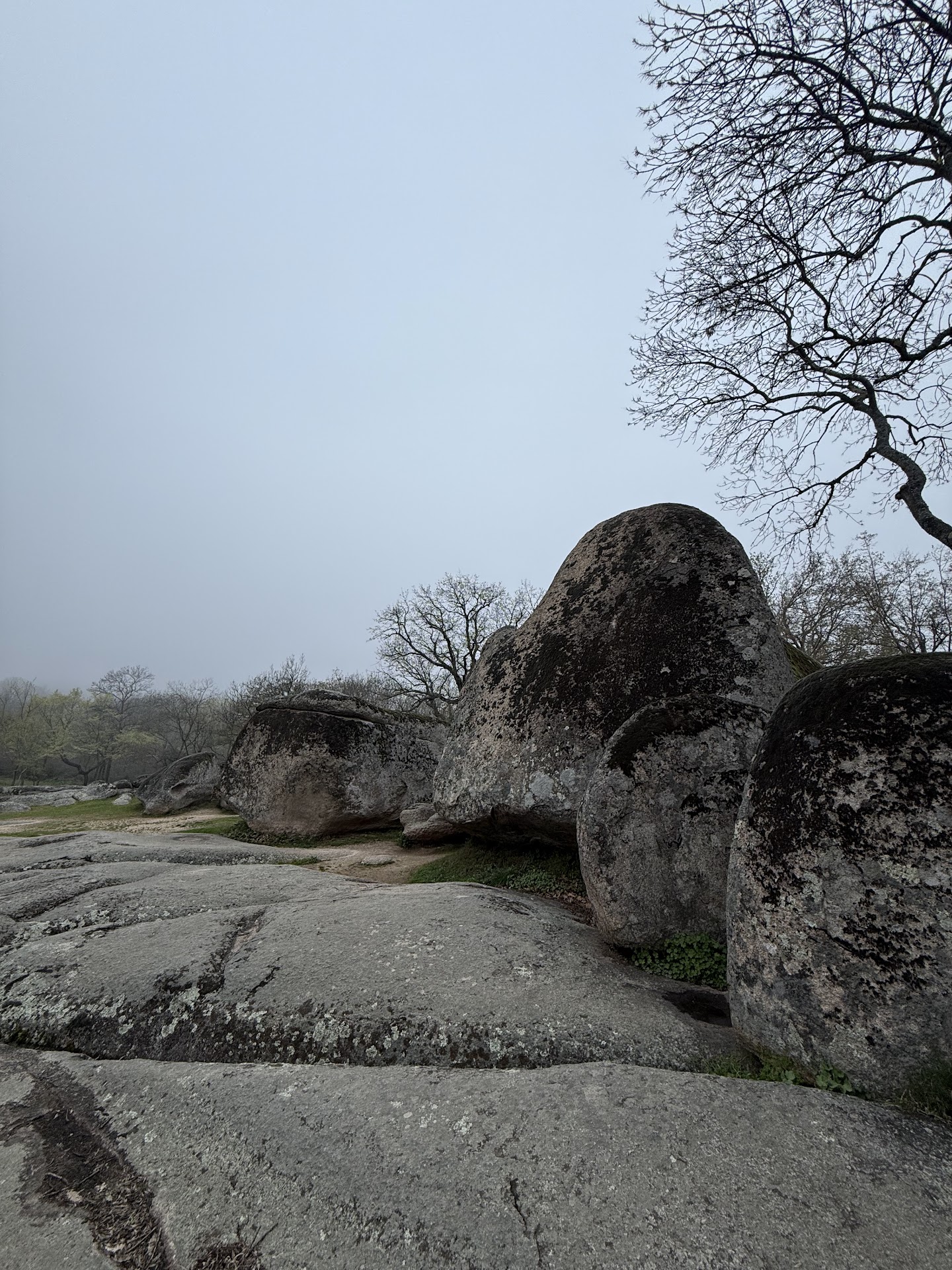
The huge pieces of rock, formed by unknown masters, form a giant composition in an inaccessible area. Archaeologists are convinced that this is not a natural phenomenon.
Sundial, calendar and temple - the Thracian sanctuary still hides its magic. Here powerful energy flows and cosmic forces intersect in the "Bedroom of the Gods". According to radiologists, the sanctuary is one of the communication centers with the cosmos.
It is believed that only a person with a pure and intact soul can pass through the "path of trial" - namely a labyrinth formed by a system of rock corridors.
Once you reach the end and get out of it, one can feel charged with positive energy, leaving behind the accumulated negative emotions. It is also said that the Thracian singer Orpheus went through the labyrinth to save his beloved from the underworld.
People say that it is enough for a person to go there and wish for something that he really wants and his wish...
Read moreThe place when you actually get there is nice. Also the walk through the forest to get there is nice, and not long, roughly 1.5km. Problem is that in the forest is full of bugs, not sure which ones. I love to hike and did so in a lot of places around the world. But such annoying bugs that constantly try to enter your ears, mouth and eye was a first for me. And there are lots of swarms. They fly around your head in swarm and don't leave you alone for a second. That's just nature, sure, but I'm writing this to let you know that if you hate bugs it's in your best interest either to bring some sort of protection (something to cover your face) or think twice before going. The site on its own was OK (and there are way less bugs there, it's good). It can be visited in roughly 20 30 minutes if you go slow. Interesting rock formations with the description of some legends about them. There is an entrance fee,...
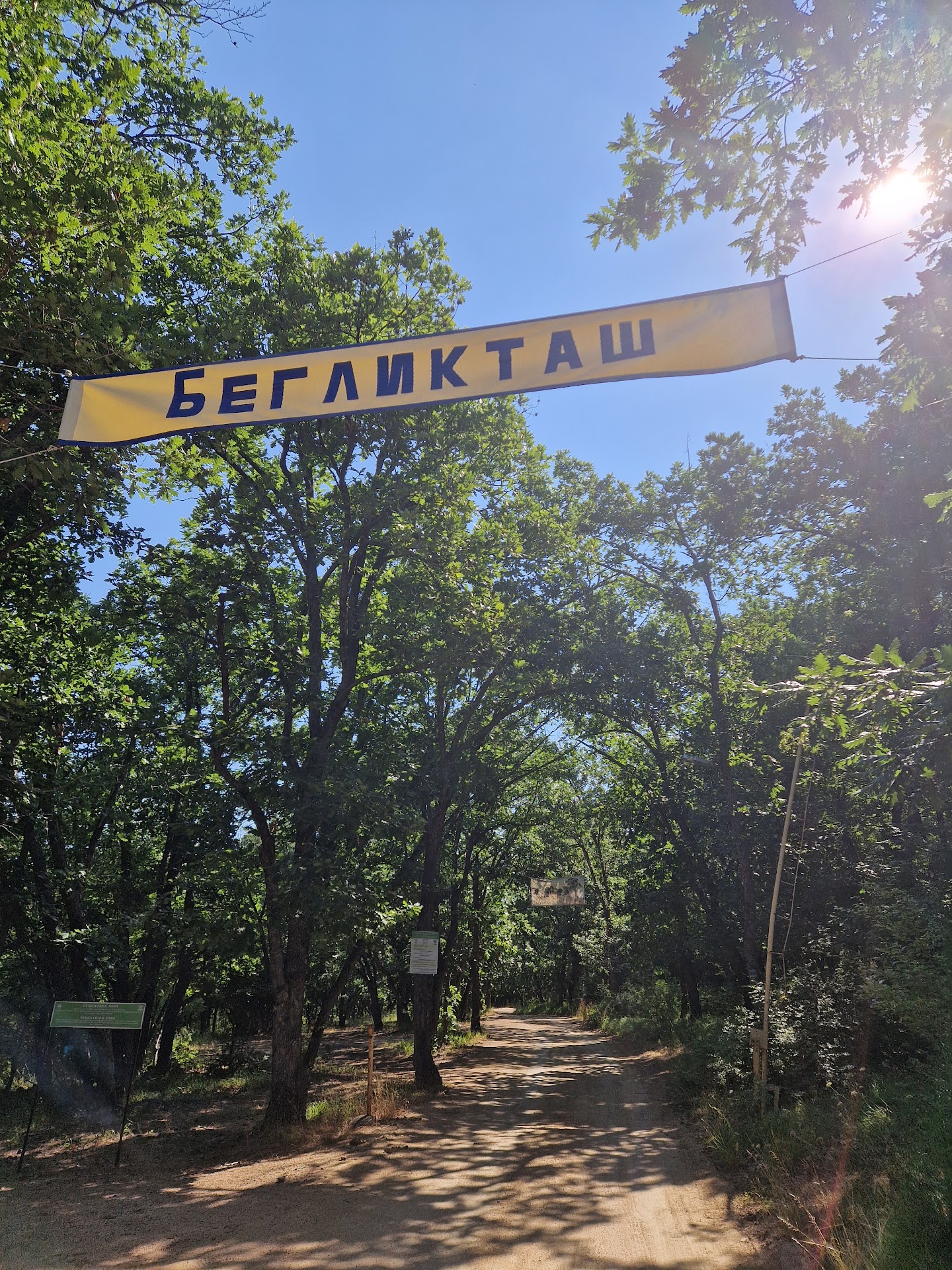
Read moreBeglik Tash (Bulgarian: Беглик Таш), is a prehistoric rock sanctuary situated on the southern Black Sea coast of Bulgaria, a few kilometers north of the city of Primorsko. It was re-used by the Thracian tribes in the Iron Age.
At the end of the 19th century, the Czech-Bulgarian historian and archaeologist Karel Škorpil produced the first scientific account of the sanctuary, which was then known as Apostol Tash.[1] In 2002, Bulgarian archaeologists started excavations under the supervision of Tsonia Drazheva.
Beglik Tash – an expression whose meaning is probably related to the tax on sheep collected by the Ottoman authorities until 1913, the "beglik", and a Turkish word to describe an area made of...
Read more