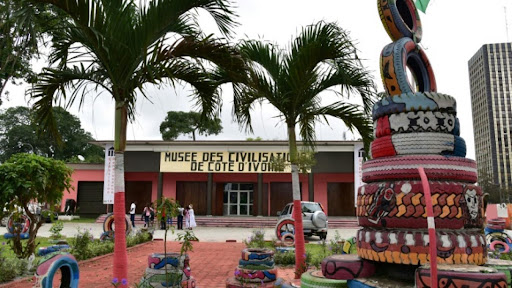
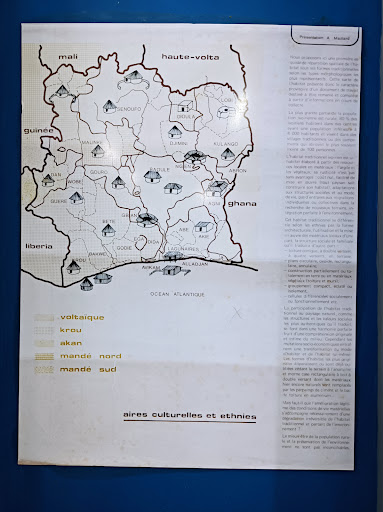
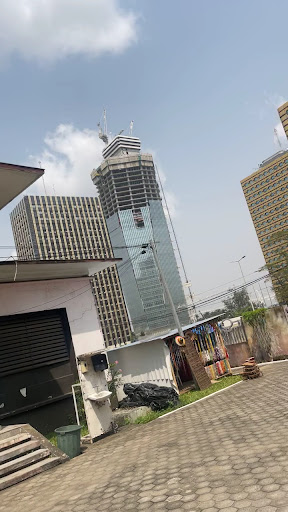
Musée des Civilisations de Côte d'Ivoire things to do, attractions, restaurants, events info and trip planning
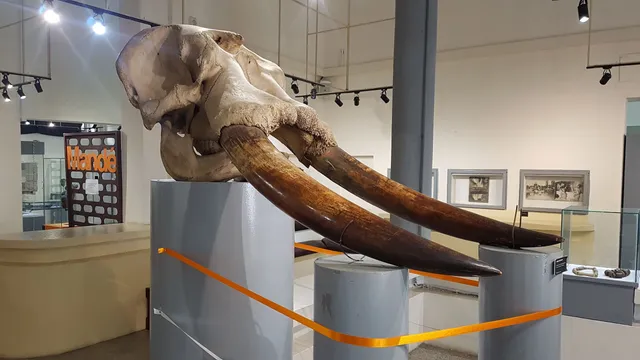
Basic Info
Musée des Civilisations de Côte d'Ivoire
32 Bd Carde, Abidjan, Côte d’Ivoire
3.9(468)
Open 24 hours
Save
spot
spot
Ratings & Description
Info
The Musée des Civilisations de Côte d'Ivoire is a museum located in Ivory Coast. It is located in Plateau, Abidjan.
Cultural
Family friendly
Accessibility
attractions: St. Paul's Cathedral, restaurants: RESTAURANT, CHEZ ROGEE - PLATEAU, local businesses: Alassane Dramane Ouattara Bridge
 Learn more insights from Wanderboat AI.
Phone
+225 27 20 2 22056
Plan your stay

Pet-friendly Hotels in Le Plateau
Find a cozy hotel nearby and make it a full experience.

Affordable Hotels in Le Plateau
Find a cozy hotel nearby and make it a full experience.

The Coolest Hotels You Haven't Heard Of (Yet)
Find a cozy hotel nearby and make it a full experience.

Trending Stays Worth the Hype in Le Plateau
Find a cozy hotel nearby and make it a full experience.
Reviews
Live events

Tech Republic : After bara
Fri, Jan 30 • 7:00 PM
Mama Doble Bar à Tapas, 4 Rue Marconi, Abidjan, Côte d'Ivoire
View details

Abidjan Crypto Days 2025
Sat, Jan 31 • 9:00 AM
Robert's Hotel, Carrefour Duncan, Rue L39, Abidjan, Côte d'Ivoire
View details

SOIRÉE DOUVERTURE DU MUST
Sat, Jan 31 • 7:00 PM
Zino Parfumerie, 9266+F63, Rue des Jardins, Abidjan, Côte d'Ivoire
View details
Nearby attractions of Musée des Civilisations de Côte d'Ivoire
St. Paul's Cathedral
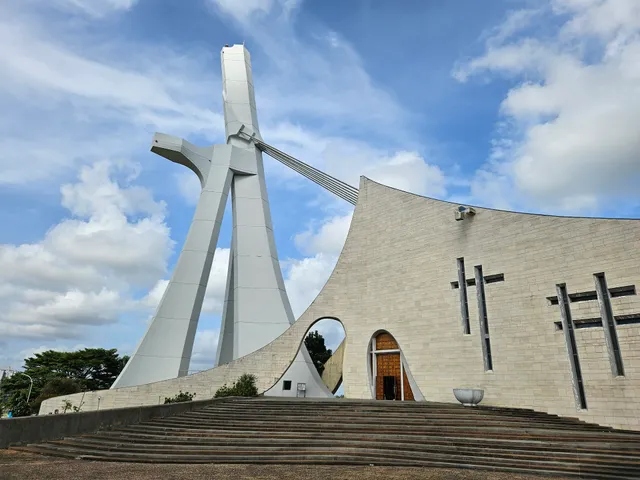
St. Paul's Cathedral
4.5
(1.9K)
Open until 7:00 PM
Click for details
Nearby restaurants of Musée des Civilisations de Côte d'Ivoire
RESTAURANT
CHEZ ROGEE - PLATEAU
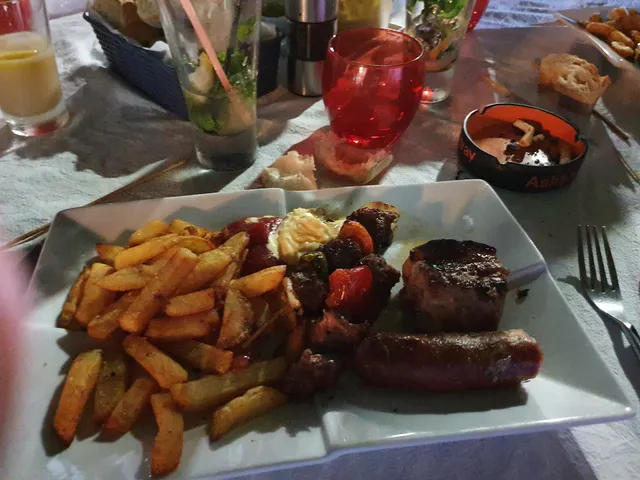
RESTAURANT
4.4
(20)
$$
Open until 10:30 PM
Click for details
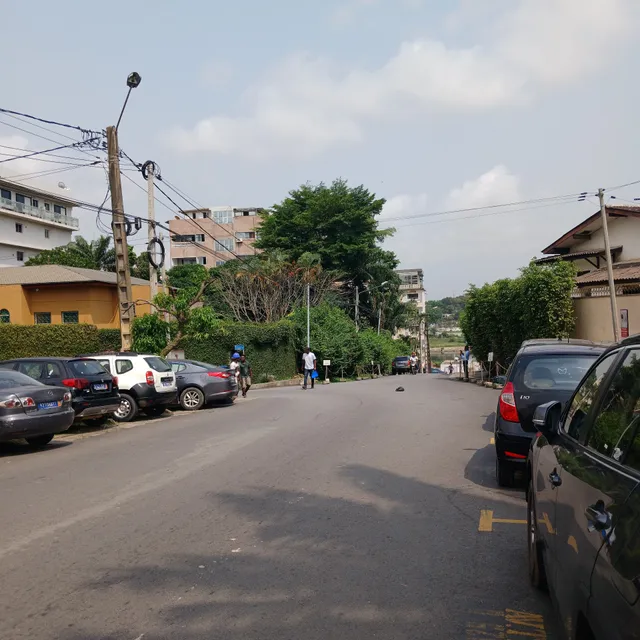
CHEZ ROGEE - PLATEAU
5.0
(6)
Open until 12:00 AM
Click for details
Nearby local services of Musée des Civilisations de Côte d'Ivoire
Alassane Dramane Ouattara Bridge
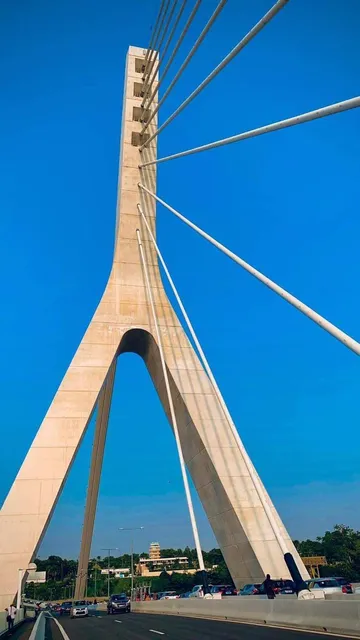
Alassane Dramane Ouattara Bridge
4.5
(18)
Click for details