HTML SitemapExplore
logo
Find Things to DoFind The Best Restaurants

Pre Rup temple — Attraction in Siem Reap

Name
Pre Rup temple
Description
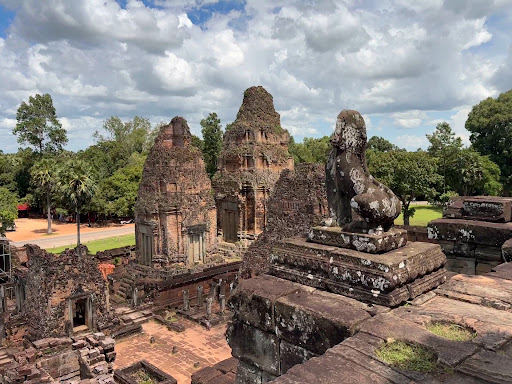
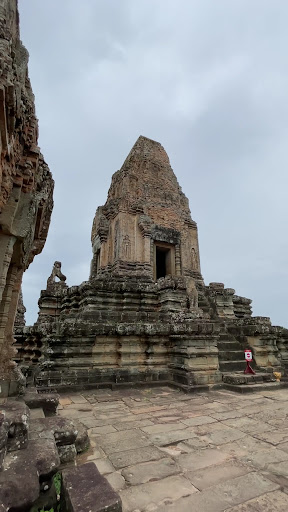
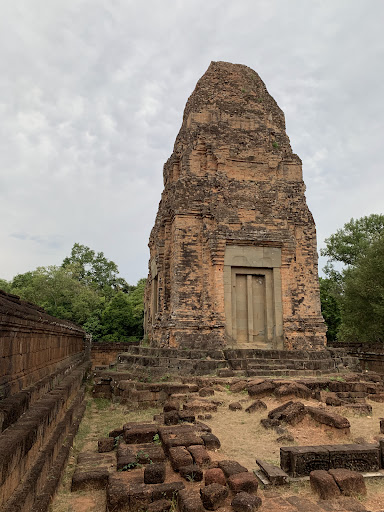
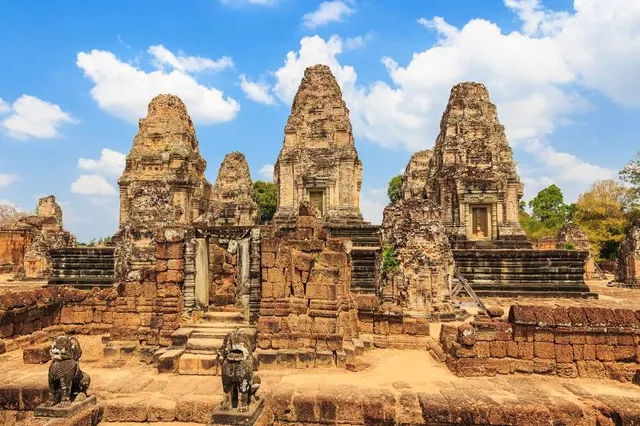
Pre Rup is a Hindu temple at Angkor, Cambodia, built as the state temple of Khmer king Rajendravarman and dedicated in 961 or early 962. It is a temple mountain of combined brick, laterite and sandstone construction. The temple's name is a comparatively modern one meaning "turn the body".
Nearby attractions
Nearby restaurants
Nearby hotels
Related posts
Keywords
Pre Rup temple tourism.Pre Rup temple hotels.Pre Rup temple bed and breakfast. flights to Pre Rup temple.Pre Rup temple attractions.Pre Rup temple restaurants.Pre Rup temple travel.Pre Rup temple travel guide.Pre Rup temple travel blog.Pre Rup temple pictures.Pre Rup temple photos.Pre Rup temple travel tips.Pre Rup temple maps.Pre Rup temple things to do.
Pre Rup temple things to do, attractions, restaurants, events info and trip planning
Pre Rup temple
CambodiaSiem ReapPre Rup temple

Basic Info

Pre Rup temple

CWMC+X6F Angkor Archaeological Park, Krong Siem Reap 17000, Cambodia
4.7(1.3K)
Closed
Save
spot

Ratings & Description

Info

Pre Rup is a Hindu temple at Angkor, Cambodia, built as the state temple of Khmer king Rajendravarman and dedicated in 961 or early 962. It is a temple mountain of combined brick, laterite and sandstone construction. The temple's name is a comparatively modern one meaning "turn the body".

Cultural
Outdoor
Family friendly
attractions: , restaurants:
logoLearn more insights from Wanderboat AI.
Open hoursSee all hours
Sat6 AM - 7 PMClosed

Plan your stay

hotel
Pet-friendly Hotels in Siem Reap
Find a cozy hotel nearby and make it a full experience.
hotel
Affordable Hotels in Siem Reap
Find a cozy hotel nearby and make it a full experience.
hotel
The Coolest Hotels You Haven't Heard Of (Yet)
Find a cozy hotel nearby and make it a full experience.
hotel
Trending Stays Worth the Hype in Siem Reap
Find a cozy hotel nearby and make it a full experience.

Reviews

Things to do nearby

Personalized Angkor Wat Sunrise Tour by Tuktuk
Sun, Dec 7 • 5:00 AM
Krong Siem Reap, Siem Reap Province 17252, Cambodia
View details
Explore Kampong Phluk Floating Village at sunset
Sun, Dec 7 • 2:30 PM
Krong Siem Reap, Siem Reap Province 171204, Cambodia
View details
Jungle adventure: a nature and wildlife walk
Sun, Dec 7 • 12:30 PM
Krong Siem Reap, Siem Reap Province 17250, Cambodia
View details
Get the Appoverlay
Get the AppOne tap to find yournext favorite spots!
Wanderboat LogoWanderboat

Your everyday Al companion for getaway ideas

CompanyAbout Us
InformationAI Trip PlannerSitemap
SocialXInstagramTiktokLinkedin
LegalTerms of ServicePrivacy Policy

Get the app

© 2025 Wanderboat. All rights reserved.
logo

Reviews of Pre Rup temple

4.7
(1,339)
avatar
4.0
7y

Pre Rup is located at northeast of Srah Srang and 500 meters (1,640 feet) south of the south end of the East Baray. An entrance and exit the monument from the east entrance. To climb to the upper terrace use the east stairway; it is slightly less steep than the others. Tip: Because the temple is built entirely of brick and laterite, the warm tones of these materials are best are seen early in the morning or when the sun is setting.There are two views from the top terrace: the first looking east towards Phnom Bok and the mountain chain of Phnom Kulen; and the second looking west where the towers of Angkor Wat can be distinguished on the far horizon. It was built in second half of the tenth century (961)by the King Rajendraman II dedicated to the god Siva (Hindi), replica to Pre Rup style of art. BACKGROUND The boldness of the architectural design of Pre Rup is superb and give the temple fine balance, scale and proportion. The temple is almost identical in style to the East Mebon, although it was built several yeas later. It is the last real 'temple-mountain ' Pre Rup was called the 'City of the East ' by Philippe Stern, a Frenchman who worked on the site. The Cambodians have always regarded this temple as having funerary associations but reason is unknown. The name Prerup recalls one of the rituals of cremation in which the silhouette of the body of the deceased, outlined with its ashes, is successively represented according to different orientations, Some archaeologists believe that the large vat located at the base of the east stairway to the central area was used at cremations. LAYOUT Pre Rup dominates the vast plain, which the East Baray irrigated. Contracted on an artificial mountain in laterite with brick towers, the plan is square and comprises two enclosures (1 and 2) with four entry towers each and a base with three narrow tiers (3) serving as a pedestal for five towers on the top platform one in each corner and one central. The outer enclosing wall is 127 by 116 meters (417 by 380 feet). Inside the outer laterite-enclosing wall there are two groups of three towers, one on each side of the entrance (5); the towers of each group share a common base. The middle tower in each of the two groups dominates and is more developed than the others. It appears that the first tower on the right was never built or, if it was, its bricks were reused somewhere else. The most complete lintel is on the tower at the far left (south )on the east face showing in his avataras a man-lion. The next enclosure, also made of laterite, has four small entry towers, one on each side (2) Long galleries surround the courtyard on the enterior. The walls of these galleries, which have sandstone porches, are built of laterite. In the courtyard there are vestiges of long rest halls (6) probably used by pilgrims. They have sandstone pillars in the east and laterite walls and windows with balusters in the west. In the northeast corner there is a curious small square building built of large blocks of laterite and open on all four sides. The inscription of the temple was found in gallery near this building. LIBRARIES On the left and right sides of the east entry tower of the second enclosure there are libraries with high towers. They sheltered carved stones with motifs of the nine planets and the seven ascetics. In the center there is a vat between two rows of sandstone pillars. Glaize suggested that this might have been, rather than a sarcophagus, a base for a wooden building or for a statue of Nandi, the sacred bull, the mount of Siva to whom the temple...

   Read more
avatar
5.0
1y

Nestled in the heart of Cambodia's historic Angkor complex, Pre Rup Temple stands as a testament to the artistry and spiritual devotion of the Khmer Empire. During our recent family visit, we were profoundly moved by the temple's grandeur and the serene beauty of its surroundings, making it one of the most memorable highlights of our Siem Reap experience.

Architectural Marvel Constructed in the late 10th century under the reign of King Rajendravarman II, Pre Rup Temple was initially dedicated to the Hindu god Shiva. The temple's architecture is characterized by its unique blend of red brick, sandstone, and laterite, which creates a striking contrast against the lush green landscape. As we approached the temple, the grandeur of its three-tiered structure became increasingly apparent, with the central sanctuary rising majestically above the outer enclosures.

The intricate bas-reliefs and decorative motifs adorning the temple's walls reflect the exceptional craftsmanship of the era. Each carving tells a story, depicting scenes from Hindu mythology and the daily life of the Khmer people. As we explored, we found ourselves enchanted by the artistry that has endured for centuries, inviting contemplation of the rich cultural heritage that Pre Rup represents.

An Unforgettable Sunset Experience One of the most compelling reasons to visit Pre Rup is its breathtaking sunset views. As we ascended the steep steps to the upper terrace, we were greeted by a panoramic vista that revealed the undulating landscape of rice paddies and distant temples. The atmosphere was imbued with a sense of tranquility, amplified by the gentle sounds of nature.

As the sun dipped below the horizon, the warm hues of orange and gold illuminated the temple’s red brick façade, creating an ethereal backdrop that felt almost otherworldly. This moment of reflection, surrounded by family and fellow travelers, offered a profound sense of connection to the past—a shared appreciation for the beauty that has endured through centuries.

A Must-Visit for Cultural Enthusiasts While many tourists flock to the more famous Angkor Wat and Bayon temples, Pre Rup offers a respite from the crowds and an opportunity to immerse oneself in Cambodia's rich history. The relatively quiet environment allows for a more intimate exploration, making it easier to absorb the spiritual significance and historical context of this ancient site.

In summary, our visit to Pre Rup Temple was nothing short of enchanting. The combination of architectural splendor, historical depth, and stunning natural beauty makes it a must-visit destination for anyone exploring Siem Reap. I wholeheartedly recommend Pre Rup for travelers seeking a meaningful experience that captures the essence of Cambodia's...

   Read more
avatar
5.0
2y

Don’t miss: The elegant square laterite pavilion topped by a dome-shaped roof. The so-called cistern or urn. An unusual four-armed, four-headed devata on the East site of the southwest tower.

Nestled amidst the enchanting landscape of Angkor, Cambodia, Pre Rup stands as a magnificent testament to ancient Khmer architecture and spirituality. This Hindu temple served as the esteemed state temple during the reign of Khmer king Rajendravarman, and its rich history is as captivating as its striking reddish hues, accentuated by the gentle caresses of morning and evening sunlight.

The name “Pre Rup” carries a modern interpretation, signifying “turn the body.” This nomenclature mirrors the prevalent Cambodian belief that the temple played a pivotal role in funeral rituals. It was here that mourners ritually rotated the ashes of the departed in various directions during the funeral service.

Architecturally, Pre Rup bears a strong resemblance to the earlier East Mebon temple, with a notable distinction being the absence of the stepped pyramid found in Pre Rup. The temple’s structure, crafted from laterite and brick, symbolizes the sacred Mount Meru, a mountain of great significance in Hindu mythology, said to be at the center of the universe.

One of Pre Rup’s most striking features is its trio of imposing towers flanking the Eastern entrance, the primary gateway to the temple. Interestingly, the first tower on the right side of the entrance is conspicuously absent, though its base remains. Historians speculate that this tower was either never constructed or was dismantled, its stones repurposed elsewhere, likely during the reign of the subsequent King, Jayavarman V.

Today, Pre Rup remains a cherished destination for visitors exploring the Angkor Wat Grand Circuit Tour. While it may not always be part of the standard small circuit tour, travelers with a penchant for history and architectural wonders can occasionally arrange a detour with their...

   Read more
Page 1 of 7
Previous
Next

Posts

WonderChanWonderChan
Nestled in the heart of Cambodia's historic Angkor complex, Pre Rup Temple stands as a testament to the artistry and spiritual devotion of the Khmer Empire. During our recent family visit, we were profoundly moved by the temple's grandeur and the serene beauty of its surroundings, making it one of the most memorable highlights of our Siem Reap experience. Architectural Marvel Constructed in the late 10th century under the reign of King Rajendravarman II, Pre Rup Temple was initially dedicated to the Hindu god Shiva. The temple's architecture is characterized by its unique blend of red brick, sandstone, and laterite, which creates a striking contrast against the lush green landscape. As we approached the temple, the grandeur of its three-tiered structure became increasingly apparent, with the central sanctuary rising majestically above the outer enclosures. The intricate bas-reliefs and decorative motifs adorning the temple's walls reflect the exceptional craftsmanship of the era. Each carving tells a story, depicting scenes from Hindu mythology and the daily life of the Khmer people. As we explored, we found ourselves enchanted by the artistry that has endured for centuries, inviting contemplation of the rich cultural heritage that Pre Rup represents. An Unforgettable Sunset Experience One of the most compelling reasons to visit Pre Rup is its breathtaking sunset views. As we ascended the steep steps to the upper terrace, we were greeted by a panoramic vista that revealed the undulating landscape of rice paddies and distant temples. The atmosphere was imbued with a sense of tranquility, amplified by the gentle sounds of nature. As the sun dipped below the horizon, the warm hues of orange and gold illuminated the temple’s red brick façade, creating an ethereal backdrop that felt almost otherworldly. This moment of reflection, surrounded by family and fellow travelers, offered a profound sense of connection to the past—a shared appreciation for the beauty that has endured through centuries. A Must-Visit for Cultural Enthusiasts While many tourists flock to the more famous Angkor Wat and Bayon temples, Pre Rup offers a respite from the crowds and an opportunity to immerse oneself in Cambodia's rich history. The relatively quiet environment allows for a more intimate exploration, making it easier to absorb the spiritual significance and historical context of this ancient site. In summary, our visit to Pre Rup Temple was nothing short of enchanting. The combination of architectural splendor, historical depth, and stunning natural beauty makes it a must-visit destination for anyone exploring Siem Reap. I wholeheartedly recommend Pre Rup for travelers seeking a meaningful experience that captures the essence of Cambodia's cultural heritage.
DivertimentoDivertimento
Don’t miss: - The elegant square laterite pavilion topped by a dome-shaped roof. - The so-called cistern or urn. - An unusual four-armed, four-headed devata on the East site of the southwest tower. Nestled amidst the enchanting landscape of Angkor, Cambodia, Pre Rup stands as a magnificent testament to ancient Khmer architecture and spirituality. This Hindu temple served as the esteemed state temple during the reign of Khmer king Rajendravarman, and its rich history is as captivating as its striking reddish hues, accentuated by the gentle caresses of morning and evening sunlight. The name “Pre Rup” carries a modern interpretation, signifying “turn the body.” This nomenclature mirrors the prevalent Cambodian belief that the temple played a pivotal role in funeral rituals. It was here that mourners ritually rotated the ashes of the departed in various directions during the funeral service. Architecturally, Pre Rup bears a strong resemblance to the earlier East Mebon temple, with a notable distinction being the absence of the stepped pyramid found in Pre Rup. The temple’s structure, crafted from laterite and brick, symbolizes the sacred Mount Meru, a mountain of great significance in Hindu mythology, said to be at the center of the universe. One of Pre Rup’s most striking features is its trio of imposing towers flanking the Eastern entrance, the primary gateway to the temple. Interestingly, the first tower on the right side of the entrance is conspicuously absent, though its base remains. Historians speculate that this tower was either never constructed or was dismantled, its stones repurposed elsewhere, likely during the reign of the subsequent King, Jayavarman V. Today, Pre Rup remains a cherished destination for visitors exploring the Angkor Wat Grand Circuit Tour. While it may not always be part of the standard small circuit tour, travelers with a penchant for history and architectural wonders can occasionally arrange a detour with their guide or driver.
Duc HoangDuc Hoang
Pre Rup Temple Pre Rup Temple, located in the Angkor region of Cambodia, is a significant Hindu temple built in the 10th century during the reign of King Rajendravarman II. Dedicated to the Hindu god Shiva, it served as the state temple of the Khmer Empire and is a prime example of the temple mountain architectural style, which symbolizes Mount Meru, the home of the gods in Hindu mythology. Constructed primarily from brick, laterite, and sandstone, Pre Rup features a square layout with two perimeter walls and a central pyramid rising in three tiers. The temple's name, which means "turn the body," reflects the local belief that it was used for funerary rites, where the ashes of the deceased were ritually rotated in different directions. However, this interpretation is debated among scholars. The temple's design includes a series of long galleries, a distinctive feature of 10th-century Khmer architecture. At the summit of the pyramid, five towers are arranged in a quincunx pattern, with one tower at each corner and one in the center. These towers are adorned with bas-reliefs of deities, adding to the temple's artistic significance. Pre Rup is also noted for its reddish hue, which is particularly striking during sunrise and sunset. This effect is due to the extensive use of laterite and brick in its construction. The temple's location, just south of the East Baray, aligns it with the East Mebon temple, another significant structure from Rajendravarman's reign. Today, Pre Rup remains a popular site for visitors to Angkor, offering not only historical and architectural insights but also panoramic views of the surrounding countryside. Its enduring legacy is a testament to the grandeur and sophistication of the Khmer Empire. Source: Copilot
See more posts
See more posts
hotel
Find your stay

Pet-friendly Hotels in Siem Reap

Find a cozy hotel nearby and make it a full experience.

Nestled in the heart of Cambodia's historic Angkor complex, Pre Rup Temple stands as a testament to the artistry and spiritual devotion of the Khmer Empire. During our recent family visit, we were profoundly moved by the temple's grandeur and the serene beauty of its surroundings, making it one of the most memorable highlights of our Siem Reap experience. Architectural Marvel Constructed in the late 10th century under the reign of King Rajendravarman II, Pre Rup Temple was initially dedicated to the Hindu god Shiva. The temple's architecture is characterized by its unique blend of red brick, sandstone, and laterite, which creates a striking contrast against the lush green landscape. As we approached the temple, the grandeur of its three-tiered structure became increasingly apparent, with the central sanctuary rising majestically above the outer enclosures. The intricate bas-reliefs and decorative motifs adorning the temple's walls reflect the exceptional craftsmanship of the era. Each carving tells a story, depicting scenes from Hindu mythology and the daily life of the Khmer people. As we explored, we found ourselves enchanted by the artistry that has endured for centuries, inviting contemplation of the rich cultural heritage that Pre Rup represents. An Unforgettable Sunset Experience One of the most compelling reasons to visit Pre Rup is its breathtaking sunset views. As we ascended the steep steps to the upper terrace, we were greeted by a panoramic vista that revealed the undulating landscape of rice paddies and distant temples. The atmosphere was imbued with a sense of tranquility, amplified by the gentle sounds of nature. As the sun dipped below the horizon, the warm hues of orange and gold illuminated the temple’s red brick façade, creating an ethereal backdrop that felt almost otherworldly. This moment of reflection, surrounded by family and fellow travelers, offered a profound sense of connection to the past—a shared appreciation for the beauty that has endured through centuries. A Must-Visit for Cultural Enthusiasts While many tourists flock to the more famous Angkor Wat and Bayon temples, Pre Rup offers a respite from the crowds and an opportunity to immerse oneself in Cambodia's rich history. The relatively quiet environment allows for a more intimate exploration, making it easier to absorb the spiritual significance and historical context of this ancient site. In summary, our visit to Pre Rup Temple was nothing short of enchanting. The combination of architectural splendor, historical depth, and stunning natural beauty makes it a must-visit destination for anyone exploring Siem Reap. I wholeheartedly recommend Pre Rup for travelers seeking a meaningful experience that captures the essence of Cambodia's cultural heritage.
WonderChan

WonderChan

hotel
Find your stay

Affordable Hotels in Siem Reap

Find a cozy hotel nearby and make it a full experience.

Get the Appoverlay
Get the AppOne tap to find yournext favorite spots!
Don’t miss: - The elegant square laterite pavilion topped by a dome-shaped roof. - The so-called cistern or urn. - An unusual four-armed, four-headed devata on the East site of the southwest tower. Nestled amidst the enchanting landscape of Angkor, Cambodia, Pre Rup stands as a magnificent testament to ancient Khmer architecture and spirituality. This Hindu temple served as the esteemed state temple during the reign of Khmer king Rajendravarman, and its rich history is as captivating as its striking reddish hues, accentuated by the gentle caresses of morning and evening sunlight. The name “Pre Rup” carries a modern interpretation, signifying “turn the body.” This nomenclature mirrors the prevalent Cambodian belief that the temple played a pivotal role in funeral rituals. It was here that mourners ritually rotated the ashes of the departed in various directions during the funeral service. Architecturally, Pre Rup bears a strong resemblance to the earlier East Mebon temple, with a notable distinction being the absence of the stepped pyramid found in Pre Rup. The temple’s structure, crafted from laterite and brick, symbolizes the sacred Mount Meru, a mountain of great significance in Hindu mythology, said to be at the center of the universe. One of Pre Rup’s most striking features is its trio of imposing towers flanking the Eastern entrance, the primary gateway to the temple. Interestingly, the first tower on the right side of the entrance is conspicuously absent, though its base remains. Historians speculate that this tower was either never constructed or was dismantled, its stones repurposed elsewhere, likely during the reign of the subsequent King, Jayavarman V. Today, Pre Rup remains a cherished destination for visitors exploring the Angkor Wat Grand Circuit Tour. While it may not always be part of the standard small circuit tour, travelers with a penchant for history and architectural wonders can occasionally arrange a detour with their guide or driver.
Divertimento

Divertimento

hotel
Find your stay

The Coolest Hotels You Haven't Heard Of (Yet)

Find a cozy hotel nearby and make it a full experience.

hotel
Find your stay

Trending Stays Worth the Hype in Siem Reap

Find a cozy hotel nearby and make it a full experience.

Pre Rup Temple Pre Rup Temple, located in the Angkor region of Cambodia, is a significant Hindu temple built in the 10th century during the reign of King Rajendravarman II. Dedicated to the Hindu god Shiva, it served as the state temple of the Khmer Empire and is a prime example of the temple mountain architectural style, which symbolizes Mount Meru, the home of the gods in Hindu mythology. Constructed primarily from brick, laterite, and sandstone, Pre Rup features a square layout with two perimeter walls and a central pyramid rising in three tiers. The temple's name, which means "turn the body," reflects the local belief that it was used for funerary rites, where the ashes of the deceased were ritually rotated in different directions. However, this interpretation is debated among scholars. The temple's design includes a series of long galleries, a distinctive feature of 10th-century Khmer architecture. At the summit of the pyramid, five towers are arranged in a quincunx pattern, with one tower at each corner and one in the center. These towers are adorned with bas-reliefs of deities, adding to the temple's artistic significance. Pre Rup is also noted for its reddish hue, which is particularly striking during sunrise and sunset. This effect is due to the extensive use of laterite and brick in its construction. The temple's location, just south of the East Baray, aligns it with the East Mebon temple, another significant structure from Rajendravarman's reign. Today, Pre Rup remains a popular site for visitors to Angkor, offering not only historical and architectural insights but also panoramic views of the surrounding countryside. Its enduring legacy is a testament to the grandeur and sophistication of the Khmer Empire. Source: Copilot
Duc Hoang

Duc Hoang

See more posts
See more posts