I have been physically and mentally abused myself as a child and went to a Catholic high school and was taught by nuns, so I'm writing this with some background as being familiar with the past.
The museum itself is worthwhile seeing; I was part of a large tour and our tour guide was great which we paid extra for. The displays were interesting and the Guide was very well informed without being depressing.The cost of the Guide was not something which I was aware of. It would of made more sense to me if the cost had been included in the cost of the admission or if we had been allowed to tip the guide. I'm sure he would have received the same monies. You aren't allowed to take pictures in the museum, (lower level). We weren't provided with any explanation. In all the museums I have visited throughout the Caribbean where slavery was involved, pictures were allowed. They looked at it as free advertising.
The trip to restaurant would be something to be aware of ahead of time. You need to be very organized or I would skip altogether and have lunch somewhere else. Because First Nations have been oppressed for 400 years, any small requests are looked at as an extra or misbehaving.
We had to pre-order on only to find those items were still not available. The gift shop, where you pay ahead of time for everything, is a long way from the dining room. I asked for a glass of water. There are no glasses, coffee cups in the dining room. The lady (older) became annoyed and said I would have to wait a while. She ran the tap for a good five minutes. I kept saying, "if you pass me the glass, I will go to the bathroom and get myself a glass of water." Finally she relented and poured me a glass of bottled water after she thought I was duly punished and my sandwich was suitably cold. The coffee had sat for a long time and I had to produce my receipt for the other lady and ask where the cups were. There were some Styrofoam cups hidden. The museum was worthwhile but lunch if you don't remember all, you will...
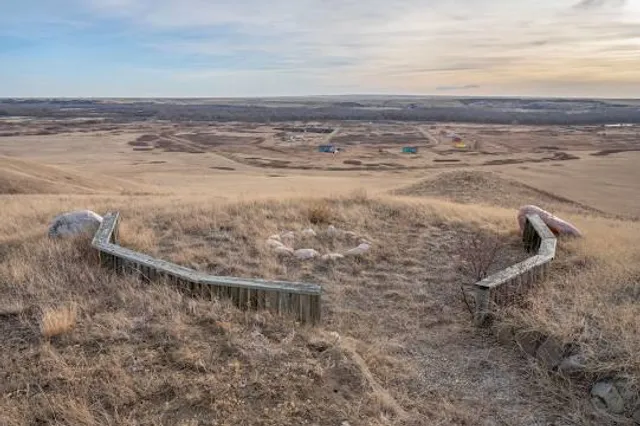
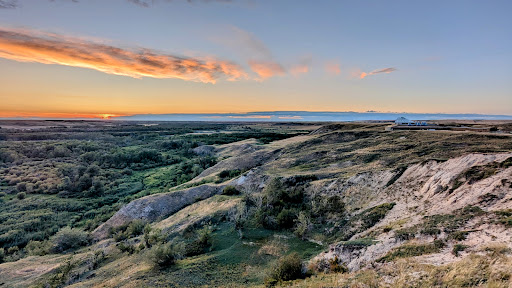
Read moreVisiting Blackfoot Crossing Historical Park was an unforgettable experience. The grounds themselves are beautiful, but even more so is the deep cultural significance of the location—it feels like a living connection to the land and history of the Siksika Nation and was the site for the signing of Treaty 7.
The lower-level museum area was absolutely stunning and so thoughtfully put together. The exhibits are both informative and immersive, giving a real insight into the traditional way of life of the Siksika people.
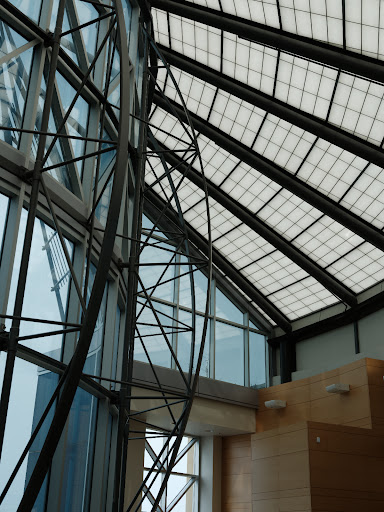
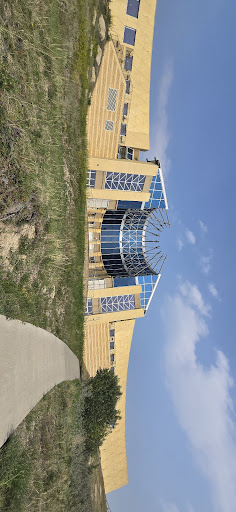
The building itself is architecturally stunning, blending seamlessly with the natural landscape. I also really enjoyed the nature walk led by Letty, who guided us through local flora identification while sharing cultural knowledge about the traditional uses of these plants. It was a perfect way to connect nature with history.
A highlight of the visit was listening to Robin Bigsnake, a knowledge-keeper, who shared oral histories of the Blackfoot/Siksika. His storytelling brought the history and traditions to life in such a meaningful way.
Overall, Blackfoot Crossing is not just a museum, but a truly enriching cultural experience that left me with a deeper appreciation for the history, traditions, and resilience of the Siksika people. I would highly recommend a visit to anyone looking for both beauty...
Read moreA huge, well-kept museum in a stunning land with very friendly staff. From the moment you arrive at Blackfoot Crossing Historical Park, it’s clear this place is more than a museum it’s the beating heart of the Siksika Nation. First, you will be guided to a theatre to watch a half-hour documentary movie about the tipis and storytelling. Beside the Bow River, the beautifully designed, eco-friendly interpretive centre stands in the very spot where Treaty 7 was signed in 1877, a historic moment expertly brought to life. Inside, the 62,000 sq ft museum is a masterful blend of interactive displays, artifacts, and storytelling. The exhibits on Chief Crowfoot featuring his repatriated regalia and the vivid theatre presentations are poignant and powerful. I was particularly moved by the banner of Chief Crowfoot’s leadership and the display recounting the historic negotiations of Treaty 7 alongside other Blackfoot Confederacy leaders. You can book the Tipi Village experience sleeping in a buffalo-hide tipi, learning ancestral skills and connecting with the land unforgettably. The day we visited, the cafeteria was closed due to construction. There is a store where you can shop Indigenous...
Read more