Excellent Summer Hike
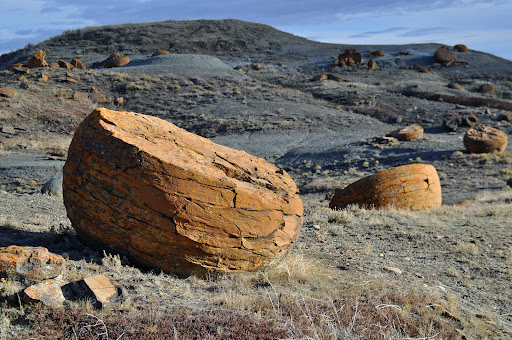
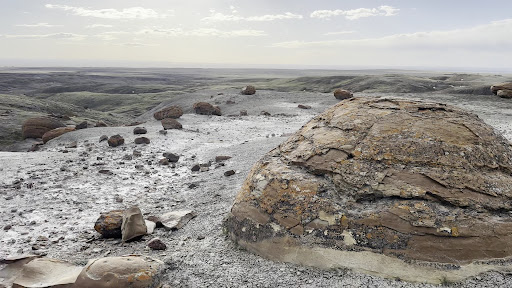
Tons of really cool geological formations, flora, and fauna endemic to the region
I brought the family on a spontaneous hike in mid-August when the weather was dry and hot. The views are quite wonderful, and the geological formations are amazing, and not limited to the really neat spherical rocks. It's clear that this region is strongly affected by rain, with a lot of clay and areas that probably get really soft and slippery when wet, so I don't recommend visiting if it's been raining recently. There are no amenities of any kind, and you're quite a distance from anywhere, so it's wise to pack sun screen and plenty of water in a backpack to bring with you.
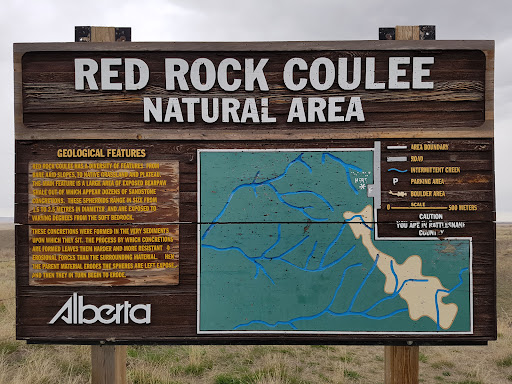
I recommend taking a hike down along the coulee, but be aware that in certain seasons it would be prime rattlesnake country (we didn't notice any during the heat of the summer day that we were there). There is one sign with some explanation of the geological formations, but that's it. This is absolutely a self-directed excursion. Bring a good camera as well ... we found that a cellphone camera has a hard time with light balance (the sky is bright and causes faces and ground features to be dark, unless the sky is not in the photo).
It's probably not a great place for a hike for people who cannot handle unstable slopes. There are tons of cacti and other scratchy/prickly plants, so if you can bring hiking boots with some ankle protection, you'd probably be glad you did. Grippy sneakers were okay on my teenaged children, but for adults and especially small kids, a little bit of protection is wise. Small children would benefit from long pants, even if it's a little bit hot - compensate by drinking plenty of water and wetting down a hat.
The experience is definitely made better if someone along has some knowledge of geological formations and the plants/animals endemic to the region. Plan on a 3 km or more hike to really get the most out of your trip. There are no really well-beaten paths, so it's best not to get caught far away from the parking area at night, or you might have trouble finding it on your way back...
Read more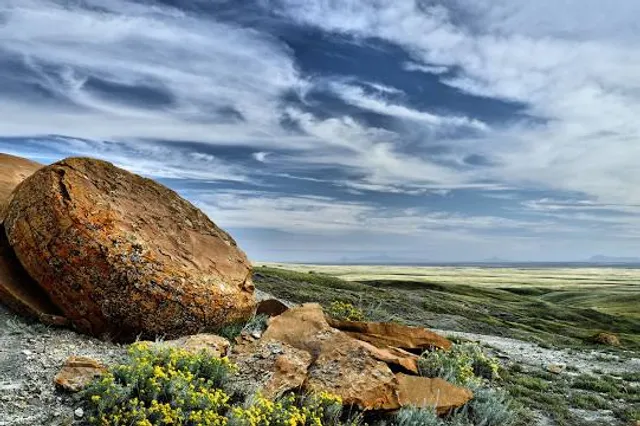
 Learn more insights from Wanderboat AI.