HTML SitemapExplore
logo
Find Things to DoFind The Best Restaurants

Cape Scott Park — Attraction in Area B (Quatsino Sound/Cape Scott)

Name
Cape Scott Park
Description
Cape Scott Provincial Park extends from Shushartie in the east, then westward around Cape Scott and south to San Josef Bay. This coastline comprises the northern tip of Vancouver Island, British Columbia. The 22,294-hectare provincial park is about 563 km northwest of Victoria.
Nearby attractions
Nearby restaurants
Nearby hotels
Related posts
Keywords
Cape Scott Park tourism.Cape Scott Park hotels.Cape Scott Park bed and breakfast. flights to Cape Scott Park.Cape Scott Park attractions.Cape Scott Park restaurants.Cape Scott Park travel.Cape Scott Park travel guide.Cape Scott Park travel blog.Cape Scott Park pictures.Cape Scott Park photos.Cape Scott Park travel tips.Cape Scott Park maps.Cape Scott Park things to do.
Cape Scott Park things to do, attractions, restaurants, events info and trip planning
Cape Scott Park
CanadaBritish ColumbiaArea B (Quatsino Sound/Cape Scott)Cape Scott Park

Basic Info

Cape Scott Park

Hardy Bay Road, Port Hardy, BC V0N 2P0, Canada
4.8(92)
Open 24 hours
Save
spot

Ratings & Description

Info

Cape Scott Provincial Park extends from Shushartie in the east, then westward around Cape Scott and south to San Josef Bay. This coastline comprises the northern tip of Vancouver Island, British Columbia. The 22,294-hectare provincial park is about 563 km northwest of Victoria.

Outdoor
Adventure
Scenic
Off the beaten path
Pet friendly
attractions: , restaurants:
logoLearn more insights from Wanderboat AI.
Phone
(800) 689-9025
Website
bcparks.ca

Plan your stay

hotel
Pet-friendly Hotels in Area B (Quatsino Sound/Cape Scott)
Find a cozy hotel nearby and make it a full experience.
hotel
Affordable Hotels in Area B (Quatsino Sound/Cape Scott)
Find a cozy hotel nearby and make it a full experience.
hotel
The Coolest Hotels You Haven't Heard Of (Yet)
Find a cozy hotel nearby and make it a full experience.
hotel
Trending Stays Worth the Hype in Area B (Quatsino Sound/Cape Scott)
Find a cozy hotel nearby and make it a full experience.

Reviews

Get the Appoverlay
Get the AppOne tap to find yournext favorite spots!
Wanderboat LogoWanderboat

Your everyday Al companion for getaway ideas

CompanyAbout Us
InformationAI Trip PlannerSitemap
SocialXInstagramTiktokLinkedin
LegalTerms of ServicePrivacy Policy

Get the app

© 2025 Wanderboat. All rights reserved.
logo

Reviews of Cape Scott Park

4.8
(92)
avatar
5.0
1y

Cape Scott Provincial Park is located on the northwest coast of Vancouver Island in British Columbia, Canada. This park is known for its rugged natural beauty, diverse ecosystems, and the historical significance of the area. Here are the key details:

Overview

— Size: Cape Scott Provincial Park covers approximately 21,000 hectares (about 52,000 acres) of breathtaking landscapes, including beaches, forests, rugged coastline, and mountain ranges. — Access: The park is accessible via a gravel road leading from the village of Holberg to the Cape Scott trailhead, making it a relatively remote destination.

Natural Features

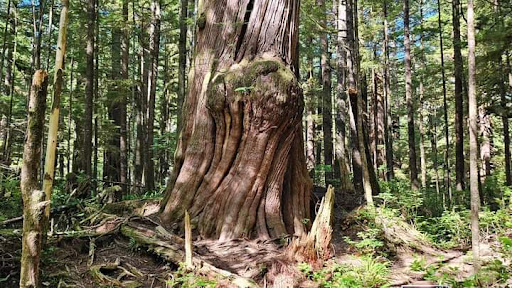
— Beaches: The park is home to several stunning beaches, including the famous Nissen Bight and the long, sandy shores of San Josef Bay. — Trails: There are various hiking trails, the most notable being the Cape Scott Trail, which offers access to the northern tip of Vancouver Island. Hikers can experience old-growth forests, windswept beaches, and unique ecological communities. — Wildlife: The park supports a wide variety of wildlife, including black bears, deer, sea otters, eagles, and many marine species. Birdwatching is particularly popular. — Ecosystems: Park ecosystems range from coastal rainforests to coastal wetlands, providing habitat for numerous species of flora and fauna.

Historical Significance

— First Nations Heritage: The area has been inhabited by Indigenous peoples for thousands of years. The Kwakwaka'wakw and Nuu-chah-nulth Nations have historical ties to the region. — European Exploration: The area gained prominence in the late 18th and early 19th centuries when European explorers and settlers arrived. Cape Scott was of particular interest to early navigators along the Pacific coastline. — Cape Scott Lighthouse: Established in 1960, the lighthouse has been a key navigational aid in the often-treacherous waters of the surrounding coastline.

Recreational Activities

— Hiking and Camping: The park is a popular destination for hikers and backcountry campers, with several campsites available along the trails. The trails offer stunning views of the ocean and the surrounding wilderness. — Surfing and Kayaking: The beaches and offshore waters attract surfers and kayakers, while the rugged coastline offers opportunities for exploration by boat. — Wildlife Viewing: Visitors can observe a diverse range of wildlife, making it an excellent destination for nature enthusiasts and photographers.

Conservation and Management Cape Scott Provincial Park is managed by BC Parks, which focuses on conservation, recreation, and education. Efforts are made to preserve the natural environment and ensure sustainable tourism in the region.

Conclusion Cape Scott Provincial Park is famous for its untouched wilderness, coastal landscapes, and rich history, making it a treasured destination for outdoor adventurers and nature lovers. Its combination of breathtaking scenery, wildlife, and cultural heritage makes it a unique and valuable part of British Columbia’s natural and...

   Read more
avatar
5.0
5y

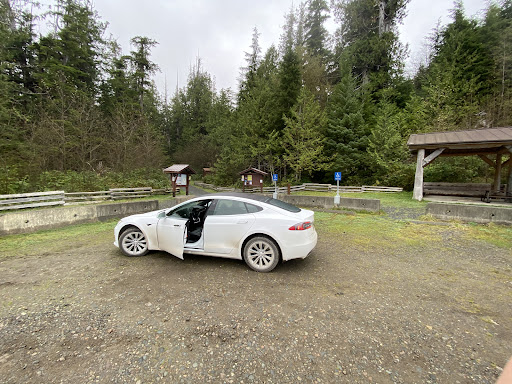
After a long drive on gravel roads through Holberg and past Ronning’s Garden - site of an early settler’s garden- you get to the Cape Scott trail head.

Here is a tip: it is possible to get to San Josef Bay on a day trip if you plan carefully.

Plan for about two and a half hours one way on gravel roads in a normal sedan car. About 25-35km/h for a normal sedan car as there are pot holes and ridged roadway. It was all I could do, but trucks could reach the posted 50km/h limit. It would be easy to get a flat and there is no cell service after the first 10km or so from Port Hardy except for around the community of Holberg (3G service). Start early so you have plenty of time

This is a great jumping off point for a substantial hike into the park or for a much simpler day trip or overnight camping experience out in San Josef Bay. (If you want a simple overnight camping experience listening to the Pacific surf then head out to San Josef Bay. )

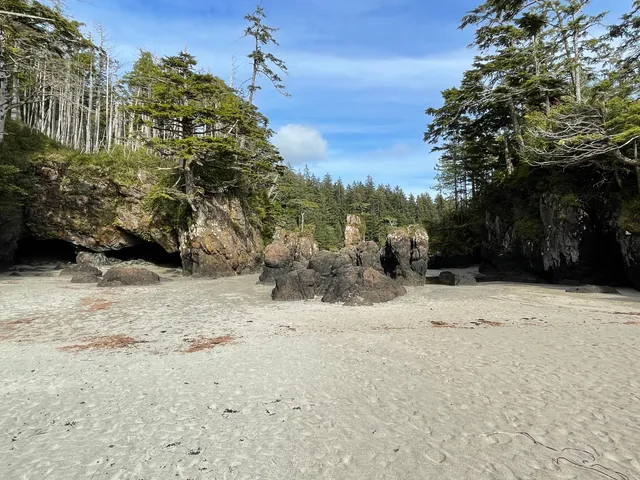
The trail is short and well maintained and quite flat. It takes you through the old community of San Josef and out to the spectacular beach where there are pit toilets and bear caches for food.

So This is a relatively straightforward way to have a true west coast camping experience or a great day out to a beautiful beach.

As always leave only footprints, pack out all your garbage and watch...

   Read more
avatar
5.0
6y

Such a beautiful place to spend the day. Quite the trek tho! For those thinking of doing a day trip to San Josef Bay, here are some suggestions.

Drive: when turning off HWY 19, it is a logging road lasting 62km. The road is a mixture of loose gravel, hard mud (on dry days), larger stones and pot holes. The speed limit is posted at 50km/hr, however I went 25-35km/hr the whole way for safety. The drive along probably took me over 2 hours. I drive a small SUV, however a friend of mine with the exact same car popped a tire on this road. NO PHONE SERVICE ON THIS ROAD AT ALL.

Hike: The hike is pristine. No roots or large rocks to climb over. Large, well maintained trail. The hike lasted about 30-40 minutes.

Best suggestion: Get the drive done early, give yourself the opportunity to spend the whole day there to explore. Bring a blanket and a picnic and a Frisbee. Give yourself lots of time to drive home in case you do run into problems (I...

   Read more
Page 1 of 7
Previous
Next

Posts

Your browser does not support the video tag.
visit.the.canadavisit.the.canada
Location: Cape Scott Provincial Park, Vancouver Island, British Columbia Photographer: @betterwithadventure • #explorecanada #beautifulbc #tourismvancouverisland #pacificnorthwest #tourcanada #bcisbeautiful #pnwwonderland #naturephotography #amazingvancouverisland #pnwcollective #getoutside #explorevancouverisland #vancouverisland #britishcolumbiacanada #allaboutadventures #outside_project #thisisbritishcolumbia #britishcolumbia #destinationbc #explorebc #hikebc #vanisle #explorevancouverisland #vanislelife #vanisland •
shamsan alammarishamsan alammari
Cape Scott Provincial Park is located on the northwest coast of Vancouver Island in British Columbia, Canada. This park is known for its rugged natural beauty, diverse ecosystems, and the historical significance of the area. Here are the key details: Overview — Size: Cape Scott Provincial Park covers approximately 21,000 hectares (about 52,000 acres) of breathtaking landscapes, including beaches, forests, rugged coastline, and mountain ranges. — Access: The park is accessible via a gravel road leading from the village of Holberg to the Cape Scott trailhead, making it a relatively remote destination. Natural Features — Beaches: The park is home to several stunning beaches, including the famous Nissen Bight and the long, sandy shores of San Josef Bay. — Trails: There are various hiking trails, the most notable being the Cape Scott Trail, which offers access to the northern tip of Vancouver Island. Hikers can experience old-growth forests, windswept beaches, and unique ecological communities. — Wildlife: The park supports a wide variety of wildlife, including black bears, deer, sea otters, eagles, and many marine species. Birdwatching is particularly popular. — Ecosystems: Park ecosystems range from coastal rainforests to coastal wetlands, providing habitat for numerous species of flora and fauna. Historical Significance — First Nations Heritage: The area has been inhabited by Indigenous peoples for thousands of years. The Kwakwaka'wakw and Nuu-chah-nulth Nations have historical ties to the region. — European Exploration: The area gained prominence in the late 18th and early 19th centuries when European explorers and settlers arrived. Cape Scott was of particular interest to early navigators along the Pacific coastline. — Cape Scott Lighthouse: Established in 1960, the lighthouse has been a key navigational aid in the often-treacherous waters of the surrounding coastline. Recreational Activities — Hiking and Camping: The park is a popular destination for hikers and backcountry campers, with several campsites available along the trails. The trails offer stunning views of the ocean and the surrounding wilderness. — Surfing and Kayaking: The beaches and offshore waters attract surfers and kayakers, while the rugged coastline offers opportunities for exploration by boat. — Wildlife Viewing: Visitors can observe a diverse range of wildlife, making it an excellent destination for nature enthusiasts and photographers. Conservation and Management Cape Scott Provincial Park is managed by BC Parks, which focuses on conservation, recreation, and education. Efforts are made to preserve the natural environment and ensure sustainable tourism in the region. Conclusion Cape Scott Provincial Park is famous for its untouched wilderness, coastal landscapes, and rich history, making it a treasured destination for outdoor adventurers and nature lovers. Its combination of breathtaking scenery, wildlife, and cultural heritage makes it a unique and valuable part of British Columbia’s natural and historical landscape.
Andrew CrippsAndrew Cripps
After a long drive on gravel roads through Holberg and past Ronning’s Garden - site of an early settler’s garden- you get to the Cape Scott trail head. Here is a tip: it is possible to get to San Josef Bay on a day trip if you plan carefully. - Plan for about two and a half hours one way on gravel roads in a normal sedan car. - About 25-35km/h for a normal sedan car as there are pot holes and ridged roadway. It was all I could do, but trucks could reach the posted 50km/h limit. - It would be easy to get a flat and there is no cell service after the first 10km or so from Port Hardy except for around the community of Holberg (3G service). - Start early so you have plenty of time This is a great jumping off point for a substantial hike into the park or for a much simpler day trip or overnight camping experience out in San Josef Bay. (If you want a simple overnight camping experience listening to the Pacific surf then head out to San Josef Bay. ) The trail is short and well maintained and quite flat. It takes you through the old community of San Josef and out to the spectacular beach where there are pit toilets and bear caches for food. So This is a relatively straightforward way to have a true west coast camping experience or a great day out to a beautiful beach. As always leave only footprints, pack out all your garbage and watch out for bears.y
See more posts
See more posts
hotel
Find your stay

Pet-friendly Hotels in Area B (Quatsino Sound/Cape Scott)

Find a cozy hotel nearby and make it a full experience.

Location: Cape Scott Provincial Park, Vancouver Island, British Columbia Photographer: @betterwithadventure • #explorecanada #beautifulbc #tourismvancouverisland #pacificnorthwest #tourcanada #bcisbeautiful #pnwwonderland #naturephotography #amazingvancouverisland #pnwcollective #getoutside #explorevancouverisland #vancouverisland #britishcolumbiacanada #allaboutadventures #outside_project #thisisbritishcolumbia #britishcolumbia #destinationbc #explorebc #hikebc #vanisle #explorevancouverisland #vanislelife #vanisland •
visit.the.canada

visit.the.canada

hotel
Find your stay

Affordable Hotels in Area B (Quatsino Sound/Cape Scott)

Find a cozy hotel nearby and make it a full experience.

Get the Appoverlay
Get the AppOne tap to find yournext favorite spots!
Cape Scott Provincial Park is located on the northwest coast of Vancouver Island in British Columbia, Canada. This park is known for its rugged natural beauty, diverse ecosystems, and the historical significance of the area. Here are the key details: Overview — Size: Cape Scott Provincial Park covers approximately 21,000 hectares (about 52,000 acres) of breathtaking landscapes, including beaches, forests, rugged coastline, and mountain ranges. — Access: The park is accessible via a gravel road leading from the village of Holberg to the Cape Scott trailhead, making it a relatively remote destination. Natural Features — Beaches: The park is home to several stunning beaches, including the famous Nissen Bight and the long, sandy shores of San Josef Bay. — Trails: There are various hiking trails, the most notable being the Cape Scott Trail, which offers access to the northern tip of Vancouver Island. Hikers can experience old-growth forests, windswept beaches, and unique ecological communities. — Wildlife: The park supports a wide variety of wildlife, including black bears, deer, sea otters, eagles, and many marine species. Birdwatching is particularly popular. — Ecosystems: Park ecosystems range from coastal rainforests to coastal wetlands, providing habitat for numerous species of flora and fauna. Historical Significance — First Nations Heritage: The area has been inhabited by Indigenous peoples for thousands of years. The Kwakwaka'wakw and Nuu-chah-nulth Nations have historical ties to the region. — European Exploration: The area gained prominence in the late 18th and early 19th centuries when European explorers and settlers arrived. Cape Scott was of particular interest to early navigators along the Pacific coastline. — Cape Scott Lighthouse: Established in 1960, the lighthouse has been a key navigational aid in the often-treacherous waters of the surrounding coastline. Recreational Activities — Hiking and Camping: The park is a popular destination for hikers and backcountry campers, with several campsites available along the trails. The trails offer stunning views of the ocean and the surrounding wilderness. — Surfing and Kayaking: The beaches and offshore waters attract surfers and kayakers, while the rugged coastline offers opportunities for exploration by boat. — Wildlife Viewing: Visitors can observe a diverse range of wildlife, making it an excellent destination for nature enthusiasts and photographers. Conservation and Management Cape Scott Provincial Park is managed by BC Parks, which focuses on conservation, recreation, and education. Efforts are made to preserve the natural environment and ensure sustainable tourism in the region. Conclusion Cape Scott Provincial Park is famous for its untouched wilderness, coastal landscapes, and rich history, making it a treasured destination for outdoor adventurers and nature lovers. Its combination of breathtaking scenery, wildlife, and cultural heritage makes it a unique and valuable part of British Columbia’s natural and historical landscape.
shamsan alammari

shamsan alammari

hotel
Find your stay

The Coolest Hotels You Haven't Heard Of (Yet)

Find a cozy hotel nearby and make it a full experience.

hotel
Find your stay

Trending Stays Worth the Hype in Area B (Quatsino Sound/Cape Scott)

Find a cozy hotel nearby and make it a full experience.

After a long drive on gravel roads through Holberg and past Ronning’s Garden - site of an early settler’s garden- you get to the Cape Scott trail head. Here is a tip: it is possible to get to San Josef Bay on a day trip if you plan carefully. - Plan for about two and a half hours one way on gravel roads in a normal sedan car. - About 25-35km/h for a normal sedan car as there are pot holes and ridged roadway. It was all I could do, but trucks could reach the posted 50km/h limit. - It would be easy to get a flat and there is no cell service after the first 10km or so from Port Hardy except for around the community of Holberg (3G service). - Start early so you have plenty of time This is a great jumping off point for a substantial hike into the park or for a much simpler day trip or overnight camping experience out in San Josef Bay. (If you want a simple overnight camping experience listening to the Pacific surf then head out to San Josef Bay. ) The trail is short and well maintained and quite flat. It takes you through the old community of San Josef and out to the spectacular beach where there are pit toilets and bear caches for food. So This is a relatively straightforward way to have a true west coast camping experience or a great day out to a beautiful beach. As always leave only footprints, pack out all your garbage and watch out for bears.y
Andrew Cripps

Andrew Cripps

See more posts
See more posts