Manovo-Gounda St. Floris National Park, located in the northeastern region of the Central African Republic, is a UNESCO World Heritage Site renowned for its exceptional biodiversity and ecological significance. Encompassing approximately 1.74 million hectares, the park's diverse landscapes include expansive savannahs, floodplains, forests, and wetlands, supporting a rich array of flora and fauna.
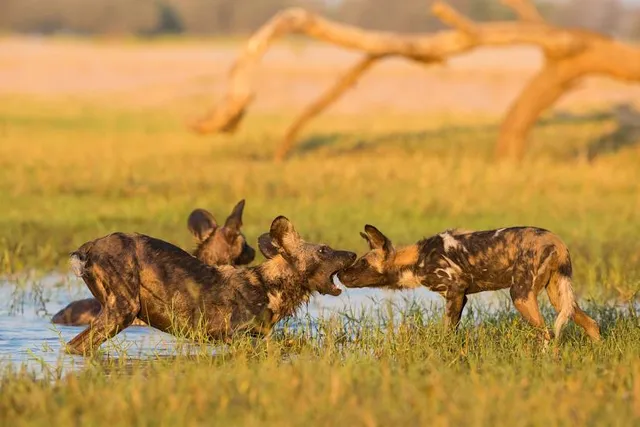
The park is home to a variety of wildlife species, including African elephants, lions, leopards, cheetahs, and buffaloes. Notably, it serves as a critical habitat for endangered species such as the black rhinoceros and the red-fronted gazelle. Birdlife is abundant, with over 320 species recorded, including the African fish eagle, marabou stork, and various waterfowl that thrive in the northern floodplains.
Despite its ecological importance, the park faces significant conservation challenges. Illegal poaching and armed conflicts have severely impacted wildlife populations, leading to the park's inclusion on the List of World Heritage in Danger since 1997. Efforts by the Central African Republic's government, in collaboration with international partners, have aimed to enhance management and protection measures. Recent initiatives include the development of a biosphere reserve encompassing the park and surrounding areas, aiming to bolster conservation efforts and engage local communities.
For visitors, the park offers unique opportunities for wildlife observation and birdwatching, particularly during the dry season from November to March when conditions are more favorable. However, due to its remote location and limited infrastructure, travel to the park requires careful planning, including securing necessary permits and arranging for experienced guides. Accommodations are minimal, often limited to basic camping facilities, emphasizing the need for self-sufficiency and preparedness.
In summary, Manovo-Gounda St. Floris National Park stands as a vital sanctuary for diverse species and ecosystems in Central Africa. While facing ongoing threats, concerted conservation efforts continue to strive toward preserving this invaluable natural heritage for future...
Read moreIn the Central African Republic, the Manovo Gounda St Floris National Park is a UNESCO World Heritage Site.
It covers an area of 1,740,000 hectares of remarkable natural formations. The vast savannahs support an ecosystem of a variety of flora and fauna. Mammals populating the park include many endangered species, such as black rhinos and red-fronted gazelles. The Dzanga-Ndoki National Park, another conservation area in the country, is part of the transboundary UNESCO World Heritage Site "Sangha Trinational," which is emblematic of the humid tropical forests across the Congo Basin....
Read moreمنتزه مانوفو جوندا سانت فلوريس الوطني (Parc National du Manovo-Gounda-Saint Floris) هو إحدى المحميات الطبيعية الوطنية في جمهورية أفريقيا الوسطى. يقع هذا المنتزه في شمال البلاد ويغطي مساحة كبيرة تقدر بحوالي 17,400 كيلومتر مربع.
تم تأسيس منتزه مانوفو جوندا سانت فلوريس الوطني في عام 1933، وتم تسجيله كموقع تراث عالمي من قبل اليونسكو في عام 1988. يضم المنتزه مزيجًا متنوعًا من البيئات الطبيعية بما في ذلك السافانا والغابات والأودية والبحيرات، مما يجعله موطنًا لتنوع بيولوجي هائل.
يُعتبر منتزه مانوفو جوندا سانت فلوريس موطنًا لعدد كبير من الحيوانات البرية، بما في ذلك الفيلة الأفريقية والزرافات والأسود والفهود والنمور والغزلان والزرافات وغيرها. كما يعتبر المنتزه موطنًا لمجموعة متنوعة من الطيور والزواحف النادرة.
ومع ذلك، تواجه مناطق المحمية تحديات بيئية كبيرة بما في ذلك الصيد غير المشروع والتصحر وفقدان الموائل الطبيعية، مما يهدد الحياة البرية في المنطقة. لذلك، يعمل الحكومة المحلية بالتعاون مع منظمات الحفاظ على الطبيعة على حماية هذه المحمية والحفاظ على التنوع البيولوجي...
Read more