HTML SitemapExplore
logo
Find Things to DoFind The Best Restaurants

Ming Dynasty Tombs — Attraction in Beijing

Name
Ming Dynasty Tombs
Description
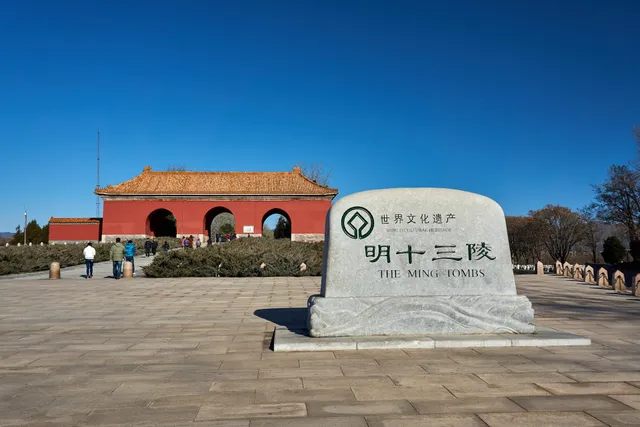
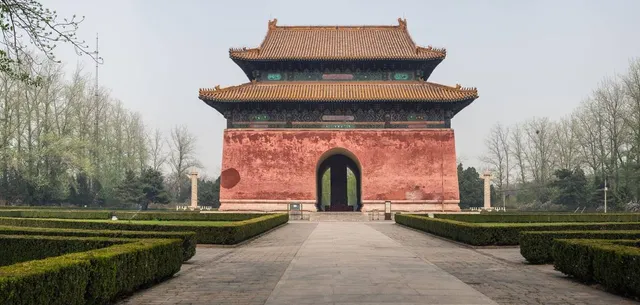
The Ming tombs are a collection of mausoleums built by the emperors of the Ming dynasty of China. The first Ming emperor's tomb is located near his capital Nanjing. However, the majority of the Ming tombs are located in a cluster near Beijing and collectively known as the Thirteen Tombs of the Ming dynasty.
Nearby attractions
Divine Road, Maoling Tomb of the Ming Tombs
766G+3J7, Changchi Rd, Changping District, Beijing, China, 102200
Nearby restaurants
世外园农家院
763G+PM3, Changping District, Beijing, China, 102200
Nearby hotels
Wohu Mountain Villa
7648+8X7, Jingyin Rd, Changping District, Beijing, China, 102200
Related posts
Keywords
Ming Dynasty Tombs tourism.Ming Dynasty Tombs hotels.Ming Dynasty Tombs bed and breakfast. flights to Ming Dynasty Tombs.Ming Dynasty Tombs attractions.Ming Dynasty Tombs restaurants.Ming Dynasty Tombs travel.Ming Dynasty Tombs travel guide.Ming Dynasty Tombs travel blog.Ming Dynasty Tombs pictures.Ming Dynasty Tombs photos.Ming Dynasty Tombs travel tips.Ming Dynasty Tombs maps.Ming Dynasty Tombs things to do.
Ming Dynasty Tombs things to do, attractions, restaurants, events info and trip planning
Ming Dynasty Tombs
ChinaBeijingMing Dynasty Tombs

Basic Info

Ming Dynasty Tombs

764F+3C3, Changchi Rd, Changping District, China, 102200
4.3(274)
Open 24 hours
Save
spot

Ratings & Description

Info

The Ming tombs are a collection of mausoleums built by the emperors of the Ming dynasty of China. The first Ming emperor's tomb is located near his capital Nanjing. However, the majority of the Ming tombs are located in a cluster near Beijing and collectively known as the Thirteen Tombs of the Ming dynasty.

Cultural
Scenic
Family friendly
Accessibility
attractions: Divine Road, Maoling Tomb of the Ming Tombs, restaurants: 世外园农家院
logoLearn more insights from Wanderboat AI.
Phone
+86 10 6076 1422

Plan your stay

hotel
Pet-friendly Hotels in Beijing
Find a cozy hotel nearby and make it a full experience.

hotel
Affordable Hotels in Beijing
Find a cozy hotel nearby and make it a full experience.

hotel
The Coolest Hotels You Haven't Heard Of (Yet)
Find a cozy hotel nearby and make it a full experience.

hotel
Trending Stays Worth the Hype in Beijing
Find a cozy hotel nearby and make it a full experience.

Reviews

Nearby attractions of Ming Dynasty Tombs

Divine Road, Maoling Tomb of the Ming Tombs

Divine Road, Maoling Tomb of the Ming Tombs

Divine Road, Maoling Tomb of the Ming Tombs

4.2

(12)

Open 24 hours
Click for details

Nearby restaurants of Ming Dynasty Tombs

世外园农家院

世外园农家院

世外园农家院

4.0

(1)

Click for details

Get the Appoverlay
Get the AppOne tap to find yournext favorite spots!
Wanderboat LogoWanderboat

Your everyday Al companion for getaway ideas

CompanyAbout Us
InformationAI Trip PlannerSitemap
SocialXInstagramTiktokLinkedin
LegalTerms of ServicePrivacy Policy

Get the app

© 2025 Wanderboat. All rights reserved.
logo

Posts

Ariful HoqueAriful Hoque
The Ming tombs are a collection of mausoleums built by the emperors of the Ming dynasty of China. The first Ming emperor's tomb is located near his capital Nanjing. However, the majority of the Ming tombs are located in a cluster near Beijing and collectively known as the Thirteen Tombs of the Ming Dynasty (Chinese: 明十三陵; pinyin: Míng Shísān Líng; literally: 'Ming Thirteen Mausoleums'). They are within the suburban Changping District of Beijing Municipality, 42 kilometres (26 mi) north-northwest of Beijing city center. The site, on the southern slope of Tianshou Mountain (originally Huangtu Mountain), was chosen based on the principles of feng shui by the third Ming emperor, the Yongle Emperor. After the construction of the Imperial Palace (Forbidden City) in 1420, the Yongle Emperor selected his burial site and created his own mausoleum. The subsequent emperors placed their tombs in the same valley.
Sharon KeeSharon Kee
Relatively quieter attraction in Beijing that is about slightly more than an hour drive from the city centre. There are only a few tombs out of 13 that are opened to public. Dingling, among those opened is the only tomb that has been excavated. Do just visit Dingling if you have limited time, where you can see the underground tomb where the caskets of the Ming emperor and his empresses used to lie. There is also a small exhibition on the findings of the excavation, which includes elaborate and intricately made head dress of the emperor and empress. If you do not read up on Dingling prior to the visit, or is not too aware of the history of Ming Dynasty, you might want to hire a guide or rent an automated guide, if not the visit will be meaningless and boring.
mmario939mmario939
Grobowce dynastii Ming w Pekinie, znane jako Trzynaście Grobowców (Shisanling), to niezwykły zespół nekropolii, który stanowi jedno z najważniejszych historycznych i kulturalnych miejsc w Chinach. Położone około 50 km na północ od Pekinu, w malowniczej dolinie u podnóża gór Tianshou, grobowce są miejscem spoczynku 13 z 16 cesarzy dynastii Ming (1368–1644) Odwiedzając grobowce, można poczuć się jak podróżnik w czasie. Rozległy teren, otoczony górami i lasami, emanuje spokojem i majestatem. Szczególnie godny uwagi jest grobowiec Dingling, jedyny w pełni odkopany, gdzie zwiedzający mogą zejść do podziemnego pałacu. Choć komnaty grobowe są surowe i pozbawione dawnych skarbów (wiele z nich zostało zrabowanych lub zniszczonych), to spacer po labiryncie tuneli daje unikalne wrażenie bliskości z historią. Teren grobowców jest rozległy, co pozwala na spokojne zwiedzanie i kontemplację. Warto poświęcić czas na spacer po mniej zatłoczonych grobowcach, takich jak Zhaoling czy Yongling, które oferują bardziej intymne doświadczenie i piękne widoki na okolicę. Cały kompleks jest dobrze utrzymany, a ścieżki i pawilony są w harmonii z otaczającą przyrodą, co czyni wizytę niezwykle relaksującą. Mimo że grobowce są popularną atrakcją, nie są tak zatłoczone jak Zakazane Miasto czy Wielki Mur, co pozwala na bardziej kameralne zwiedzanie. Warto zaplanować wizytę na pół dnia lub cały dzień, aby w pełni docenić rozległość kompleksu. Najlepiej odwiedzać wiosną lub jesienią, gdy pogoda jest łagodna, a krajobraz nabiera dodatkowych barw. Jedynym minusem może być fakt, że nie wszystkie grobowce są otwarte dla zwiedzających, a niektóre wymagają dodatkowej opłaty za wstęp. Transport z centrum Pekinu jest dobrze zorganizowany (autobusy, taksówki lub wycieczki grupowe), ale warto wcześniej sprawdzić rozkłady jazdy.
See more posts
See more posts
hotel
Find your stay

Pet-friendly Hotels in Beijing

Find a cozy hotel nearby and make it a full experience.

The Ming tombs are a collection of mausoleums built by the emperors of the Ming dynasty of China. The first Ming emperor's tomb is located near his capital Nanjing. However, the majority of the Ming tombs are located in a cluster near Beijing and collectively known as the Thirteen Tombs of the Ming Dynasty (Chinese: 明十三陵; pinyin: Míng Shísān Líng; literally: 'Ming Thirteen Mausoleums'). They are within the suburban Changping District of Beijing Municipality, 42 kilometres (26 mi) north-northwest of Beijing city center. The site, on the southern slope of Tianshou Mountain (originally Huangtu Mountain), was chosen based on the principles of feng shui by the third Ming emperor, the Yongle Emperor. After the construction of the Imperial Palace (Forbidden City) in 1420, the Yongle Emperor selected his burial site and created his own mausoleum. The subsequent emperors placed their tombs in the same valley.
Ariful Hoque

Ariful Hoque

hotel
Find your stay

Affordable Hotels in Beijing

Find a cozy hotel nearby and make it a full experience.

Get the Appoverlay
Get the AppOne tap to find yournext favorite spots!
Relatively quieter attraction in Beijing that is about slightly more than an hour drive from the city centre. There are only a few tombs out of 13 that are opened to public. Dingling, among those opened is the only tomb that has been excavated. Do just visit Dingling if you have limited time, where you can see the underground tomb where the caskets of the Ming emperor and his empresses used to lie. There is also a small exhibition on the findings of the excavation, which includes elaborate and intricately made head dress of the emperor and empress. If you do not read up on Dingling prior to the visit, or is not too aware of the history of Ming Dynasty, you might want to hire a guide or rent an automated guide, if not the visit will be meaningless and boring.
Sharon Kee

Sharon Kee

hotel
Find your stay

The Coolest Hotels You Haven't Heard Of (Yet)

Find a cozy hotel nearby and make it a full experience.

hotel
Find your stay

Trending Stays Worth the Hype in Beijing

Find a cozy hotel nearby and make it a full experience.

Grobowce dynastii Ming w Pekinie, znane jako Trzynaście Grobowców (Shisanling), to niezwykły zespół nekropolii, który stanowi jedno z najważniejszych historycznych i kulturalnych miejsc w Chinach. Położone około 50 km na północ od Pekinu, w malowniczej dolinie u podnóża gór Tianshou, grobowce są miejscem spoczynku 13 z 16 cesarzy dynastii Ming (1368–1644) Odwiedzając grobowce, można poczuć się jak podróżnik w czasie. Rozległy teren, otoczony górami i lasami, emanuje spokojem i majestatem. Szczególnie godny uwagi jest grobowiec Dingling, jedyny w pełni odkopany, gdzie zwiedzający mogą zejść do podziemnego pałacu. Choć komnaty grobowe są surowe i pozbawione dawnych skarbów (wiele z nich zostało zrabowanych lub zniszczonych), to spacer po labiryncie tuneli daje unikalne wrażenie bliskości z historią. Teren grobowców jest rozległy, co pozwala na spokojne zwiedzanie i kontemplację. Warto poświęcić czas na spacer po mniej zatłoczonych grobowcach, takich jak Zhaoling czy Yongling, które oferują bardziej intymne doświadczenie i piękne widoki na okolicę. Cały kompleks jest dobrze utrzymany, a ścieżki i pawilony są w harmonii z otaczającą przyrodą, co czyni wizytę niezwykle relaksującą. Mimo że grobowce są popularną atrakcją, nie są tak zatłoczone jak Zakazane Miasto czy Wielki Mur, co pozwala na bardziej kameralne zwiedzanie. Warto zaplanować wizytę na pół dnia lub cały dzień, aby w pełni docenić rozległość kompleksu. Najlepiej odwiedzać wiosną lub jesienią, gdy pogoda jest łagodna, a krajobraz nabiera dodatkowych barw. Jedynym minusem może być fakt, że nie wszystkie grobowce są otwarte dla zwiedzających, a niektóre wymagają dodatkowej opłaty za wstęp. Transport z centrum Pekinu jest dobrze zorganizowany (autobusy, taksówki lub wycieczki grupowe), ale warto wcześniej sprawdzić rozkłady jazdy.
mmario939

mmario939

See more posts
See more posts

Reviews of Ming Dynasty Tombs

4.3
(274)
avatar
5.0
51w

The Thirteen Tombs of the Ming Dynasty, collectively known as the Shi San Ling, stand as a testament to the grandeur and majesty of imperial China. Located in the rolling hills of Beijing's Changping District, this sprawling necropolis is a masterpiece of Ming-era architecture, a symphony of stone, brick, and tile that echoes the power and sophistication of 15th- to 17th-century China.

The Thirteen Tombs, built over a period of nearly 200 years, are a testament to the enduring legacy of the Ming emperors. Each tomb is a unique reflection of the personality, values, and accomplishments of its occupant, offering a fascinating glimpse into the private lives of China's imperial rulers.

As one navigates the winding paths and majestic gateways of the Shi San Ling, the sheer scale and complexity of the necropolis become apparent. The tombs, each with its own distinct character and charm, are arranged in a deliberate pattern, reflecting the intricate balance of yin and yang, the harmony of heaven and earth.

The Thirteen Tombs of the Ming Dynasty are a cultural treasure of immense significance, a testament to the artistic, architectural, and engineering prowess of the Ming-era craftsmen. As a UNESCO World Heritage Site, the Shi San Ling attracts visitors from around the world, offering a poignant reminder of the transience of imperial power and the enduring legacy of China's rich...

   Read more
avatar
5.0
10y

The Ming Tombs are located about 55 kilometers due north of urban Beijing at a specially selected site. The site was chosen by the third Ming Emperor Yongle (1402-1424), who moved the capital of China from Nanjing to Beijing. He is credited with envisioning the layout of the ancient city of Beijing as well as a number of landmarks and monuments located therein. After the construction of the Forbidden City in 1420, the Yongle Emperor selected his burial site and created his own mausoleum. The Ming tombs of the 13 emperors of the Ming Dynasty were located on the southern slope of Tianshou Mountain. From the Yongle Emperor onwards, 13 Ming Emperors were buried in this area. The tombs of the first two Ming Emperors are located near Nanjing (the capital city then). Emperor Jingtai was also not buried here, as the Emperor Tianshun had denied Jingtai an imperial burial, but was instead buried in the west of Beijing. The last Ming Emperor Chongzhen, who hanged himself in April 1644, was the last to be buried in the tomb named Si Ling by the Qing emperor, but on a much smaller scale than his predecessors. During the Ming dynasty the tombs were off limits to commoners, but in 1644 Li Zicheng’s army ransacked and set many of the tombs on fire before advancing and capturing Beijing in April...

   Read more
avatar
5.0
6y

The Ming tombs are a collection of mausoleums built by the emperors of the Ming dynasty of China. The first Ming emperor's tomb is located near his capital Nanjing. However, the majority of the Ming tombs are located in a cluster near Beijing and collectively known as the Thirteen Tombs of the Ming Dynasty (Chinese: 明十三陵; pinyin: Míng Shísān Líng; literally: 'Ming Thirteen Mausoleums'). They are within the suburban Changping District of Beijing Municipality, 42 kilometres (26 mi) north-northwest of Beijing city center. The site, on the southern slope of Tianshou Mountain (originally Huangtu Mountain), was chosen based on the principles of feng shui by the third Ming emperor, the Yongle Emperor. After the construction of the Imperial Palace (Forbidden City) in 1420, the Yongle Emperor selected his burial site and created his own mausoleum. The subsequent emperors placed their tombs in the...

   Read more
Page 1 of 7
Previous
Next