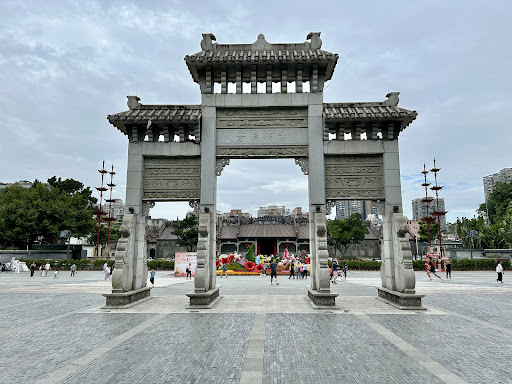
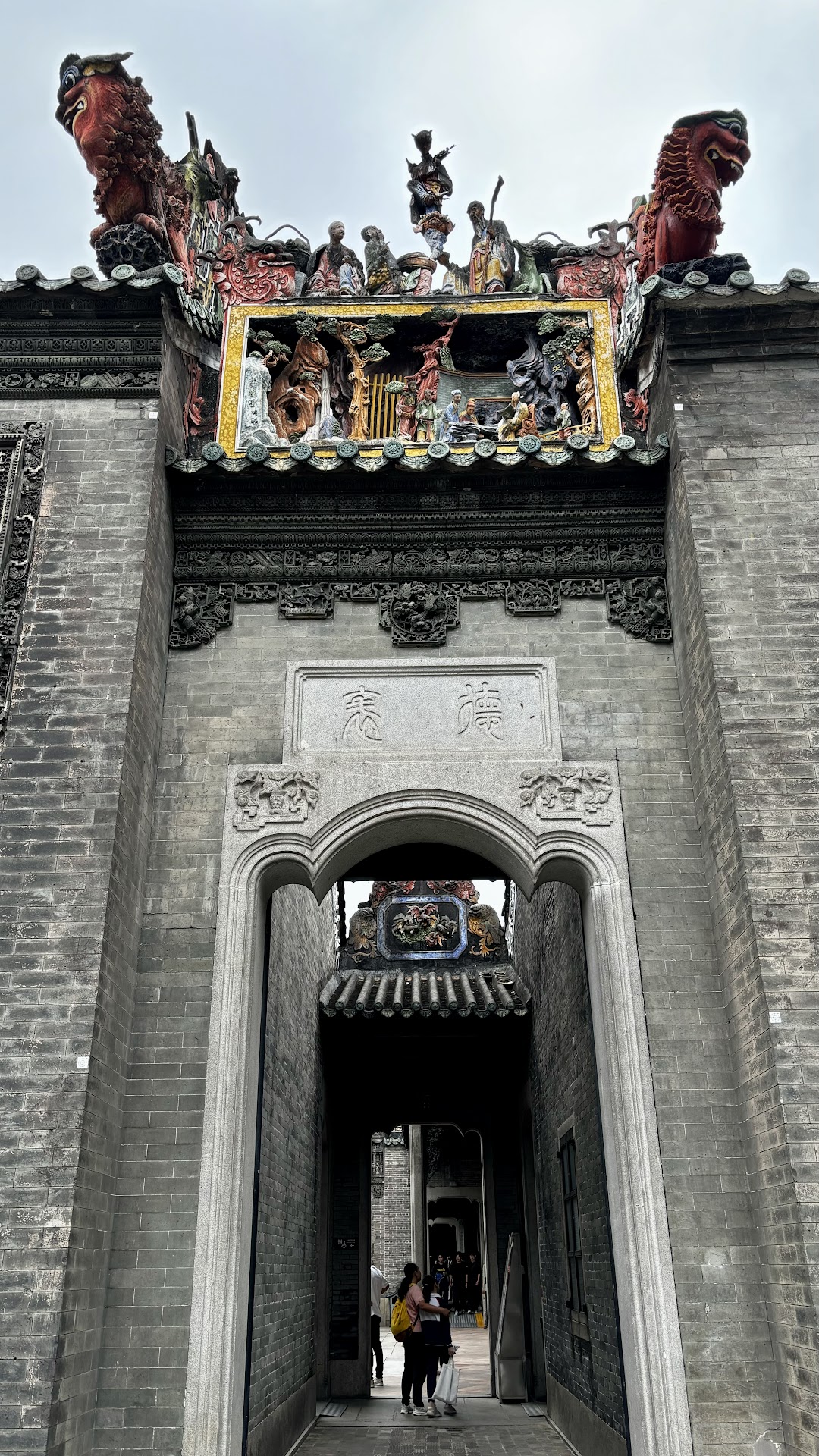
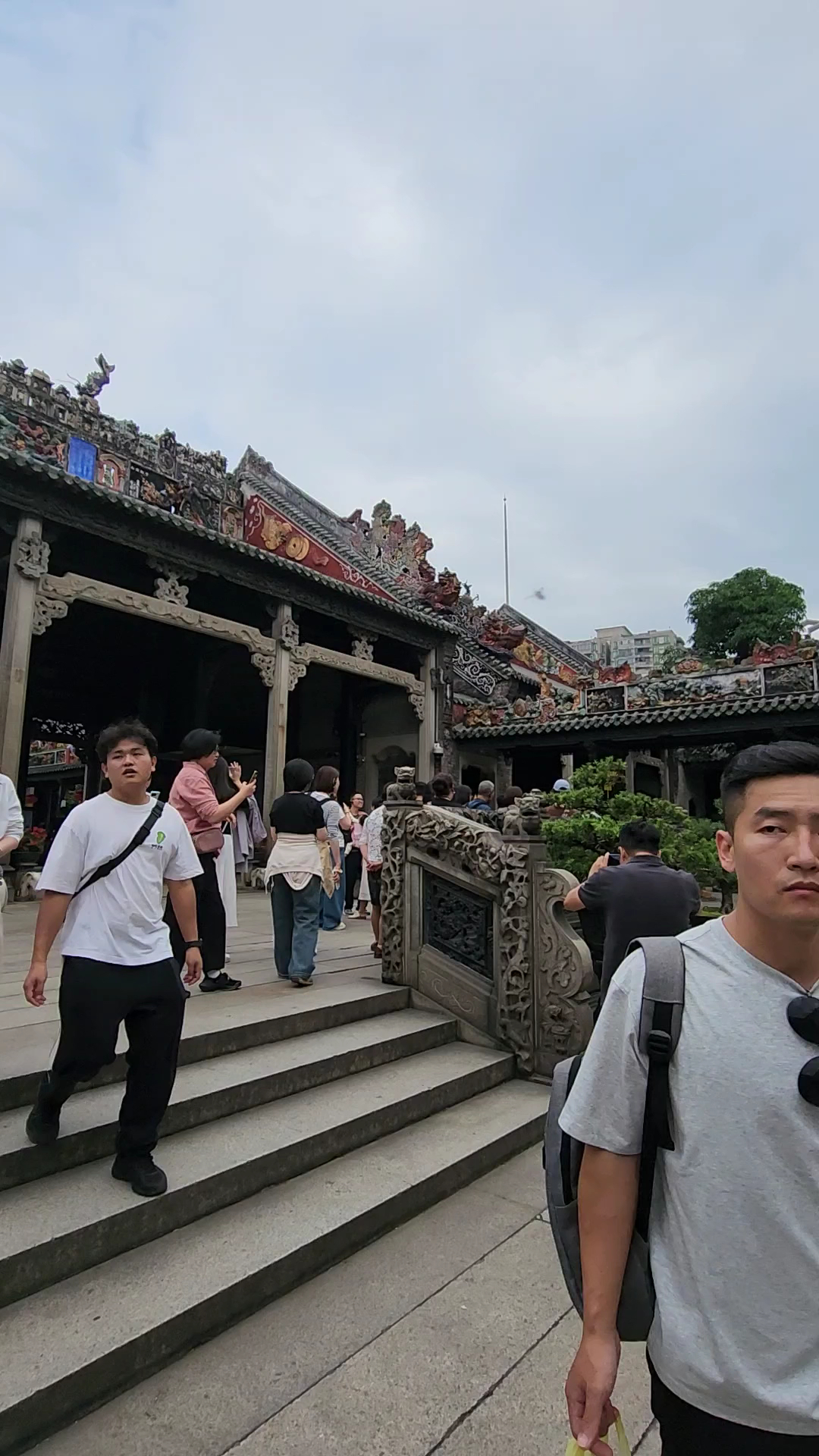
Chen Clan Ancestral Hall things to do, attractions, restaurants, events info and trip planning
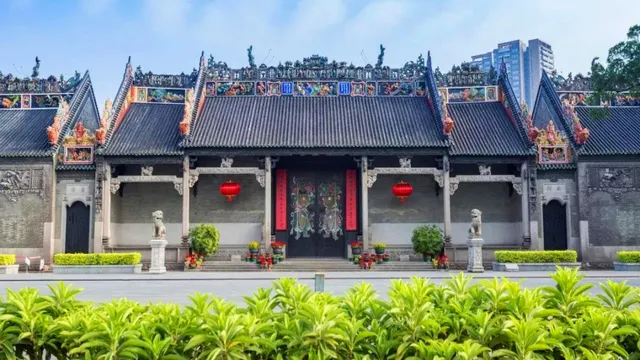
Basic Info
Chen Clan Ancestral Hall
China, Guangdong Province, Guangzhou, Liwan District, 中山七八路恩龙里34号 邮政编码: 510040
4.5(657)
Open 24 hours
Save
spot
spot
Ratings & Description
Info
The Chen Clan Ancestral Hall or Chen Clan Academy is an academic temple in Guangzhou, China, built by the 72 Chen clans for their juniors' accommodation and preparation for the imperial examinations in 1894 during the Qing dynasty.
Cultural
Scenic
Family friendly
Accessibility
attractions: Guangdong Folk Art Museum, 仁威庙, Liwanhu Park (East Gate), 流花西苑, restaurants: 佛有缘素食馆, Deng Wo Song Shang Men (Xiao Xiguan Branch), Zhenyi Food, Xinding Muslim Lanzhou Beef Stretched Noodles, 银记肠粉店, Hao Guangdong Flavor Chadian, 嘉乐蛋挞王, 六婶西关小厨, 广州美食, Xiaohongniu Hot Pot, local businesses: Chen Clan Academy Square, Yangcheng Decoration Materials Market, Carrefour
 Learn more insights from Wanderboat AI.
Phone
+86 20 8181 4559
Plan your stay

Pet-friendly Hotels in Guangzhou City
Find a cozy hotel nearby and make it a full experience.

Affordable Hotels in Guangzhou City
Find a cozy hotel nearby and make it a full experience.

The Coolest Hotels You Haven't Heard Of (Yet)
Find a cozy hotel nearby and make it a full experience.

Trending Stays Worth the Hype in Guangzhou City
Find a cozy hotel nearby and make it a full experience.
Reviews
Nearby attractions of Chen Clan Ancestral Hall
Guangdong Folk Art Museum
仁威庙
Liwanhu Park (East Gate)
流花西苑
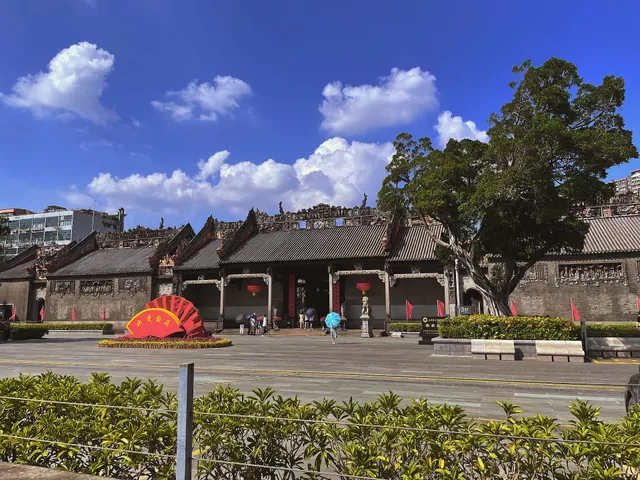
Guangdong Folk Art Museum
4.6
(21)
Open 24 hours
Click for details
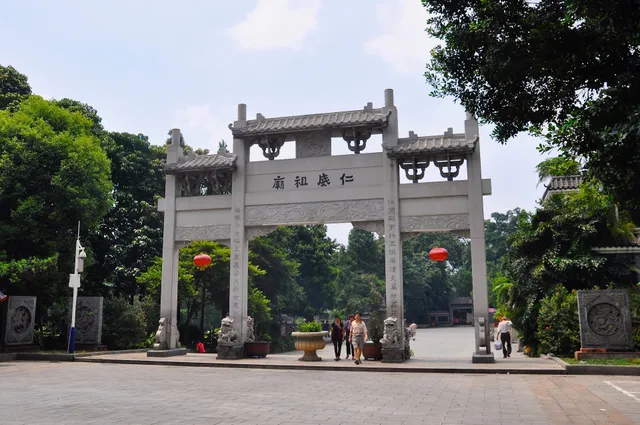
仁威庙
4.3
(13)
Open 24 hours
Click for details
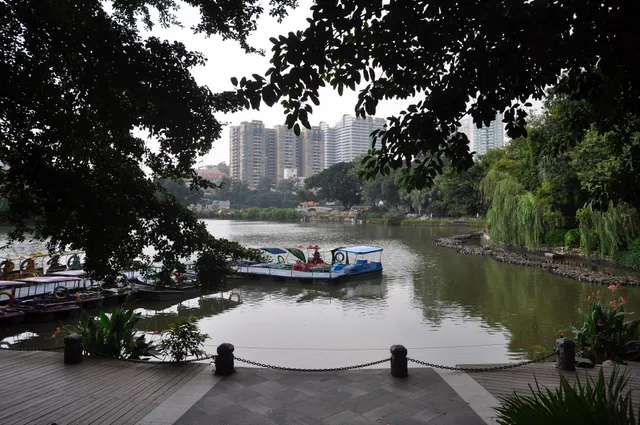
Liwanhu Park (East Gate)
3.9
(13)
Open 24 hours
Click for details
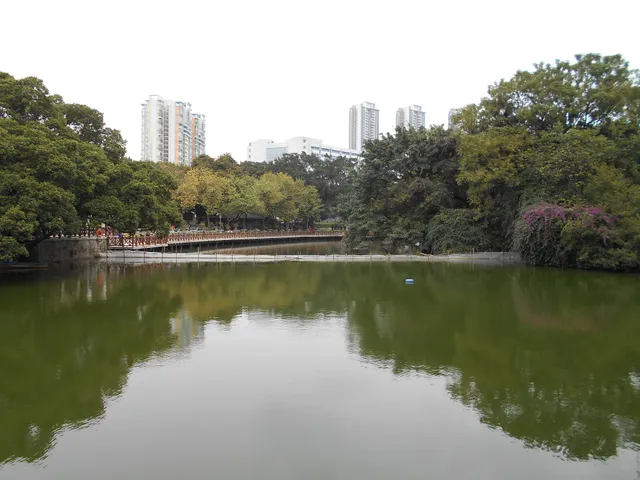
流花西苑
3.9
(9)
Open 24 hours
Click for details
Nearby restaurants of Chen Clan Ancestral Hall
佛有缘素食馆
Deng Wo Song Shang Men (Xiao Xiguan Branch)
Zhenyi Food
Xinding Muslim Lanzhou Beef Stretched Noodles
银记肠粉店
Hao Guangdong Flavor Chadian
嘉乐蛋挞王
六婶西关小厨
广州美食
Xiaohongniu Hot Pot
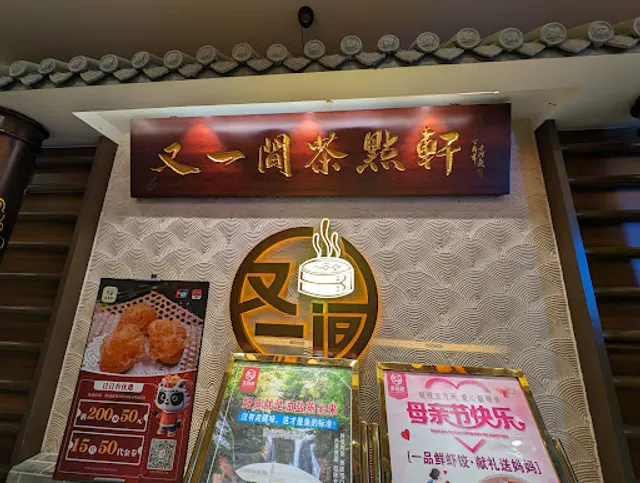
佛有缘素食馆
4.6
(39)
$$
Open until 10:00 PM
Click for details
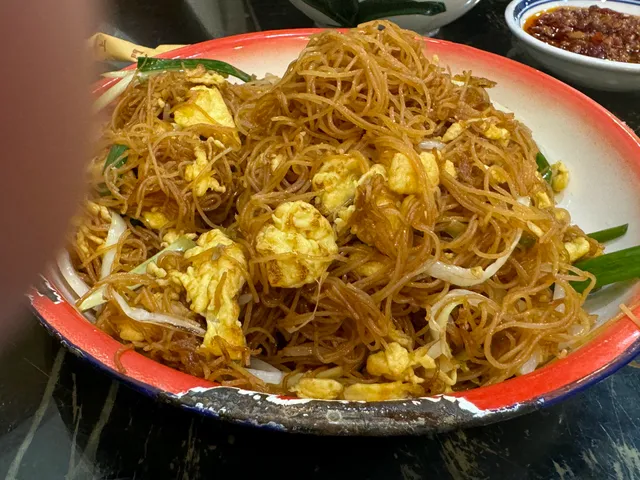
Deng Wo Song Shang Men (Xiao Xiguan Branch)
4.3
(3)
Click for details
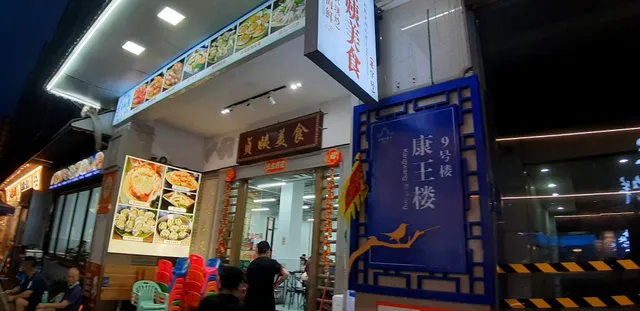
Zhenyi Food
4.5
(2)
Click for details
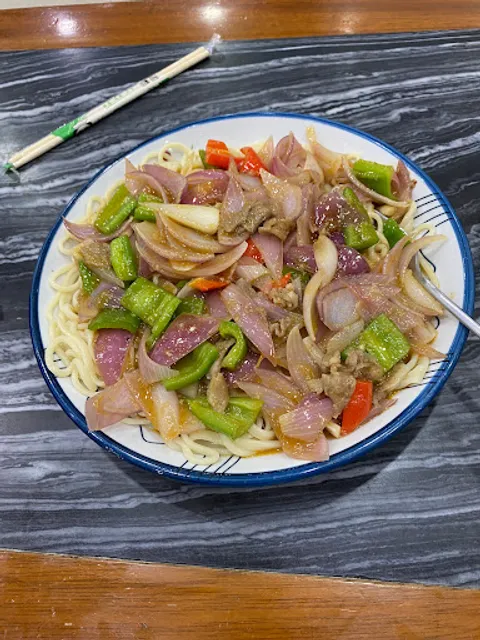
Xinding Muslim Lanzhou Beef Stretched Noodles
5.0
(10)
Click for details
Nearby local services of Chen Clan Ancestral Hall
Chen Clan Academy Square
Yangcheng Decoration Materials Market
Carrefour
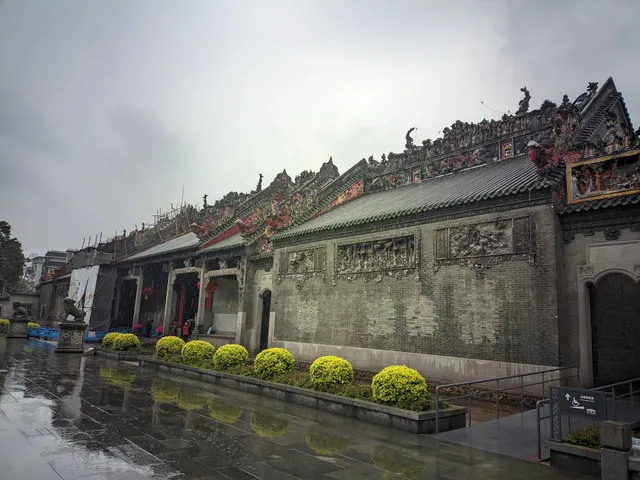
Chen Clan Academy Square
4.6
(29)
Click for details
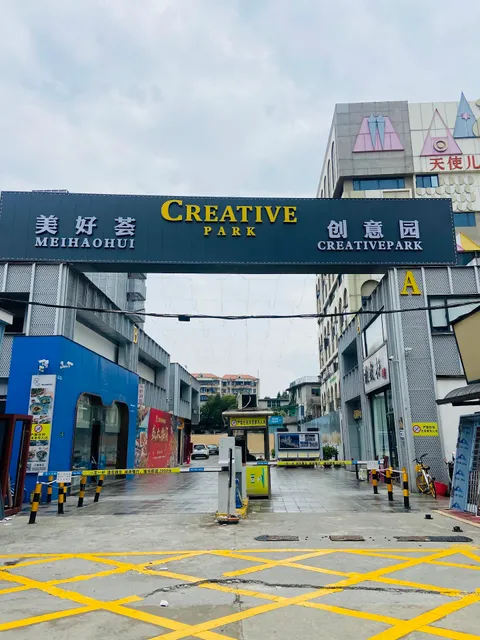
Yangcheng Decoration Materials Market
4.2
(16)
Click for details
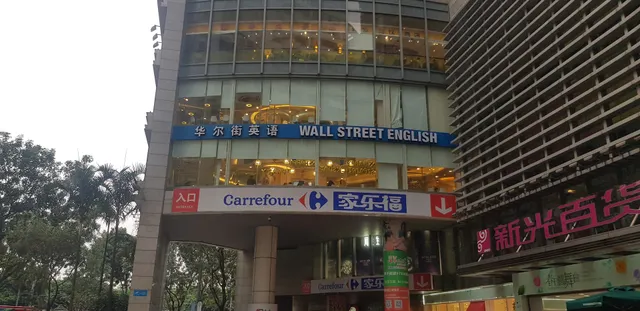
Carrefour
3.1
(9)
Click for details