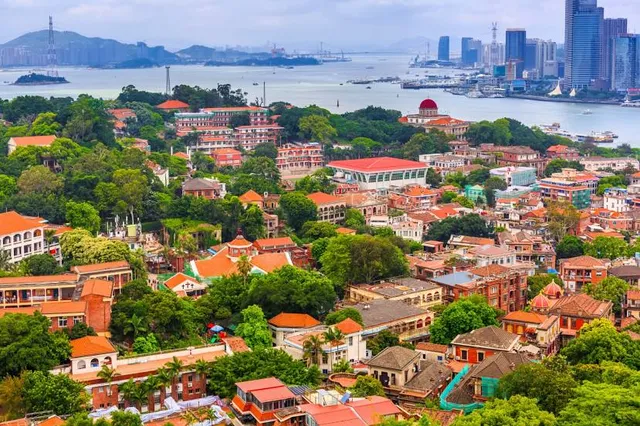
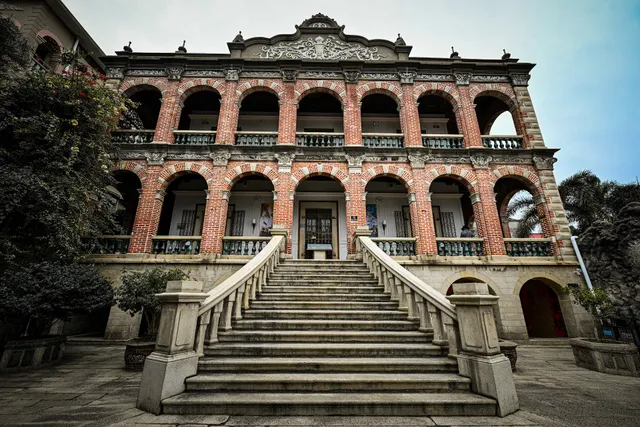
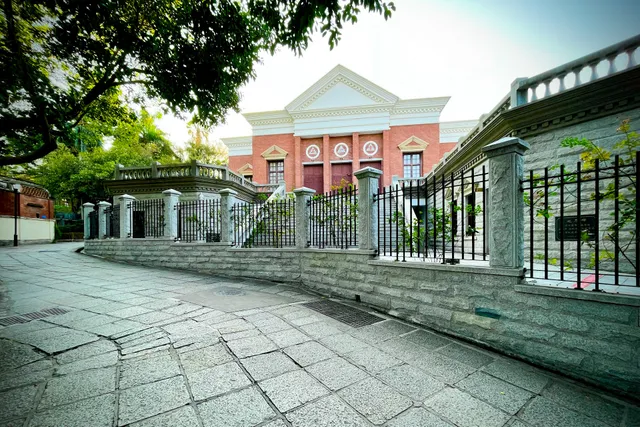
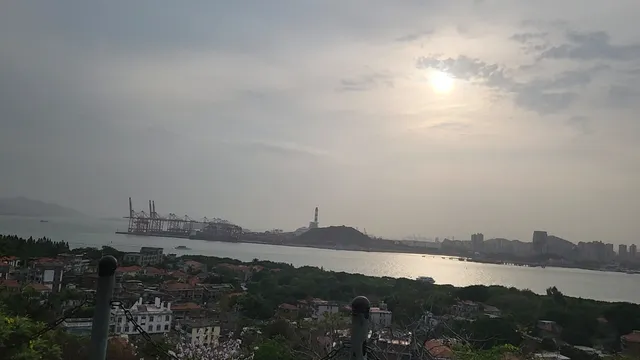
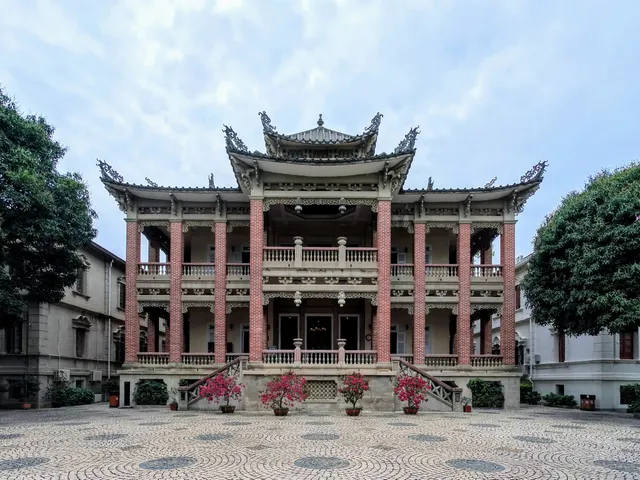
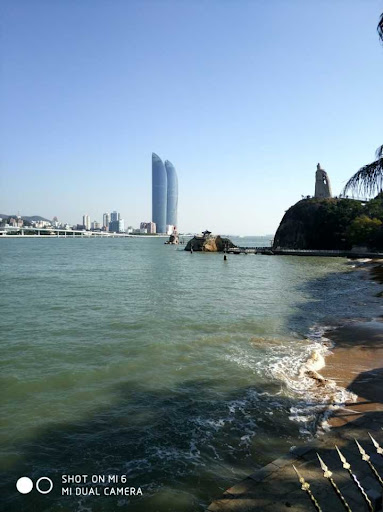
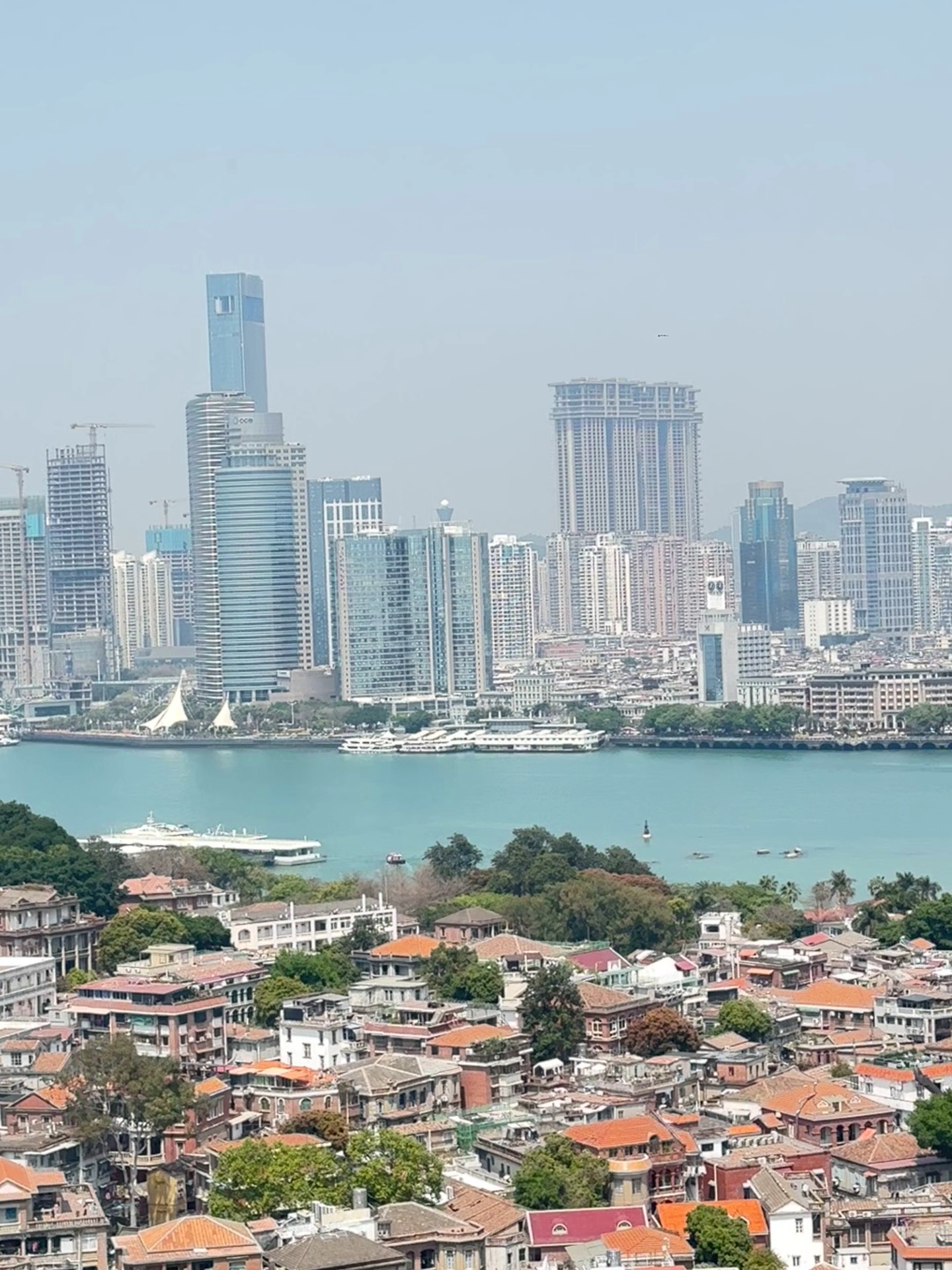
In alignment with my mother's vivid account, Gulangyu Island presents itself as a destination that, despite its dilapidated and antiquated edifices, boasts a striking geological feature known as Sunlight Rock. Ascending this prominent mound rewards visitors with sweeping vistas that encompass the entirety of the island, showcasing its unique yet somewhat melancholic charm. Beyond the widely circulated online recommendations, such as the so-called "most beautiful corner" and an assortment of local delicacies, one cannot help but notice a palpable lack of distinctive character that permeates the island's atmosphere.
During my two-day sojourn on Gulangyu, I found myself immersed in its fleeting allure, only for the experience to be abruptly overshadowed on the third day by the unexpected arrival of a fierce typhoon. This tempestuous weather event served as a stark reminder of nature's unpredictability, yet it also underscored a deeper sense of disillusionment; the thrill of exploration had faded, replaced by an overwhelming sense of resignation. It is not uncommon for visitors to experience Gulangyu once and subsequently decide against a return visit, leaving me perplexed about the enduring fascination that this seemingly unremarkable isle holds for so many.
As I wandered through the streets, I observed numerous children from outside the region diligently pursuing their studies on Gulangyu Island. Their parents, toiling away in nearby Xiamen, often shared poignant narratives on platforms like 小红书, which revealed both a deep-seated admiration for their resilience and a profound sympathy for their struggles. The juxtaposition of these families’ aspirations against the backdrop of Gulangyu’s inherent limitations left me contemplating the complexities of human experience. How is it that this diminutive island, with all its challenges, can evoke such fervent affection in the hearts of those who traverse its shores? In grappling with these questions, I find myself torn between admiration for their tenacity and a wistful acknowledgment of the sacrifices made in pursuit of a brighter future amidst the island's...
Read moreWell... If you are visiting Xiamen and you don't take out a day for this island, then you have really missed out on something.
It is one of the most beautiful places I have ever been to.
So it takes a ferry ride to get you there which can cost you up to RMB50 to RMB 308 depending upon the kind of ferry you take there are several options like those which take you around the island are more expensive.
We went at around 12 pm and bought 50rmb tickets for 130 pm ferry... There are ferries every 20min so don't worry.. some people say that you need to book the tickets in advance but I don't think that is a problem or maybe we were very lucky...we went on a Saturday when many people are there and still got the tickets over the counter.
After reaching the island, you should definitely take the electric cart for RMB 50 which will take you around the island and drop you to different parts and also pick you up again and drop you back to the exit. Keep your tickets safe to show every time you want to take the cart.
The island is so big that even one day is not enough to see it all... We saw the museum which had piano museum and 12 caves in it. And also there is motor boat rides in the beach, which I think was very expensive (RMB150 for Scooter and RMB 300 for the boat) only thing I feel is that asking for tickets everywhere is very expensive. One tickets to island and one to the cart is what we should be charged.
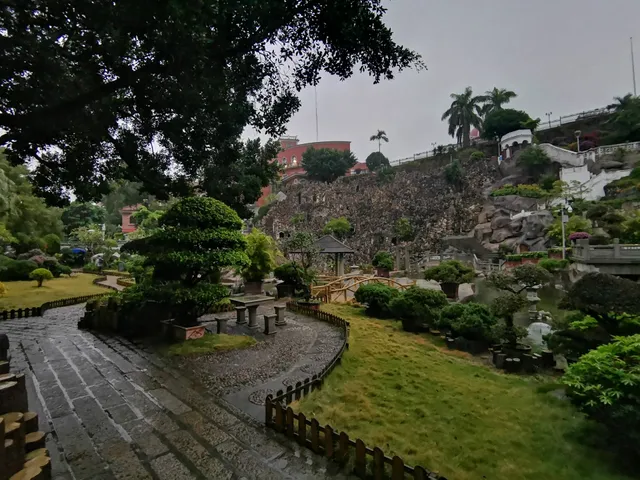
The place is full of greenry and is so beautiful.. we enjoyed a lot and luckily it rained the day we went so it was not too hot. Piano museum is also worth a visit.
Later on we went to the under water fish aquarium which has a lot of different kinds of fish and is a place you can spend some of your time. But again you have to spend RMB 90 for the ticket.
There are a lot of souvenir shops, some restaurant and also a hotel within this island. But yes everything is expensive and food.is not vegetarian friendly so pack something for yourself and...
Read moreThe Gulangyu, Gulang Island or Kulangsu is a pedestrian-only island off the coast of Xiamen, Fujian Province in southerneastern China. A UNESCO World Cultural Heritage Site, the island is about 2 km2 (0.77 sq mi) in area, and is reached by a 5-minute ferry ride from downtown Xiamen. Although only about 20,000 people live on the island, Gulangyu is a major domestic tourist destination, attracting more than 10 million visitors per year, and making it one of China's most visited tourist attractions. Gulangyu not only bans cars, but also bicycles. The only vehicles permitted are small electric buggies and electric government service vehicles.
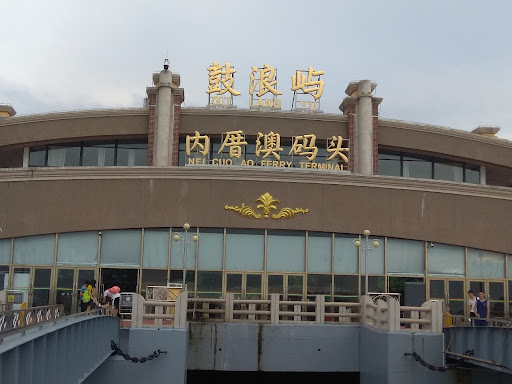
Visitors can reach Gulangyu by ferry from the ferry terminal in Xiamen. Local residents are allowed to use a shorter 5-minute ferry to/from the Lun Du Ferry Terminal. During the day (every 20 minutes, 7:10am–5:50pm), tourists and non-locals must take a 20-minute ferry ride from the Dongdu International Cruise Terminal to either Nei Cuo Ao or Kulangsu Town, which costs 35 yuan. After 6pm, tourists and non-locals can now take a more convenient ferry from Lundu Terminal 2, which drops off at San Qiu Tian Terminal in Kulangsu Town. That service runs all night, and costs 35 yuan between 6pm and midnight (every 20 minutes) and 5 yuan between midnight and 7am (every hour).
Gulangyu Island is renowned for its beaches and winding lanes and its varied architecture. The island is on China's list of National Scenic Spots, is classified as a 5A tourist attraction by the China National Tourism Administration (CNTA), and ranks at the top of the list of the ten most-scenic areas in...
Read more