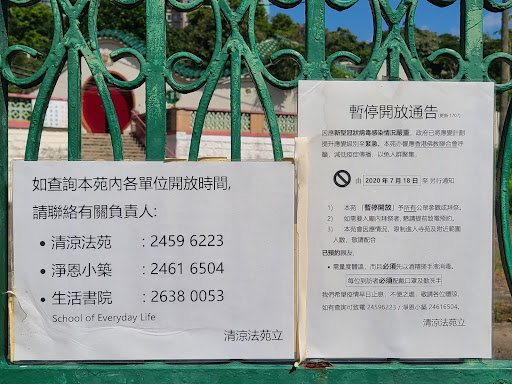
Ching Leung Nunnery things to do, attractions, restaurants, events info and trip planning
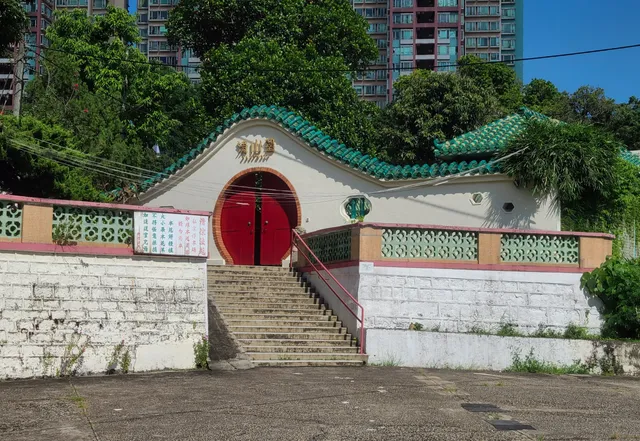
Basic Info
Ching Leung Nunnery
Castle Peak Rd - Lingnan, Tuen Mun, Hong Kong
3.5(35)
Open 24 hours
Save
spot
spot
Ratings & Description
Info
Cultural
Relaxation
Family friendly
Accessibility
attractions: Gig Lok Monastery, Ching Chung Koon, Tuen Mun Riverside Park, Tuen Mun San Tsuen Mural, San Wo Lane Playground, restaurants: McDonald's (Siu Hong Court), San Luen Fai Restaurant, Sushi Take-Out (MTR Siu Hong Station), 和生飯店, Province Hot-Pot and Seafood Restaurant, Lingnan House, Maxim's Catering Services, McDonald's (Fu Tai Estate), Pillowtalk Restaurant and Bar, McDonald's (Prime View Garden), local businesses: Shing Hing Loong, Tuen Mun Tang Shiu Kin Sports Ground
 Learn more insights from Wanderboat AI.
Phone
+852 2459 6223
Website
fushantang.com
Plan your stay

Pet-friendly Hotels in Hong Kong
Find a cozy hotel nearby and make it a full experience.

Affordable Hotels in Hong Kong
Find a cozy hotel nearby and make it a full experience.

The Coolest Hotels You Haven't Heard Of (Yet)
Find a cozy hotel nearby and make it a full experience.

Trending Stays Worth the Hype in Hong Kong
Find a cozy hotel nearby and make it a full experience.
Reviews
Live events
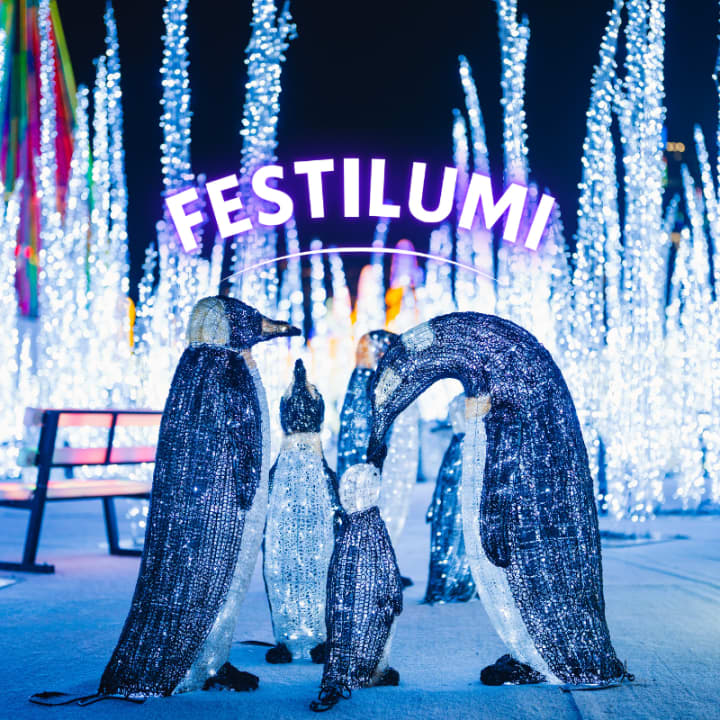
Festilumi - 香港
Sat, Feb 21 • 7:00 PM
3 Hung Hing Rd, Wan Chai, 00000
View details
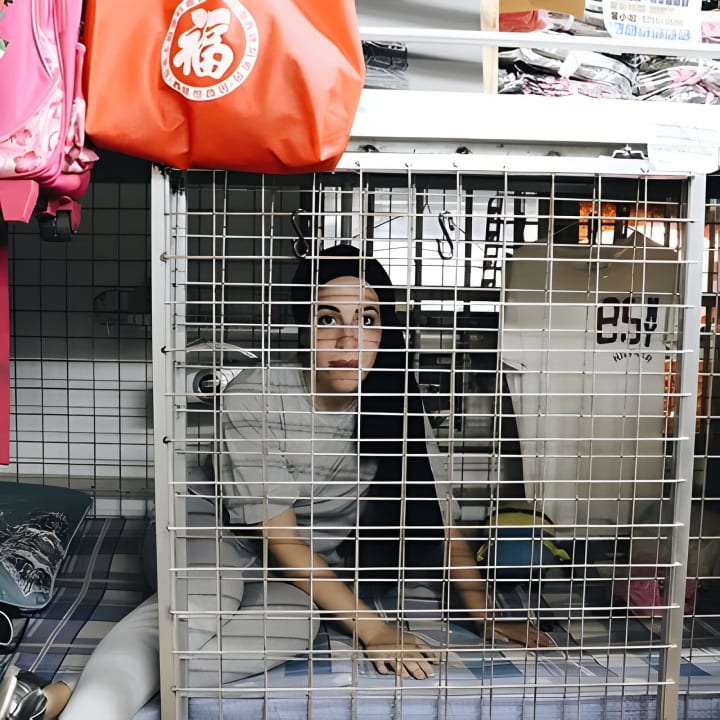
香港的黑暗面 - 九龙笼屋漫步之旅
Sat, Feb 21 • 11:00 AM
太子彌敦道
View details
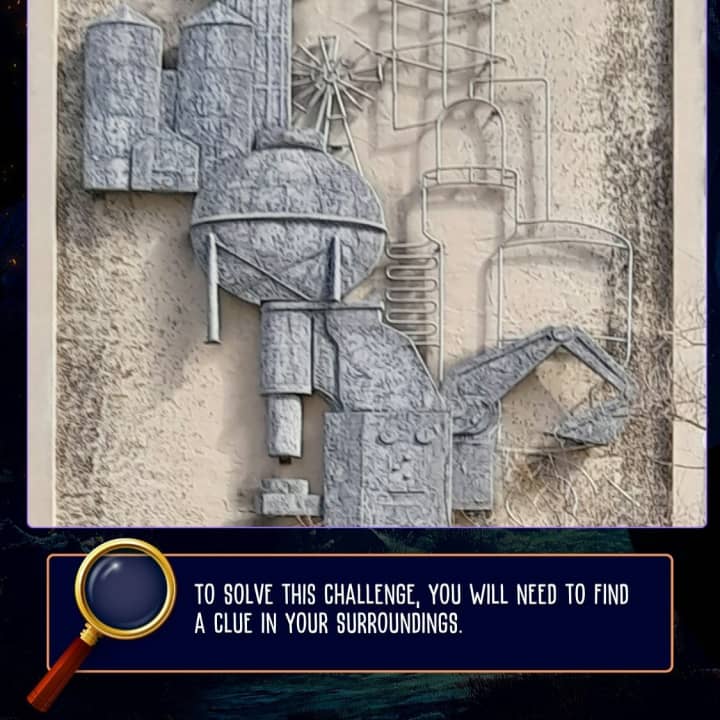
Hong Kong Detective Game: Join the Secret Society!
Sun, Feb 1 • 12:00 AM
Statue Square, Des Voeux Rd Central, Central, Hong Kong, 75J5+CW
View details
Nearby attractions of Ching Leung Nunnery
Gig Lok Monastery
Ching Chung Koon
Tuen Mun Riverside Park
Tuen Mun San Tsuen Mural
San Wo Lane Playground
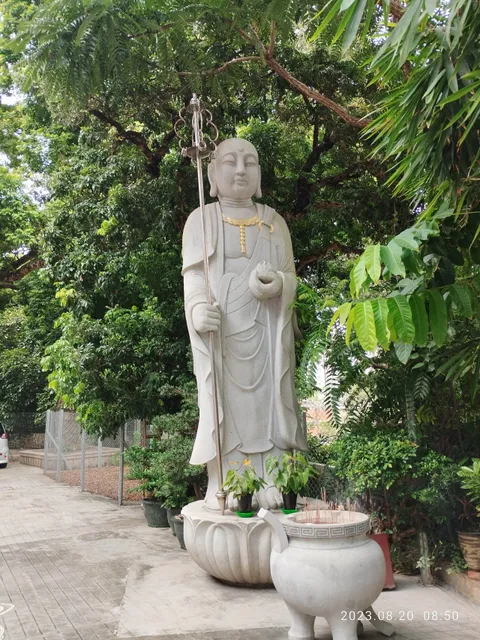
Gig Lok Monastery
4.3
(45)
Closed
Click for details
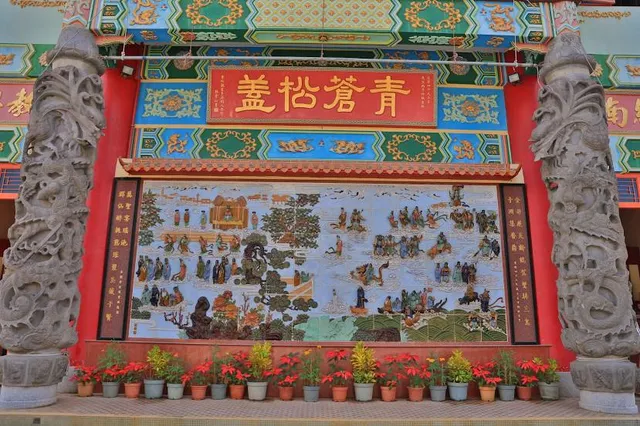
Ching Chung Koon
3.9
(663)
Closed
Click for details
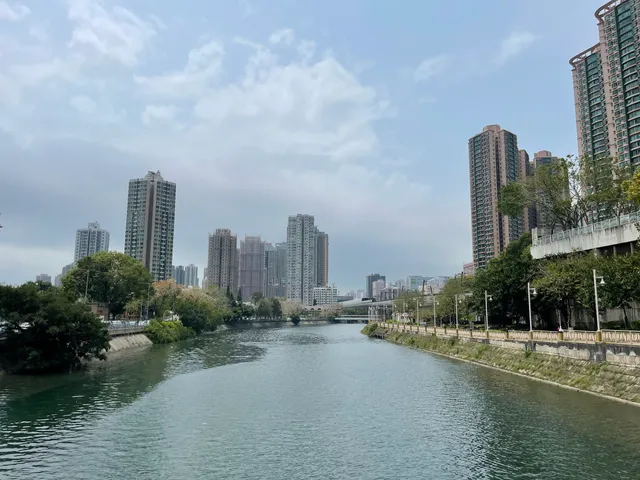
Tuen Mun Riverside Park
4.1
(46)
Open until 12:00 AM
Click for details
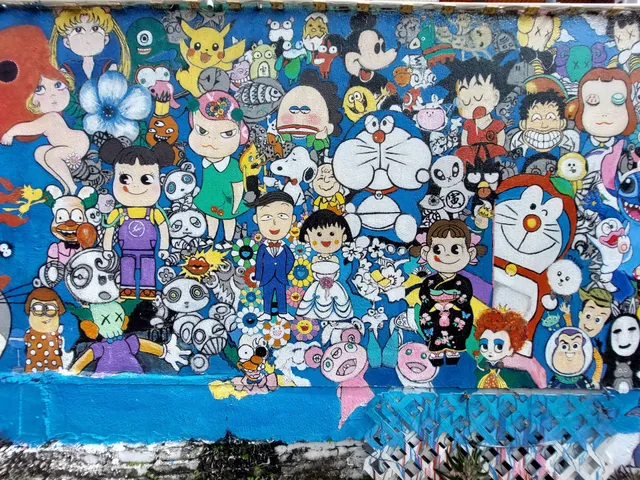
Tuen Mun San Tsuen Mural
4.0
(66)
Open 24 hours
Click for details
Nearby restaurants of Ching Leung Nunnery
McDonald's (Siu Hong Court)
San Luen Fai Restaurant
Sushi Take-Out (MTR Siu Hong Station)
和生飯店
Province Hot-Pot and Seafood Restaurant
Lingnan House
Maxim's Catering Services
McDonald's (Fu Tai Estate)
Pillowtalk Restaurant and Bar
McDonald's (Prime View Garden)
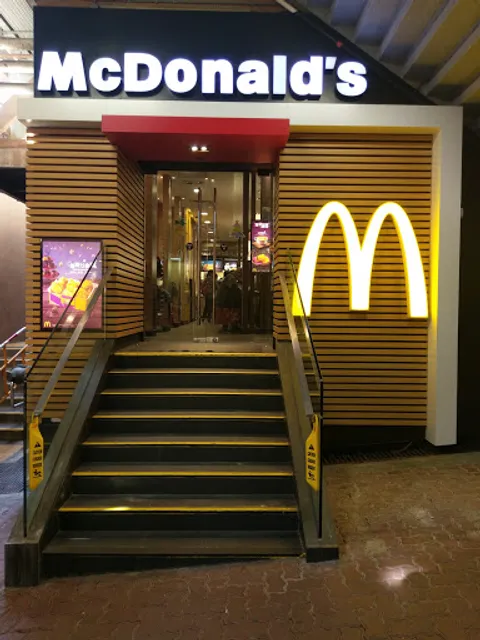
McDonald's (Siu Hong Court)
3.2
(392)
Open until 11:00 PM
Click for details
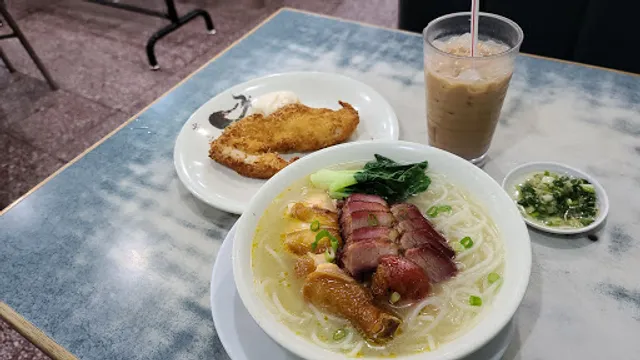
San Luen Fai Restaurant
3.2
(181)
Closed
Click for details
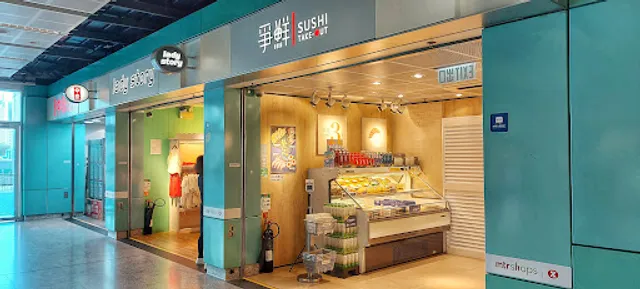
Sushi Take-Out (MTR Siu Hong Station)
3.7
(10)
$
Closed
Click for details
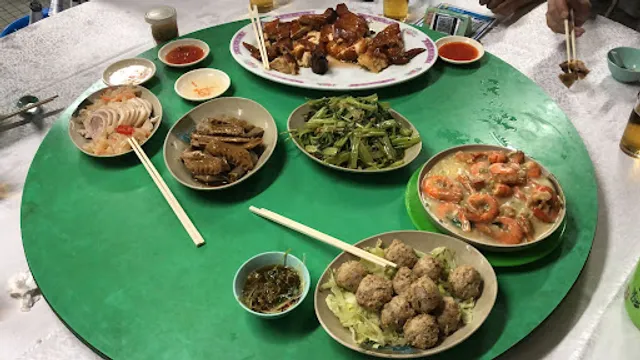
和生飯店
3.6
(237)
Closed
Click for details
Nearby local services of Ching Leung Nunnery
Shing Hing Loong
Tuen Mun Tang Shiu Kin Sports Ground
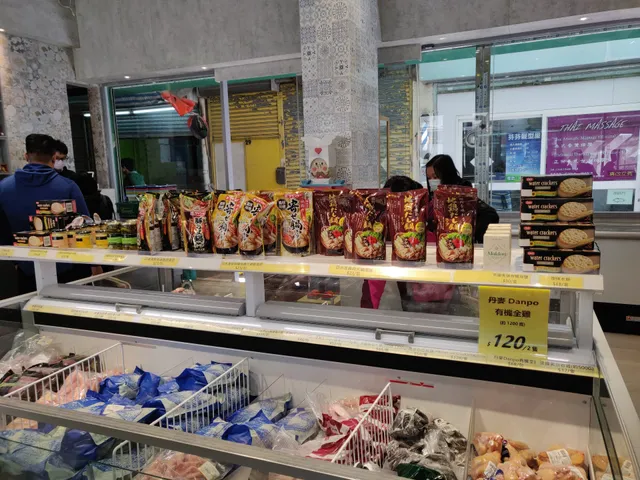
Shing Hing Loong
4.2
(252)
Click for details
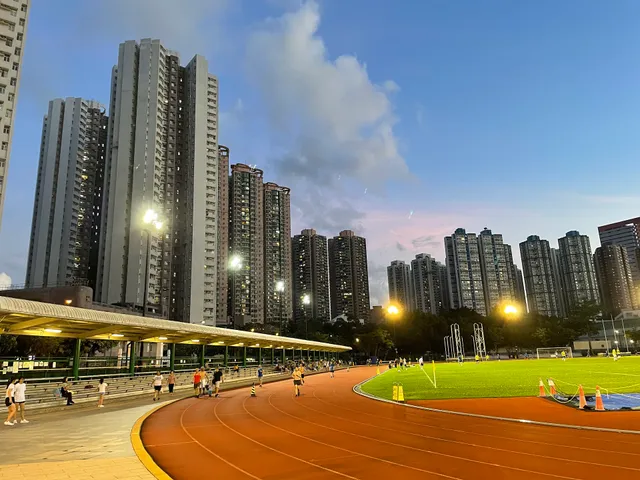
Tuen Mun Tang Shiu Kin Sports Ground
4.0
(419)
Click for details