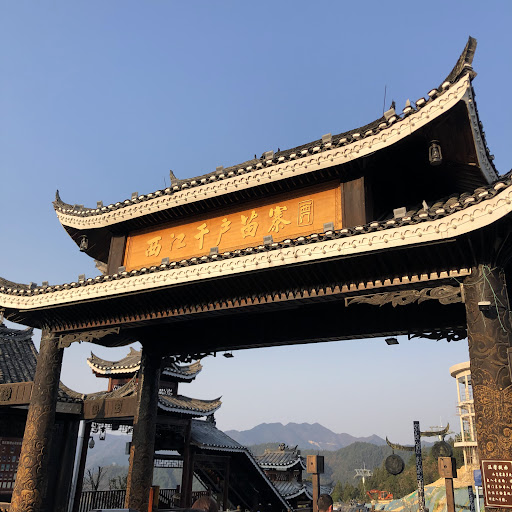
Xi Jiang Qianhu Miao Village (西江千户苗寨) is a remarkable cultural and scenic destination located in Leishan County, Qiandongnan Miao and Dong Autonomous Prefecture, Guizhou Province, China. Let me share some fascinating details about this unique place:
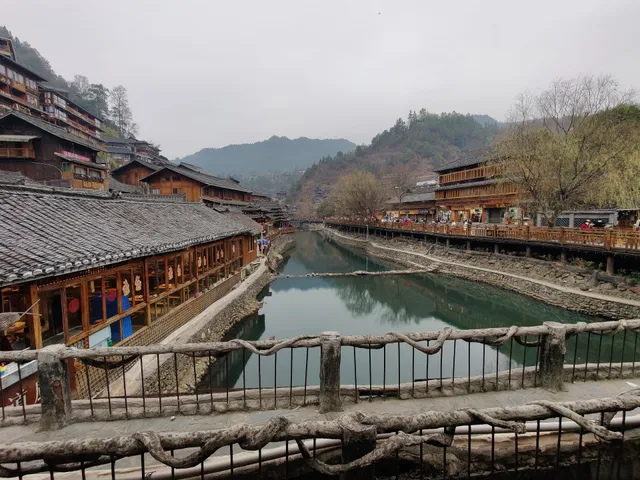
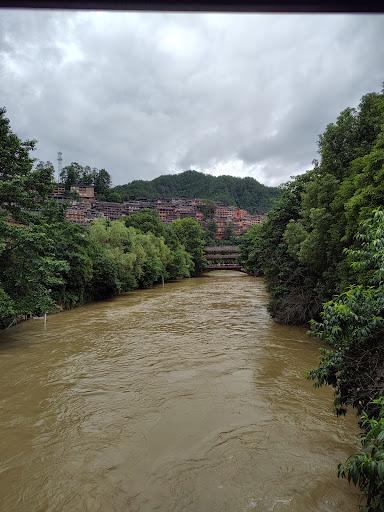
Historical Significance: The village has a history spanning over 2,000 years and is one of the largest Miao ethnic settlements in the world. It played a crucial role during the five major migrations of the Miao people in Chinese history. The name “Xi Jiang” translates to “western river,” reflecting its location along the White Water River. Architectural Marvels: Xi Jiang Qianhu Miao Village is renowned for its hanging wooden houses (吊脚楼), which cling to the mountainside. These unique structures adapt to the terrain, creating a layered and picturesque landscape. The village features both flatland hanging houses and slope hanging houses with distinct architectural styles. Cultural Heritage: The village serves as an open-air museum, showcasing the epic history of Miao culture. Visitors can explore the Miao Ethnic Museum, which exhibits artifacts, costumes, and traditional practices. Festivals, silver jewelry, embroidery, and local cuisine are integral to the rich cultural tapestry. Scenic Beauty: Surrounded by mountains, Xi Jiang offers breathtaking views from its observation deck. The Wind and Rain Bridge (风雨桥) provides both shelter and aesthetic charm. The entire village spans approximately 50 square kilometers. Recognition and Protection: In 1982, Xi Jiang was designated as a folk tourism attraction along Guizhou’s eastern route. It received provincial-level protection as a cultural heritage site in 1992. The unique hanging houses were included in the national intangible cultural heritage list in 2005. Practical Information: Opening Hours: The village is open year-round. Ticket Price: Approximately 90 yuan per person. Notable attractions include the Miao Ethnic Museum, the Wind and Rain Bridge, and the enchanting night views of Xi Jiang. If you plan to visit, immerse yourself in the vibrant Miao culture, explore the architectural wonders, and enjoy the scenic beauty of Xi Jiang Qianhu...
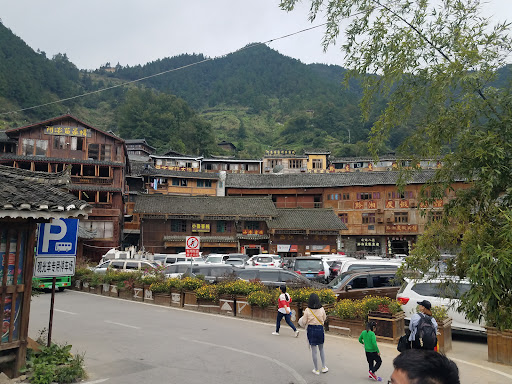
Read moreXijiang Miao Village (Chinese name: 西江千户苗寨), also named 'China's Miao stockade village of one thousand households’, is supposed to be the largest Miao Village in China. A continuous row of houses spreads in line of the hilly area. Very commercialise villages with decorated shops to sell souvenirs and foods. You don’t really see the Miao villages.
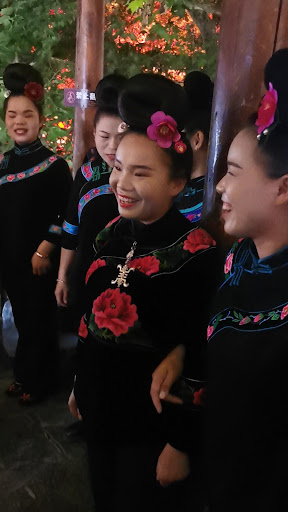
Senior Miao women wear their long dark hair coiled up in neat buns on the top of their heads while the younger Miao women prefer to adorn them with large colorful plastic or bone combs and pretty flowers. Each woman has her traditional clothing, head dress and other jeweler which is worn at special festivals throughout the year.
Xijiang Miao Village, located in the northeast at the foot of Leishan mountain in Leishan county, Guizhou Qiandongnan Miao and Dong Autonomous Prefecture, 36 km from the county and 35 km from the prefecture state Kaili, about 260 km from the provincial capital Guiyang. It was built up by more than 10 connected mountain village and is currently the biggest Miao village in China.
Good for some picture taking from the TOP and you have to track down the slope from carpark and then track back . A little challenge for those have walking difficulties...
Read moreAvoid holidays unless you want to do a lot of people watching and the usual crowds. Best way to describe this place is a Disneyland done Chinese style without the rides. (2018)entry ticket is 110CNY. Lots of small shops, and restaurants available inside. Recommed you get 1 or 2 bus tickets added to your entry ticket. Use the bus at the entrance to the village. Use the 2nd bus to an higher elevation (5min ride). Definately try the local Mijiu wine. Its a tourist trap, but you know that going in. 3.5+ hours from Guizhou by bus. Very little English or Swahili...
Read more