HTML SitemapExplore
logo
Find Things to DoFind The Best Restaurants

Drepung Monastery — Attraction in Lhasa

Name
Drepung Monastery
Description
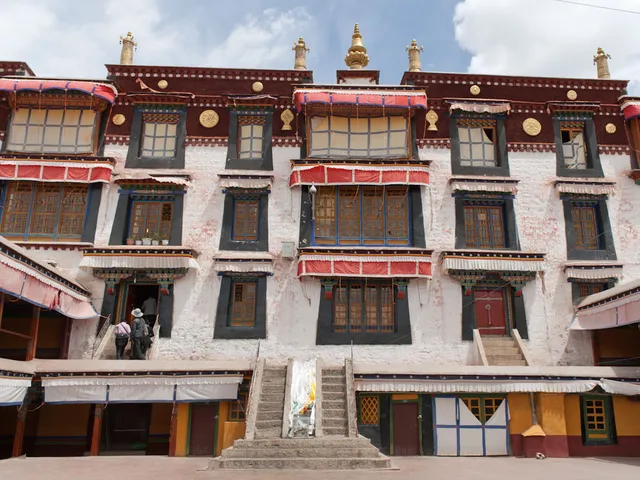
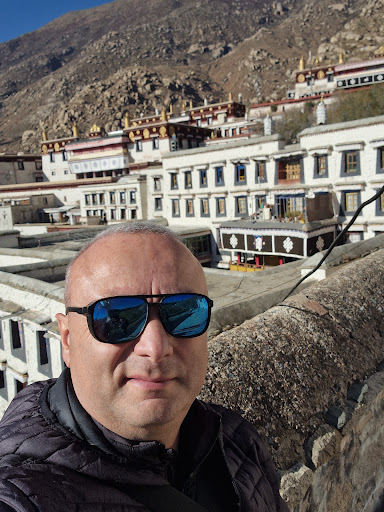
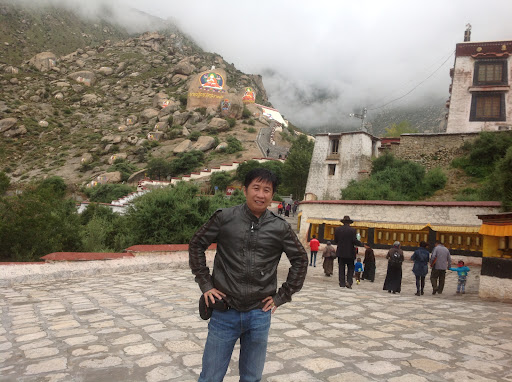
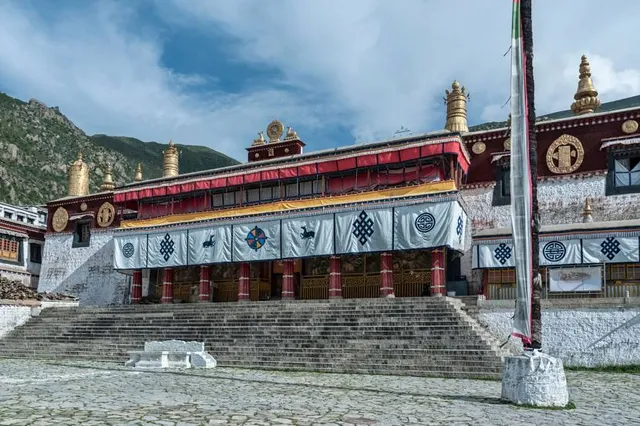
Drepung Monastery, located at the foot of Mount Gephel, is one of the "great three" Gelug university gompas of Tibet. The other two are Ganden Monastery and Sera Monastery. Drepung is the largest of all Tibetan monasteries and is located on the Gambo Utse mountain, five kilometers from the western suburb of Lhasa.
Nearby attractions
Nearby restaurants
Related posts
Keywords
Drepung Monastery tourism.Drepung Monastery hotels.Drepung Monastery bed and breakfast. flights to Drepung Monastery.Drepung Monastery attractions.Drepung Monastery restaurants.Drepung Monastery travel.Drepung Monastery travel guide.Drepung Monastery travel blog.Drepung Monastery pictures.Drepung Monastery photos.Drepung Monastery travel tips.Drepung Monastery maps.Drepung Monastery things to do.
Drepung Monastery things to do, attractions, restaurants, events info and trip planning
Drepung Monastery
ChinaTibetLhasaDrepung Monastery

Basic Info

Drepung Monastery

M2FX+8MR, Lhasa, Tibet, China, 850033
4.8(86)
Open 24 hours
Save
spot

Ratings & Description

Info

Drepung Monastery, located at the foot of Mount Gephel, is one of the "great three" Gelug university gompas of Tibet. The other two are Ganden Monastery and Sera Monastery. Drepung is the largest of all Tibetan monasteries and is located on the Gambo Utse mountain, five kilometers from the western suburb of Lhasa.

Cultural
Scenic
Accessibility
attractions: , restaurants:
logoLearn more insights from Wanderboat AI.
Website
drepunggomang.org

Plan your stay

hotel
Pet-friendly Hotels in Lhasa
Find a cozy hotel nearby and make it a full experience.
hotel
Affordable Hotels in Lhasa
Find a cozy hotel nearby and make it a full experience.
hotel
The Coolest Hotels You Haven't Heard Of (Yet)
Find a cozy hotel nearby and make it a full experience.
hotel
Trending Stays Worth the Hype in Lhasa
Find a cozy hotel nearby and make it a full experience.

Reviews

Get the Appoverlay
Get the AppOne tap to find yournext favorite spots!
Wanderboat LogoWanderboat

Your everyday Al companion for getaway ideas

CompanyAbout Us
InformationAI Trip PlannerSitemap
SocialXInstagramTiktokLinkedin
LegalTerms of ServicePrivacy Policy

Get the app

© 2025 Wanderboat. All rights reserved.
logo

Reviews of Drepung Monastery

4.8
(86)
avatar
5.0
51w

Drepung Monastery, located near Lhasa, Tibet’s capital, is one of the largest and most important Buddhist monasteries in the region. Founded in 1416 by Jamyang Choge, a disciple of Tsongkhapa (the founder of the Gelug school of Tibetan Buddhism), Drepung quickly became an influential center of learning and spirituality. At its peak, the monastery housed over 10,000 monks and played a significant role in Tibetan religious and political life. Tibet, often referred to as the "Roof of the World," is a high-altitude region in Central Asia, known for its towering mountains, unique culture, and religious significance. The term "Roof of the World" reflects Tibet's vast Tibetan Plateau, which sits at an average elevation of 4,500 meters (14,800 feet) above sea level. Among Tibet's cultural and religious landmarks, Drepung Monastery holds a special place.

The monastery is situated on the Gambo Utse Mountain, offering breathtaking views of Lhasa and the surrounding area. Its name, "Drepung," means "the gathering of rice" in Tibetan, symbolizing the large number of monks living and studying there. The monastery is known for its extensive collection of Buddhist scriptures, artwork, and relics, making it a key site for pilgrims and tourists alike.

Drepung is closely associated with the Dalai Lama lineage. Before the Dalai Lama's exile to India in the 1950s, the monastery was home to the Ganden Tripa, the spiritual leader of the Gelug school, and was an important center for training future leaders of Tibetan Buddhism. The monastery was also a political center, as it hosted important figures in Tibet's religious and political hierarchy.

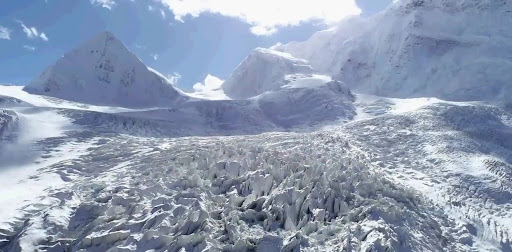
Tibet's title as the "Roof of the World" comes from its geographic position and altitude. The Tibetan Plateau is the highest and largest plateau on Earth, often reaching over 4,500 meters (14,800 feet) above sea level. The region is surrounded by some of the world’s highest mountains, including the Himalayas to the south and the Kunlun Mountains to the north, which contribute to its cold climate and snowy landscapes.

Tibet is also home to the highest peak in the world, Mount Everest, which marks the region’s natural boundary with Nepal. The combination of its high altitude, extreme climate, and vast, rugged landscapes gives Tibet its distinct and awe-inspiring identity as the "Roof of the World."

This title reflects not only Tibet’s physical elevation but also its cultural and spiritual significance. Tibet is considered a sacred land for Tibetan Buddhism, with numerous monasteries, sacred lakes, and mountains seen as spiritually important. The region’s isolation, difficult terrain, and spiritual heritage make it a place of profound significance for both the local population and pilgrims from around the world.

Drepung Monastery embodies the essence of Tibet as the "Roof of the World." It is not only an architectural and cultural marvel but also a center of spiritual life. The monastery has been a place of study, meditation, and prayer for centuries, deeply intertwined with the Tibetan Buddhist tradition. Its teachings, rituals, and monastic life have played a central role in shaping the religious landscape of Tibet.

Tibet’s natural beauty, combined with its spiritual significance, makes Drepung Monastery an important pilgrimage destination. Visitors who journey to Tibet often visit the monastery to experience the tranquility and sacred atmosphere of the site, as well as to learn more about Tibetan Buddhism. With the backdrop of the "Roof of the World," Drepung serves as a testament to the profound spirituality and resilience of the Tibetan people.

In summary, Drepung Monastery stands as a cornerstone of Tibetan Buddhism, encapsulating the spiritual and cultural essence of Tibet, which is known worldwide as the "Roof of the World" due to its majestic mountains, high-altitude landscapes, and spiritual...

   Read more

avatar
5.0
48w

Zhebeng Temple, nestled in the historic city of Lhasa, Tibet, is a sacred site of profound cultural significance, showcasing the region's rich spiritual heritage. As one of the oldest and most revered temples in Lhasa, Zhebeng Temple dates back to the 7th century, when it was built during the reign of King Songtsen Gampo, the founder of the Tibetan Empire. This ancient temple is revered for its stunning murals, intricate carvings, and historic artifacts, offering a glimpse into Tibet's fascinating history and the evolution of Tibetan Buddhism. As a revered pilgrimage site, Zhebeng Temple continues to attract devotees and travelers from around the world, seeking to experience the temple's serene atmosphere and profound cultural...

   Read more
avatar
5.0
5w

If you are visiting Lhasa (or western Tibet) and especially if you are interested in Tibetan Buddhism, culture, architecture or history—in my opinion yes, Drepung Monastery is very much worth including. It stands out among Tibetan monasteries for its scale, legacy and living culture. However, if your travel style is more “speed through” sightseeing, or you have limited time and many other stops, then you might treat this as a strong “nice to have” rather than must see. If I had to pick one takeaway: go with sufficient time (say 2–3 hours) and a calm mindset, and you’ll leave with a...

   Read more
Page 1 of 7
Previous
Next

Posts

Awais Aleem (Sheikh)Awais Aleem (Sheikh)
Drepung Monastery, located near Lhasa, Tibet’s capital, is one of the largest and most important Buddhist monasteries in the region. Founded in 1416 by Jamyang Choge, a disciple of Tsongkhapa (the founder of the Gelug school of Tibetan Buddhism), Drepung quickly became an influential center of learning and spirituality. At its peak, the monastery housed over 10,000 monks and played a significant role in Tibetan religious and political life. Tibet, often referred to as the "Roof of the World," is a high-altitude region in Central Asia, known for its towering mountains, unique culture, and religious significance. The term "Roof of the World" reflects Tibet's vast Tibetan Plateau, which sits at an average elevation of 4,500 meters (14,800 feet) above sea level. Among Tibet's cultural and religious landmarks, Drepung Monastery holds a special place. The monastery is situated on the Gambo Utse Mountain, offering breathtaking views of Lhasa and the surrounding area. Its name, "Drepung," means "the gathering of rice" in Tibetan, symbolizing the large number of monks living and studying there. The monastery is known for its extensive collection of Buddhist scriptures, artwork, and relics, making it a key site for pilgrims and tourists alike. Drepung is closely associated with the Dalai Lama lineage. Before the Dalai Lama's exile to India in the 1950s, the monastery was home to the Ganden Tripa, the spiritual leader of the Gelug school, and was an important center for training future leaders of Tibetan Buddhism. The monastery was also a political center, as it hosted important figures in Tibet's religious and political hierarchy. Tibet's title as the "Roof of the World" comes from its geographic position and altitude. The Tibetan Plateau is the highest and largest plateau on Earth, often reaching over 4,500 meters (14,800 feet) above sea level. The region is surrounded by some of the world’s highest mountains, including the Himalayas to the south and the Kunlun Mountains to the north, which contribute to its cold climate and snowy landscapes. Tibet is also home to the highest peak in the world, Mount Everest, which marks the region’s natural boundary with Nepal. The combination of its high altitude, extreme climate, and vast, rugged landscapes gives Tibet its distinct and awe-inspiring identity as the "Roof of the World." This title reflects not only Tibet’s physical elevation but also its cultural and spiritual significance. Tibet is considered a sacred land for Tibetan Buddhism, with numerous monasteries, sacred lakes, and mountains seen as spiritually important. The region’s isolation, difficult terrain, and spiritual heritage make it a place of profound significance for both the local population and pilgrims from around the world. Drepung Monastery embodies the essence of Tibet as the "Roof of the World." It is not only an architectural and cultural marvel but also a center of spiritual life. The monastery has been a place of study, meditation, and prayer for centuries, deeply intertwined with the Tibetan Buddhist tradition. Its teachings, rituals, and monastic life have played a central role in shaping the religious landscape of Tibet. Tibet’s natural beauty, combined with its spiritual significance, makes Drepung Monastery an important pilgrimage destination. Visitors who journey to Tibet often visit the monastery to experience the tranquility and sacred atmosphere of the site, as well as to learn more about Tibetan Buddhism. With the backdrop of the "Roof of the World," Drepung serves as a testament to the profound spirituality and resilience of the Tibetan people. In summary, Drepung Monastery stands as a cornerstone of Tibetan Buddhism, encapsulating the spiritual and cultural essence of Tibet, which is known worldwide as the "Roof of the World" due to its majestic mountains, high-altitude landscapes, and spiritual significance.
Vakhtang JaparidzeVakhtang Japaridze
If you are visiting Lhasa (or western Tibet) and especially if you are interested in Tibetan Buddhism, culture, architecture or history—in my opinion yes, Drepung Monastery is very much worth including. It stands out among Tibetan monasteries for its scale, legacy and living culture. However, if your travel style is more “speed through” sightseeing, or you have limited time and many other stops, then you might treat this as a strong “nice to have” rather than must see. If I had to pick one takeaway: go with sufficient time (say 2–3 hours) and a calm mindset, and you’ll leave with a meaningful experience.
Reo Citro HuangReo Citro Huang
Drepung Monastery is a must be visited place in Tibet. Drepung Monastery located at the foot of Mount Gephel, there are three monastery here, the other two are Sera Monastery and Ganden Monastery. Drepung Monastery is the largest of all Tibetan monasteries. In the past time Drepung was the largest monastery in the world, and housed nearly 7.700 monks.
See more posts
See more posts
hotel
Find your stay

Pet-friendly Hotels in Lhasa

Find a cozy hotel nearby and make it a full experience.

Drepung Monastery, located near Lhasa, Tibet’s capital, is one of the largest and most important Buddhist monasteries in the region. Founded in 1416 by Jamyang Choge, a disciple of Tsongkhapa (the founder of the Gelug school of Tibetan Buddhism), Drepung quickly became an influential center of learning and spirituality. At its peak, the monastery housed over 10,000 monks and played a significant role in Tibetan religious and political life. Tibet, often referred to as the "Roof of the World," is a high-altitude region in Central Asia, known for its towering mountains, unique culture, and religious significance. The term "Roof of the World" reflects Tibet's vast Tibetan Plateau, which sits at an average elevation of 4,500 meters (14,800 feet) above sea level. Among Tibet's cultural and religious landmarks, Drepung Monastery holds a special place. The monastery is situated on the Gambo Utse Mountain, offering breathtaking views of Lhasa and the surrounding area. Its name, "Drepung," means "the gathering of rice" in Tibetan, symbolizing the large number of monks living and studying there. The monastery is known for its extensive collection of Buddhist scriptures, artwork, and relics, making it a key site for pilgrims and tourists alike. Drepung is closely associated with the Dalai Lama lineage. Before the Dalai Lama's exile to India in the 1950s, the monastery was home to the Ganden Tripa, the spiritual leader of the Gelug school, and was an important center for training future leaders of Tibetan Buddhism. The monastery was also a political center, as it hosted important figures in Tibet's religious and political hierarchy. Tibet's title as the "Roof of the World" comes from its geographic position and altitude. The Tibetan Plateau is the highest and largest plateau on Earth, often reaching over 4,500 meters (14,800 feet) above sea level. The region is surrounded by some of the world’s highest mountains, including the Himalayas to the south and the Kunlun Mountains to the north, which contribute to its cold climate and snowy landscapes. Tibet is also home to the highest peak in the world, Mount Everest, which marks the region’s natural boundary with Nepal. The combination of its high altitude, extreme climate, and vast, rugged landscapes gives Tibet its distinct and awe-inspiring identity as the "Roof of the World." This title reflects not only Tibet’s physical elevation but also its cultural and spiritual significance. Tibet is considered a sacred land for Tibetan Buddhism, with numerous monasteries, sacred lakes, and mountains seen as spiritually important. The region’s isolation, difficult terrain, and spiritual heritage make it a place of profound significance for both the local population and pilgrims from around the world. Drepung Monastery embodies the essence of Tibet as the "Roof of the World." It is not only an architectural and cultural marvel but also a center of spiritual life. The monastery has been a place of study, meditation, and prayer for centuries, deeply intertwined with the Tibetan Buddhist tradition. Its teachings, rituals, and monastic life have played a central role in shaping the religious landscape of Tibet. Tibet’s natural beauty, combined with its spiritual significance, makes Drepung Monastery an important pilgrimage destination. Visitors who journey to Tibet often visit the monastery to experience the tranquility and sacred atmosphere of the site, as well as to learn more about Tibetan Buddhism. With the backdrop of the "Roof of the World," Drepung serves as a testament to the profound spirituality and resilience of the Tibetan people. In summary, Drepung Monastery stands as a cornerstone of Tibetan Buddhism, encapsulating the spiritual and cultural essence of Tibet, which is known worldwide as the "Roof of the World" due to its majestic mountains, high-altitude landscapes, and spiritual significance.
Awais Aleem (Sheikh)

Awais Aleem (Sheikh)

hotel
Find your stay

Affordable Hotels in Lhasa

Find a cozy hotel nearby and make it a full experience.

Get the Appoverlay
Get the AppOne tap to find yournext favorite spots!
If you are visiting Lhasa (or western Tibet) and especially if you are interested in Tibetan Buddhism, culture, architecture or history—in my opinion yes, Drepung Monastery is very much worth including. It stands out among Tibetan monasteries for its scale, legacy and living culture. However, if your travel style is more “speed through” sightseeing, or you have limited time and many other stops, then you might treat this as a strong “nice to have” rather than must see. If I had to pick one takeaway: go with sufficient time (say 2–3 hours) and a calm mindset, and you’ll leave with a meaningful experience.
Vakhtang Japaridze

Vakhtang Japaridze

hotel
Find your stay

The Coolest Hotels You Haven't Heard Of (Yet)

Find a cozy hotel nearby and make it a full experience.

hotel
Find your stay

Trending Stays Worth the Hype in Lhasa

Find a cozy hotel nearby and make it a full experience.

Drepung Monastery is a must be visited place in Tibet. Drepung Monastery located at the foot of Mount Gephel, there are three monastery here, the other two are Sera Monastery and Ganden Monastery. Drepung Monastery is the largest of all Tibetan monasteries. In the past time Drepung was the largest monastery in the world, and housed nearly 7.700 monks.
Reo Citro Huang

Reo Citro Huang

See more posts
See more posts