Fascinating Spectacle of Debating Monks Our group of 14 visited the Sera Monastery on 9th June 2018 in the afternoon. After obtaining entry tickets (50 CNY per person), we passed through the security gate and walked up along the stone paved path for about 250 metres, stopping on the way to see a small Stupa on the right hand side. The path led us to the Debating Courtyard of crushed stone, where monks debate Buddhist scripture at 1500 hours every day except on Sundays. When we reached the “Debating Courtyard” around 1545, the debating session was in full swing. There were more than 100 monks in the courtyard, some seated on cushions and others standing. The air in the courtyard was filled with the sound of monks some yelling and insistent and others listening and speaking quietly. The gestures of the monks, using their whole body, moving forward and backwards, at the same time bringing their hands together in a violent clap appeared to give force to each ones argument. You get used to the noise of continuous smacking of hands and feel a sense of energy in the air. The public are allowed to watch this ritual from the sides. However, photographing within the Debating Courtyard is not permitted except with the cell phones. I was fascinated by this spectacle. At the conclusion of the debating session all monks seated themselves and recited their prayers. During the prayer session a senior monk walked around the praying monks holding a lighted incense stick. We next visited the Assembly Hall built on a large number of columns draped in red cloth. There were many Buddha statues here, together with a multitude of other statues and coloured drawings on the walls. The seats on the hall draped in red are for the monks who come to the hall to pray as well as for administrative meetings. Although photographs are not permitted, after pleading with the monks using hand gestures, I was permitted to take just three photos within the Assembly Hall. These I now...
Read moreVisiting Sera Monastery was a deeply enriching experience, one that left an indelible mark on my understanding of Tibetan Buddhism and culture. The journey began with the picturesque drive to the monastery, located just a few miles north of Lhasa, where the imposing structures of the monastery come into view against the backdrop of the stark, beautiful Tibetan landscape.
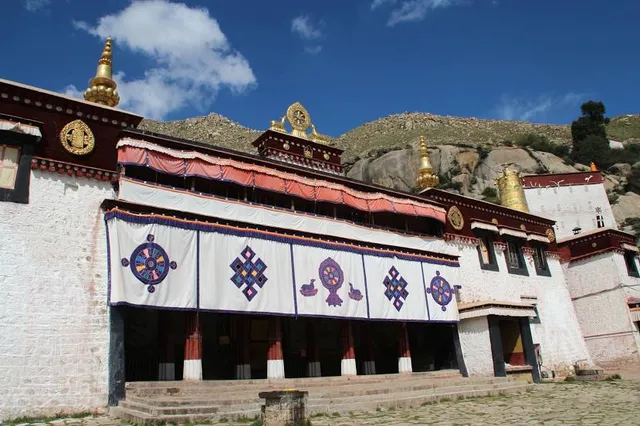
Upon entering, the first thing that struck me was the serene yet vibrant atmosphere. The air was filled with the sound of chanting and the murmur of monks engaged in their daily practices. I wandered through the courtyards, admiring the intricate murals and the exquisite Tibetan architecture that spoke volumes of a rich cultural heritage.
The highlight of the visit was the famous debate sessions that take place in the monastery's debating courtyard. It was an extraordinary sight – rows of red-robed monks engaged in animated debate, using elaborate hand gestures and loud claps to emphasize their points. These debates are a unique method of learning and understanding Buddhist philosophy, and witnessing them was not just educational but also incredibly immersive.
I also had the chance to explore the various chapels within the monastery. Each chapel was an oasis of peace, adorned with beautiful statues, thangkas, and...
Read moreSera Temple, located on the outskirts of Lhasa, Tibet, is one of the most important and influential Gelugpa Buddhist monasteries in the region. Founded in 1419 by Jamchen Chojey, a disciple of Tsongkhapa, the founder of the Gelugpa school, Sera Temple is renowned for its stunning architecture, vibrant debates, and rich cultural heritage. The temple complex is home to over 600 monks, who engage in rigorous philosophical debates, ritual performances, and spiritual practices. Sera Temple is also famous for its dramatic monk debates, which take place in the temple's courtyard, offering visitors a unique glimpse into the monastery's intellectual and spiritual traditions. As one of the three main monasteries in Lhasa, along with Drepung and Ganden, Sera Temple plays a vital role in preserving and promoting Tibetan Buddhist culture...
Read more