Kaiyuan Temple things to do, attractions, restaurants, events info and trip planning
Basic Info
Kaiyuan Temple
176 Xijie St, Licheng District, Quanzhou, Quanzhou, Fujian, China, 362001
4.6(234)
Open 24 hours
Save
spot
spot
Ratings & Description
Info
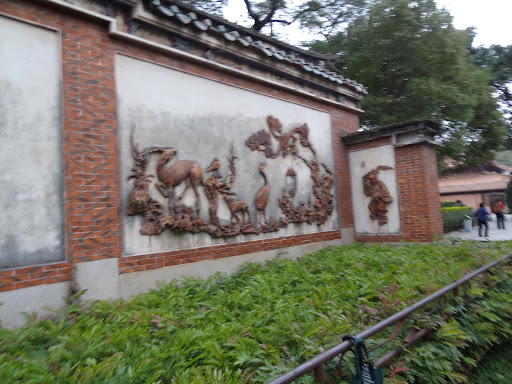
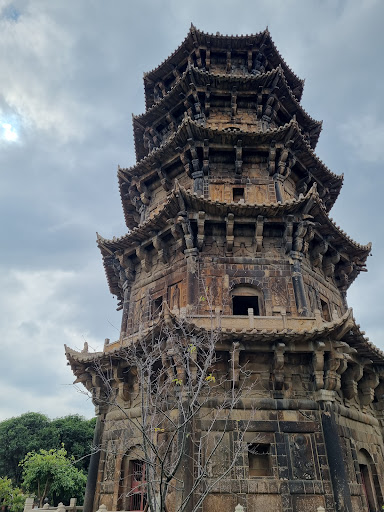
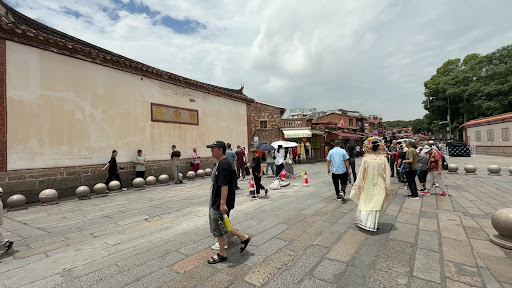
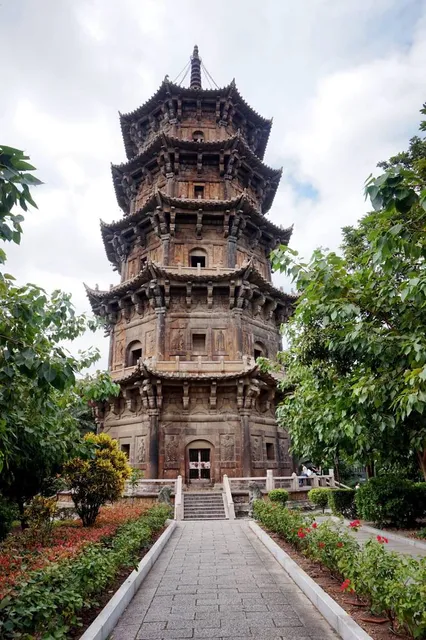
Kaiyuan Temple is a Buddhist temple located in West Street, Quanzhou, China, and is considered as the largest Buddhist temple in Fujian province with an area of 78,000 square metres. Kaiyuan Temple was one of the few surviving Hindu temples in mainland China.
Cultural
Scenic
Family friendly
Accessibility
attractions: 东西塔, Maritime Museum, restaurants: Bao Master Cake, West Street Mianxian Hu, Lanshi Zhonglou Rouzong, A Wen Snack Bar, Tyaya Cake, Yuanhe 1916, 沁园春中餐厅, Dongxing Beef Shop, Jituiyou, No.59 Minjiashan, local businesses: West Street
 Learn more insights from Wanderboat AI.
Phone
+86 595 2238 3285
Plan your stay

Pet-friendly Hotels in Lizhong Subdistrict
Find a cozy hotel nearby and make it a full experience.

Affordable Hotels in Lizhong Subdistrict
Find a cozy hotel nearby and make it a full experience.

The Coolest Hotels You Haven't Heard Of (Yet)
Find a cozy hotel nearby and make it a full experience.

Trending Stays Worth the Hype in Lizhong Subdistrict
Find a cozy hotel nearby and make it a full experience.
Reviews
Nearby attractions of Kaiyuan Temple
东西塔
Maritime Museum
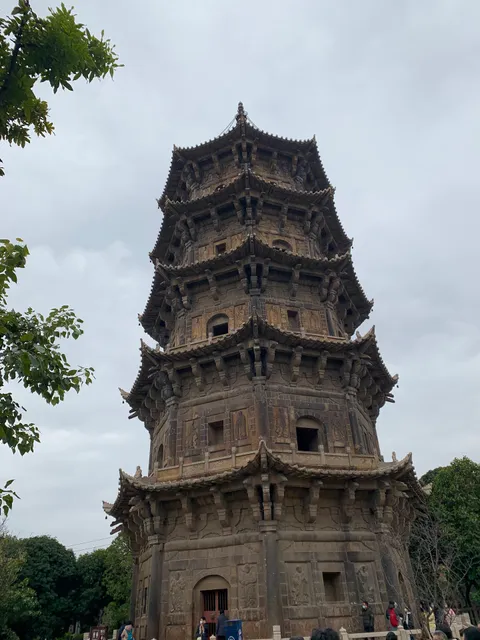
东西塔
4.8
(11)
Open 24 hours
Click for details
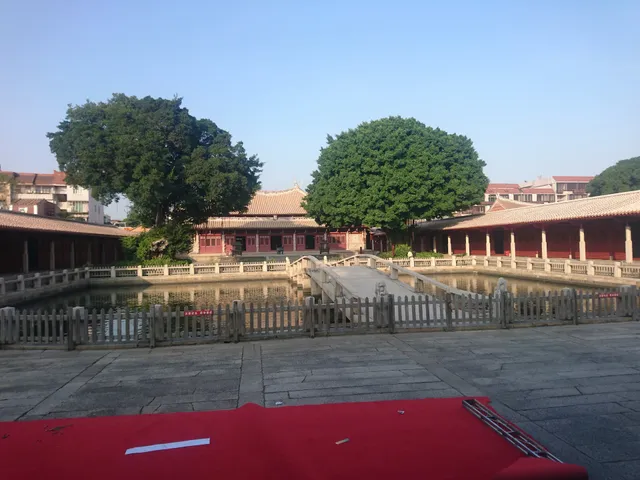
Maritime Museum
4.1
(16)
Open 24 hours
Click for details
Nearby restaurants of Kaiyuan Temple
Bao Master Cake
West Street Mianxian Hu
Lanshi Zhonglou Rouzong
A Wen Snack Bar
Tyaya Cake
Yuanhe 1916
沁园春中餐厅
Dongxing Beef Shop
Jituiyou
No.59 Minjiashan
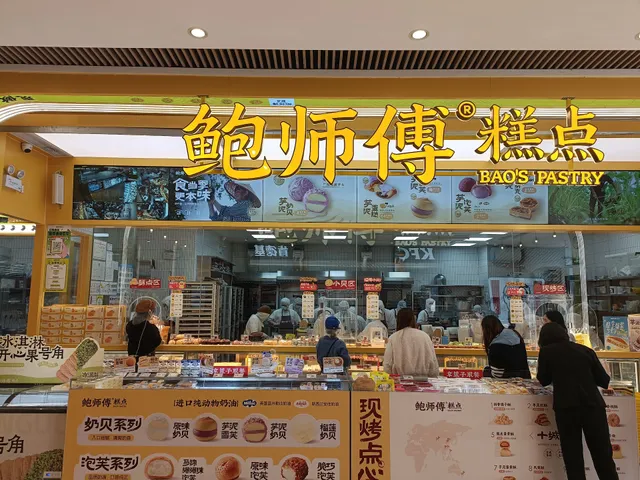
Bao Master Cake
4.0
(1)
Click for details
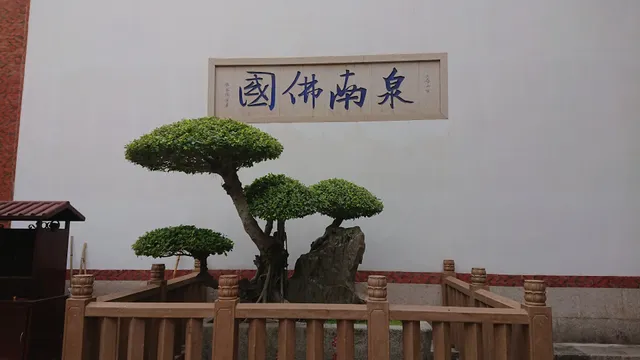
West Street Mianxian Hu
4.3
(2)
Click for details
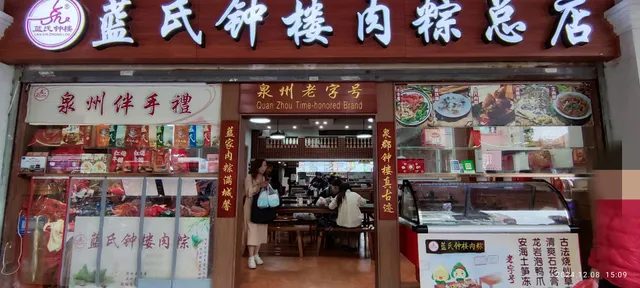
Lanshi Zhonglou Rouzong
4.7
(5)
Click for details
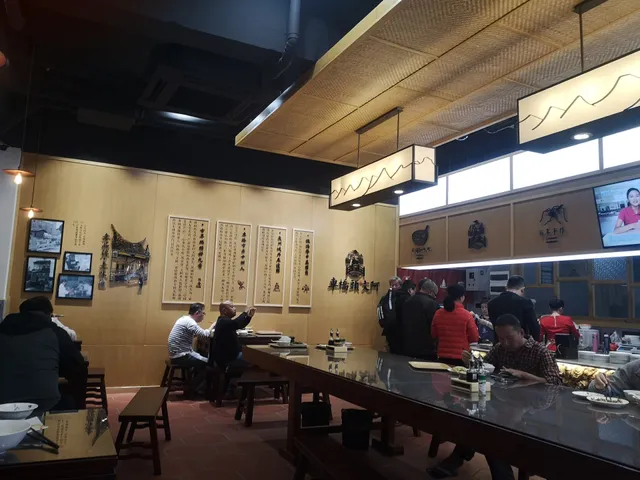
A Wen Snack Bar
3.5
(2)
Click for details
Nearby local services of Kaiyuan Temple
West Street
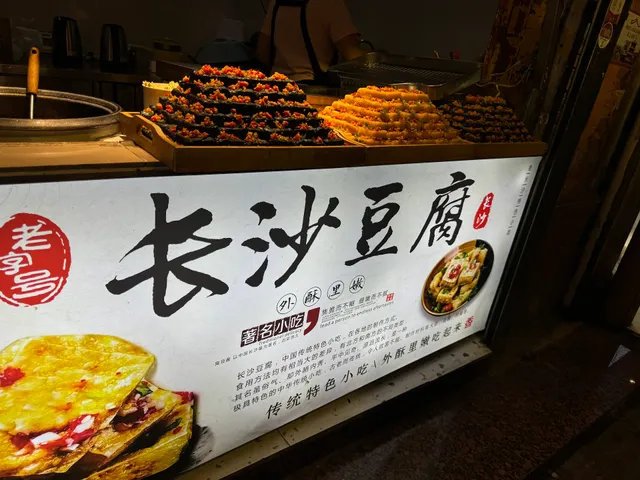
West Street
4.5
(15)
Click for details