HTML SitemapExplore
logo
Find Things to DoFind The Best Restaurants

White Horse Temple — Attraction in Luoyang

Name
White Horse Temple
Description
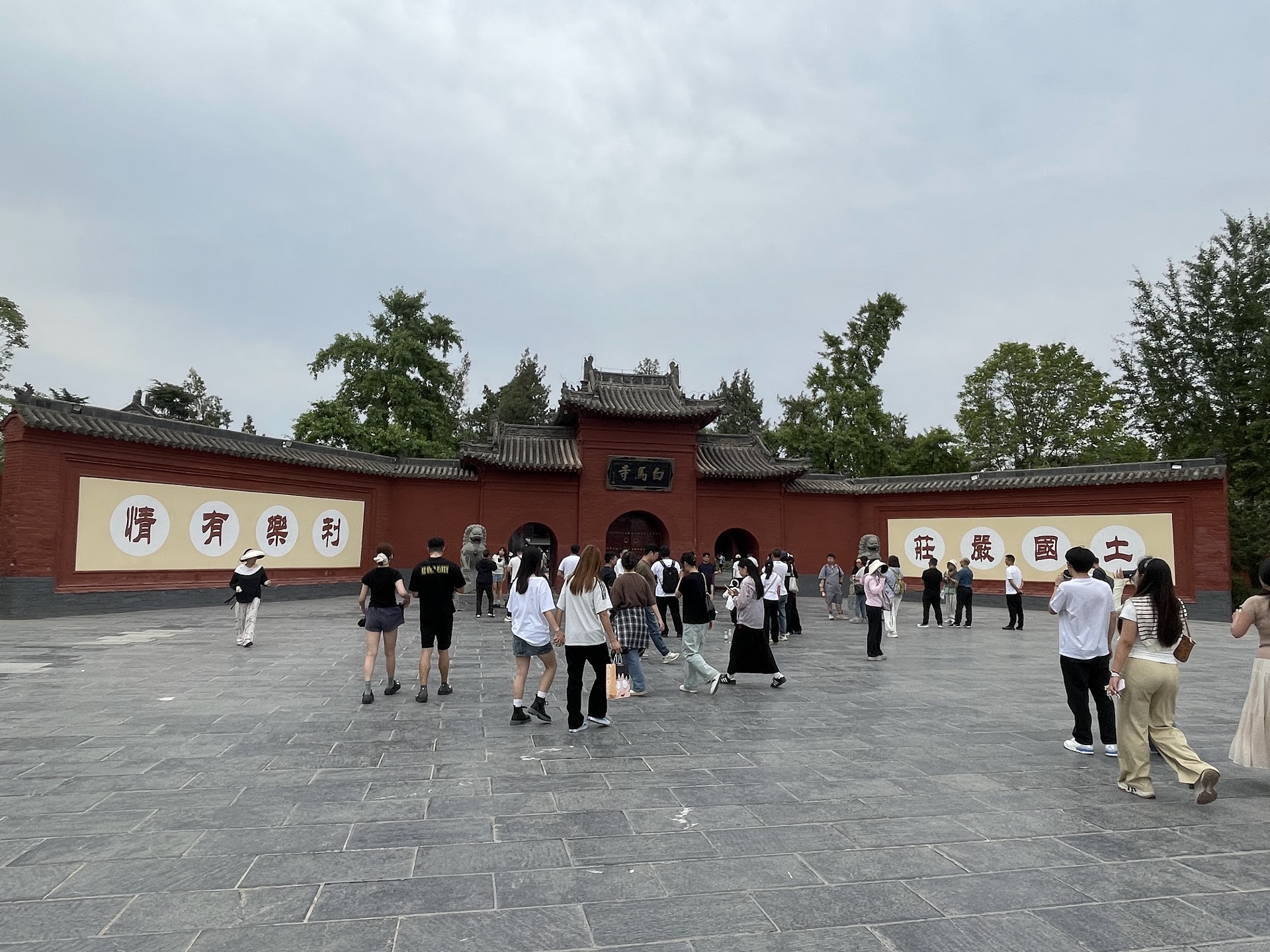
White Horse Temple is a Buddhist temple in Luoyang, Henan that, according to tradition, is the first Buddhist temple in China, having been first established in 68 AD under the patronage of Emperor Ming in the Eastern Han dynasty.
Nearby attractions
Nearby restaurants
Nearby hotels
Related posts
Keywords
White Horse Temple tourism.White Horse Temple hotels.White Horse Temple bed and breakfast. flights to White Horse Temple.White Horse Temple attractions.White Horse Temple restaurants.White Horse Temple travel.White Horse Temple travel guide.White Horse Temple travel blog.White Horse Temple pictures.White Horse Temple photos.White Horse Temple travel tips.White Horse Temple maps.White Horse Temple things to do.
White Horse Temple things to do, attractions, restaurants, events info and trip planning
White Horse Temple
ChinaHenanLuoyangWhite Horse Temple

Basic Info

White Horse Temple

6 Luobai Rd, Luolong District, Luoyang, Henan, China, 471013
4.5(134)
Open 24 hours
Save
spot

Ratings & Description

Info

White Horse Temple is a Buddhist temple in Luoyang, Henan that, according to tradition, is the first Buddhist temple in China, having been first established in 68 AD under the patronage of Emperor Ming in the Eastern Han dynasty.

Cultural
Family friendly
Accessibility
attractions: , restaurants:
logoLearn more insights from Wanderboat AI.
Phone
+86 379 6378 9053

Plan your stay

hotel
Pet-friendly Hotels in Luoyang
Find a cozy hotel nearby and make it a full experience.

hotel
Affordable Hotels in Luoyang
Find a cozy hotel nearby and make it a full experience.

hotel
The Coolest Hotels You Haven't Heard Of (Yet)
Find a cozy hotel nearby and make it a full experience.

hotel
Trending Stays Worth the Hype in Luoyang
Find a cozy hotel nearby and make it a full experience.

Reviews

Get the Appoverlay
Get the AppOne tap to find yournext favorite spots!
Wanderboat LogoWanderboat

Your everyday Al companion for getaway ideas

CompanyAbout Us
InformationAI Trip PlannerSitemap
SocialXInstagramTiktokLinkedin
LegalTerms of ServicePrivacy Policy

Get the app

© 2025 Wanderboat. All rights reserved.
logo

Reviews of White Horse Temple

4.5
(134)
avatar
5.0
1y

The very first Buddhist temple in China, initially built almost 2,000 years ago and since then it has been an important hub of Buddhist monks in Asia. Indian monks came for translation and teachings, monks from Japan, ancient Cambodia, old Myanmar came for learning. Throughout the years the temple has been expanded, destructed, and rebuilt. In the last 90's Thailand, Myanmar and India proposed and offered to build temples/ shrines in the area, now there are temples of different...

   Read more
avatar
4.0
9y

This Buddhist temple is a very special place. I enjoyed the Chinese Buddhist exhibits, structures and the silent tea house. I will skip the new Indian and Thai section completely when I return. That section takes away from the charm and air of the temple-- a complete waste of space and resources. It consists of some foreign styled temples that are completely devoid of a sense of history, culture and overall meaning. The Chinese temples and pagoda are very special. I...

   Read more
avatar
4.0
25w

First established in 68AD, it is considered as the first Buddhist temple in China. The main buildings are reconstructed during the Ming and Qing era, 1950s, and 1973. Adjacent to this temple are three international Buddhist temples: the Siamese, Burmese and Indian Buddhist temples. The three latter temples are built from private Thai-related group’s donation, the Burmese government, and the...

   Read more
Page 1 of 7
Previous
Next

Posts

T YoT Yo
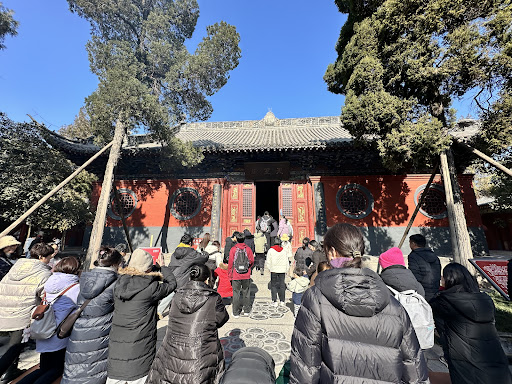
First established in 68AD, it is considered as the first Buddhist temple in China. The main buildings are reconstructed during the Ming and Qing era, 1950s, and 1973. Adjacent to this temple are three international Buddhist temples: the Siamese, Burmese and Indian Buddhist temples. The three latter temples are built from private Thai-related group’s donation, the Burmese government, and the Indian government.
Fernando ChozaFernando Choza
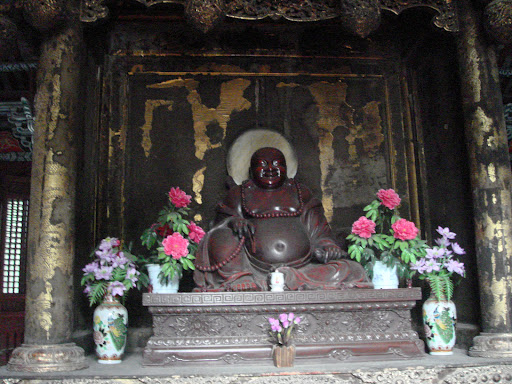
El Templo del Caballo Blanco es considerado por la mayoría de los creyentes como "la cuna del budismo chino". establecido en el año 68, bajo el patrocinio del Emperador Ming de Han de la Dinastía Han Oriental en Luoyang, y está ubicado a las afueras de las murallas de la antigua capital de Han del Este, a unos 13 kilómetros al este de Luoyang en la provincia de Henan. El complejo de edificios data de las dinastías Ming (1368-1644) y Qing (1644-1912) y cuenta con numerosos salones divididos por varios patios y jardines, con estatuas del Buda Gautama, el Maitreya, el Buda de Jade, y figuras de santos, además de estatuas de piedra de los dos caballos blancos, que trajeron a los monjes de la India en su viaje hasta China, y de dos leones míticos que se ven en la entrada. La leyenda cuenta que el emperador Ming tuvo un sueño sobre Buda, y envió a dos mensajeros a la India, que regresaron con dos monjes budistas portando reliquias, estatuas budistas y el Sutra de cuarenta y dos capítulos en un caballo blanco. El Sutra fue recibido por el Emperador y se encuentra en un templo construido fuera de los muros de LuoYang. Fue el primer templo budista de China.
S.R. WenS.R. Wen
First temple in China, built in 68 A.C.. It has a lot of histories behind it. I would suggest to bring a tour guide to know what you are really looking at. The incense is free of charge, light 1 or 3 (not 2, not 4!) incenses and make a wish. There are also Hindu, Myanmar, and Thai temples and towers built in this temple. Don’t miss these.
See more posts
See more posts
hotel
Find your stay

Pet-friendly Hotels in Luoyang

Find a cozy hotel nearby and make it a full experience.

First established in 68AD, it is considered as the first Buddhist temple in China. The main buildings are reconstructed during the Ming and Qing era, 1950s, and 1973. Adjacent to this temple are three international Buddhist temples: the Siamese, Burmese and Indian Buddhist temples. The three latter temples are built from private Thai-related group’s donation, the Burmese government, and the Indian government.
T Yo

T Yo

hotel
Find your stay

Affordable Hotels in Luoyang

Find a cozy hotel nearby and make it a full experience.

Get the Appoverlay
Get the AppOne tap to find yournext favorite spots!
El Templo del Caballo Blanco es considerado por la mayoría de los creyentes como "la cuna del budismo chino". establecido en el año 68, bajo el patrocinio del Emperador Ming de Han de la Dinastía Han Oriental en Luoyang, y está ubicado a las afueras de las murallas de la antigua capital de Han del Este, a unos 13 kilómetros al este de Luoyang en la provincia de Henan. El complejo de edificios data de las dinastías Ming (1368-1644) y Qing (1644-1912) y cuenta con numerosos salones divididos por varios patios y jardines, con estatuas del Buda Gautama, el Maitreya, el Buda de Jade, y figuras de santos, además de estatuas de piedra de los dos caballos blancos, que trajeron a los monjes de la India en su viaje hasta China, y de dos leones míticos que se ven en la entrada. La leyenda cuenta que el emperador Ming tuvo un sueño sobre Buda, y envió a dos mensajeros a la India, que regresaron con dos monjes budistas portando reliquias, estatuas budistas y el Sutra de cuarenta y dos capítulos en un caballo blanco. El Sutra fue recibido por el Emperador y se encuentra en un templo construido fuera de los muros de LuoYang. Fue el primer templo budista de China.
Fernando Choza

Fernando Choza

hotel
Find your stay

The Coolest Hotels You Haven't Heard Of (Yet)

Find a cozy hotel nearby and make it a full experience.

hotel
Find your stay

Trending Stays Worth the Hype in Luoyang

Find a cozy hotel nearby and make it a full experience.

First temple in China, built in 68 A.C.. It has a lot of histories behind it. I would suggest to bring a tour guide to know what you are really looking at. The incense is free of charge, light 1 or 3 (not 2, not 4!) incenses and make a wish. There are also Hindu, Myanmar, and Thai temples and towers built in this temple. Don’t miss these.
S.R. Wen

S.R. Wen

See more posts
See more posts