HTML SitemapExplore
logo
Find Things to DoFind The Best Restaurants

Temple of King Ashoka — Attraction in Ningbo

Name
Temple of King Ashoka
Description
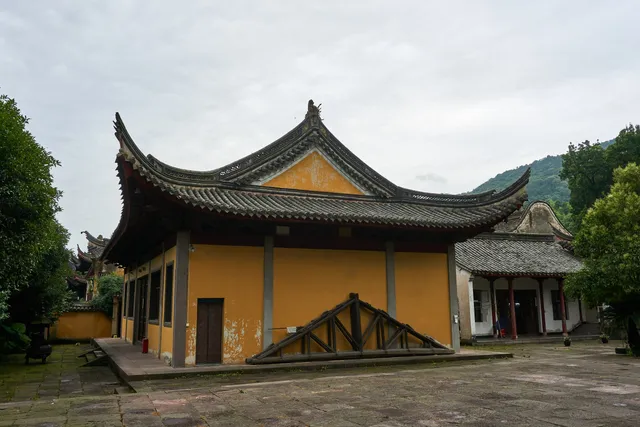
Temple of King Ashoka is a Buddhist temple located in Yinzhou District of Ningbo, Zhejiang, China.
Nearby attractions
Nearby restaurants
Nearby hotels
Related posts
Keywords
Temple of King Ashoka tourism.Temple of King Ashoka hotels.Temple of King Ashoka bed and breakfast. flights to Temple of King Ashoka.Temple of King Ashoka attractions.Temple of King Ashoka restaurants.Temple of King Ashoka travel.Temple of King Ashoka travel guide.Temple of King Ashoka travel blog.Temple of King Ashoka pictures.Temple of King Ashoka photos.Temple of King Ashoka travel tips.Temple of King Ashoka maps.Temple of King Ashoka things to do.
Temple of King Ashoka things to do, attractions, restaurants, events info and trip planning
Temple of King Ashoka
ChinaZhejiangNingboTemple of King Ashoka

Basic Info

Temple of King Ashoka

Yinzhou, Ningbo, China, 315112
4.8(36)
Open 24 hours
Save
spot

Ratings & Description

Info

Temple of King Ashoka is a Buddhist temple located in Yinzhou District of Ningbo, Zhejiang, China.

Cultural
Family friendly
Accessibility
attractions: , restaurants:
logoLearn more insights from Wanderboat AI.

Plan your stay

hotel
Pet-friendly Hotels in Ningbo
Find a cozy hotel nearby and make it a full experience.
hotel
Affordable Hotels in Ningbo
Find a cozy hotel nearby and make it a full experience.
hotel
The Coolest Hotels You Haven't Heard Of (Yet)
Find a cozy hotel nearby and make it a full experience.
hotel
Trending Stays Worth the Hype in Ningbo
Find a cozy hotel nearby and make it a full experience.

Reviews

Get the Appoverlay
Get the AppOne tap to find yournext favorite spots!
Wanderboat LogoWanderboat

Your everyday Al companion for getaway ideas

CompanyAbout Us
InformationAI Trip PlannerSitemap
SocialXInstagramTiktokLinkedin
LegalTerms of ServicePrivacy Policy

Get the app

© 2025 Wanderboat. All rights reserved.
logo

Posts

Aurelio AdiAurelio Adi
Location The location is quite close to the station, it can be reached in 30 minutes by walk or 3-4 minutes by vehicle, there is a parking lot across from the entrance to the place. Parking lot Parking is available for cars and motorbikes, you can park your vehicle across from the entrance or in the shopping area near the entrance. Facilities The facilities are quite complete, such as toilets can be found at this location and there is also free food in their dining room, with washing your own dishes after finishing. Entrance access The entrance is quite far because from the main entrance you have to walk another 2 minutes to enter the first place of worship. Short description nice building, comfortable place, some original ornaments are still maintained until now, overall the building is well maintained
Orange TreeOrange Tree
寧波站到阿育王寺约半小时车程,车资约40-70人民币不等 门票及香火免费,并提供素食斋饭(也是免费,但建议随喜供养三宝,不能占佛教便宜) 寺内僧人遵从百丈清规,一日不作,一日不食 阿育王寺始建於西晉太康三年 寺內珍藏佛國真寶:釋迦牟尼佛的佛骨舍利 省庵大师(净宗祖师)曾于此发愿,并感得舍利放光 八指頭陀敬安法師於此割下臂肉燃燈供佛,並燃指供佛(兩指) 有关舍利感应的故事可以详阅「阿育王山志」 以下節錄自[虛雲老和尚自述年譜] 在阿育王寺,虛雲老和尚拜舍利,每天一定拜3000拜。忽然有一天夜裡,在禪坐中,似夢非夢,見空中一條金龍,飛落在舍利殿前天池內,長數丈,金光晃耀 虛雲老和尚騎上龍背,即騰空到一個地方,山水秀麗,花木清幽,樓閣宮殿,莊嚴奇妙,見母親在樓閣上眺望 虛雲老和尚即大叫母親,「請您騎上龍來,到西方去。」龍即下降,夢即驚醒,覺得身心清爽,境界憭然。平生夢母,只此一次 弟子頂禮十方三世一切佛法僧三寶 佛骨舍利曾经历过一些风波 仅描述数则如后: 新罗国僧人曾经假装来此学习,实则为偷走佛骨舍利,但被寺内僧人即时发现追回后,还把他们揍了一顿 唐武宗灭佛时,舍利也被善信藏起来,等过了风头又放回来寺内 A Journey to King Aśoka Monastery – Sacred Site of the Buddha’s Relic Ningbo, China King Aśoka Monastery (阿育王寺), located in the outskirts of Ningbo, Zhejiang Province, is a sacred Buddhist monastery renowned for enshrining one of the rarest and most revered treasures in the Buddhist world: a genuine relic (śarīra) of Śākyamuni Buddha. The monastery is about a 30-minute drive from Ningbo Railway Station, with taxi fares ranging from 40 to 70 RMB depending on time and service. Entry to the temple is completely free, including incense offerings and vegetarian meals. However, visitors are encouraged to make voluntary donations out of reverence for the Triple Jewel and not take the offerings for granted. Founded in 282 CE during the Western Jin dynasty (Tai Kang era, year 3), King Aśoka Monastery was established to enshrine a Buddha relic brought from India by Buddhist emissaries. Since then, it has become a major pilgrimage site in East Asia. Monastics at the temple uphold the austere monastic code of Baizhang Huaihai—"A day without work is a day without food"—emphasizing discipline, labor, and self-reliance. Daily life at the monastery remains deeply rooted in Chan (Zen) tradition and Pure Land devotion. Over the centuries, countless eminent monks have practiced and made vows here. One such figure was Great Master Sheng’an, a patriarch of the Pure Land School, who made profound vows before the Buddha relic and witnessed it emit radiant light in response
E KE K
This is one of the must see temples around Ningbo. The complex is beautifully restored. It is very easily accessible either with a taxi or a bike. Try not to come on the weekend as it gets very busy. There are several beautiful shrines and a reservoir on the hill just behind the temple. Most visitors just stay in the temple complex proper. There is a small door at the back of the temple that leads into the forest. The path is a bit steep at first, but once you get on top of the hill it is relatively flat. This is a start of a hiking trail and if you feel fit (or feel like mountain biking), you will see some really incredible places.
See more posts
See more posts
hotel
Find your stay

Pet-friendly Hotels in Ningbo

Find a cozy hotel nearby and make it a full experience.

Location The location is quite close to the station, it can be reached in 30 minutes by walk or 3-4 minutes by vehicle, there is a parking lot across from the entrance to the place. Parking lot Parking is available for cars and motorbikes, you can park your vehicle across from the entrance or in the shopping area near the entrance. Facilities The facilities are quite complete, such as toilets can be found at this location and there is also free food in their dining room, with washing your own dishes after finishing. Entrance access The entrance is quite far because from the main entrance you have to walk another 2 minutes to enter the first place of worship. Short description nice building, comfortable place, some original ornaments are still maintained until now, overall the building is well maintained
Aurelio Adi

Aurelio Adi

hotel
Find your stay

Affordable Hotels in Ningbo

Find a cozy hotel nearby and make it a full experience.

Get the Appoverlay
Get the AppOne tap to find yournext favorite spots!
寧波站到阿育王寺约半小时车程,车资约40-70人民币不等 门票及香火免费,并提供素食斋饭(也是免费,但建议随喜供养三宝,不能占佛教便宜) 寺内僧人遵从百丈清规,一日不作,一日不食 阿育王寺始建於西晉太康三年 寺內珍藏佛國真寶:釋迦牟尼佛的佛骨舍利 省庵大师(净宗祖师)曾于此发愿,并感得舍利放光 八指頭陀敬安法師於此割下臂肉燃燈供佛,並燃指供佛(兩指) 有关舍利感应的故事可以详阅「阿育王山志」 以下節錄自[虛雲老和尚自述年譜] 在阿育王寺,虛雲老和尚拜舍利,每天一定拜3000拜。忽然有一天夜裡,在禪坐中,似夢非夢,見空中一條金龍,飛落在舍利殿前天池內,長數丈,金光晃耀 虛雲老和尚騎上龍背,即騰空到一個地方,山水秀麗,花木清幽,樓閣宮殿,莊嚴奇妙,見母親在樓閣上眺望 虛雲老和尚即大叫母親,「請您騎上龍來,到西方去。」龍即下降,夢即驚醒,覺得身心清爽,境界憭然。平生夢母,只此一次 弟子頂禮十方三世一切佛法僧三寶 佛骨舍利曾经历过一些风波 仅描述数则如后: 新罗国僧人曾经假装来此学习,实则为偷走佛骨舍利,但被寺内僧人即时发现追回后,还把他们揍了一顿 唐武宗灭佛时,舍利也被善信藏起来,等过了风头又放回来寺内 A Journey to King Aśoka Monastery – Sacred Site of the Buddha’s Relic Ningbo, China King Aśoka Monastery (阿育王寺), located in the outskirts of Ningbo, Zhejiang Province, is a sacred Buddhist monastery renowned for enshrining one of the rarest and most revered treasures in the Buddhist world: a genuine relic (śarīra) of Śākyamuni Buddha. The monastery is about a 30-minute drive from Ningbo Railway Station, with taxi fares ranging from 40 to 70 RMB depending on time and service. Entry to the temple is completely free, including incense offerings and vegetarian meals. However, visitors are encouraged to make voluntary donations out of reverence for the Triple Jewel and not take the offerings for granted. Founded in 282 CE during the Western Jin dynasty (Tai Kang era, year 3), King Aśoka Monastery was established to enshrine a Buddha relic brought from India by Buddhist emissaries. Since then, it has become a major pilgrimage site in East Asia. Monastics at the temple uphold the austere monastic code of Baizhang Huaihai—"A day without work is a day without food"—emphasizing discipline, labor, and self-reliance. Daily life at the monastery remains deeply rooted in Chan (Zen) tradition and Pure Land devotion. Over the centuries, countless eminent monks have practiced and made vows here. One such figure was Great Master Sheng’an, a patriarch of the Pure Land School, who made profound vows before the Buddha relic and witnessed it emit radiant light in response
Orange Tree

Orange Tree

hotel
Find your stay

The Coolest Hotels You Haven't Heard Of (Yet)

Find a cozy hotel nearby and make it a full experience.

hotel
Find your stay

Trending Stays Worth the Hype in Ningbo

Find a cozy hotel nearby and make it a full experience.

This is one of the must see temples around Ningbo. The complex is beautifully restored. It is very easily accessible either with a taxi or a bike. Try not to come on the weekend as it gets very busy. There are several beautiful shrines and a reservoir on the hill just behind the temple. Most visitors just stay in the temple complex proper. There is a small door at the back of the temple that leads into the forest. The path is a bit steep at first, but once you get on top of the hill it is relatively flat. This is a start of a hiking trail and if you feel fit (or feel like mountain biking), you will see some really incredible places.
E K

E K

See more posts
See more posts

Reviews of Temple of King Ashoka

4.8
(36)
avatar
5.0
7y

阿育王寺是中國浙江省寧波市一座始創於西晉的佛寺,位於鄞州區五鄉鎮寶幢鄮山西麓,以印度孔雀王朝君主阿育王命名,相傳寺中藏有釋迦牟尼頂骨舍利。佛寺在南宋被列為「天下五山之第五」,同時也是日本臨濟宗祖庭,在中日文化交流史上有重要的地位。寺院屢興屢廢,初為律宗,後改禪宗,現有建築多始建於元、明、清三朝,且多為清代重建。1992年修復、擴建後,共有建築600餘間,占地12.46萬平方公尺。1983年4月,阿育王寺被列為漢族地區佛教全國重點寺院,2006年成為為全國重點文物保護單位。因其對外交流史中的作用,阿育王寺也是中國世界文化遺產預備名單中「海上絲綢之路」項目遺產點之一‧。

據明萬曆《明州阿育王寺山志》載,阿育王寺始建於西晉太康三年(282年),最初的寺址在玉幾山下的烏石岙,位於今寧波市北侖區大碶街道嘉溪村,開山者為西晉高僧慧達,本名劉薩訶。關於建寺有兩種說法,第一種說法稱慧達尋找舍利時,行至鄮山烏石岙內,聽聞地下有聲,便在此結廬誦經,三日後舍利寶塔從山中湧出,慧達在此建寺供養。另一種說法則出自慧皎《高僧傳》,指舍利寶塔為慧達發現殘塔中有光芒閃爍,此後請人挖掘而得。劉宋元嘉二年(425年),宋文帝賜寺院寺田並增廣寺舍。南梁普通三年(522年),梁武帝命擴建殿堂房屋,因傳說舍利為阿育王送來,因而賜額「阿育王寺」,由蕭子云題字,座山也因寺得名。大同六年(540年),擴建儲藏舍利塔的木浮屠,將武帝及昭明太子蕭統像也藏於塔中,寺院聲名大振。

隋開皇十七年(597年),隋煬帝下令重建因戰亂毀壞的阿育王寺。唐先天二年(713年),了緣修建西塔院,又稱西塔寺,即今日寺址,此後西塔寺逐漸成為阿育王寺主要的宗教活動場所,而烏石岙東塔寺則逐漸冷落直至廢棄。天寶二年(743年),鑒真第三次東渡失敗,獲救後曾住錫於阿育王寺,同行的日本僧人普照曾長時間在阿育王寺居住。會昌五年(845年),唐武宗滅佛,舍利被官府沒收,5年後歸還寺院。五代後周顯德五年(958年),寺遭火毀。宋建隆元年(960年)修復。

端拱元年(988年),宣密素任阿育王寺住持,此時寺院由律宗改為禪宗,宣密素也被尊為第一代祖師。大中祥符元年(1008年),阿育王寺被朝廷定名為「阿育王山廣利禪寺」,拓為十方禪剎。天禧五年(1021年)寺院朝向由朝西改為朝南,慶曆年間修葺舍利殿,新建上塔。南宋建炎年間及淳熙二年(1175年),舍利塔曾被迎至皇宮供奉,宋高宗、宋孝宗先後賜阿育王寺「佛頂光明之塔」匾及「妙勝之殿」匾。乾通四年(1168年)及淳熙十四年(1187年),日本僧人榮西曾至阿育王寺等佛寺參學,回國後創立日本臨濟宗。嘉定年間定「禪院五山十剎」,阿育王寺被列為「五山」之第五山。淳祐年間,法堂、舍利殿和軒舍再次得到擴建。

元世祖至元十三年(1276年),舍利被迎入大都宮中供奉,數月後復還。至正年間,鄮峰草堂、承恩閣和下塔得到新建和重建。明洪武年間,寺產獲得大規模擴充,寺院建築也進行了擴建。洪武十五年(1382年),朱元璋賜名「阿育王禪寺」,並封為「天下禪宗五山之第五」。萬曆年間,慈聖皇太后賜寺院舍利銅塔,寺僧在住持傳瓶帶領下造山門及僧舍百餘間,時稱中興。清康熙元年(1662年),寺毀於火,康熙十九年(1680年)重修。光緒至宣統年間,先後重修普同塔院、方丈室、天王殿、大雄寶殿等建築。

中華民國元年(1912年),寺院進一步擴建,1920年重建舍利殿,新建藏經樓,修大悲閣,舍利殿使用黃色琉璃瓦覆頂。1921年,重建位於烏石岙的古育王寺,今存遺址。1930年天王殿失火被焚,1932年完成重修。中國人民解放軍占領寧波後,1949年秋,大悲閣、禪堂等建築在國軍飛機轟炸中毀壞,1955年修復。文化大革命開始後,1968年11月,寶幢公社的「貧下中農宣傳隊」進駐阿育王寺,搗毀了全部佛像。1969年10月,因「戰備需要」,部隊進駐阿育王寺,部分房屋交予鄞縣絲織廠使用。在此期間,寺院建築遭到嚴重破壞。1970年,寺僧遭到遣散。在此之前,僧人將舍利塔交由鄞縣財政局保管,後移交至鄞縣文物管理委員會。

文化大革命結束後,中國開始重新落實宗教政策。1978年11月,財政部撥款修復阿育王寺天王殿、大雄寶殿、舍利殿等建築。1981年,舍利塔復歸阿育王寺,1983年4月被國務院列為漢族地區佛教全國重點寺院。至1992年,寺院先後修復下塔、上塔,重建大悲閣,復建上塔院等建築,建築總數達到600餘間。1992年,寺東新建東塔,為七級八角寶塔,1995年竣工。2011年11月8日,新山門竣工,匾額由江澤民題寫。

阿育王寺位於寧波市鄞州區五鄉鎮寶幢,距離寧波市中心20公里。佛寺坐落於鄮山(育王山)西麓,東西被瓔珞、寶幢兩山環抱,面對玉幾山,佛家稱「六殊勝八吉祥地」,為建寺的形勝之地。經歷代營建,寺院占地達12萬平方公尺,有建築近700間,建築面積2.4萬平方公尺。當下寺院的結構可分為中軸禮佛區及西塔院、東塔院和上塔院四部分。

阿育王寺中軸線符合中國傳統寺廟的貫聯式布局,中軸線建築由南向北依次為山門、二山門,放生池、天王殿、大雄寶殿、舍利殿、法堂(藏經樓),左側為鐘樓、舍利單、先覺堂、大悲閣等建築,右側有雲水堂、鄮峰草堂、拾翠樓、祖師殿、承恩堂、方丈殿、宸奎閣、寮房等建築。建築依山坡而建,依次升高。

放生池位於軸線南側,又名阿耨達池、內萬工池,長50公尺,寬30公尺,南欄內側有董其昌書「魚樂園」,北欄內側有竹禪法師書「阿耨達池」。池東為鐘樓,西南數步有畹荃題「妙喜泉」碑,旁有石井。天王殿建於1932年,為重檐歇山頂,長31.8公尺,深23.7公尺,高19.6公尺,面闊七間。屋頂鋪黑瓦,正脊有「國基鞏固」四字,正門「八吉祥地」匾為趙朴初所寫。大雄寶殿建於清康熙十八年(1679年),宣統三年(1911年)重修。建築為重檐歇山頂,長33.8公尺,深20.7公尺,高15.8公尺,面闊七間。屋頂鋪黑瓦,正脊有「風調雨順」四字,下檐橫匾「覺行俱圓」為乾隆帝手書。舍利殿始建於康熙十七年(1678年),重修於1916年。建築為重檐歇山頂,長22公尺,深18.8公尺,高16公尺,使用黃色琉璃瓦蓋頂,面闊五間。檐間方額「妙勝之殿」匾為宋孝宗所書,殿內正中「佛頂光明之塔」為宋高宗所書。法堂、藏經樓為同一座建築,下層為法堂,上層為藏經樓。建築建於1920年,長22.6公尺,深19.6公尺,高12.8公尺,面闊五間,其「天龍共護」匾為徐世昌所書。

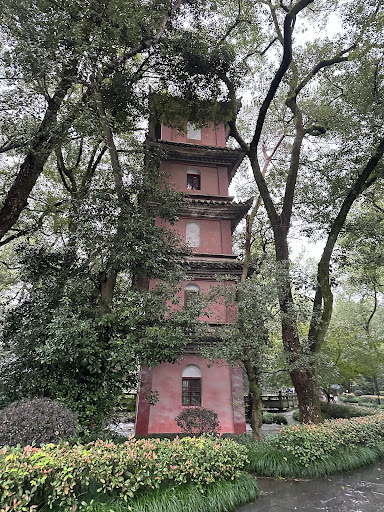
寺內有三座塔,分別為下塔(西塔)、上塔和東塔。下塔位於寺院西側,始建於唐開元年間,元至正二十四年(1364年)拆除重建,今存,為浙江省內少有的元塔。塔高36公尺,七層六面仿木結構,頂部有塔剎,每層有腰檐,為疊澀出檐,內部中空,有磚梯可登頂,有白雲竹院,1979年修復,後擴建西塔樓,白雲竹院改為阿育王寺佛教居士林。上塔位於寺院東北鄮山上,相傳建於西晉太康年間,北宋政和年間重修,明正德年間修葺。塔高30公尺,七層六面。建成時有塔院,後毀,塔亦曾遭雷擊毀壞,1991年修復,同時復建塔院及登山台階。東塔為寺僧根據明成化四年(1468年)日本僧人雪舟所繪《育王山圖》復建,塔高53公尺,為八面七層混凝土結構,同時建有東塔院。

阿育王寺藏有貯藏舍利的寶篋形銅塔一座。該塔為明慈聖皇太后所賜,高0.46公尺、寬0.23公尺,塔身為青色,四面有佛本生故事,舍利放置在內部懸掛的寶磬中。銅塔外另有高6公尺的石制外護舍利塔一座。寺內藏有自唐代至今碑刻50餘件,不乏名人作品,其中有唐代四大天王石刻、貫休畫十六羅漢石刻、蘇軾書明代萬曆年間重刻《宸奎閣碑銘》、張九成書《妙喜泉銘》以及董其昌、梅調鼎、章炳麟等知名人物的書法作品。寺內藏經樓藏有南宋本《磧砂版大藏經》、雍正《龍藏》及日本《日續藏》影印本,合稱「三藏」。

阿育王寺對外交流的歷史始於唐代。天寶二年(743年),鑒真第三次東渡失敗,獲救後曾住錫於阿育王寺,日本僧人榮叡和普照同行。其中,普照曾在阿育王寺長期居留。高麗王子義通在天台山學習後定居明州,多次到阿育王寺弘法,北宋端拱二年(988年)圓寂後,建塔於鄮山。南宋乾道年間,重源曾三次造訪阿育王寺,最初研習佛教,此後改為專心學習佛教建築,期間為阿育王寺舍利殿營建籌措日本木材。歸國後,重源主持重建奈良東大寺,中國天竺式建築也因此傳入日本。日本臨濟宗開山祖師榮西也曾造訪阿育王寺。元代,月山友桂等一大批日本僧人曾在阿育王寺參學。明代,日本名僧雪舟曾至寧波,繪製了大量以寧波佛寺和城市、山水為主題的畫作,其中有描繪阿育王寺景色的《育王山圖》。清代實施海禁,阿育王寺與海外的交流基本中斷,至1840年後逐漸恢復。1923年日本關東大地震後,阿育王寺僧應日本僑團邀請前往日本超度遇難華僑亡靈。中華人民共和國成立後,阿育王寺的海外交流再次中斷,改革開放後迅速恢復,與美國、日本、東南亞的佛教團體頻繁互訪。

文化大革命結束後的1978年,經李先念批示,中國財政部撥專款150萬元人民幣,對天童寺、阿育王寺進行維修,其中阿育王寺維修項目包含天王殿、大雄寶殿、舍利殿等23個項目,至1981年底完成。1979年,浙江省革命委員會恢復了阿育王寺作為「二級文化保護單位」的地位。1981年6月,阿育王寺被列入浙江省文物保護單位,2006年被列入第六批全國重點文物保護單位。2007年至2010年,由寺方提出,經浙江省古建築設計研究院主持制訂的《阿育王寺保護規劃》完成。為保護木構建築,阿育王寺內自2009年起禁止燃燒蠟燭。寧波軌道交通1號線二期工程和北侖支線鐵路電氣化工程在途經阿育王寺時,在設計和施工中也採取措施以保護阿育...

   Read more

avatar
5.0
40w

A site for ancient Buddhist temple dedicated to the Great king of India, King Ashoka who adopted Buddhism after a bloody war which he won't and later helped the religion to prosper not only in India but other countries too. The temple site has gone through many changes and has been built by the authorities and is a popular place for local tourists. There are many beautiful pagodas, temples, statues, lakes, forests, monasteries located within the site. There are few souvenir shops as well as a cafeteria that serves vegetarian food free of cost during the lunch time. There are clean toilets aa well as maps/ information displayed about the temple at several locations. The place can be reached easily by taxi and definitely worth a visit to see the reach of King Ashoka and Buddhism in ancient times. There is no entry tickets...

   Read more
avatar
5.0
1y

Location The location is quite close to the station, it can be reached in 30 minutes by walk or 3-4 minutes by vehicle, there is a parking lot across from the entrance to the place.

Parking lot Parking is available for cars and motorbikes, you can park your vehicle across from the entrance or in the shopping area near the entrance.

Facilities The facilities are quite complete, such as toilets can be found at this location and there is also free food in their dining room, with washing your own dishes after finishing.

Entrance access The entrance is quite far because from the main entrance you have to walk another 2 minutes to enter the first place of worship.

Short description nice building, comfortable place, some original ornaments are still maintained until now, overall the building is...

   Read more
Page 1 of 7
Previous
Next