Title: Summiting Glory: Xixiabangma Peak
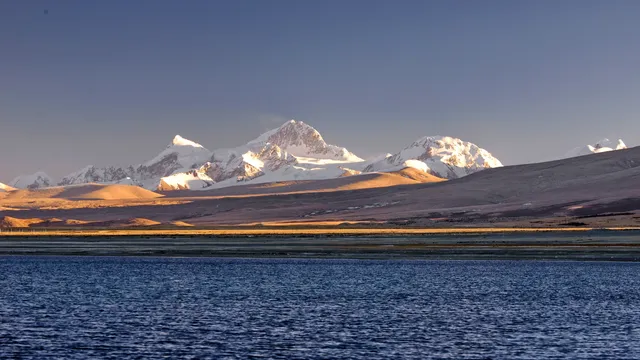
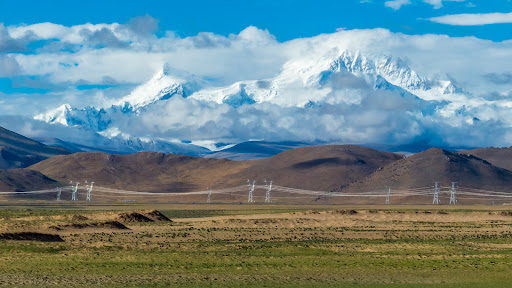
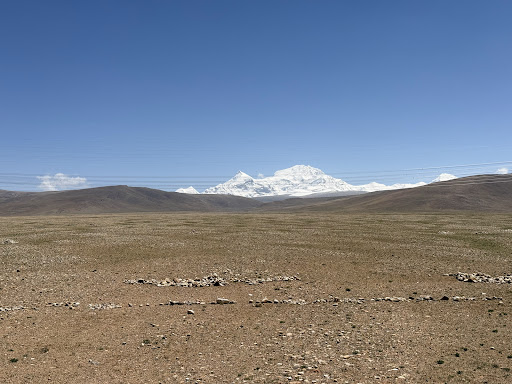
Xixiabangma Peak, a crown jewel of the Himalayas, beckons adventurers and mountaineers with its challenging allure and breathtaking beauty. As a formidable presence among the world's highest peaks, this mountain offers a journey that tests both physical limits and the human spirit.
The trek to the summit of Xixiabangma Peak is not for the faint-hearted. The path to conquering this towering giant demands dedication, preparation, and a deep connection with the mountains. The landscape's rugged majesty and the ever-changing weather create a formidable challenge, transforming the journey into a true test of one's mountaineering prowess.
The allure of this peak lies not only in its challenges but also in the awe-inspiring views it offers. From its summit, the Himalayas spread out in all their grandeur, a vista of snow-clad peaks that stretches beyond the imagination. The sense of accomplishment that accompanies such a view is unmatched, making every arduous step worth the effort.
It's important to note that ascending Xixiabangma Peak requires not only physical strength but also a strong foundation of mountaineering skills. As one navigates through ice and snow, a deep respect for the mountain's power and unpredictability is essential.
For those with the expertise and determination, Xixiabangma Peak offers an unforgettable journey that combines the thrill of conquering nature's heights with the awe of witnessing its majesty. While the challenges may be significant, the rewards are equally momentous. As with any adventure of this magnitude, preparation and safety are paramount, and the guidance of experienced mountaineers is highly recommended.
In conclusion, Xixiabangma Peak stands as a testament to both human ambition and the Himalayas' formidable beauty. The journey to its summit is a testament to the unyielding spirit of adventurers, where every step is a testament to perseverance and determination. While not for the faint of heart, the experience of conquering Xixiabangma Peak is a treasure that remains etched in...
Read more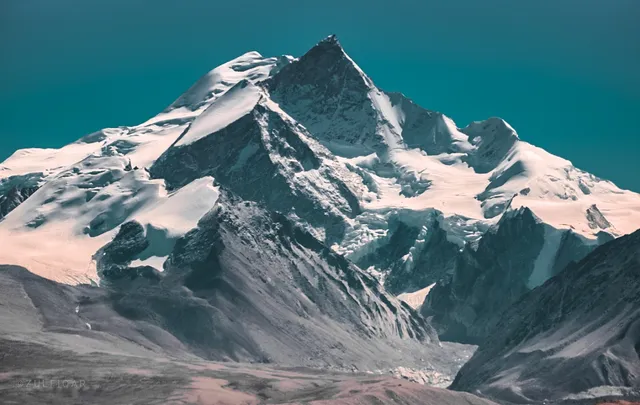
 Learn more insights from Wanderboat AI.