可提前於微信公眾號裡看介紹
台胞證即可櫃檯購票
(二代身分證可以微信線上購票)
南華寺簡介
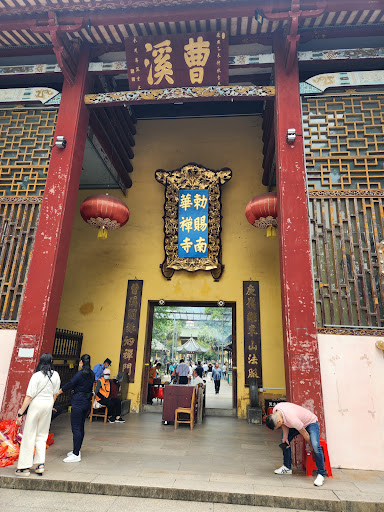
南華寺位於中國廣東省韶關市,是中國佛教禪宗的發源地之一,已有1400多年的歷史。南華寺始建於南北朝時期(502年),是禪宗六祖慧能弘法的重要道場。寺內擁有大量珍貴的歷史文物和古建築,包括祖殿、大雄寶殿、六祖真身塔和藏經閣等。這裡是佛教文化和自然風光的完美結合,吸引了來自世界各地的信徒和遊客。
主要景點
六祖真身塔
此塔供奉著六祖慧能大師的肉身真身,是南華寺的核心景點,也是禪宗文化的重要象徵。
大雄寶殿
大殿內供奉釋迦牟尼佛、文殊菩薩和普賢菩薩,氣氛莊嚴肅穆,是信徒禮佛的重要場所。
放生池
位於寺前,池中養殖著多種魚類,象徵佛教的慈悲精神。
寶林樓
這是南華寺的經書收藏地,內有大量珍貴的佛教經典。
自然景觀
寺廟周圍環繞著青山綠水,環境清幽,是修行與靜心的理想地。
交通指引
從韶關市區出發
自駕車
從韶關市區沿京港澳高速(G4)前往馬壩鎮,然後根據指示牌前往南華寺,全程約需30分鐘車程。
公共交通
從韶關火車站或市區汽車站乘坐開往南華寺的專線公交或小巴,約需1小時,票價在10-20元人民幣之間。
從廣州市出發
高鐵
從廣州南站乘坐高鐵到韶關站(約1.5小時),然後轉乘公交或出租車前往南華寺。
自駕車
沿京港澳高速(G4)北行至韶關出口,根據導航前往南華寺,全程約3小時車程。
從深圳市出發
高鐵
從深圳北站乘坐高鐵至韶關站(約2小時),然後轉乘公交或出租車前往南華寺。
自駕車
沿廣深高速轉入京港澳高速(G4)北行,全程約4小時。
國際遊客
可先飛抵廣州白雲國際機場,然後乘坐高鐵或長途客車前往韶關,再轉乘交通工具至南華寺
注意事項
開放時間
通常為每日早上8:00至下午5:30,但具體時間可能會因節假日或特殊活動有所調整。
門票
南華寺門票價格約為20元人民幣,優惠票(學生、老年人)需憑證購買
最佳旅遊時間
春秋季氣候宜人,適合前往參觀。此外,每年佛教重大節日(如佛誕日)期間會舉行隆重的法會活動。
南華寺不僅是學習禪宗文化的好地方,還是放鬆心靈、親近自然的絕佳選擇
六祖跟當地陳居士化緣得寶林道場,即今日南華寺及周邊腹地,因教化得度眾生如林,故名寶林道場,現寺內存放六祖大師金剛不壞之身,每日求卓錫泉水之信士絡繹不絕,寺內存有虛雲老和尚舍利塔,供各界信士瞻仰禮拜
別記:
一九四八年,宣化上人跋涉三千多公里来到广东宝林南华寺拜见禅宗大德虚云老和尚
两位大德相见如故,虚云老和尚知宣化上人是载法之器,故于几年后即以灯传上人
这件事一时在佛教界为人津津乐道,传为美谈。因为当时宣公上人只是三十多岁的年轻和尚
据《曹溪通志》记载:
南朝梁武帝天监元年(公元502年),印度高僧智药三藏见此地“山水回合,峰峦奇秀,叹如西天宝林山也”,遂建议地方官奏请武帝建寺。天监三年(公元504年),寺庙建成,梁武帝赐额“宝林寺”,即今南华禅寺前身
Nanhua Temple: A Sacred Gateway to Chan (Zen) Buddhism
Plan Your Visit
Browse the official WeChat public account for temple introduction
Located in Shaoguan, Guangdong, Nanhua Temple is one of the birthplaces of Chinese Chan (Zen) Buddhism, with a history spanning over 1,400 years. Founded in 502 AD during the Southern Dynasties, it became the primary teaching ground of Huineng, the Sixth Patriarch of Zen. The temple complex houses priceless cultural relics, ancient architecture (e.g., the Patriarch Hall, Grand Buddha Hall, and Scripture Depository), and harmoniously blends spiritual heritage with serene natural landscapes, drawing pilgrims and travelers worldwide.
Key Highlights
The Sixth Patriarch’s Sacred Shrine
Enshrining the incorruptible body of Master Huineng, this shrine is the spiritual heart of Nanhua Temple and a symbol of Zen’s legacy.
Grand Buddha Hall (Daxiong Baodian)
A solemn space dedicated to Shakyamuni Buddha**, Manjushri, and Samantabhadra, where devotees offer prayers.
Mercy Release Pond
Filled with vibrant fish, this pond embodies Buddhism’s compassion toward all beings.
Baolin Pavilion
The temple’s scripture library, safeguarding rare Buddhist texts.
Natural Sanctuary
Nestled amid lush mountains and clear streams, the temple grounds offer tranquility for meditation...
Read more
 Learn more insights from Wanderboat AI.