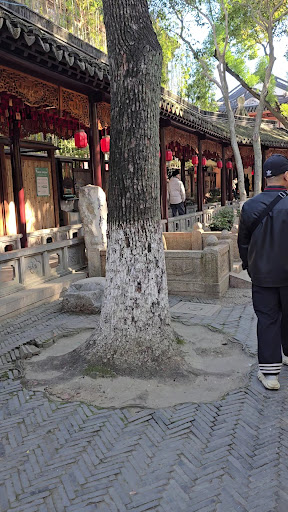
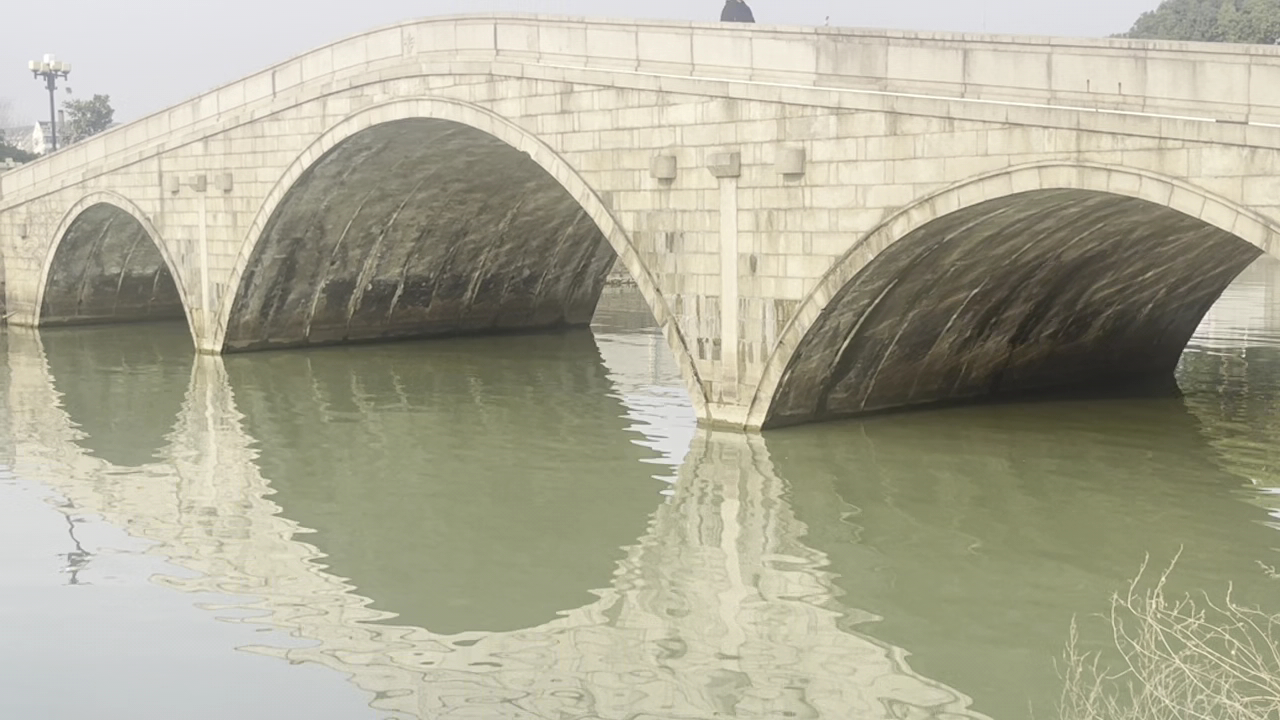
Hanshan Temple Buddhist Library things to do, attractions, restaurants, events info and trip planning
Basic Info
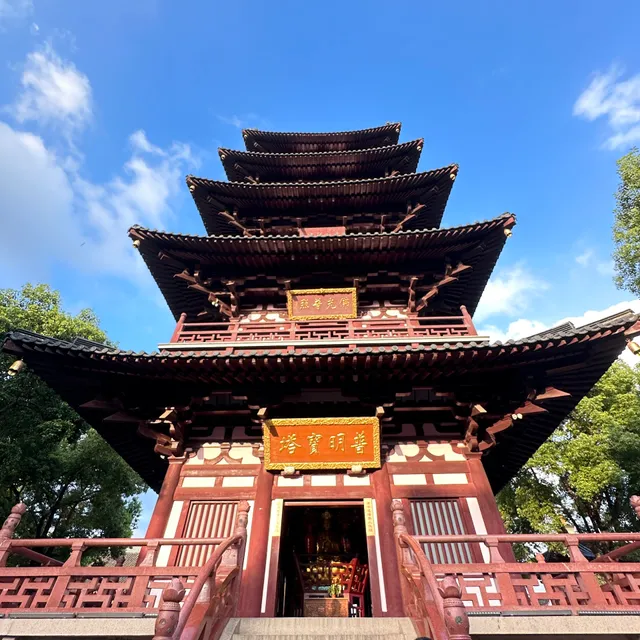
Hanshan Temple Buddhist Library
China, Jiangsu, Suzhou, 金阊区枫桥大街98号
4.6(140)
Open 24 hours
Save
spot
spot
Ratings & Description
Info
Cultural
Scenic
Relaxation
Family friendly
Accessibility
attractions: Suzhou Fengqiao Scenery Spot, Hanshi Yizong, restaurants: Guisu Vegetarian Restaurant, Yaojiawei (Xinzhuang Branch), Sucheng Private Cuisine Restaurant, Mei'ali Pub, Fanbuliao Fish In Broth With Pickled Leaf Mustard, local businesses: 寒山寺大钟苑, Suzhou University of Science and Technology
 Learn more insights from Wanderboat AI.
Phone
+86 512 6532 2806
Website
hanshansi.org
Plan your stay

Pet-friendly Hotels in Suzhou City
Find a cozy hotel nearby and make it a full experience.

Affordable Hotels in Suzhou City
Find a cozy hotel nearby and make it a full experience.

The Coolest Hotels You Haven't Heard Of (Yet)
Find a cozy hotel nearby and make it a full experience.

Trending Stays Worth the Hype in Suzhou City
Find a cozy hotel nearby and make it a full experience.
Reviews
Nearby attractions of Hanshan Temple Buddhist Library
Suzhou Fengqiao Scenery Spot
Hanshi Yizong
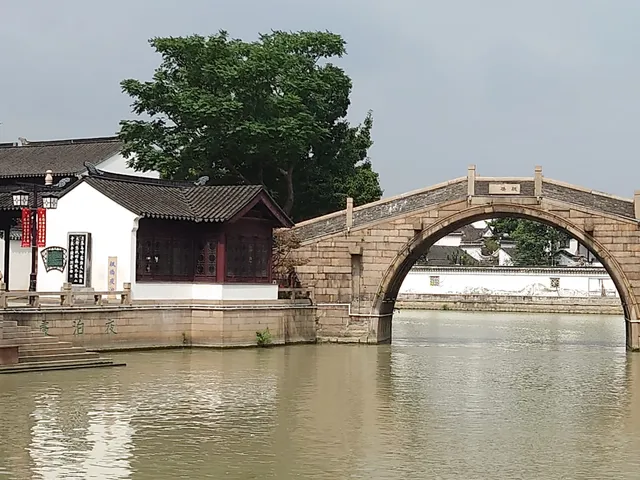
Suzhou Fengqiao Scenery Spot
4.3
(306)
Open 24 hours
Click for details
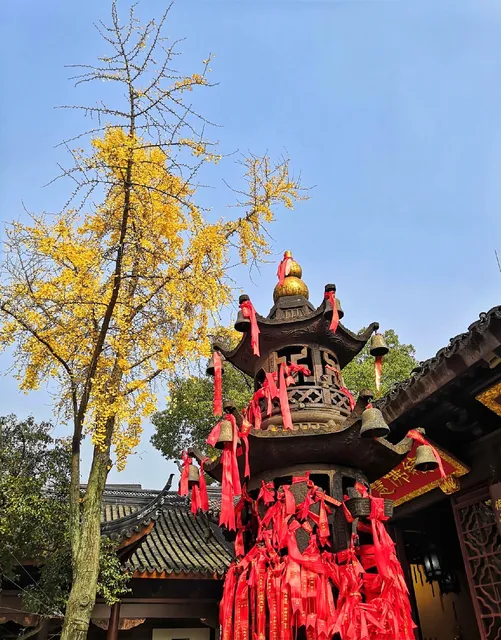
Hanshi Yizong
3.8
(9)
Open 24 hours
Click for details
Nearby restaurants of Hanshan Temple Buddhist Library
Guisu Vegetarian Restaurant
Yaojiawei (Xinzhuang Branch)
Sucheng Private Cuisine Restaurant
Mei'ali Pub
Fanbuliao Fish In Broth With Pickled Leaf Mustard
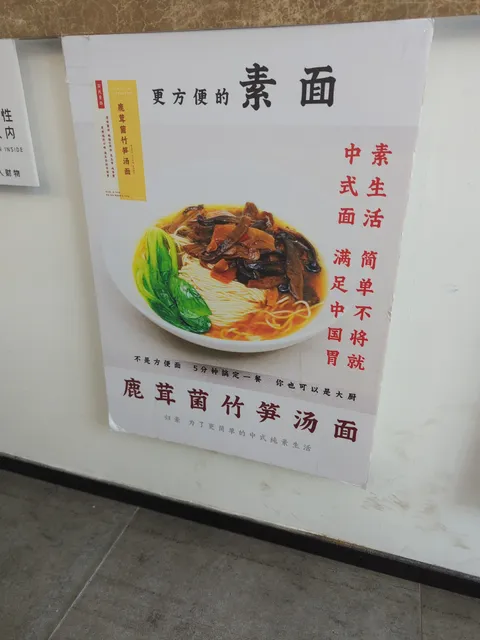
Guisu Vegetarian Restaurant
5.0
(1)
Click for details

Yaojiawei (Xinzhuang Branch)
5.0
(1)
Click for details
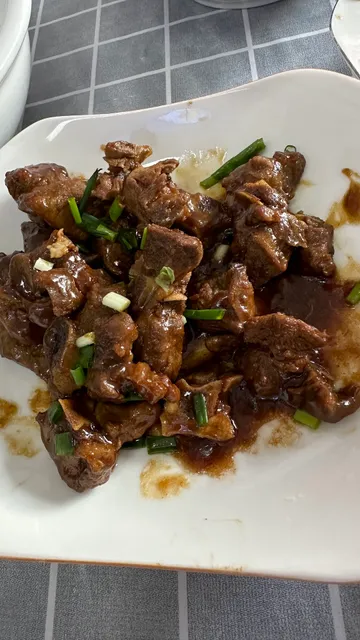
Sucheng Private Cuisine Restaurant
1.0
(1)
Click for details

Mei'ali Pub
4.0
(1)
Click for details
Nearby local services of Hanshan Temple Buddhist Library
寒山寺大钟苑
Suzhou University of Science and Technology
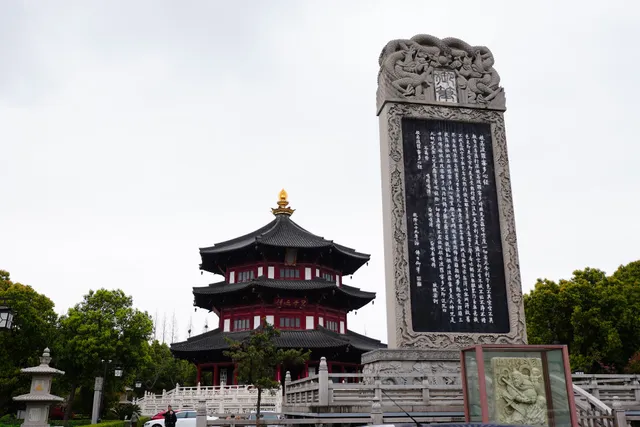
寒山寺大钟苑
4.4
(60)
Click for details
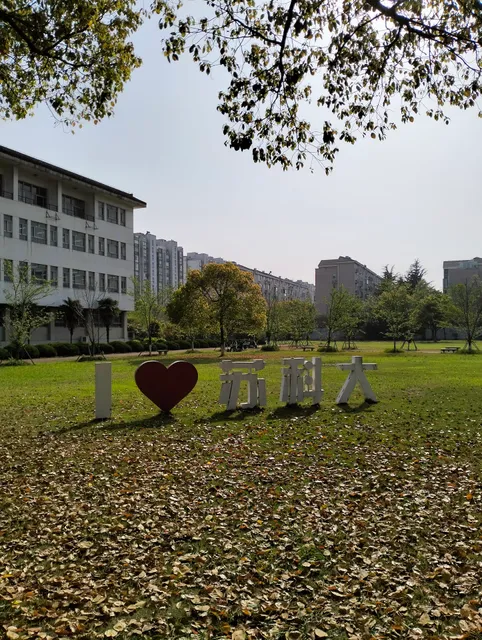
Suzhou University of Science and Technology
5.0
(11)
Click for details