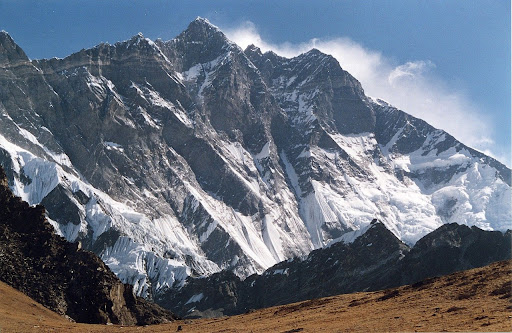
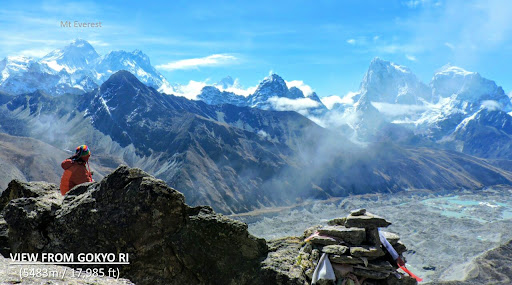
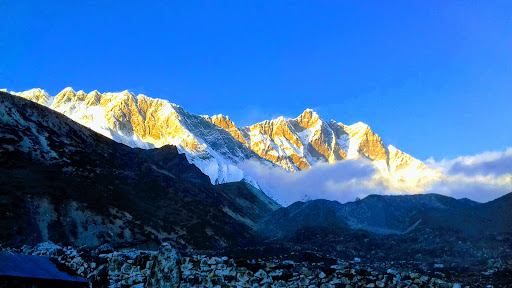
Lhotse is the fourth highest mountain in the world at 8,516 metres, after Mount Everest, K2, and Kangchenjunga. Part of the Everest massif, Lhotse is connected to the latter peak via the South Col. Lhotse means "South Peak" in Tibetan.
*Elevation: 8,516 m
*First ascent: 18 May 1956
*Prominence: 610 m
*Location: China (Tibet Autonomous Region); Province No. 1, Nepal (Khumbu)
*Mountain range: Himalayas
*Parent range: Mahalangur Himal
*First ascenders: Fritz Luchsinger, Ernst Reiss
Q: Where is Lhotse?
A: It is located in west-central Nepal about 50 miles from Katmandu.It is the 4th highest mountain on earth at 27,940' and has a reputation as one of the "achievable" 8000m mountains. The nearest airport is Katmandu.Most people fly into Kathmandu and take about a week to trek to base camp.
Q: When is it usually will climb?
A: As with most Himalayan peaks, pre and post monsoon but Spring is popular since every day it gets warmer with less threat of snow. The Fall season is just the opposite with colder days and increasingly unstable weather. Most guides climb in the Spring along with their Everest climbs.
Q: I understand that Lhotse is one of the easier 8000m climb. How hard is it?
A: It is not 'easy' - no 8000 meter mountain is easy. It is a serious high-altitude mountain where climbers lose their lives every year. The crux of climbing Lhotse is the last 300 meters which follows a steep rock filled gully that is prone for dangerous rock fall.
Q: How does Lhotse compare with Denali or Aconcagua?
A: The climbing is significantly more difficult than either of these mountains. It is a longer climb but similar to Denali in spirit in that you climb on steep snow slopes most of the time but obviously at a significantly higher altitude. Also you are using fixed ropes continuously from Base Camp on but not roped to other climbers. Of course, you must climb through the Khumbu Icefall, scene of 16 Sherpa deaths in 2014. Also on Denali you are pulling a sled with personal and group gear whereas on Lhotse Sherpas usually carry the tents and stoves while you carry your personal gear including food, clothing and sleeping bag and pads. This depends on your expedition logistics. It is measurably more difficult than Aconcagua due to the snow, weather and length of the expedition. Huascaran is a better comparison than Aconcagua.
Q: How does Lhotse compare with Everest or other 8,000m peaks?
A: It is similar to Everest as you follow the same route used to summit Everest's Southeast Ridge up to the Yellow Band where you turn right and climb straight up to the summit. The technical climbing in the West Couloir has similarities to Makalu, and K2. Of course at 8516 meters, the altitude is deadly.
Q: Is a Lhotse climb dangerous?
A: Absolutely. You should only attempt Lhotse if you have the proper experience and logistics for emergency situations. Most deaths are a result of rock fall and general falls but the weather and altitude...
Read more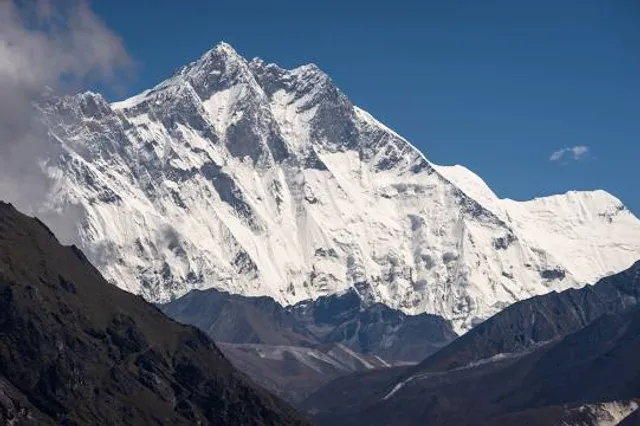
 Learn more insights from Wanderboat AI.