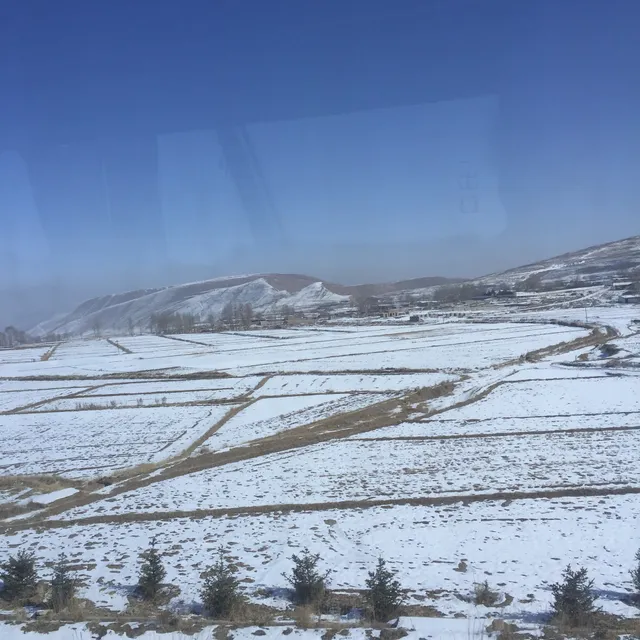
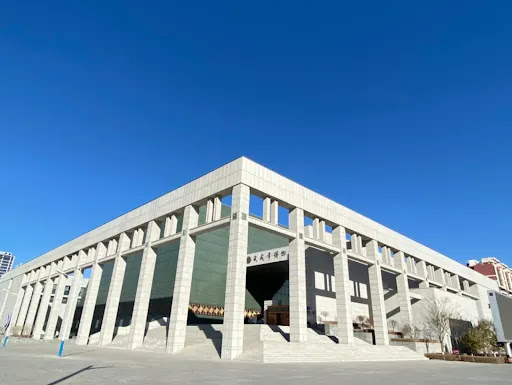
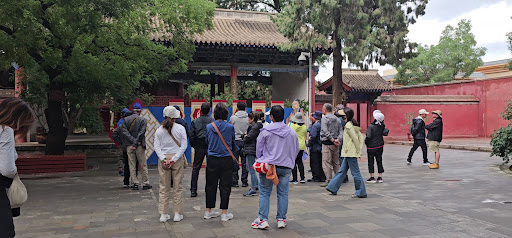
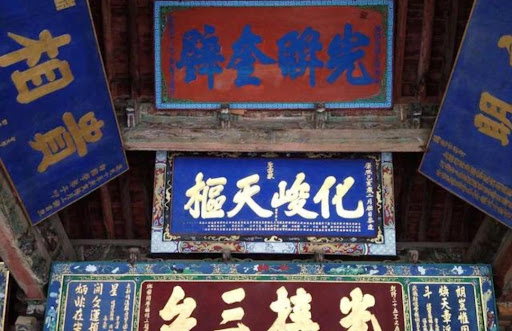
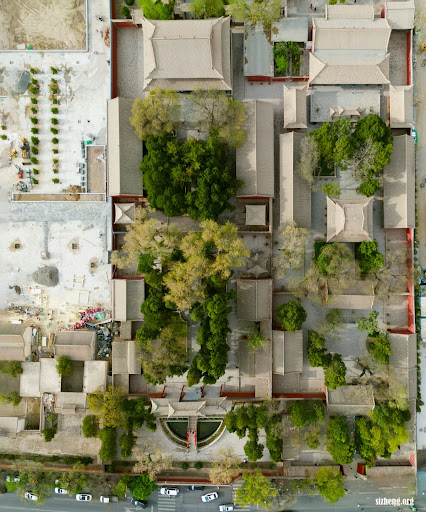
Liangzhou, now Wuwei City, the capital of the northwest, the capital of Yongliang, the important state of the world, and the State Fanwei, Liangzhou dominates the center of the northwest, where the Xiliang Palace is located, and the Xiliang Prefecture is located. It has become the center of the northwest in the past dynasties. The culture of the Western Jin Dynasty was originally the style of the Wei and Jin Dynasties and came from the Cao Wei. The Western Jin Dynasty inherited the cultural heritage of Cao Wei, and among the scholar-official class in the Western Jin Dynasty, there were Jingzhao Du clan, Hanoi Chang clan, Hedong Pei clan, Chen Jun Xie clan, Anding Zhang clan, Wuwei Jia clan, Hanoi Sima clan, Qinghe Cui clan, Bolin Choi, Hedong Wei, Chen Liujiang, Guangping Chen, Zhao Jun Li, Taiyuan Wang, Fanyang Lu, Zhongshan Wang, Yingchuan Xun, Dongyang Chen, Xingyang Zheng, Dunhuang Soc This group of people in the Sima family in the Western Jin Dynasty, their descendants mostly avoided the former Lianggu Zang in the northwest due to the Rebellion of the Eight Kings and Yongjia. Therefore, the Han culture did not withdraw from the stage of history in the five chaos of China, but was preserved in the northwestern Lianggu.
It is precisely because this group of people came to Liangzhou, the core of the northwest, that the flourishing age of Qianliang came into being. Later, Hou Liang continued the cultural and architectural heritage of Qian Liang. Later, Nanliang inherited Beiliang and Xiliang. Later, Xiliang and Beiliang also inherited Nanliang. After that, the Northern Wei Dynasty attacked Beiliang, the last regime of the Sixteen Kingdoms, and absorbed the culture of Beiliang in its entirety.
The Liangzhou immigrants contributed a lot to the process of the Sinicization of Tuoba Xianbei in the Northern Wei Dynasty. The Northern Wei Dynasty splits the Eastern Wei and Western Wei, and this lingering pulse continues. The Eastern Wei Dynasty became the Northern Qi Dynasty and belonged to the regular army of the Northern Wei Dynasty. The Western Wei Dynasty changed to the Northern Zhou Dynasty and belonged to the miscellaneous army of the Northern Wei Dynasty. Therefore, culturally, the Liangzhou family was mainly in the Eastern Wei Dynasty, but during the Northern Qi and Northern Zhou dynasties, Liangzhou culture had a general impact on them. The Northern Zhou Dynasty and the Northern Qi belonged to the Sui Dynasty, and the Yumai of the Sui and Tang Dynasties was the...
Read more
 Learn more insights from Wanderboat AI.