Here is a short history of the Xi'an City Wall, focusing on the Anyuan Gate. (Deep Seek)
The magnificent fortification that surrounds the center of Xi'an is one of the largest and best-preserved ancient city walls in the world. While the city's history spans millennia, the current wall is a legacy of the Ming Dynasty (1368-1644).
Origins of the Wall: The Ming Dynasty Foundation
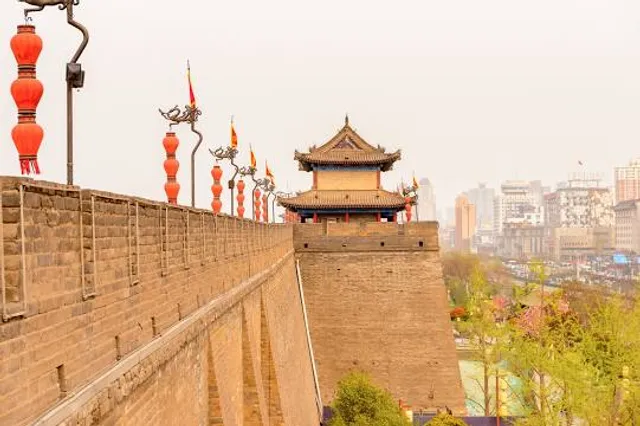
After overthrowing the Mongol-led Yuan Dynasty, the Hongwu Emperor sought to strengthen China's defenses. In 1370, he ordered the construction of a new, expanded wall on the foundation of the older Tang Imperial City. This was not just a military project; it was a symbol of reclaiming Han Chinese rule. The wall was built over eight years, constructed with tamped earth, lime, and glutinous rice pulp, faced with three layers of bricks. Its imposing presence—12 meters (39 ft) high, 12-14 meters wide at the top, and 15-18 meters wide at the base, stretching 13.7 km (8.5 miles)—was designed to proclaim the power and permanence of the new Ming rule.
Focus on Anyuanmen (安远门) - The Gate of Eternal Peace
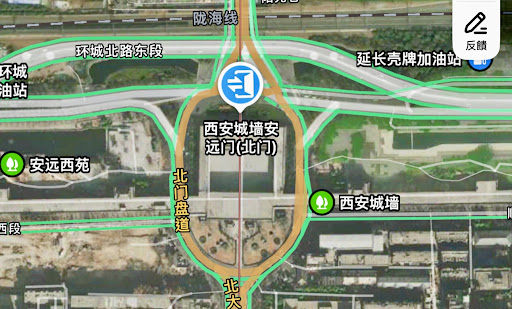
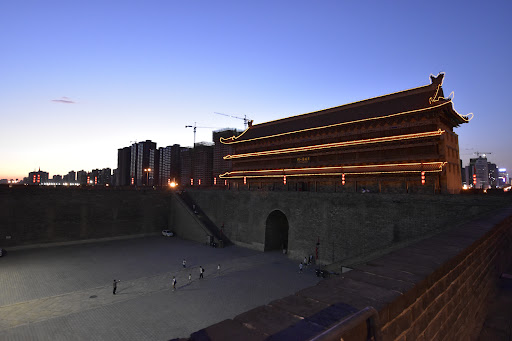
Anyuanmen, commonly known as the North Gate, is one of the four main gates of the wall, each originally comprising a complex series of defensive structures.
The Meaning Behind the Name: Its name, 安远 (Ānyuǎn), is deeply symbolic. It translates to "Pacifying the Far-Reaching" or "Eternal Peace." In the context of Ming China, "the far-reaching" clearly referred to the northern frontiers, the traditional source of invasion from nomadic steppe peoples (like the Mongols they had just expelled). The name was a statement of intent: to pacify these northern territories and secure eternal peace for the empire from this strategic direction.
Strategic Military Importance: As the northern gate, Anyuanmen faced the greatest perceived military threat. Consequently, its defenses were among the most robust. Like the other main gates, it was a self-contained fortress:
· Gate Tower (Zhenglou): The main, multi-storied tower over the entrance gate.
· Arrow Tower (Jianlou): A larger, taller tower built further out, connected to the Gate Tower by a walled enclosure called the Wengcheng (a kill zone). This created a double-gate system where invaders could be trapped and attacked from all sides.
· Watchtowers, Corner Towers, and Ramparts: It was part of an integrated system of 98 watchtowers and several larger corner towers, allowing for surveillance and defense along the entire curtain wall.
Any attack from the north would have to contend with this formidable layered defense at Anyuanmen.
Historical and Cultural Role: Beyond defense, the gate regulated all movement in and out of the city. Officials, merchants, farmers, and travelers passed through its tunnels. It was a key node on ancient northern routes. Ceremonies for troops departing on campaigns to the north might have been held here, embodying the "pacifying" mission of its name.
The Gate Through Dynasties: The wall and its gates were maintained and repaired throughout the Qing Dynasty (1644-1912) and into the Republican era. While the Qing expanded the empire north, making the wall's military function less critical, it remained a powerful administrative and symbolic structure.
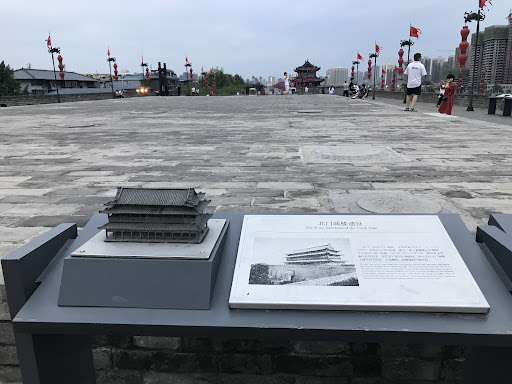
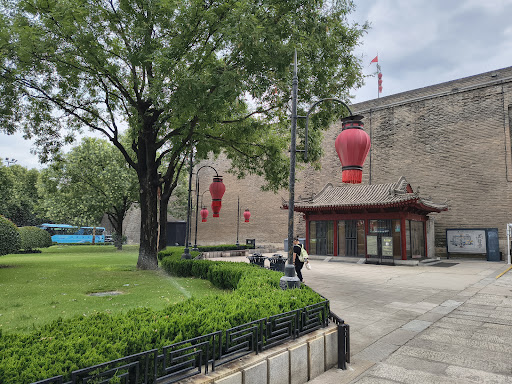
Anyuanmen Today: Like the rest of the wall, Anyuanmen suffered damage in the 20th century but was extensively restored. Today, it stands as a magnificent monument. Visitors can walk or bike along the top of the wall, passing directly over the gate complex. The area around Anyuanmen has been developed into a public square and park, making it a popular gathering place and a stunning example of where ancient history integrates with modern city life. It serves as a northern anchor for the wall and a key access point...
Read more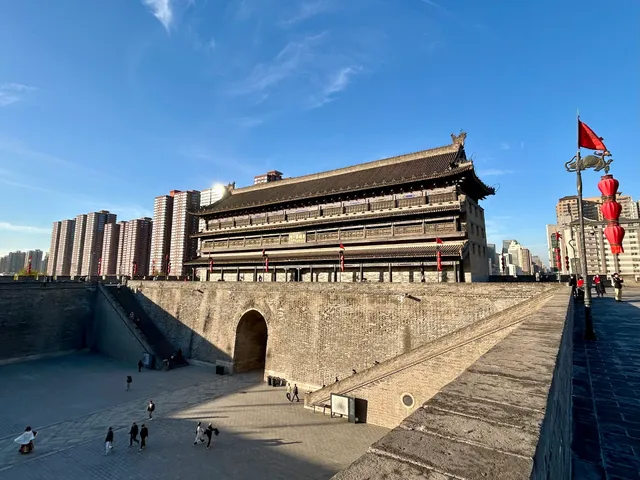
 Learn more insights from Wanderboat AI.