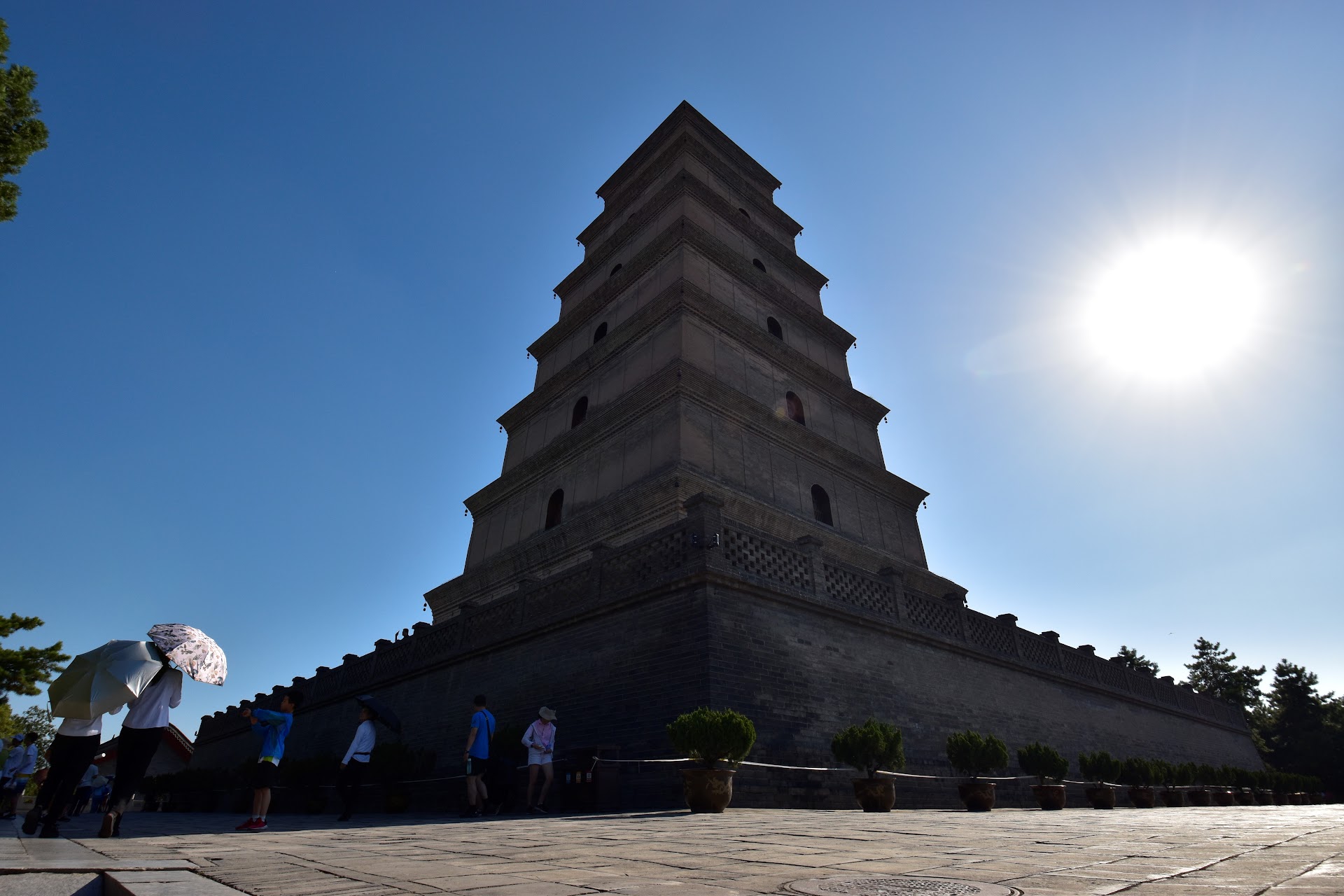
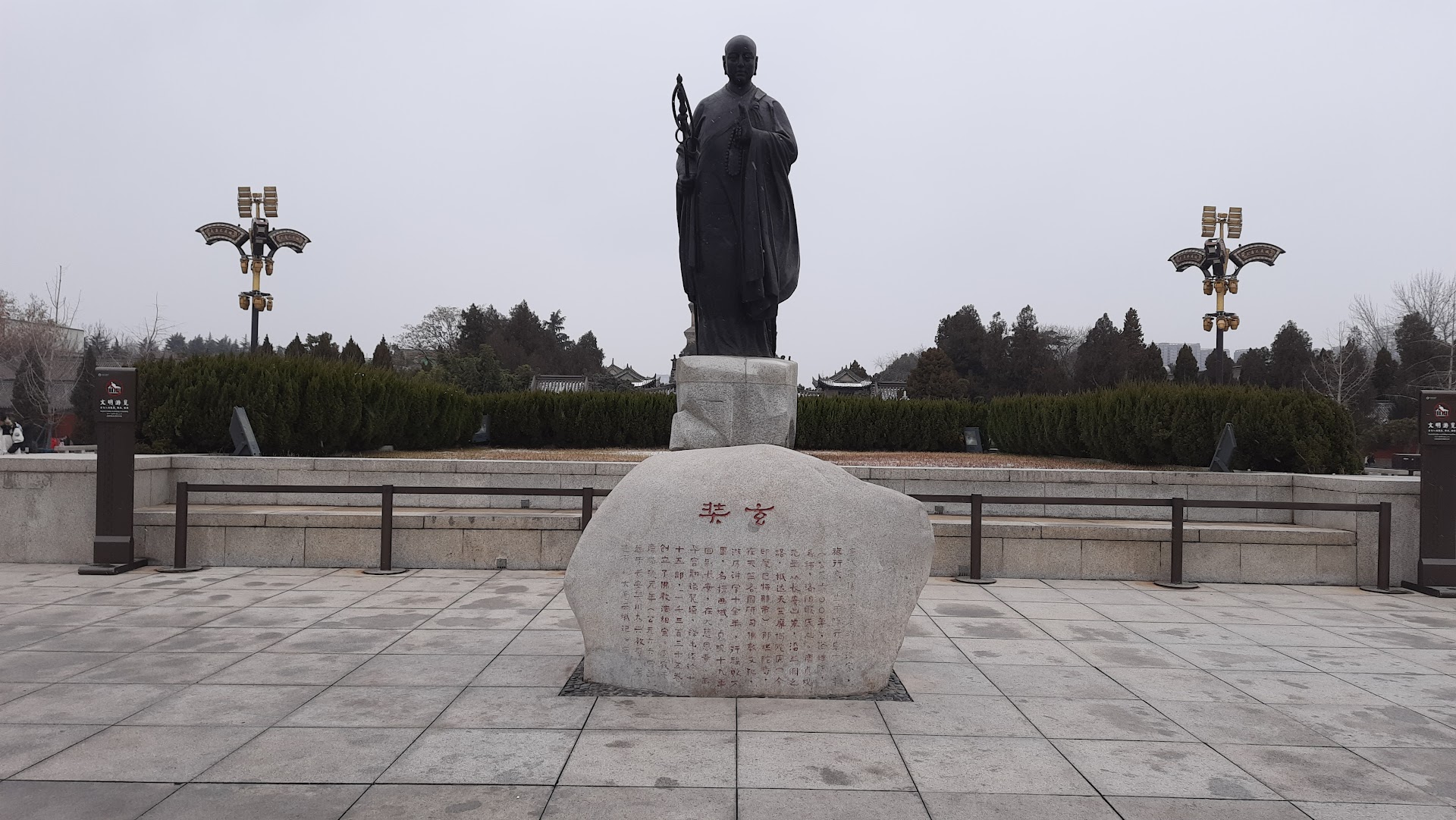
Giant Wild Goose Pagoda things to do, attractions, restaurants, events info and trip planning

Basic Info
Giant Wild Goose Pagoda
1 Cien Rd, Yanta District, Xi'An, Shaanxi, China, 710064
4.5(517)
Open 24 hours
Save
spot
spot
Ratings & Description
Info
Giant Wild Goose Pagoda or Big Wild Goose Pagoda, is a monumental Buddhist pagoda located in southern Xi'an, Shaanxi, China. It was built in c. 648 – c. 649 during the Tang dynasty and originally had five stories.
Cultural
Scenic
Family friendly
Accessibility
attractions: Daci'en Temple, 大雁塔音乐喷泉, Big Wild Goose Pagoda (South Gate), Big Wild Goose Pagoda culture and leisure resort, Bell Tower, Datang Everbright City, Dayan Pagoda South Square, Tangda Ci'ensi Relic Site Park (South Gate), Xi'an Big Wild Goose Pagoda Scenic Area, Morning Clock of Big Wild Goose Pagoda, restaurants: Qinhantang Food City, 新打里餐厅, Ganga Impression Indian Restaurant, 大唐博相府酒店餐厅, Tianxia No.1 Noodles Dayanta S. Plz, Tangmao Courtyard Night Banquet Chang'An, The Delhi Club, Weizhuoyin, Lan Kwai Fong, Tian Long Bao Yan Vegetarian Restaurant Cien West Rd Branch, local businesses: Joy City, Daciensi Tower
 Learn more insights from Wanderboat AI.
Phone
+86 29 8552 7958
Plan your stay

Pet-friendly Hotels in Xi'an
Find a cozy hotel nearby and make it a full experience.

Affordable Hotels in Xi'an
Find a cozy hotel nearby and make it a full experience.

The Coolest Hotels You Haven't Heard Of (Yet)
Find a cozy hotel nearby and make it a full experience.

Trending Stays Worth the Hype in Xi'an
Find a cozy hotel nearby and make it a full experience.
Reviews
Nearby attractions of Giant Wild Goose Pagoda
Daci'en Temple
大雁塔音乐喷泉
Big Wild Goose Pagoda (South Gate)
Big Wild Goose Pagoda culture and leisure resort
Bell Tower
Datang Everbright City
Dayan Pagoda South Square
Tangda Ci'ensi Relic Site Park (South Gate)
Xi'an Big Wild Goose Pagoda Scenic Area
Morning Clock of Big Wild Goose Pagoda
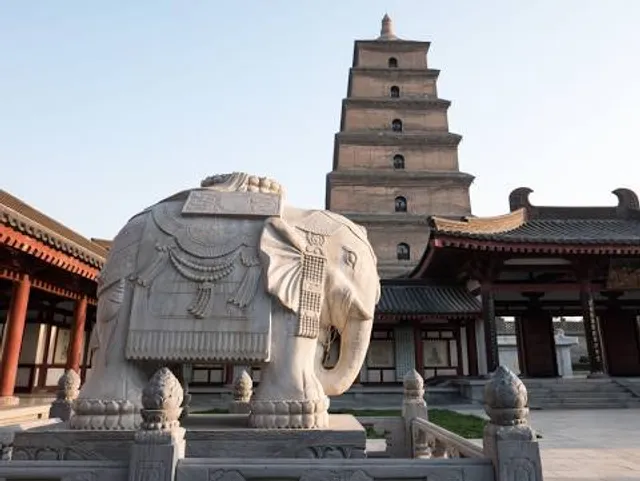
Daci'en Temple
4.3
(47)
Open 24 hours
Click for details

大雁塔音乐喷泉
4.2
(11)
Open 24 hours
Click for details
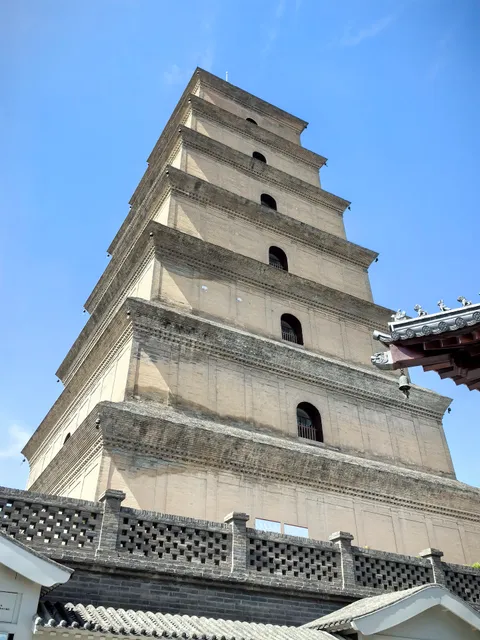
Big Wild Goose Pagoda (South Gate)
4.5
(65)
Open 24 hours
Click for details
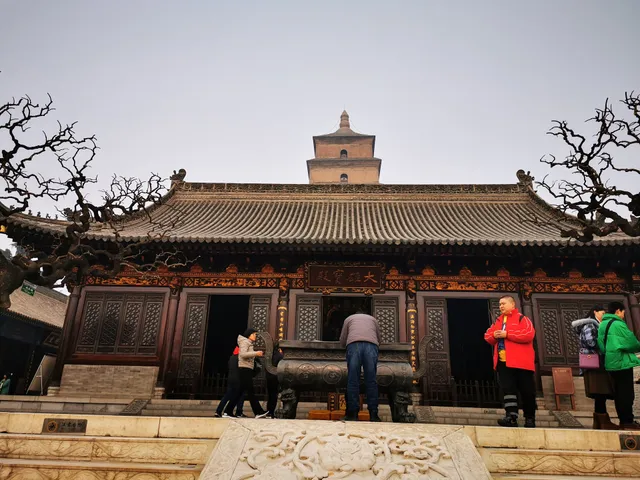
Big Wild Goose Pagoda culture and leisure resort
4.4
(28)
Open 24 hours
Click for details
Nearby restaurants of Giant Wild Goose Pagoda
Qinhantang Food City
新打里餐厅
Ganga Impression Indian Restaurant
大唐博相府酒店餐厅
Tianxia No.1 Noodles Dayanta S. Plz
Tangmao Courtyard Night Banquet Chang'An
The Delhi Club
Weizhuoyin
Lan Kwai Fong
Tian Long Bao Yan Vegetarian Restaurant Cien West Rd Branch
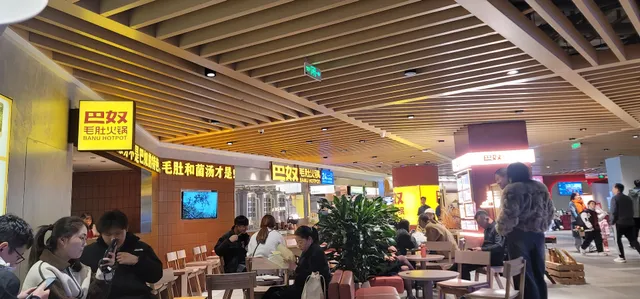
Qinhantang Food City
4.0
(1)
Click for details
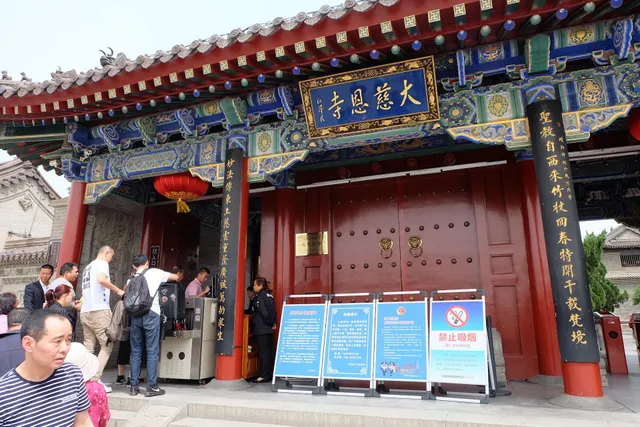
新打里餐厅
4.4
(38)
Closed
Click for details
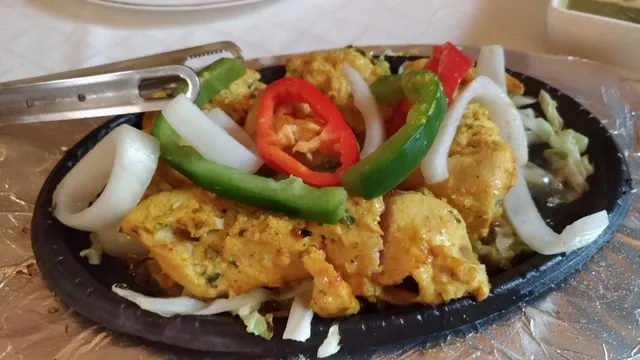
Ganga Impression Indian Restaurant
4.0
(9)
Closed
Click for details
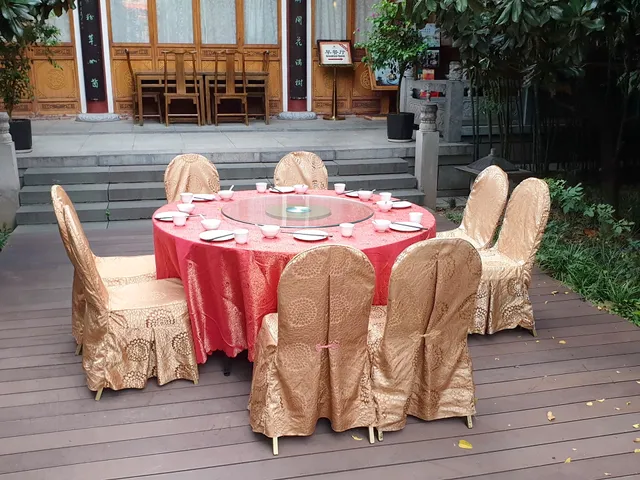
大唐博相府酒店餐厅
3.5
(1)
Click for details
Nearby local services of Giant Wild Goose Pagoda
Joy City
Daciensi Tower

Joy City
4.4
(26)
Click for details

Daciensi Tower
4.5
(524)
Click for details