Mount Wutai things to do, attractions, restaurants, events info and trip planning
Basic Info
Mount Wutai
2H5W+2GR, 205 Sheng Dao, Wutai County, Xinzhou, Shanxi, China, 035515
4.6(92)
Open 24 hours
Save
spot
spot
Ratings & Description
Info
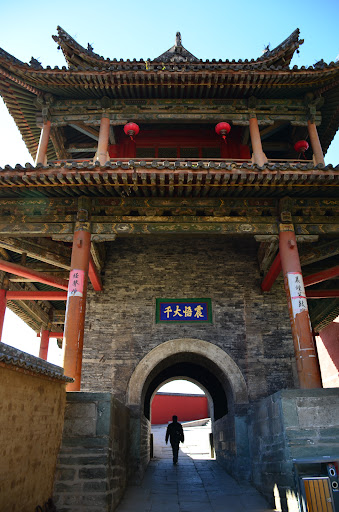
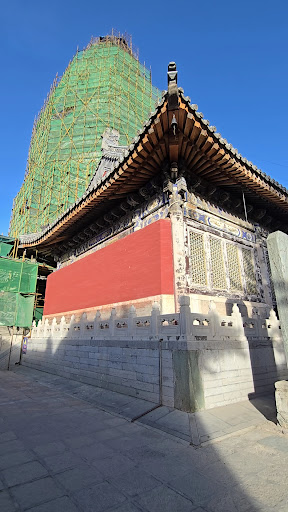
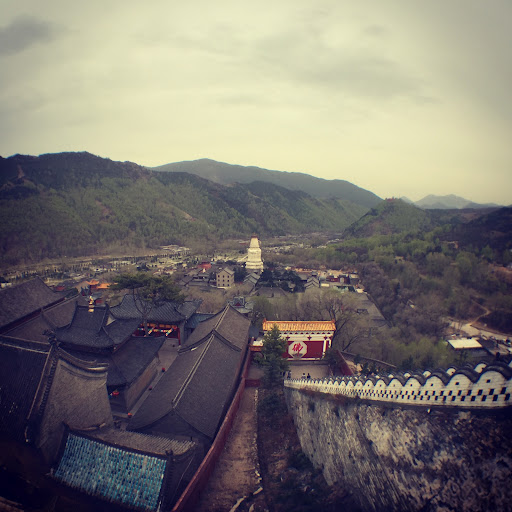
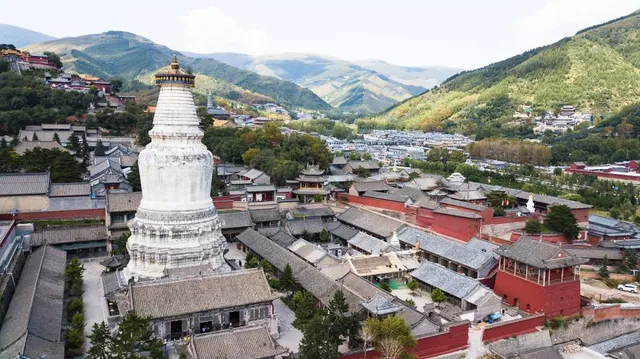
Mount Wutai, also known by its Chinese name Wutaishan and as Mount Qingliang, is a sacred Buddhist site at the headwaters of the Qingshui in Shanxi Province, China. Its central area is surrounded by a cluster of flat-topped peaks or mesas roughly corresponding to the cardinal directions.
Cultural
Outdoor
Scenic
Family friendly
Off the beaten path
attractions: 塔院寺, Wuye Temple, Shuxiang Temple, Pusading Temple, restaurants: A light vegetarian whole, local businesses:
 Learn more insights from Wanderboat AI.
Phone
+86 350 654 2380
Plan your stay

Pet-friendly Hotels in Xinzhou
Find a cozy hotel nearby and make it a full experience.

Affordable Hotels in Xinzhou
Find a cozy hotel nearby and make it a full experience.

The Coolest Hotels You Haven't Heard Of (Yet)
Find a cozy hotel nearby and make it a full experience.

Trending Stays Worth the Hype in Xinzhou
Find a cozy hotel nearby and make it a full experience.
Reviews
Nearby attractions of Mount Wutai
塔院寺
Wuye Temple
Shuxiang Temple
Pusading Temple
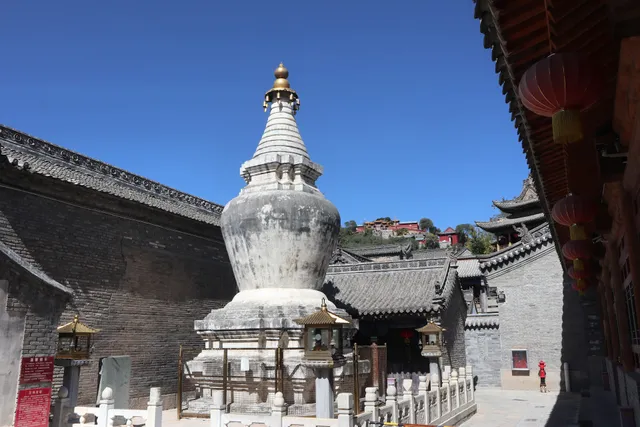
塔院寺
4.5
(14)
Open 24 hours
Click for details
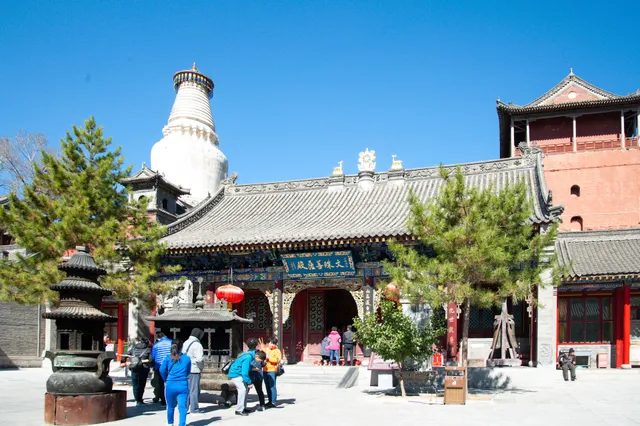
Wuye Temple
4.5
(16)
Open 24 hours
Click for details
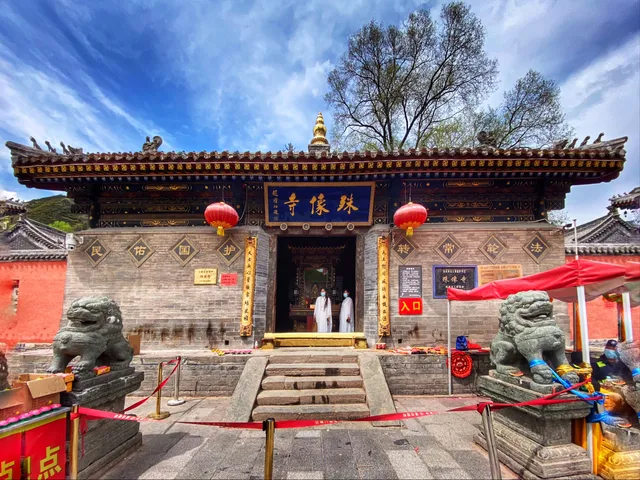
Shuxiang Temple
4.5
(18)
Open 24 hours
Click for details
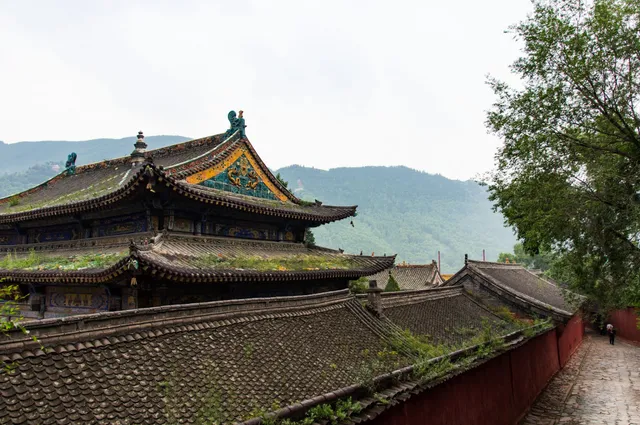
Pusading Temple
4.6
(66)
Open 24 hours
Click for details
Nearby restaurants of Mount Wutai
A light vegetarian whole
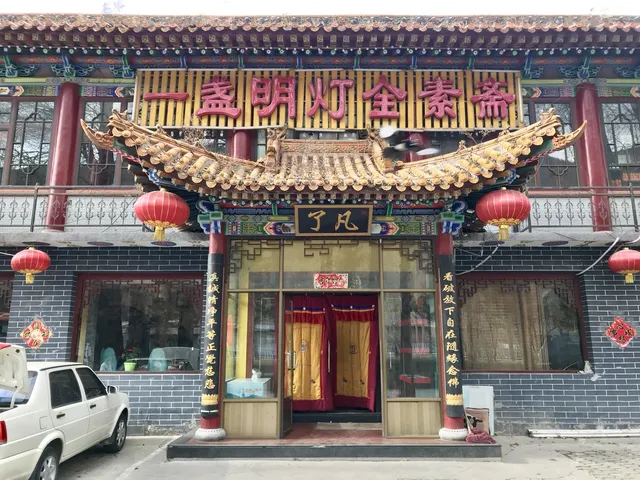
A light vegetarian whole
4.5
(7)
Click for details