HTML SitemapExplore
logo
Find Things to DoFind The Best Restaurants

Pagoda of Fogong Temple — Attraction in Ying County

Name
Pagoda of Fogong Temple
Description
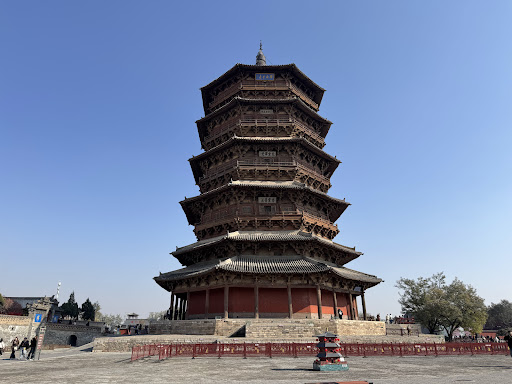
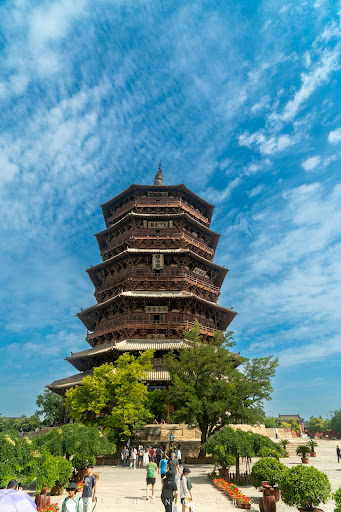
The Sakyamuni Pagoda of Fogong Temple of Ying County, Shanxi province, China, is a wooden Chinese pagoda. It is also known as the Wooden Pagoda of Yingxian County.
Nearby attractions
Nearby restaurants
Nearby hotels
Related posts
Keywords
Pagoda of Fogong Temple tourism.Pagoda of Fogong Temple hotels.Pagoda of Fogong Temple bed and breakfast. flights to Pagoda of Fogong Temple.Pagoda of Fogong Temple attractions.Pagoda of Fogong Temple restaurants.Pagoda of Fogong Temple travel.Pagoda of Fogong Temple travel guide.Pagoda of Fogong Temple travel blog.Pagoda of Fogong Temple pictures.Pagoda of Fogong Temple photos.Pagoda of Fogong Temple travel tips.Pagoda of Fogong Temple maps.Pagoda of Fogong Temple things to do.
Pagoda of Fogong Temple things to do, attractions, restaurants, events info and trip planning
Pagoda of Fogong Temple
ChinaShanxiYing CountyPagoda of Fogong Temple

Basic Info

Pagoda of Fogong Temple

China, Shanxi, Shuozhou, Ying County, Beijie St, 佛宫寺内 邮政编码: 037699
4.6(63)
Open 24 hours
Save
spot

Ratings & Description

Info

The Sakyamuni Pagoda of Fogong Temple of Ying County, Shanxi province, China, is a wooden Chinese pagoda. It is also known as the Wooden Pagoda of Yingxian County.

Cultural
Scenic
Accessibility
attractions: , restaurants:
logoLearn more insights from Wanderboat AI.

Plan your stay

hotel
Pet-friendly Hotels in Ying County
Find a cozy hotel nearby and make it a full experience.
hotel
Affordable Hotels in Ying County
Find a cozy hotel nearby and make it a full experience.
hotel
The Coolest Hotels You Haven't Heard Of (Yet)
Find a cozy hotel nearby and make it a full experience.
hotel
Trending Stays Worth the Hype in Ying County
Find a cozy hotel nearby and make it a full experience.

Reviews

Get the Appoverlay
Get the AppOne tap to find yournext favorite spots!
Wanderboat LogoWanderboat

Your everyday Al companion for getaway ideas

CompanyAbout Us
InformationAI Trip PlannerSitemap
SocialXInstagramTiktokLinkedin
LegalTerms of ServicePrivacy Policy

Get the app

© 2025 Wanderboat. All rights reserved.
logo

Posts

R LeungR Leung
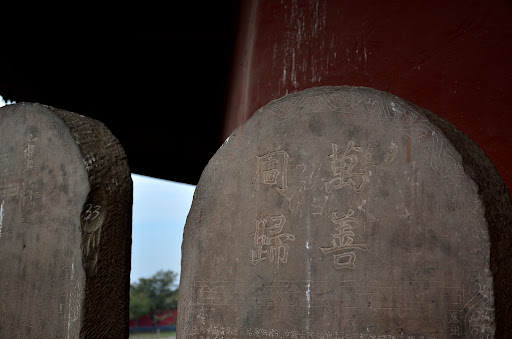
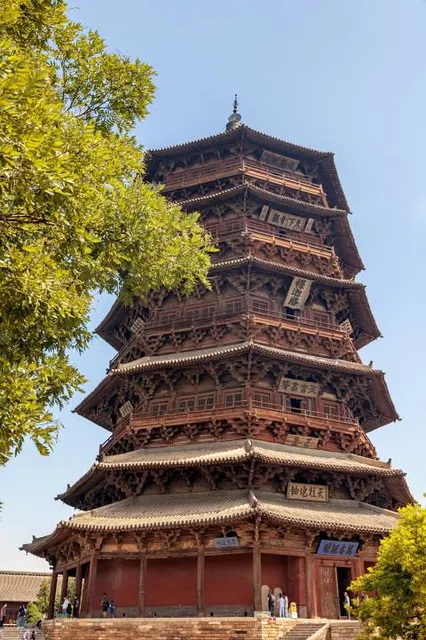
The wooden pagoda may be known to every visitor as one of the oldest wooden pagodas if not the oldest in the world. However, it’s only when one stands right beneath it that one starts to appreciate the ingenuity of the pagoda’s designers. Each of its levels may look similar yet so different - feeding the eyes of the visitor with varying proportions and intricate craftsmanship. On different levels are horizontal placards on which are written words of wisdom or blessing. The big tall wooden pillars surrounding the tower also caught my eyes. Its coat of paint has blistered and flaked; the wood on every square inch of the pillar has cracked. The closer I looked (see photos), the more I wondered how much longer these pillars could do the job of supporting such a huge structure. But then they have been for hundreds of years and are likely to continue for many more. They are after all the integral part of a holy place and are protected by a mighty force which in turn is protected by the tower. The tower is primarily built to protect a gigantic Buddha right beneath its roof. Standing at the feet of the Buddha and looking upwards, I quickly felt the majestic and imposing aura radiating from its torso all the way to its head. One marvels at this pagoda more when it is made known that the structure has remained intact through several earthquakes and after being hit by cannon balls during war time.
JR SuarezJR Suarez
The oldest and tallest wooden pagoda. It was built in 1056 in the Liao dynasty. On the ground floor of the pagoda stands a statue of Sakaymuni Buddha of 11 meters high. Apparently you cannot go up the pagoda, beyond the ground floor as during a renovation they removed part of the structure making it more unstable.
Yuki Cheung (Yuki)Yuki Cheung (Yuki)
佛宫寺释迦塔,又称应县木塔,位于山西省朔州市应县佛宫寺内,始建于辽清宁二年,是现存最高大、最古老纯木结构楼阁式建筑。 1933年的梁思成带着中国营造学社成员们来到应县,对应县木塔进行了详细的调查和测绘,为后世研究提供了宝贵的资料。他盛赞应县木塔“好到令人叫绝,喘不出一口气来半天”,让应县木塔的美名广为流传。 之后不久,当地绅士在没有梁思成等专家参与的情况下进行了一次破坏性修复,梁思成称之为“木塔八百余年以来最大的厄运”。果然梁思成的话语在后来有了应验,十余年后塔身慢慢歪斜,部分构件脱榫、劈裂。二十世纪七八十年代,国家文物局曾组织专家进行抢险加固,但这次修复再次犯了错误,没能阻挡住木塔继续变形。之后历经数次研究讨论方案,然而直到现在也还没有个定论究竟要如何彻底地修这座宝塔。应县木塔就这样继续默默地抵御着日晒雨淋,继续慢慢倾斜着,谁也不知道是不是哪一天它就倒了。 目前,除一层外,塔内其他区域已不对外开放了,小雪无缘登上高阁,只穿塔而过,也还不错了。 在应县木塔之后的就是佛宫寺了。以前应县木塔就是作为佛宫寺的释迦塔而存在的,不过随着佛宫寺规模的缩小,俨然是应县木塔为主要建筑了。 应县木塔门票50RMB。
See more posts
See more posts
hotel
Find your stay

Pet-friendly Hotels in Ying County

Find a cozy hotel nearby and make it a full experience.

The wooden pagoda may be known to every visitor as one of the oldest wooden pagodas if not the oldest in the world. However, it’s only when one stands right beneath it that one starts to appreciate the ingenuity of the pagoda’s designers. Each of its levels may look similar yet so different - feeding the eyes of the visitor with varying proportions and intricate craftsmanship. On different levels are horizontal placards on which are written words of wisdom or blessing. The big tall wooden pillars surrounding the tower also caught my eyes. Its coat of paint has blistered and flaked; the wood on every square inch of the pillar has cracked. The closer I looked (see photos), the more I wondered how much longer these pillars could do the job of supporting such a huge structure. But then they have been for hundreds of years and are likely to continue for many more. They are after all the integral part of a holy place and are protected by a mighty force which in turn is protected by the tower. The tower is primarily built to protect a gigantic Buddha right beneath its roof. Standing at the feet of the Buddha and looking upwards, I quickly felt the majestic and imposing aura radiating from its torso all the way to its head. One marvels at this pagoda more when it is made known that the structure has remained intact through several earthquakes and after being hit by cannon balls during war time.
R Leung

R Leung

hotel
Find your stay

Affordable Hotels in Ying County

Find a cozy hotel nearby and make it a full experience.

Get the Appoverlay
Get the AppOne tap to find yournext favorite spots!
The oldest and tallest wooden pagoda. It was built in 1056 in the Liao dynasty. On the ground floor of the pagoda stands a statue of Sakaymuni Buddha of 11 meters high. Apparently you cannot go up the pagoda, beyond the ground floor as during a renovation they removed part of the structure making it more unstable.
JR Suarez

JR Suarez

hotel
Find your stay

The Coolest Hotels You Haven't Heard Of (Yet)

Find a cozy hotel nearby and make it a full experience.

hotel
Find your stay

Trending Stays Worth the Hype in Ying County

Find a cozy hotel nearby and make it a full experience.

佛宫寺释迦塔,又称应县木塔,位于山西省朔州市应县佛宫寺内,始建于辽清宁二年,是现存最高大、最古老纯木结构楼阁式建筑。 1933年的梁思成带着中国营造学社成员们来到应县,对应县木塔进行了详细的调查和测绘,为后世研究提供了宝贵的资料。他盛赞应县木塔“好到令人叫绝,喘不出一口气来半天”,让应县木塔的美名广为流传。 之后不久,当地绅士在没有梁思成等专家参与的情况下进行了一次破坏性修复,梁思成称之为“木塔八百余年以来最大的厄运”。果然梁思成的话语在后来有了应验,十余年后塔身慢慢歪斜,部分构件脱榫、劈裂。二十世纪七八十年代,国家文物局曾组织专家进行抢险加固,但这次修复再次犯了错误,没能阻挡住木塔继续变形。之后历经数次研究讨论方案,然而直到现在也还没有个定论究竟要如何彻底地修这座宝塔。应县木塔就这样继续默默地抵御着日晒雨淋,继续慢慢倾斜着,谁也不知道是不是哪一天它就倒了。 目前,除一层外,塔内其他区域已不对外开放了,小雪无缘登上高阁,只穿塔而过,也还不错了。 在应县木塔之后的就是佛宫寺了。以前应县木塔就是作为佛宫寺的释迦塔而存在的,不过随着佛宫寺规模的缩小,俨然是应县木塔为主要建筑了。 应县木塔门票50RMB。
Yuki Cheung (Yuki)

Yuki Cheung (Yuki)

See more posts
See more posts

Reviews of Pagoda of Fogong Temple

4.6
(63)
avatar
4.0
8y

The wooden pagoda may be known to every visitor as one of the oldest wooden pagodas if not the oldest in the world. However, it’s only when one stands right beneath it that one starts to appreciate the ingenuity of the pagoda’s designers. Each of its levels may look similar yet so different - feeding the eyes of the visitor with varying proportions and intricate craftsmanship. On different levels are horizontal placards on which are written words of wisdom or blessing. The big tall wooden pillars surrounding the tower also caught my eyes. Its coat of paint has blistered and flaked; the wood on every square inch of the pillar has cracked. The closer I looked (see photos), the more I wondered how much longer these pillars could do the job of supporting such a huge structure. But then they have been for hundreds of years and are likely to continue for many more. They are after all the integral part of a holy place and are protected by a mighty force which in turn is protected by the tower. The tower is primarily built to protect a gigantic Buddha right beneath its roof. Standing at the feet of the Buddha and looking upwards, I quickly felt the majestic and imposing aura radiating from its torso all the way to its head. One marvels at this pagoda more when it is made known that the structure has remained intact through several earthquakes and after being hit by cannon balls...

   Read more
avatar
4.0
7y

佛宮寺釋迦塔,俗稱應縣木塔,位於中華人民共和國山西省朔州市應縣,是世界現存最古老、最高的木塔。其確切建造年代無從考證,但可從其建築風格和相關文物信息確認其建造時間在遼代。該塔在金代、元代、明代和清代時曾被多次修葺。該塔曾經歷過多次大地震,並於1926年時在軍閥混戰中被炮擊,但塔身從未傾倒。該塔通高67.31米,主體結構全部為木質結構,塔身外看為五層,其中第一層至第四層內各建有一層作為上一層基座的暗層,塔頂為鐵製塔剎。每層塔室內的內槽均安置有佛像,其中第一層的內槽安置有一尊高約10米的釋迦造像,內壁還繪有壁畫。由於應縣木塔塔身結構過於複雜,全塔共計出現54種不同的斗拱類型,關於該塔的維修方案自20世紀70年代起一直處於爭議狀態,直至2013年相關方案才得以最終確定。1961年,佛宮寺釋迦塔被列為全國重點文物保護單位。

佛宮寺釋迦塔,位於中華人民共和國山西省朔州市應縣,因其所在地而被俗稱為應縣木塔。該塔的確切建造時間並沒有明確的史料記載,最初可以確定其建造時間的是明代地方志當中所稱的遼代清寧二年(1056年),並由遼道宗賜名為「釋迦塔」,金代明昌四年(1193年)曾有加修。而這在很長時間內都成為了應縣木塔的斷代依據。此外,還有說法稱該塔始建於後晉天福年間,於遼代清寧二年(1056年)重修。後來塔上的部分匾額被發現有金代明昌五年(1194年)、明昌六年(1195年)、元延七年(1300年)、明代正統元年(1436年)、成化七年(1471年)等記載修繕時間的題記,在確定了該塔的修繕年份的同時,也確定應縣木塔的建造時間不會晚於金代明昌年間。結合塔整體的建築風格,應縣木塔最終被確認為一座遼塔,且學界大多採信遼代始建的說法。應縣木塔故而被認定為世界現存最古老、最高的木塔,被譽為「天下第一塔」。

在金代和元代時,應縣木塔位於一座名為寶宮禪寺的寺廟當中。元順帝時期,應縣附近曾連續7天有強烈地震,但並未對木塔造成嚴重損壞。明朝時,寶宮禪寺在地方志中的名稱變成了佛宮寺,但具體改名時間不明,應縣木塔也因此得名為佛宮寺釋迦塔。永樂年間,明成祖朱棣曾登臨應縣木塔,並題寫了「峻極神工」的匾額。正德年間時,明武宗朱厚照登臨應縣木塔後題寫了「天下奇觀」的匾額,當年塔與寺廟均曾被修繕。清朝康熙六十一年(1722年)和同治五年(1866年)時曾對木塔和寺廟進行過修繕,但此時寺廟的規模已經大不如前。中華民國時期,1926年,應縣木塔曾在軍閥混戰中遭到多次炮擊。1928年和1929年,應縣木塔的塔頂和屋面被小規模維修。1935年,應縣木塔再次被維修,但這次維修當中塔內所有斜撐的牆面均被拆除,十餘年之後塔身發生了扭動。

應縣木塔位於應縣佛宮寺內,塔的南側為佛宮寺山門,面闊五間、進深兩間,內有四大天王殿;東南側為鐘樓,西南側為鼓樓,均為二層單檐歇山頂式方形建築;山門外相隔一座廣前有一座清同治二年(1863年)所建的三門四柱懸山頂牌坊。該塔是一座樓閣式木塔,全塔通高67.31米。該塔由下至上依次可分為台基、塔身和塔剎三部分。

木塔修建在一個高約4米左右的石砌台基上,共分為上下兩層,其中下層為邊長40米左右的方形基座,四個方向均建有月台;上層台基呈八角形,直徑35.47米,在正東、正西和正南三個方向建有月台。上層台基的各角和月台各角均有一塊突出的角石,角石上均有遼代的獅頭浮雕。南面月台下方鑲嵌有兩塊碑記,西側為「重修釋迦塔寺記」,東側碑額可辨認內容為「釋迦塔寺碑」,在此五個字前還有三個字無從辨認。

台基上為木構塔身,塔身平面呈八角形,直徑30.27米,外觀看共有五層,由下至上略有收分,第一層至第四層的每層內部均建有一層作為上一層基座的暗層。塔身由下至上共使用了54種斗拱,這些斗拱為木塔提供了良好的抗震能力。

第一層總高11.5米,共有三周柱子,其中最外層副階柱每面分為三間,中間一層為檐柱,每面也分為三間;最內側為內槽柱,每面一間。內槽部分直徑10.25米,在南北兩個方向開門,原有門板痕跡已經無存,其餘六面為厚約2.86米的牆。在內槽外側2.38米的位置有一圈厚達2.6米的外檐柱牆,正南正北兩側開門。兩堵牆之間為迴廊,外側建有迴廊西南面有分為上下兩部分的木製樓梯。內槽正中有一尊高約10米的釋迦造像,頂部建有藻井。內槽的牆壁上畫有六幅如來佛像。門洞兩壁繪有遼代風格的壁畫,其中有金剛、天王、弟子、供養人等人物造像,但由於色彩過於鮮艷,可能是後世模仿畫風重修製作而成的。

第二層以上各層平面基本與第一層相同,每層均有兩周柱子,外檐每面三間,四個正面有四扇格子門,四個斜面各有兩扇,且兩扇之間有一根心柱。各層頂部各有一層屋檐,每層在外側均建有可供人行走的平座,平座外側圍有勾欄。塔身內的迴廊有木質樓梯可登至頂層。第二層至第四層的內槽可分為三間,第五層南面分為三間,其餘各面僅分為兩間。每層內槽均安放有塑像,其中第二層的壇座為方形,上方有一佛二菩薩和兩尊脅侍菩薩的造像;第三層的壇座為八角形,上方塑有四方如來佛造像[c];第四層為釋迦摩尼像和阿難、迦葉、文殊、普賢等造像;第五層為毗盧舍那如來佛和八大菩薩造像。其中第四層文殊普賢造像經確認為遼代所塑原品。塔身頂部為高10米的塔剎。

應縣木塔內共有54塊明、清、民國時期的楹聯和牌匾。其中在木塔第一層南門外掛有康熙六十一年(1722年)所立的「萬古觀瞻」牌匾。第三層南側檐下掛有一塊木塔匾額中最古老的「釋迦塔」木牌,上面記載了應縣木塔的多個重修年代;東南面檐下掛有宣統三年(1911年)應州知事任緒瀛所寫的「峻極於天」牌匾。第四層南側外檐掛有明武宗朱厚照所寫的「天下奇觀」四字牌匾,東側和西側各掛有一塊「金城」和「雁塔」牌匾。第五層南側外檐掛有明成祖朱棣於永樂年間所寫的「峻極神工」四字牌匾。第二層至第四層的南門各有一副楹聯,其中第二層為「拔地擎天四面雲山拱一柱;乘風步月萬家煙火接雲霄」,第三層為「俯矚桑乾滾滾波濤縈似帶;遙臨恆岳蒼蒼岫㠉屹如屏」,第四層為「點嶮透雲霞西望雁門丹岫小;玲瓏侵碧漢南瞻龍首翠峰低」。

應縣木塔的塔頂作八角攢尖式,上立鐵製塔剎。塔剎高12米,整體由剎座、剎身和剎頂三部分組成。剎座由磚砌基座和鐵質仰蓮組成,上方承接剎身;剎身則由鐵製覆缽和五重相輪組成,上方承接剎頂;剎頂由鐵鑄圓光、仰月、寶蓋和寶珠等部分組成。以上所有部分的中心由鐵鑄剎杆串聯起來。在鐵製仰月下有8條鐵鏈分別和塔頂各檐角垂脊末端固定。

1966年6月18日,應縣木塔的第三明層佛座下方被發現發現一個花式銀盒,該銀盒隨後被放置在第二明層的一座佛像下方。1974年7月28日,考古人員應縣木塔在第四明層的一尊胸背部開洞的塑像中發現大量文物,並於當年9月14日發現了位於第二明層的銀盒。在1974年,考古隊員發現的文物包括47件遼代刻經,30件寫經和雜抄,8件刻書與雜刻,7件繪畫和版刻印刷的佛像,共計66件的七寶以及2粒舍利佛牙。經過鑑定,這些文物的入藏時間與塑像的製造相同,均為遼末金初時期。

建塔以來,應縣木塔在炮擊、風化和包括邢台地震、唐山大地震在內的多次地震的破壞下,塔身扭曲變形,並有100多處殘損,塔內所有柱子全部傾斜,其中有12根嚴重傾斜,第一層就有3根;各層柱子當中,水平方向的偏移以第二層最為嚴重,豎直方向的偏移則以第五層最為嚴重,部分柱子甚至出現了撕裂的現象。20世紀50年代時,當地政府曾對應縣木塔進行保養。1961年,應縣木塔被列為全國重點文物保護單位。1974年,國家文物局對應縣木塔展開了搶險加固工程,並在這次維修過程中發現了大量文物,這些文物在1978年至1981年被修復,並於此後得到了妥善保存。自20世紀70年代起,有人開始提出關於應縣木塔的維護方案,相關意見逐漸分化為落架、支撐加固和抬升等三種,並隨之出現了大量相關的爭執和討論。1989年,應縣木塔的相關維護調研工作開始進行。1991年,國家文物局批准成立「山西省應縣木塔維修工程領導組」。2000年10月,國家文物局召集20餘名文物、古建、地質和結構專家為應縣木塔制定維護方案。2001年時,國家文物局面向全國文物界以及工程技術界的專家學者公開徵集應縣木塔維修方案。2003年時,為了保護木塔結構,應縣木塔文保所撤下了木塔上的鐵鈴。2013年2月,應縣木塔周邊環境整治規劃制定完畢,並於2014年獲得國家文物局批准。2013年9月29日,應縣木塔的維修方案《應縣木塔嚴重傾斜部位及嚴重殘損構件加固方案》被正式敲定,方案最終採納了支撐加固的意見。該方案於2013年上報國家文物局,並於2014年正式獲批,同年12月維護工作正式啟動。相關的腳手架搭建工程和深化維護的工程也先後於2015年和2016年獲批。

自2003年以來,山西省文物局先後兩次發文禁止遊客登塔,但應縣木塔文保所出於資金方面的考慮,一直允許遊客進入木塔底部二層,直至2010年才做出每次最多20名遊客登塔的限流措施。2006年9月5日至7日,朔州市市委、市政府與應縣縣委、縣政府舉辦了建塔950周年慶典。2011年時,遊客一度被禁止登塔。2009年,應縣木塔正式展開申報世界遺產的各項工作,並於2011年正式啟動申遺進程。

2000年3月,全國歷史文化名城專家委員會部分專家到山西應縣考察,發現在應縣木塔周圍修建了大量不符合文物保護規定的超高建築,此外還有一座1998年建造的工廠,該工廠在其排放的廢氣嚴重超標的情況下持續生產,多次無視環保部門的警告和停產文件。2004年11月,應縣政府決定對應縣木塔周邊的居民區進行拆遷改造。2005年6月起,應縣木塔周邊正式啟動舊城改造項目中的拆遷部分,共拆遷房屋建築面積20萬平方米,總占地40萬平方米,拆遷後環塔周圍10萬平方米的土地被改...

   Read more

avatar
5.0
5y

The Buddhist temple of Buddha Temple, commonly known as Yingxian wooden tower, is located in Yingxian, Shuozhou City, China. It is the oldest and tallest wooden tower in the world. From its architectural style and related cultural relic information, its construction time was in the Liao Dynasty. The tower was repaired several times during the Jin, Yuan, Ming, and Qing dynasties. The tower faced several large earthquakes and the tower never fell. The tower has a height of 67.31 meters, and the main structure is all wooden structure. There are five layers on the outside of the tower. One of the first to fourth layers has a dark layer as the base of the previous layer. The top of the tower is an iron tower. brake. Buddha statues are placed in the inner grooves of the tower interior of each floor. Among them, a 10-meter-high statue of Shakya is placed in the inner groove of the first floor, and the inner wall is also painted with murals. Due to the complex structure of Yingxian Wooden Pagoda, 54 different types of bucket arches appeared in the...

   Read more
Page 1 of 7
Previous
Next