HTML SitemapExplore
logo
Find Things to DoFind The Best Restaurants

Shaolin Temple — Attraction in Zhengzhou

Name
Shaolin Temple
Description
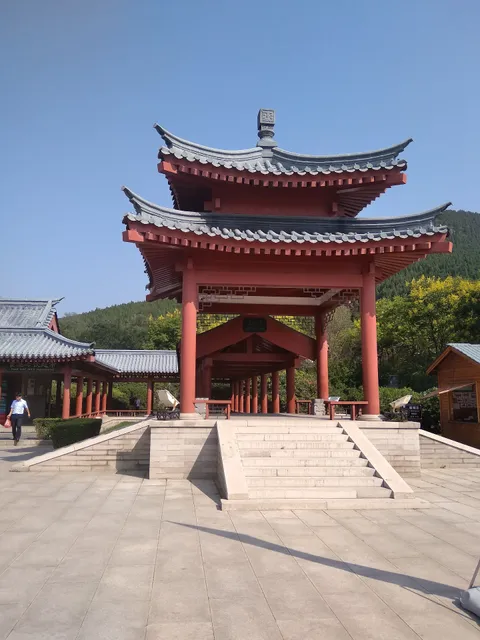
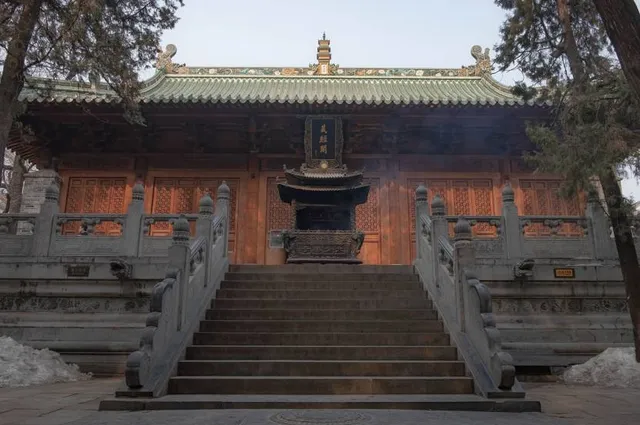
Shaolin Monastery, also known as Shaolin Temple, is a renowned monastic institution recognized as the birthplace of Chan Buddhism and the cradle of Shaolin Kung Fu. It is located at the foot of Wuru Peak of the Songshan mountain range in Dengfeng County, Henan Province, China.
Nearby attractions
达摩洞
GW4R+498, Dengfeng, Zhengzhou, Henan, China, 471925
Nearby restaurants
Nearby hotels
Related posts
Keywords
Shaolin Temple tourism.Shaolin Temple hotels.Shaolin Temple bed and breakfast. flights to Shaolin Temple.Shaolin Temple attractions.Shaolin Temple restaurants.Shaolin Temple travel.Shaolin Temple travel guide.Shaolin Temple travel blog.Shaolin Temple pictures.Shaolin Temple photos.Shaolin Temple travel tips.Shaolin Temple maps.Shaolin Temple things to do.
Shaolin Temple things to do, attractions, restaurants, events info and trip planning
Shaolin Temple
ChinaHenanZhengzhouShaolin Temple

Basic Info

Shaolin Temple

GW5P+C4M, Deng Feng Da Dao, Dengfeng, Zhengzhou, Henan, China, 471925
4.5(1.1K)
Open 24 hours
Save
spot

Ratings & Description

Info

Shaolin Monastery, also known as Shaolin Temple, is a renowned monastic institution recognized as the birthplace of Chan Buddhism and the cradle of Shaolin Kung Fu. It is located at the foot of Wuru Peak of the Songshan mountain range in Dengfeng County, Henan Province, China.

Cultural
Outdoor
Family friendly
attractions: 达摩洞, restaurants:
logoLearn more insights from Wanderboat AI.
Phone
+86 371 6274 5166
Website
shaolin.org.cn

Plan your stay

hotel
Pet-friendly Hotels in Zhengzhou
Find a cozy hotel nearby and make it a full experience.
hotel
Affordable Hotels in Zhengzhou
Find a cozy hotel nearby and make it a full experience.
hotel
The Coolest Hotels You Haven't Heard Of (Yet)
Find a cozy hotel nearby and make it a full experience.
hotel
Trending Stays Worth the Hype in Zhengzhou
Find a cozy hotel nearby and make it a full experience.

Reviews

Nearby attractions of Shaolin Temple

达摩洞

达摩洞

达摩洞

4.1

(24)

Open 24 hours
Click for details
Get the Appoverlay
Get the AppOne tap to find yournext favorite spots!
Wanderboat LogoWanderboat

Your everyday Al companion for getaway ideas

CompanyAbout Us
InformationAI Trip PlannerSitemap
SocialXInstagramTiktokLinkedin
LegalTerms of ServicePrivacy Policy

Get the app

© 2025 Wanderboat. All rights reserved.
logo

Reviews of Shaolin Temple

4.5
(1,074)
avatar
4.0
2y

"Unleashing the Warrior Within: Immersive Experience at ShaolinTemple, China"

The Shaolin Temple in China is an awe-inspiring haven that beautifully combines history, spirituality, and martial arts. As a martial arts enthusiast and cultural explorer, my visit to this legendary temple was nothing short of a transformative experience. It exceeded all my expectations and left an indelible mark on my journey through China.

Located amidst picturesque surroundings, the Shaolin Temple stands tall as a testament to the rich heritage and profound teachings of Zen Buddhism and the legendary Shaolin Kung Fu. The moment I set foot on its hallowed grounds, I was enveloped by a palpable sense of energy and reverence.

The temple complex is a sprawling wonder, with magnificent architecture that has withstood the test of time. The intricate details of the temples, pagodas, and courtyards showcase the dedication and craftsmanship of the ancient builders. The blend of serenity and power permeates the atmosphere, setting the stage for an unforgettable adventure.

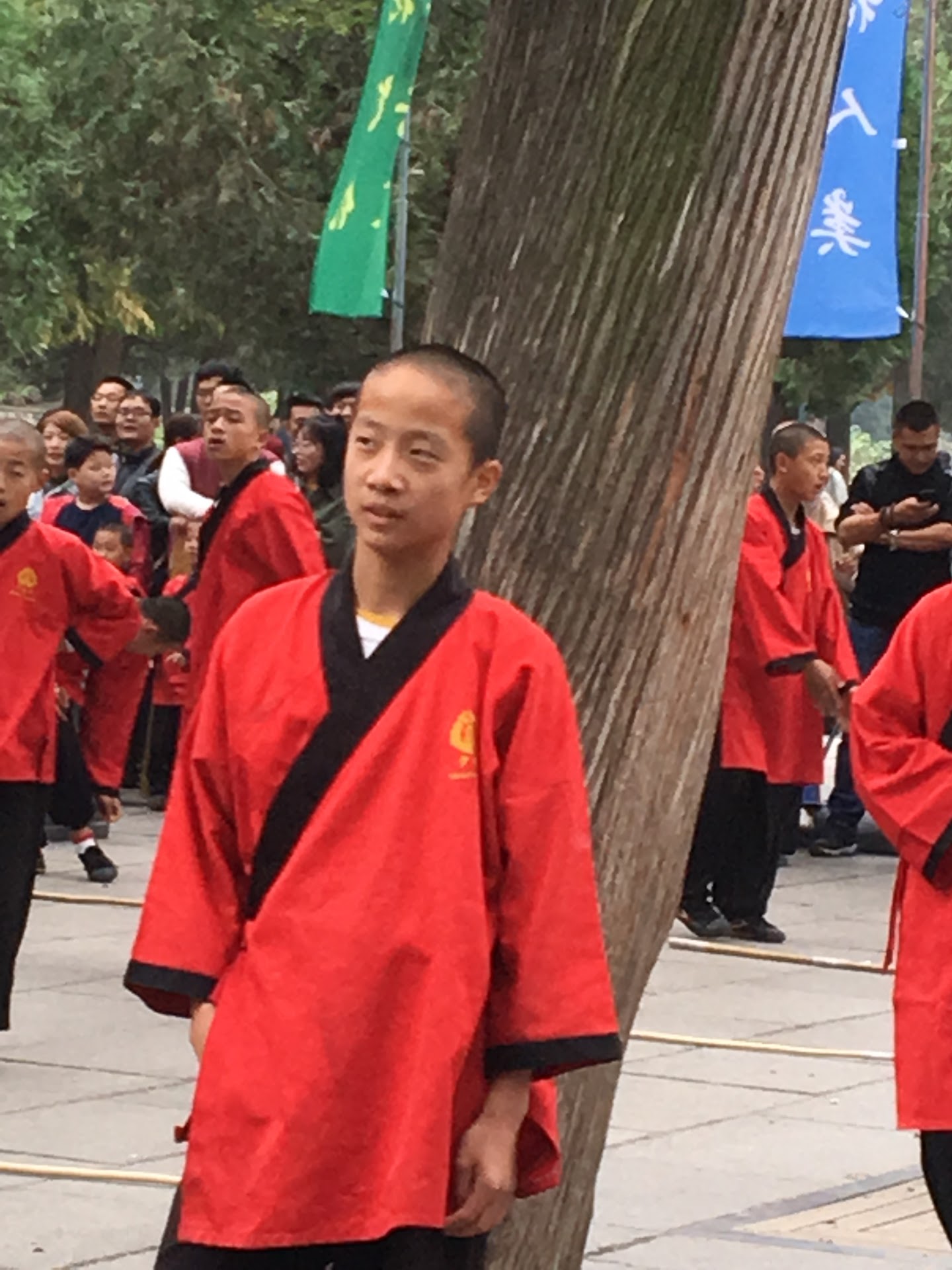
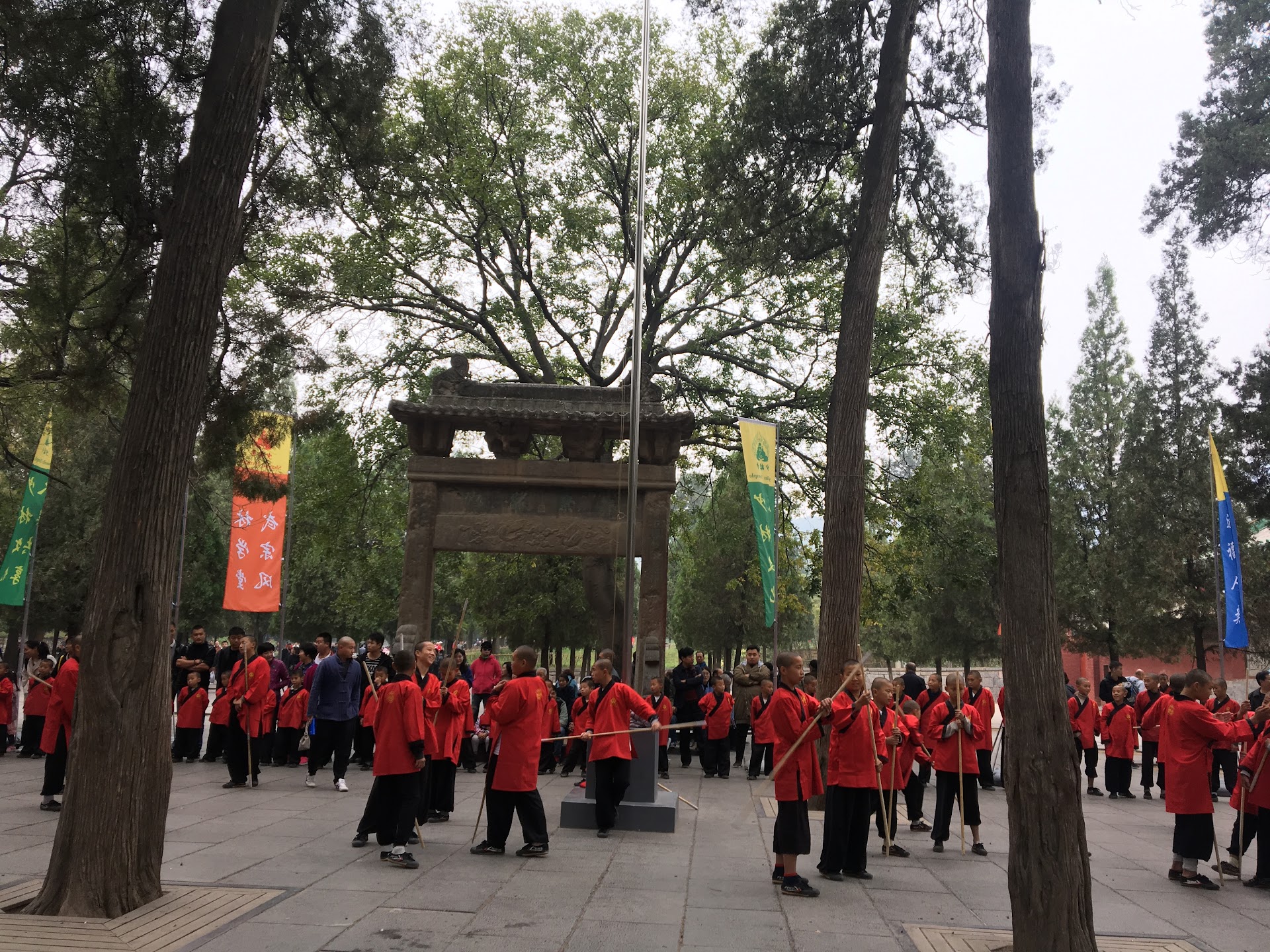
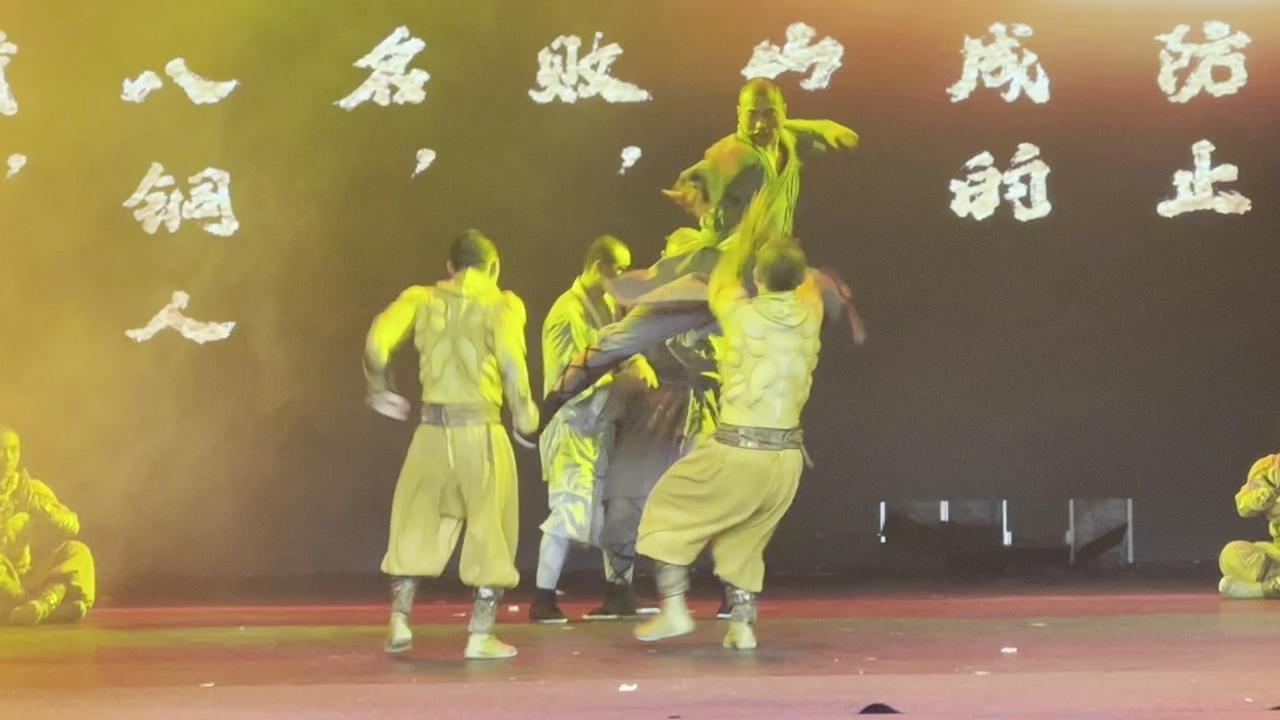
As I ventured deeper into the temple, I was fortunate to witness the awe-inspiring displays of Shaolin Kung Fu. The skill, discipline, and sheer athleticism demonstrated by the Shaolin monks left me speechless. The precision and grace with which they moved captivated both the mind and the soul, leaving a lasting impression of their extraordinary dedication to their craft.

The Shaolin Temple also offers visitors the opportunity to engage in martial arts training and meditation sessions. I had the privilege of participating in a Kung Fu class, guided by experienced masters who patiently imparted their wisdom and techniques. The training sessions were exhilarating, challenging, and incredibly rewarding. I left with a renewed sense of self and a deeper appreciation for the discipline and philosophy behind Shaolin Kung Fu.

In addition to the martial arts aspect, the Shaolin Temple is a spiritual sanctuary. The tranquil halls and meditation chambers provide a serene space for reflection and inner peace. The harmonious chants and the fragrance of incense create an ambiance that is conducive to contemplation and spiritual growth.

The surrounding natural beauty further enhances the allure of the temple. The lush green mountains and flowing streams add to the sense of serenity and provide a picturesque backdrop for introspection and exploration.

The Shaolin Temple also houses a museum that displays artifacts, scriptures, and historical relics, offering valuable insights into the temple's rich history and cultural significance. The museum provides a deeper understanding of the profound influence Shaolin has had on martial arts and Chinese culture as a whole.

The hospitality and warmth extended by the monks and staff at the Shaolin Temple were truly commendable. Their passion for sharing their traditions and knowledge was evident in their interactions, making the entire experience all the more immersive and authentic.

In conclusion, the Shaolin Temple in China is a must-visit destination for anyone seeking to delve into the realm of martial arts, spirituality, and ancient wisdom. It is a place where tradition and culture come alive, leaving visitors inspired, enlightened, and forever connected to the legacy of Shaolin. Whether you are a martial arts enthusiast or a curious traveler, the Shaolin Temple will undoubtedly leave an everlasting impression on your journey through China.

Note: It is advisable to check for any travel restrictions or entry requirements before planning your visit, as...

   Read more

avatar
5.0
6y

There is evidence of Shaolin martial arts being exported to Japan since the 18th century. Martial arts such as Okinawan Shōrin-ryū (小林流) style of Karate, for example, has a name meaning "Shaolin School"[26] and the Japanese Shorinji Kempo (少林寺拳法) is translated as "Shaolin Temple Fist Method". Other similarities can be seen in centuries-old Chinese and Japanese martial arts manuals.[27]

In 1928, the warlord Shi Yousan set fire to the monastery, burning it for over 40 days, destroying a significant percent of the buildings, including many manuscripts of the temple library.[28]

The Cultural Revolution launched in 1966 targeted religious orders including the monastery. The five monks who were present at the monastery when the Red Guards attacked were shackled and made to wear placards declaring the crimes charged against them.[28] The monks were jailed after publicly being flogged and paraded through the street as people threw rubbish at them.[28] The government purged Buddhist materials from within the monastery walls, leaving it barren for years.

Martial arts groups from all over the world have made donations for the upkeep of the temple and grounds, and are subsequently honored with carved stones near the entrance of the temple.

In the past, many have tried to capitalise on Shaolin Monastery fame by building their own schools on Mount Song. However, the Chinese government eventually outlawed this; the schools were moved to the nearby towns. A dharma gathering was held from August 19 to August 20, 1999, in Shaolin Monastery for Shi Yongxin's assumption of office as abbot. In March 2006, Russian President Vladimir Putin became the first foreign leader to visit the monastery. In 2007, the Chinese government partially lifted the 300-year ban of the Jieba, the ancient ceremony of the nine marks which are burned onto the head with sticks of incense. The ban was lifted only for those who were mentally and physically prepared to participate in the tradition.

Two modern bathrooms were recently added to the temple for use by monks and tourists. The new bathrooms reportedly cost three million yuan to build.[29] Films have also been released like Shaolin Temple[30] and more recently, Shaolin starring Andy Lau.

In 1994 the temple registered its name as a trademark. In the late 2000s, Shi Yongxin began authorizing Shaolin branches outside of mainland China in what has been called a franchise scheme. The branches are run by current and former monks and allow dispersion of Shaolin culture and study of Shaolin kung fu around the world.[31] As of January, 2011, Yongxin and the temple operated over 40 companies in cities across the world, including London and Berlin, which have purchased land and property.[32]

In 2018, for the first time in its 1500-year history, the Shaolin Monastery raised the national flag as a part of a "patriotism drive" under the new National Religious Affairs Administration, a part of the United Front Work Department which "oversees propaganda efforts as well as relations with the global Chinese diaspora".[33] Senior theology lecturer Sze Chi Chan of Hong Kong Baptist University analyzes this move as Xi Jinping making an example of the Shaolin Monastery to send a message to other temples and the Chinese...

   Read more
avatar
5.0
11w

The Shaolin Temple stands as a timeless beacon of spiritual discipline, cultural heritage, and martial excellence. Nestled at the foot of Mount Song in Henan Province, China, this legendary monastery is far more than a tourist destination—it is a living embodiment of centuries-old wisdom and resilience.

Founded in 495 AD during the Northern Wei Dynasty, the temple was originally established to support the teachings of the Indian monk Buddhabhadra. However, it was the arrival of Bodhidharma in the 6th century that truly transformed Shaolin into a spiritual powerhouse. Bodhidharma’s nine-year meditation in a nearby cave and his subsequent teachings laid the foundation for Chan Buddhism, known more widely as Zen. His influence also sparked the birth of Shaolin Kung Fu, a martial tradition that would become synonymous with discipline, grace, and inner strength.

Walking through the temple grounds is like stepping into a sacred narrative. The architecture is a harmonious blend of symmetry and symbolism, with structures such as the Mahavira Hall, the Dharma Hall, and the Sutra-Keeping Pavilion reflecting both aesthetic beauty and spiritual purpose. The Thousand Buddhas Hall, adorned with exquisite murals, is a testament to the artistic devotion of generations past. Nearby, the Pagoda Forest—home to over 200 intricately designed pagodas—serves as a solemn tribute to the monks who dedicated their lives to enlightenment and service.

What makes Shaolin Temple truly extraordinary is its seamless integration of physical and spiritual practice. The monks here are not only scholars and spiritual guides but also masters of martial arts. Their daily routines blend meditation, scripture study, and rigorous Kung Fu training, embodying the core Shaolin philosophy: the unity of body and mind. Watching a Shaolin monk perform a form is witnessing poetry in motion—every movement is precise, purposeful, and deeply rooted in centuries of tradition.

Beyond its historical and spiritual significance, Shaolin Temple continues to inspire people around the world. It has become a symbol of perseverance, ethical conduct, and cultural pride. The principles of martial ethics—such as humility, respect, and restraint—are not just taught but lived. Visitors often leave with a renewed sense of clarity and purpose, touched by the serene atmosphere and the quiet strength of the monks.

In a world often driven by haste and distraction, Shaolin Temple offers a rare sanctuary of depth and reflection. It is a place where ancient wisdom meets modern relevance, where the echoes of the past guide the footsteps of the present. Whether one visits for spiritual insight, cultural appreciation, or martial inspiration, the experience is profoundly moving and unforgettable.

Shaolin Temple is not just a monument—it is a...

   Read more
Page 1 of 7
Previous
Next

Posts

Green BanglaGreen Bangla
There is evidence of Shaolin martial arts being exported to Japan since the 18th century. Martial arts such as Okinawan Shōrin-ryū (小林流) style of Karate, for example, has a name meaning "Shaolin School"[26] and the Japanese Shorinji Kempo (少林寺拳法) is translated as "Shaolin Temple Fist Method". Other similarities can be seen in centuries-old Chinese and Japanese martial arts manuals.[27] In 1928, the warlord Shi Yousan set fire to the monastery, burning it for over 40 days, destroying a significant percent of the buildings, including many manuscripts of the temple library.[28] The Cultural Revolution launched in 1966 targeted religious orders including the monastery. The five monks who were present at the monastery when the Red Guards attacked were shackled and made to wear placards declaring the crimes charged against them.[28] The monks were jailed after publicly being flogged and paraded through the street as people threw rubbish at them.[28] The government purged Buddhist materials from within the monastery walls, leaving it barren for years. Martial arts groups from all over the world have made donations for the upkeep of the temple and grounds, and are subsequently honored with carved stones near the entrance of the temple. In the past, many have tried to capitalise on Shaolin Monastery fame by building their own schools on Mount Song. However, the Chinese government eventually outlawed this; the schools were moved to the nearby towns. A dharma gathering was held from August 19 to August 20, 1999, in Shaolin Monastery for Shi Yongxin's assumption of office as abbot. In March 2006, Russian President Vladimir Putin became the first foreign leader to visit the monastery. In 2007, the Chinese government partially lifted the 300-year ban of the Jieba, the ancient ceremony of the nine marks which are burned onto the head with sticks of incense. The ban was lifted only for those who were mentally and physically prepared to participate in the tradition. Two modern bathrooms were recently added to the temple for use by monks and tourists. The new bathrooms reportedly cost three million yuan to build.[29] Films have also been released like Shaolin Temple[30] and more recently, Shaolin starring Andy Lau. In 1994 the temple registered its name as a trademark. In the late 2000s, Shi Yongxin began authorizing Shaolin branches outside of mainland China in what has been called a franchise scheme. The branches are run by current and former monks and allow dispersion of Shaolin culture and study of Shaolin kung fu around the world.[31] As of January, 2011, Yongxin and the temple operated over 40 companies in cities across the world, including London and Berlin, which have purchased land and property.[32] In 2018, for the first time in its 1500-year history, the Shaolin Monastery raised the national flag as a part of a "patriotism drive" under the new National Religious Affairs Administration, a part of the United Front Work Department which "oversees propaganda efforts as well as relations with the global Chinese diaspora".[33] Senior theology lecturer Sze Chi Chan of Hong Kong Baptist University analyzes this move as Xi Jinping making an example of the Shaolin Monastery to send a message to other temples and the Chinese Catholic Church.
S M SHAHINUL HAQUE (SHAHEEN)S M SHAHINUL HAQUE (SHAHEEN)
The name refers to the forests of Shaoshi (少室; Shǎo Shì) mountain, one of the seven peaks of the Song mountains. The first Shaolin Monastery abbot was Batuo (also called Fotuo or Buddhabhadra), a dhyāna master who came to ancient China from ancient India[2] or from Central Asia[3] in 464 AD to spread Buddhist teachings. According to the Continued Biographies of Eminent Monks (645 AD) by Daoxuan, Shaolin Monastery was built on the north side of Shaoshi, the central peak of Mount Song, one of the Sacred Mountains of China, by Emperor Xiaowen of the Northern Wei dynasty in 477 AD, to accommodate the Indian master beside the capital Luoyang city. Yang Xuanzhi, in the Record of the Buddhist Monasteries of Luoyang (547 AD), and Li Xian, in the Ming Yitongzhi (1461), concur with Daoxuan's location and attribution. The Jiaqing Chongxiu Yitongzhi (1843) specifies that this monastery, located in the province of Henan, was built in the 20th year of the Taihe era of the Northern Wei dynasty, that is, the monastery was built in 495 AD. As the center of Chan Buddhism, the Shaolin Temple attracted many emperors’ attention in China’s history. During the Tang dynasty 618-907 AD Empress Wu Zetian (AD 625-705) paid several visits to the Shaolin Temple discussing Chan philosophy with high monk Tan Zong. According to legend, Emperor Taizong granted the Shaolin Temple extra land and a special "imperial dispensation" to consume meat and alcohol during the Tang dynasty. If true, this would have made Shaolin the only temple in China that did not prohibit alcohol. Regardless of historical veracity, these rituals are not practiced today.[4] This legend is not corroborated in any period documents, such as the Shaolin Stele erected in 728. The stele does not list any such imperial dispensation as reward for the monks' assistance during the campaign against Wang Shichong, only land and a water mill are granted.[5] The founder of the Yuan dynasty, Kublai Khan (AD 1215-1294) ordered all Buddhist temples in China to be led by the Shaolin Temple; there were eight Princes during the Ming dynasty turned themselves into Shaolin monks. Their activities makes people more confident. Every day many people visit there.They always do lot of practice.After see them you must respect them and their activities. I want to visit there again and again.
Joe TanJoe Tan
Took didi from Zhengzhou to shaolin, and back too. Cost about RMB200 each. Mixed feeling on this tour. Before heading over was very enthusiastic since being a 金庸 fans, with what we read and saw on TV about Shaolin. I guess it all started wongly when we agreed to have a “tour guide” following us. It’s like the UGLY side of Tourism Scam. These are so called “knowledgeable” guide who will share with you the details of this historical site and charge a mere RMB100 for their service, but sadly, bring you to all sorts of corners where you will fork out more money for joss sticks, prayers, “donations”, gifts etc very willingly. They even end the tour asking if you want to see 舍利子 but is actually a small temple outside where more con men awaits. Suggestions for friends coming over. Just head over with your passport and get the entrance ticket RMB80. After that, pay another RMB25 for a tram ride (the guide say you have to walk 3km if not). Don’t get joss sticks in front of the temple, that’s another (at least) RMB100. Just head inside and there are free joss sticks and donation is at free will. Don’t go inside those smaller corners like 观音庙, theres monk that do “special prayer” and likewise charges a nominal. Don’t ever go for those name fortune telling. It have a price list there but they tends to overcharge. There’s a kungfu performance by monks, but you have to pay RMB30 to go in. It’s a 30 mins performance and starts at 2pm. I think it’s worth the additional. It is a great experience. Experiencing the great history but the bad tourist experience…
See more posts
See more posts
hotel
Find your stay

Pet-friendly Hotels in Zhengzhou

Find a cozy hotel nearby and make it a full experience.

There is evidence of Shaolin martial arts being exported to Japan since the 18th century. Martial arts such as Okinawan Shōrin-ryū (小林流) style of Karate, for example, has a name meaning "Shaolin School"[26] and the Japanese Shorinji Kempo (少林寺拳法) is translated as "Shaolin Temple Fist Method". Other similarities can be seen in centuries-old Chinese and Japanese martial arts manuals.[27] In 1928, the warlord Shi Yousan set fire to the monastery, burning it for over 40 days, destroying a significant percent of the buildings, including many manuscripts of the temple library.[28] The Cultural Revolution launched in 1966 targeted religious orders including the monastery. The five monks who were present at the monastery when the Red Guards attacked were shackled and made to wear placards declaring the crimes charged against them.[28] The monks were jailed after publicly being flogged and paraded through the street as people threw rubbish at them.[28] The government purged Buddhist materials from within the monastery walls, leaving it barren for years. Martial arts groups from all over the world have made donations for the upkeep of the temple and grounds, and are subsequently honored with carved stones near the entrance of the temple. In the past, many have tried to capitalise on Shaolin Monastery fame by building their own schools on Mount Song. However, the Chinese government eventually outlawed this; the schools were moved to the nearby towns. A dharma gathering was held from August 19 to August 20, 1999, in Shaolin Monastery for Shi Yongxin's assumption of office as abbot. In March 2006, Russian President Vladimir Putin became the first foreign leader to visit the monastery. In 2007, the Chinese government partially lifted the 300-year ban of the Jieba, the ancient ceremony of the nine marks which are burned onto the head with sticks of incense. The ban was lifted only for those who were mentally and physically prepared to participate in the tradition. Two modern bathrooms were recently added to the temple for use by monks and tourists. The new bathrooms reportedly cost three million yuan to build.[29] Films have also been released like Shaolin Temple[30] and more recently, Shaolin starring Andy Lau. In 1994 the temple registered its name as a trademark. In the late 2000s, Shi Yongxin began authorizing Shaolin branches outside of mainland China in what has been called a franchise scheme. The branches are run by current and former monks and allow dispersion of Shaolin culture and study of Shaolin kung fu around the world.[31] As of January, 2011, Yongxin and the temple operated over 40 companies in cities across the world, including London and Berlin, which have purchased land and property.[32] In 2018, for the first time in its 1500-year history, the Shaolin Monastery raised the national flag as a part of a "patriotism drive" under the new National Religious Affairs Administration, a part of the United Front Work Department which "oversees propaganda efforts as well as relations with the global Chinese diaspora".[33] Senior theology lecturer Sze Chi Chan of Hong Kong Baptist University analyzes this move as Xi Jinping making an example of the Shaolin Monastery to send a message to other temples and the Chinese Catholic Church.
Green Bangla

Green Bangla

hotel
Find your stay

Affordable Hotels in Zhengzhou

Find a cozy hotel nearby and make it a full experience.

Get the Appoverlay
Get the AppOne tap to find yournext favorite spots!
The name refers to the forests of Shaoshi (少室; Shǎo Shì) mountain, one of the seven peaks of the Song mountains. The first Shaolin Monastery abbot was Batuo (also called Fotuo or Buddhabhadra), a dhyāna master who came to ancient China from ancient India[2] or from Central Asia[3] in 464 AD to spread Buddhist teachings. According to the Continued Biographies of Eminent Monks (645 AD) by Daoxuan, Shaolin Monastery was built on the north side of Shaoshi, the central peak of Mount Song, one of the Sacred Mountains of China, by Emperor Xiaowen of the Northern Wei dynasty in 477 AD, to accommodate the Indian master beside the capital Luoyang city. Yang Xuanzhi, in the Record of the Buddhist Monasteries of Luoyang (547 AD), and Li Xian, in the Ming Yitongzhi (1461), concur with Daoxuan's location and attribution. The Jiaqing Chongxiu Yitongzhi (1843) specifies that this monastery, located in the province of Henan, was built in the 20th year of the Taihe era of the Northern Wei dynasty, that is, the monastery was built in 495 AD. As the center of Chan Buddhism, the Shaolin Temple attracted many emperors’ attention in China’s history. During the Tang dynasty 618-907 AD Empress Wu Zetian (AD 625-705) paid several visits to the Shaolin Temple discussing Chan philosophy with high monk Tan Zong. According to legend, Emperor Taizong granted the Shaolin Temple extra land and a special "imperial dispensation" to consume meat and alcohol during the Tang dynasty. If true, this would have made Shaolin the only temple in China that did not prohibit alcohol. Regardless of historical veracity, these rituals are not practiced today.[4] This legend is not corroborated in any period documents, such as the Shaolin Stele erected in 728. The stele does not list any such imperial dispensation as reward for the monks' assistance during the campaign against Wang Shichong, only land and a water mill are granted.[5] The founder of the Yuan dynasty, Kublai Khan (AD 1215-1294) ordered all Buddhist temples in China to be led by the Shaolin Temple; there were eight Princes during the Ming dynasty turned themselves into Shaolin monks. Their activities makes people more confident. Every day many people visit there.They always do lot of practice.After see them you must respect them and their activities. I want to visit there again and again.
S M SHAHINUL HAQUE (SHAHEEN)

S M SHAHINUL HAQUE (SHAHEEN)

hotel
Find your stay

The Coolest Hotels You Haven't Heard Of (Yet)

Find a cozy hotel nearby and make it a full experience.

hotel
Find your stay

Trending Stays Worth the Hype in Zhengzhou

Find a cozy hotel nearby and make it a full experience.

Took didi from Zhengzhou to shaolin, and back too. Cost about RMB200 each. Mixed feeling on this tour. Before heading over was very enthusiastic since being a 金庸 fans, with what we read and saw on TV about Shaolin. I guess it all started wongly when we agreed to have a “tour guide” following us. It’s like the UGLY side of Tourism Scam. These are so called “knowledgeable” guide who will share with you the details of this historical site and charge a mere RMB100 for their service, but sadly, bring you to all sorts of corners where you will fork out more money for joss sticks, prayers, “donations”, gifts etc very willingly. They even end the tour asking if you want to see 舍利子 but is actually a small temple outside where more con men awaits. Suggestions for friends coming over. Just head over with your passport and get the entrance ticket RMB80. After that, pay another RMB25 for a tram ride (the guide say you have to walk 3km if not). Don’t get joss sticks in front of the temple, that’s another (at least) RMB100. Just head inside and there are free joss sticks and donation is at free will. Don’t go inside those smaller corners like 观音庙, theres monk that do “special prayer” and likewise charges a nominal. Don’t ever go for those name fortune telling. It have a price list there but they tends to overcharge. There’s a kungfu performance by monks, but you have to pay RMB30 to go in. It’s a 30 mins performance and starts at 2pm. I think it’s worth the additional. It is a great experience. Experiencing the great history but the bad tourist experience…
Joe Tan

Joe Tan

See more posts
See more posts