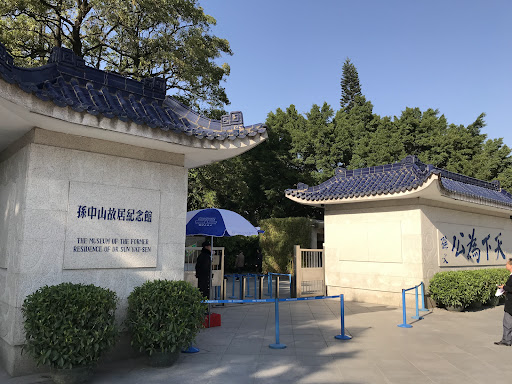
No trip to Zhongshan, China is complete without a visit here. Born in this village in 1866, Sun Yat-sen went on to head the movement that overthrew the last remnants of the Qing dynasty in 1912. Visitors can gaze at the library that educated this future revolutionary, the kitchen that fed him, and the bed that cradled him.
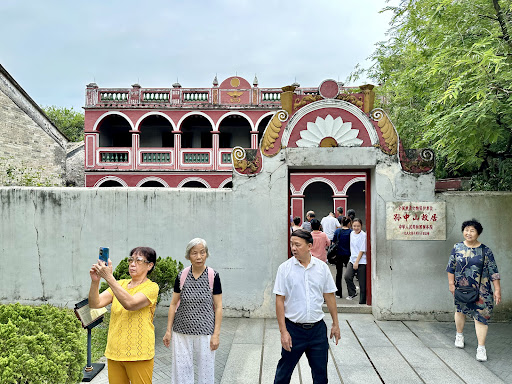
The Museum of Dr. Sun Yat-sen, consisting of the Former Residence of Dr. Sun Yat-sen, Sun Yat-sen Memorial Hall, Cuiheng Folk House Exhibition and the Cuiheng Farming Exhibition, is a national protected cultural site to commemorate Dr. Sun Yat-sen (November 12, 1866 – March 12, 1925), a Chinese revolutionary and political leader often referred to as the Father of Modern China. Sun played an instrumental role in the eventual collapse of the Qing Dynasty in 1911. He was the first provisional president when the Republic of China (ROC) was founded in 1912 and later co-founded the Kuomintang (KMT) where he served as its first leader. Sun was a uniting figure in post-Imperial China, and remains unique among 20th-century Chinese politicians for being widely revered in both Mainland China and in Taiwan.
The museum is situated in Cuiheng Village, where Dr. Sun spent his childhood and part of his youth. Seated against the hills and close to the sea. Due to Dr. Sun’s great reputation, the museum has become a pilgrimage site in the hearts of people who admire him all over the world.
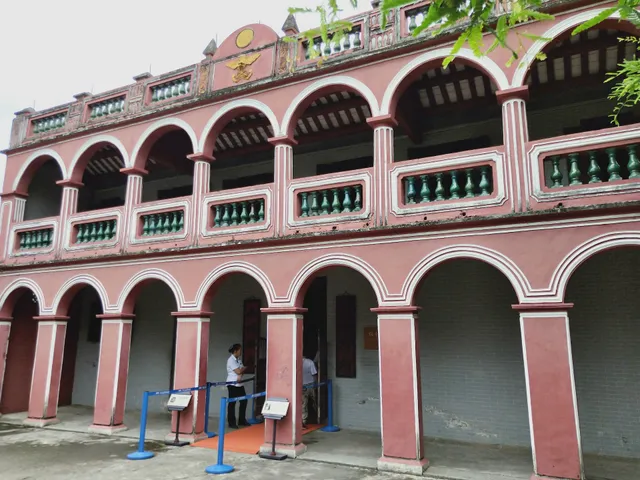
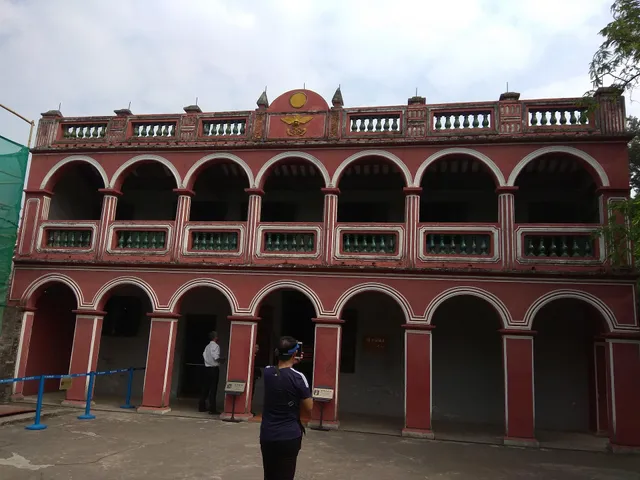
The Former Residence of Dr. Sun Yat-sen is a distinctive two-storey building. Dr. Sun designed the building himself in 1892 and took charge of the construction. It possesses a Chinese style interior and a western style exterior. Dr. Sun lived here from 1892 to 1895, when he practiced medicine and engaged in revolutionary activities in the Pearl River Delta. He also stayed here for three days after he resigned from the presidency. As a result, there are many legacies about Dr. Sun’s childhood, his family, and his early education.
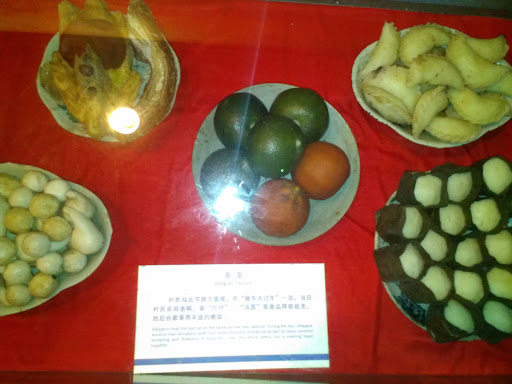
On the first floor displays “Dr. Sun Yat-sen’s Life and His Accomplishments”, providing a detailed and systematic introduction to Dr. Sun Yat-sen’s life story, deeds, personality, thought and theory and revolutionary activities under his leadership. The display is both academic and popular, paying a tribute to Dr. Sun’s great achievement in leading the people to overthrow the monarchy and establish the Republic of China. The display also introduces the main adherents to Dr. Sun’s revolutionary career.
On the second floor is the exhibition of “Dr. Sun Yat-sen’s Relatives and Descendants”, reflecting their great support and contribution to the revolution and their sacrifice for the revolution led by Dr. Sun. The second floor also has rooms for temporary exhibitions.
Picture taking is prohibited inside the main building.
Entrance is free, but there was long line- ups to get in, up to 30 minutes. Also the number of visitors allowed at one time to get into the main building (his former residence) was limited, so you need to...
Read more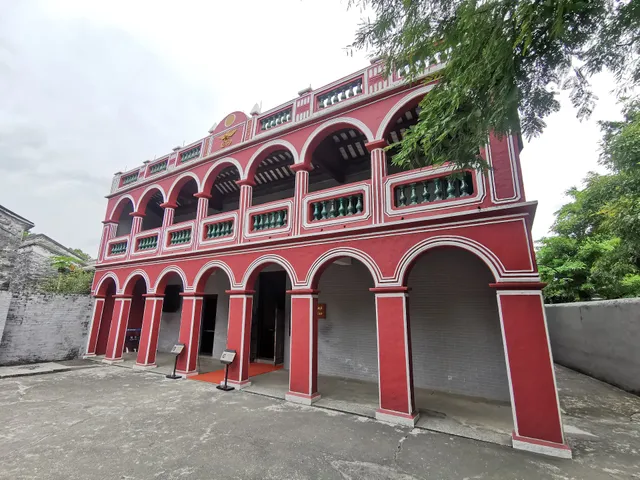
 Learn more insights from Wanderboat AI.