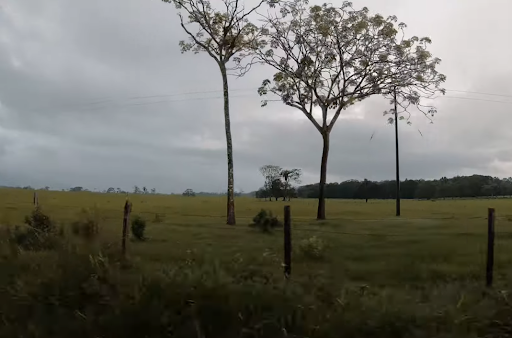
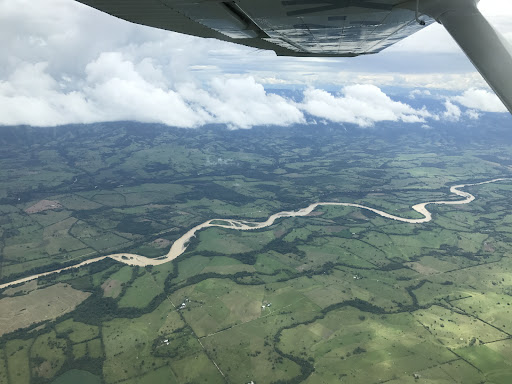
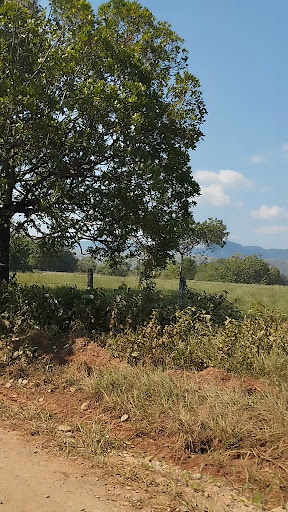
Parque Nacional Natural Serranía de La Macarena, located in the eastern foothills of the Andes in Colombia, is a breathtaking and diverse natural reserve that captures the essence of Colombia's untamed beauty. This stunning national park spans over 6,000 square kilometers and is known for its dramatic landscapes, rich biodiversity, and remote, unspoiled wilderness. The park is a true gem for nature lovers and adventurers, offering a chance to explore mountains, valleys, rivers, and lush tropical forests.
The natural beauty of the park is captivating. One of its most famous features is the Caño Cristales, often referred to as the "River of Five Colors." This river, which flows through the Serranía de La Macarena mountain range, is famous for its striking display of vibrant colors, including red, yellow, green, blue, and black, caused by the presence of aquatic plants, algae, and minerals in the water.
Beyond Caño Cristales, the park is also home to dramatic mountain ranges, steep hills, and vast valleys. The Serranía de La Macarena mountains, with their rugged terrain and rich ecosystems, provide an ideal setting for trekkers and outdoor enthusiasts.
The wildlife in the park is just as impressive as its scenery. The park is a haven for numerous species of plants and animals, many of which are endemic to the region. Visitors may encounter various species of monkeys, colorful birds like toucans and parrots, and even the elusive jaguar or puma.
In addition to the diverse natural features, donkeys play an important role in the daily life of the park and its surrounding communities. Due to the park's steep hills and challenging terrain, donkeys are often used as pack animals to carry supplies for visitors or local residents. The sight of these hardworking animals moving along narrow, rocky paths adds to the authentic charm of the park. Their presence offers a glimpse into the way locals have adapted to the natural environment and how they interact with the land.
The small towns and sweet houses scattered around the park also offer a unique cultural experience for visitors. In these towns, visitors can experience the warmth and hospitality of the local people, sample traditional Colombian foods, and learn about the region’s history and culture. The charming, rustic houses and laid-back atmosphere create a welcoming environment, allowing tourists to connect with both nature and the local community.
The roads leading into the park are often rough and challenging, especially in the rainy season. Many of the access routes are narrow, winding, and unpaved, making the journey to the park an adventure in itself. However, for those who seek to experience the park's stunning beauty and remote location, the effort to reach it is more than worth it. Visitors can expect to travel along dirt roads, across rivers, and up steep inclines, with the reward being the unparalleled beauty and serenity that the park offers.
Despite the remoteness, the park is a popular destination for tourists seeking an escape from modern life. The experience of hiking through the wild, encountering exotic wildlife, and immersing oneself in the vibrant natural surroundings is an unforgettable one. The visitors who venture here are often seeking not just adventure, but a deep connection with nature, something that the Serranía de La Macarena National Park provides in abundance.
In conclusion, Parque Nacional Natural Serranía de La Macarena is a place of extraordinary natural beauty and ecological importance. Its spectacular landscapes, rich biodiversity, and vibrant communities make it a treasure for Colombia and a must-visit destination for those seeking adventure, tranquility, and an authentic connection with nature. From the colorful Caño Cristales to the charming local villages and the peaceful presence of donkeys, this park offers a truly unique and immersive experience that will leave a lasting impression on...
Read moreCAÑO CANOAS, CAÑO SIETE MACHOS Y CAÑO CRISTALES, “EL RÍO QUE SE ESCAPÓ DEL PARAÍSO”…. Para cualquier colombian@ de a pié, de los comunes y corrientes que como usted o como yo, caminamos por nuestros campos y ciudades; hasta hace poco menos de una década era impensable programar o aventurarse a visitar un paraje como este, de la exótica y hermosa Colombia. Seguro que sí. Porque es que esta área toda su vida ha estado custodiada, resguardada y cautelosamente esquiva por cualquier cantidad de presuntos dueños que en el nombre de “La Patria”, a los colombianos de generaciones nos negaron la posibilidad de si quiera poder soñar con ella, menos de conocerla. Hoy, por uno de esos avatares de los que la historia de la amada patria está llamando a rendir cuentas, el acceso resulta menos restringido y más generoso en sus bondades al ojo del que respetuosamente desee conocerla. Una vez allí, el llamado es a emanciparse en medio de un banquete geomorfológico y de fauna y flora. Cuenta la leyenda que La Macarena es una prolongación hacia el occidente del Escudo Guyanés de Venezuela, Guayana y Brasil, cuyas rocas son consideradas las más antiguas del planeta. No por nada sostiene algún científico que La Serranía de la Macarena es el lugar más rico en el mundo en formas de vida animales y vegetales. Existe desde antes de que existiera nuestra gran Cordillera de Los Andes. Es conocida como "la semilla de la biodiversidad del país" porque a partir de allí, hace millones de años empezaron a distribuirse las especies. Es decir, mis pies y los pies de todos los que por allí pasaron, caminaron sobre lo que queda de la evidencia de las primeras formaciones de nuestros inicios planetarios. Para completar el banquete, La Macarena sigue teniendo una singular importancia biológica a nivel mundial ya que intercambia biodiversidad con tres ecosistemas estratégicos por lo ricos en su diversidad de flora y fauna que los obtiene de la Cordillera de los Andes, los Llanos Orientales y la Selva Amazónica. En las entrañas de este ecosistema estratégico se encuentran una diversidad de ríos llamados “Caños” como el "Río de los Dioses"; o Caño Cristales. Un río corto, de lecho rocoso, con una belleza indescriptible que en alguna oportunidad algún viajero le llamó “el río que se escapó del paraíso”, y un poeta le llamó “el arco iris que se derritió”. Del Arco Iris tomó el Amarillo, azul, verde, negro y rojo, pues son sus cinco colores mágicos y emblemáticos. Pero lo más maravilloso fue descubrir que allí existen otros caños como “Caño Canoas”, “Caño Siete Machos”, “Caño El Indio”, tan hermosos o quizá hasta de mayor magia que el primero. Los pequeños pozos circulares o marmitas vestidos con las plantas acuáticas de color rojo lo toman de una especie de planta endémica llamada Macarenia clavigera. Lo que hace que el Arco Iris se vuelva río en todos estos Caños, es un mágico ciclo natural que en el planeta sólo se ve en este lugar. Este fenómeno es permitido gracias a unas plantas acuáticas conocidas científicamente como "podostemonaceas". Estas plantas, no algas; tienen un ciclo natural absolutamente hermoso. Y es gracias a ser penetradas por el agua y el sol, a las condiciones biogeográficas de los ríos, a las composiciones físico-químicas de sus aguas, a las formaciones rocosas guyanenses del suelo y bueno a los mágicos milagros de la Madre Tierra que toman estos colores y destellan manantiales de belleza...
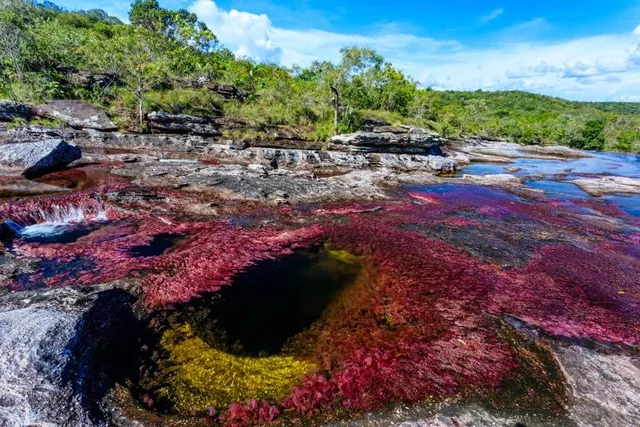
Read moreCaño Cristales (English: Crystal Channel) is a Colombian river located in the Serrania de la Macarena province of Meta, and is a tributary of the Guayabero River. The river is commonly called the "River of Five Colors" or the "Liquid Rainbow," and is noted for its striking colors.1 The bed of the river from the end of July through November is variously colored yellow, green, blue, black, and especially red, the last caused by Macarenia clavigera plants From June through November, when the clear water is low, the abundant underwater plants that cover the riverbed show off their red, yellow, green, and blue hues. The star of the show is Macarenia clavigera, a riverweed that ranges from bright red to deep crimson or purple depending on its intake of sun rays. In August and September, when the florid flora are at their peak, it's a coveted nature excursion: Because the river's ecosystem is so fragile, visits are limited to...
Read more