Tortuguero National Park is a popular tourist destination in Costa Rica, known for its rich biodiversity and the nesting of green turtles. The park serves as an important refuge for various animal species, including monkeys, sloths, alligators, crocodiles, and fish. However, the turtle nesting is the park's main attraction.
Turtle nesting occurs between the months of July and October. Turtles arrive at Tortuguero Beach during the night and dig holes in the sand to deposit their eggs. After laying the eggs, the turtles return to the sea. The eggs hatch approximately two weeks later, and the turtle hatchlings begin their journey toward the ocean.
Turtle nesting is a remarkable natural spectacle, providing a unique opportunity to observe these animals in their natural habitat. It's essential to note that nesting is a delicate process, and visitors should respect the park rules to avoid disturbing the turtles.
Here are some tips for those planning to visit Tortuguero National Park to witness turtle nesting: Book your tour in advance, as the park is popular during the nesting season. Arrive at the park early, as nesting usually begins at night. Wear comfortable clothing and shoes for walking on the beach. Respect the park rules, especially the rules regarding silence.
With these tips, you can make the most of your visit to Tortuguero National Park and witness one of the most fascinating natural spectacles in the world.
In addition to turtle nesting, Tortuguero National Park also offers other attractions such as forest hikes, bird watching, and boat tours through the canals. However, these attractions are not as popular as turtle nesting.
In conclusion, Tortuguero National Park is a worthwhile tourist destination for witnessing turtle nesting. While the park's other attractions are interesting, they don't have the same impact as...
Read moreTortuguero National Park is one of the most beautiful places in Costa Rica. It is located on the province of Limón which is on the Caribbean part of Costa Rica.
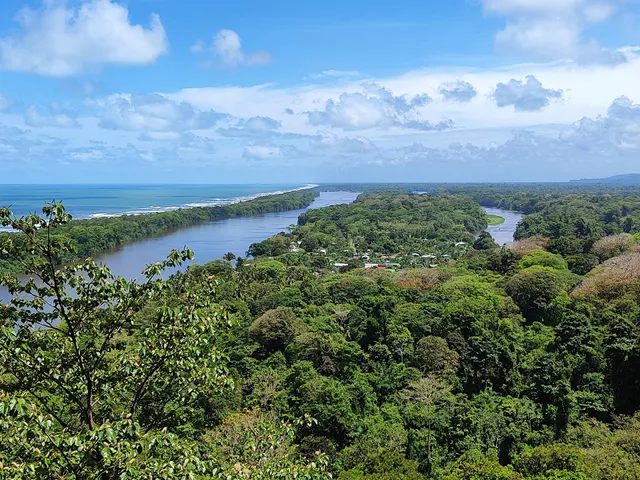
Some people state this park is dangerous because of some reports of past incidents, but like any other place on the world, some precautions should be taken. First of all, avoid walking alone at night. As you can see on the pictures I have attached on this review, the main street is more like a wide sidewalk. There are no vehicles only bicycles. The illumination is not as good as it should be at night. This may be an inconvenient however, if you are accompanied by several people I strongly recommend you to go to the beach area, at night you can see the beauty of a sea of stars shinning above your head.
There are several options for you to eat while being on the town, most of them are Caribbean dishes cooked with coconut oil and some spicy. You will also find American food, so there is something for everybody. The garbage and recycling receptacles are giant bottles with the figure of an animal from the area. People are super friendly and prices are great. If you want to stay in one of the hotels, they will provide you with information about their tours. My family and I decided to stay in an area by the ocean, which is already mentioned on my previews reviews. I strongly recommend you to take a tour from a local, they will give you better prices and will take you deep into the canals where you will be able to see several species of birds, caimans, monkeys, howlers, iguanas and so on. It is better for you to go on the rainy season which goes from May to October, and if you are lucky, you will have the chance to know why is this paradise called...
Read moreIMPOSIBLE NO ENAMORARSE DE ESTE LUGAR Y SUS GENTES. Llegamos al tortuguero desde San José en transporte público: en autobús desde la terminal del caribe hasta cariari y de ahí a la pavona en otro autobús. Son bastante baratos pero OJO porque sólo aceptan colones y el cambio a dólares lo hacen a la baja. Al llegar a Cariari conocimos a Roberto "el chino". El MEJOR GUÍA DEL TORTUGUERO Y MEJOR PERSONA AÚN. En Cariari merece la pena parar en la Soda que hace esquina delante de la estación de Coopetraca: el café es espectacular. En la Pavona hay botes públicos que les llevarán al tortuguero por 3.000 colones. El trayecto puede durar de 30 minutos a 1.30 horas dependiendo de lo seco que esté el río. Al llegar al tortuguero entraréis en un ecosistema propio y peculiar: todo tiene un tinte maravilloso. La gente es encantadora.
Nosotros nos quedamos del 15 al 18 de enero. El clima es cálido y húmedo (llueve muchísimo aunque suele ser lluvia fina e intermitente). Nosotros nos hospedamos en las Cabinas Tortuguero y nos gustó muchísimo. Es un sitio muy humilde pero acogedor, acorde con la armonía del pueblo del tortuguero y eso les ayudará más a empaparse de su cultura.
En nuestra estancia hicimos con Roberto "el chino" la visita nocturna donde vimos muuuchos animales y la visita en canoa por los canales del tortuguero, también con el chino, y ambas son de lo mejor que podéis hacer. Este señor te lo explica todo y te hace sentir el auténtico espíritu del tortuguero. Para hacer la visita en los canales tenéis que comprar la entrada al parque del tortuguero en la página web del SINAC pero OJO que incluya el sector canales. Con esa misma entrada que son unos 15 dólares podéis entrar al parque ese mismo día. Nosotros hicimos el tour por los canales por la mañana y la visita al parque por la tarde. En la visita al parque no es necesario llevar guía, pero si lo preferís no tendréis problema en encontrarlos en el pueblo. Antes de entrar al parque también podéis alquilar botas de agua (hay un par de señoras a la entrada que las ofertan a buen precio). No siempre es necesario pero como suele llover hay charcos y zonas un poco más fangosas. Ya en el parque hicimos el Sendero Jaguar. No hay palabras para describir la inmensa belleza de este lugar: aprovechad cada segundo ahí porque es mágico. Finalmente en el pueblo, comimos en el pollo frito (probad el casado de pescado: es fabuloso) y en la soda "mi niño" (aquí tomamos algo que era como una sopa tropical de camarones que fue lo mejor que probamos en toda costa rica). El restaurante buda es un poco más pijillo pero tiene vistas al canal y la comida es muy buena (prueben la limonada con menta). El último día de nuestra estancia en el tortuguero fuimos al "Cerro". Tendréis que ir en bote por unos 1.000 colones. Pueden aprovechar para pararse en San Francisco y de ahí caminar a la entrada del parque: es un camino corto y bien indicado, y pueden ver monos de camino al parque. Les recomiendo que paren en la panadería que hay en la misma calle del embarcadero, atendida por una señora muy agradable, y allí pueden comprar una cajita de los dulces que ella hace (1.800 colones), porque además de ser deliciosos, será un placer degustarlos cuando lleguen arriba del cerro. En el cerro es donde se encuentra la pequeña rana roja y el recorrido en total son unas 2 horas. Tendrán que comprar la entrada al cerro en la web del SINAC...
Read more