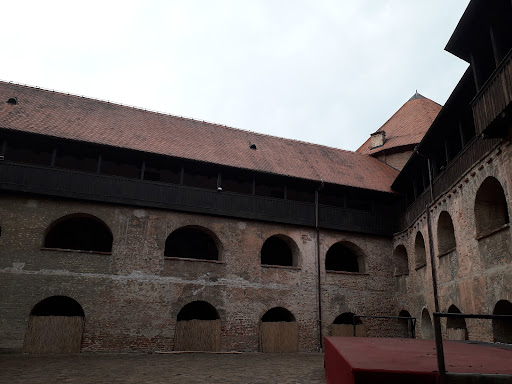
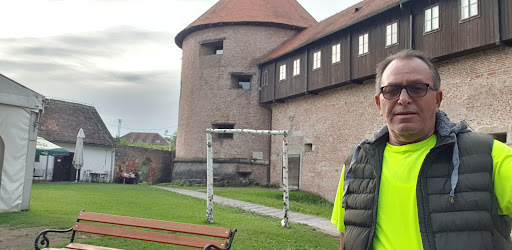
During World War II, the Ustasha regime, which was the fascist puppet state of Croatia under German and Italian control, operated several concentration camps in the territory. One of these camps was located in Sisak, Croatia, and was known as the Ustasha-ran concentration camp for children, or commonly referred to as the Sisak Children's Concentration Camp. The Sisak Children's Concentration Camp was established and primarily targeted children of Serbian, Jewish, and Roma descent. It was one of the few concentration camps specifically dedicated to holding children. Conditions in the camp were horrific, with overcrowded and unsanitary living conditions, lack of proper nutrition, and rampant disease. The children endured physical and psychological abuse, as well as neglect. Many children died as a result of the harsh conditions, malnutrition, or from being subjected to medical experiments. The exact number of children held in the camp is uncertain, but estimates range from several hundred to over a thousand. Tragically, the majority of the children perished in the camp, either from the brutal conditions or as victims of systematic extermination. It's important to note that the Ustasha regime, led by Ante Pavelić, implemented a genocidal policy aimed at ethnic and religious minorities, particularly Serbs, Jews, and Roma. The regime's atrocities included mass killings, forced conversions, and forced labor. The Sisak Children's Concentration Camp represents one of the darkest chapters in the history of the Ustasha regime and its collaboration with the Axis powers during...
Read more
 Learn more insights from Wanderboat AI.