Marjan Park - Sjever things to do, attractions, restaurants, events info and trip planning
Basic Info
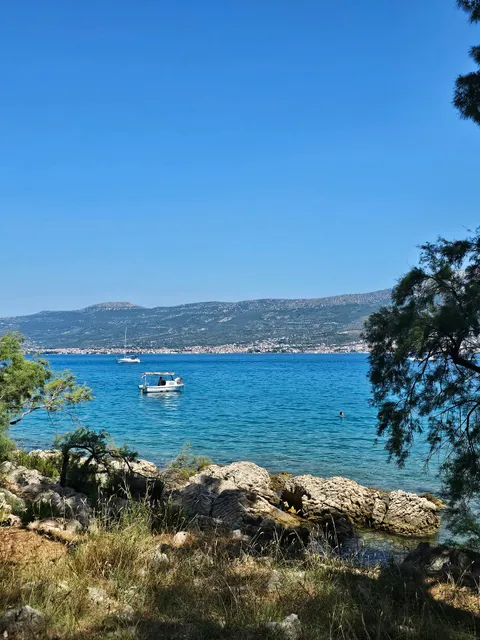
Marjan Park - Sjever
Marjan, 21000, Split, Croatia
4.7(300)
Open until 12:00 AM
Save
spot
spot
Ratings & Description
Info
Outdoor
Adventure
Scenic
Pet friendly
Family friendly
attractions: Kupalište Bene, Marjan Beach, Spinutska Vrata, Marjan Park Viewpoint, restaurants: Benessi - beach lounge & bar, local businesses: Beach Prva Voda, Marjan
 Learn more insights from Wanderboat AI.
Phone
+385 21 384 097
Open hoursSee all hours
FriOpen 24 hoursOpen
Plan your stay

Pet-friendly Hotels in Grad Split
Find a cozy hotel nearby and make it a full experience.

Affordable Hotels in Grad Split
Find a cozy hotel nearby and make it a full experience.

The Coolest Hotels You Haven't Heard Of (Yet)
Find a cozy hotel nearby and make it a full experience.

Trending Stays Worth the Hype in Grad Split
Find a cozy hotel nearby and make it a full experience.
Reviews
Live events
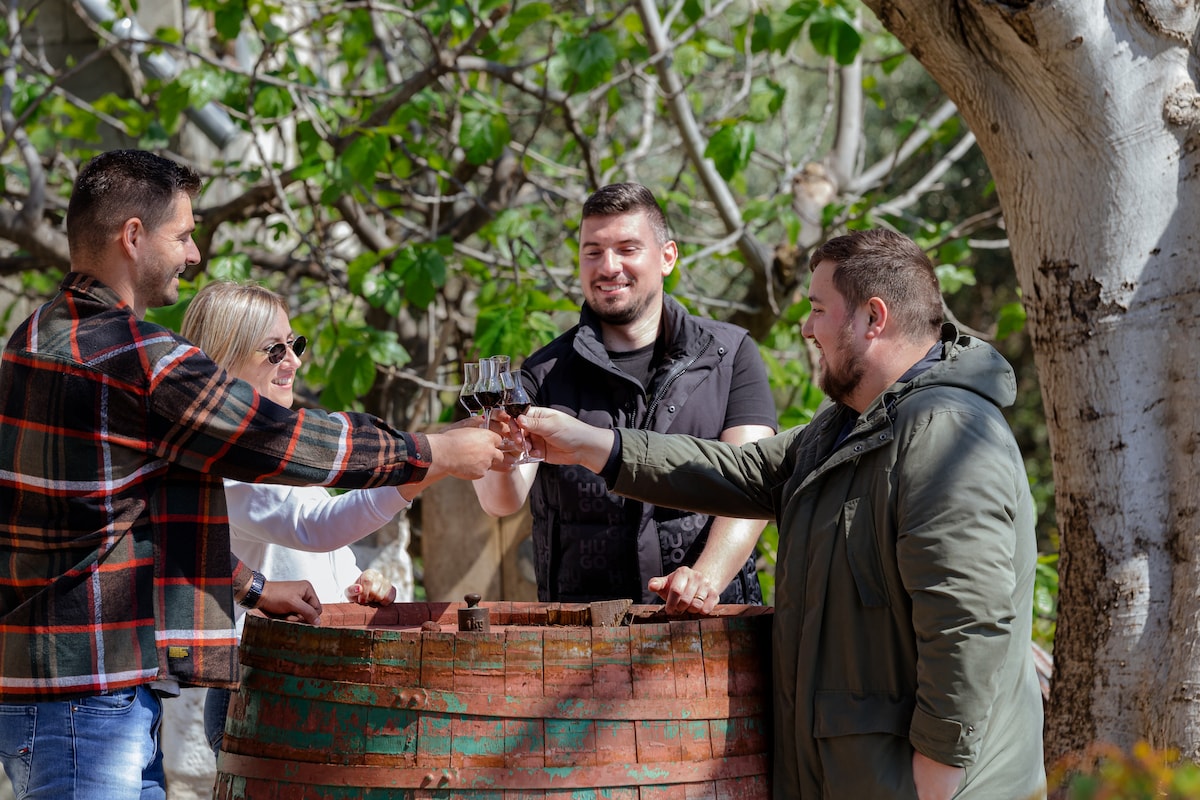
All about olive oil and wine
Sat, Feb 28 • 12:00 PM
21000, Split, Croatia
View details
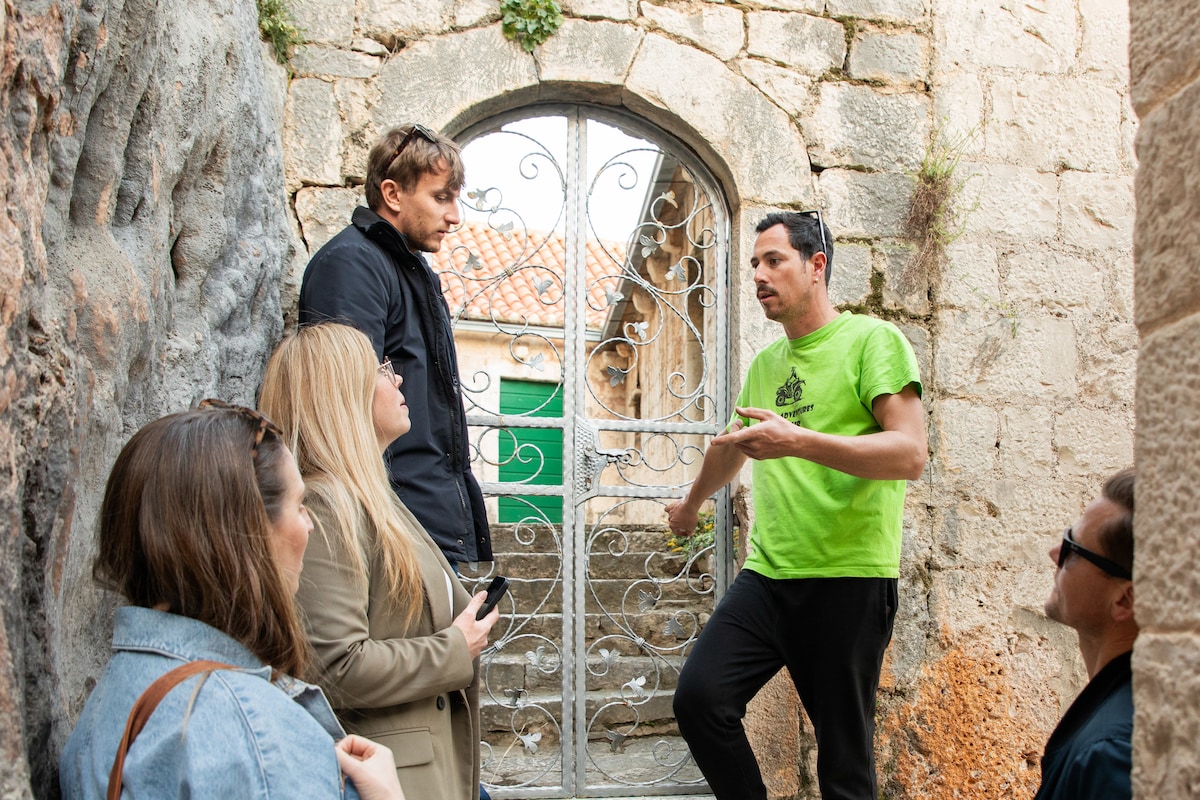
Ride quads on Island Čiovo
Sat, Feb 28 • 9:30 AM
21220, Žedno, Croatia
View details
Nearby attractions of Marjan Park - Sjever
Kupalište Bene
Marjan Beach
Spinutska Vrata
Marjan Park Viewpoint
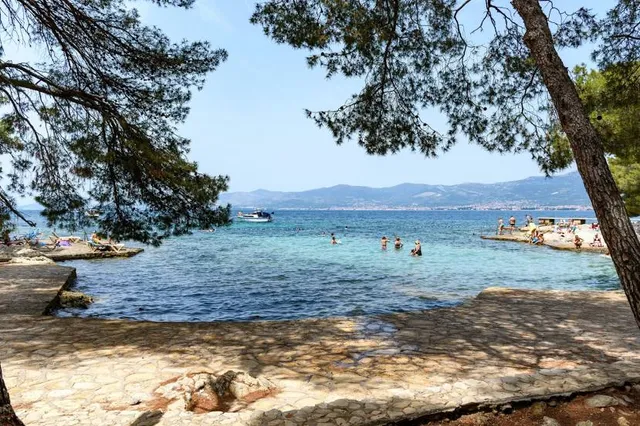
Kupalište Bene
4.3
(1.4K)
Open 24 hours
Click for details
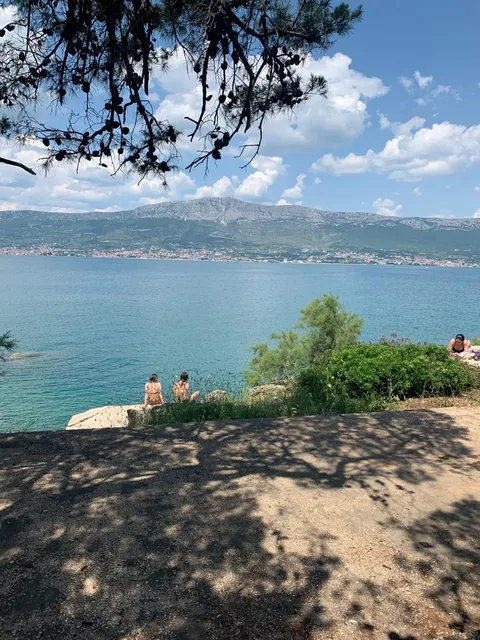
Marjan Beach
4.3
(9)
Open 24 hours
Click for details
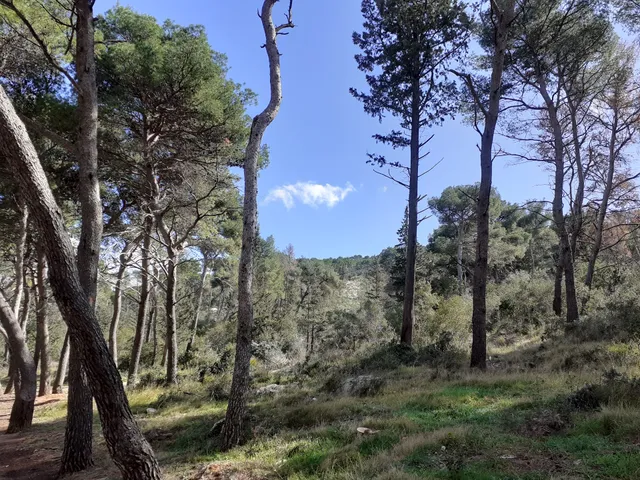
Spinutska Vrata
4.7
(146)
Open until 12:00 AM
Click for details
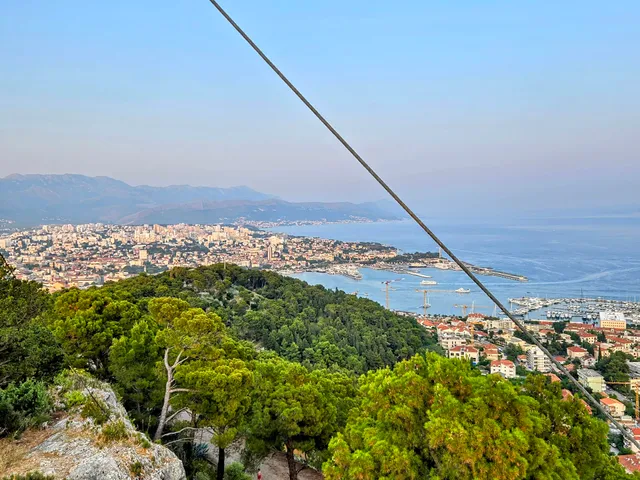
Marjan Park Viewpoint
4.8
(181)
Open 24 hours
Click for details
Nearby restaurants of Marjan Park - Sjever
Benessi - beach lounge & bar
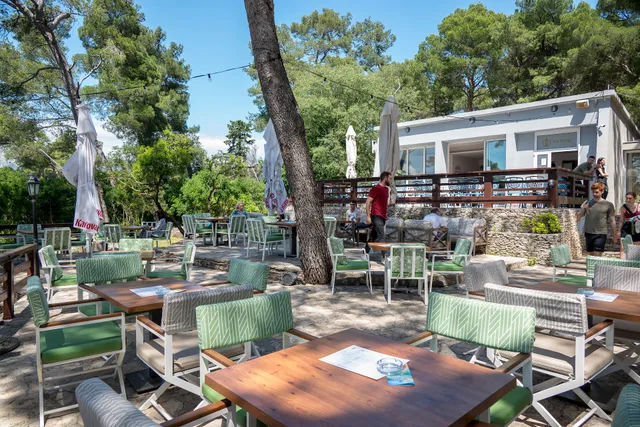
Benessi - beach lounge & bar
4.1
(45)
Click for details
Nearby local services of Marjan Park - Sjever
Beach Prva Voda
Marjan
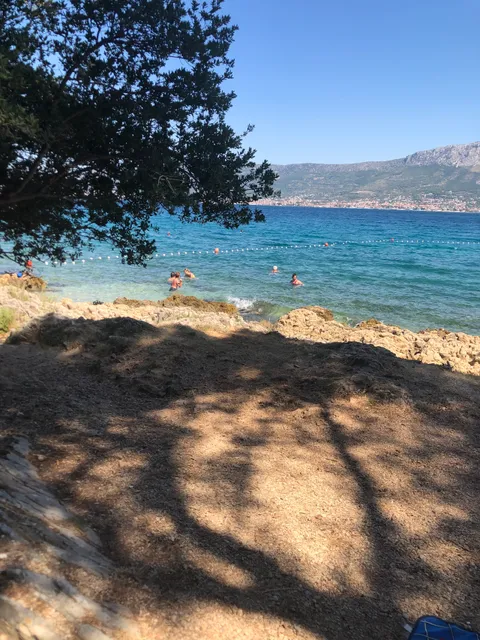
Beach Prva Voda
4.5
(314)
Click for details
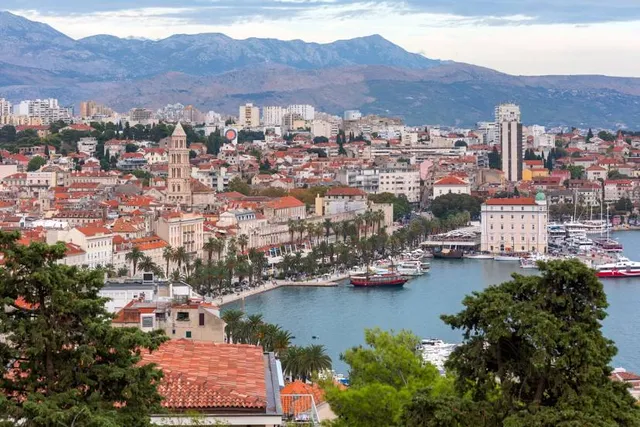
Marjan
4.8
(183)
Click for details