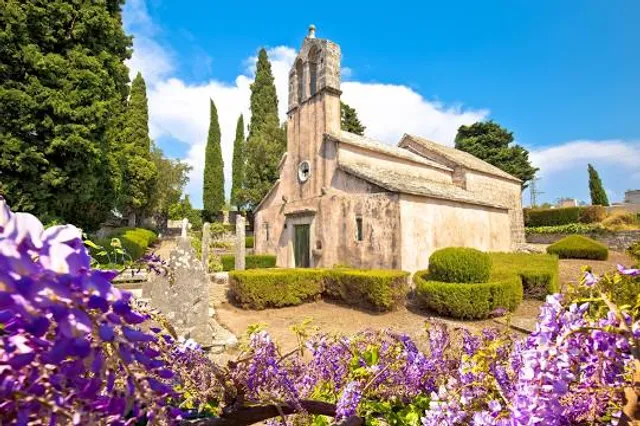
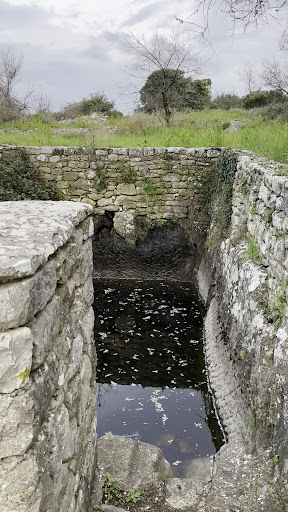
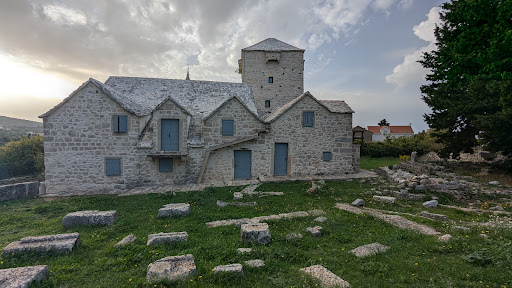
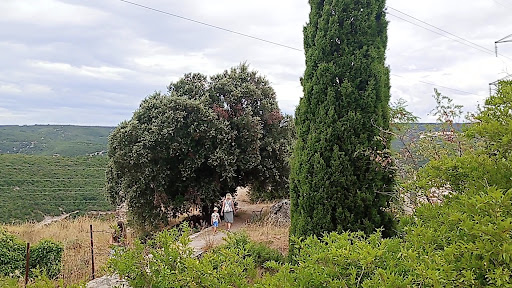
Skrip, Brac’s oldest settlement, stretching back approximately 3,000 years, crowns the Island of Brac in Croatia. Its Parish Church of St. Helen of the Cross, Kastel Cerineo, and the Muzej otoka Braca embody its religious, financial, artistic, and cultural heritage..
The island’s history is marked by frequent changes in rulership. Before Roman conquest, Illyrian tribes settled at a safe distance above Brac’s seafronts, where pirates were known to disrupt and destroy vulnerable inhabitants. However, the Illyrians were not always innocent victims as they themselves were often guilty of pillaging and disrupting peace.
After the decline of the Roman Empire, the region experienced various changes: Slavic settlement, periods of Byzantine, Hungarian, Venetian, Austrian/Austro-Hungarian, and French rule during the Napoleonic Wars. In the 20th century, it became part of Yugoslavia, and now, modern Croatia. With the breakup of Yugoslavia in the 1990s, Brac became part of the independent Republic of Croatia, a sensitive topic to this day.
My visit to Skrip was one of the most mystical I've had. The very air whispers tales of power, religion, and unshakeable faith. Though the human ear strains to hear, we must settle into the mystery that abides: our inability to receive the multitude of stories coming in. They arrive as if transmitted from thousands of years all at once, each one canceling out the next.
Historically, humans have built places of worship in spiritually significant locations. Rounding the right side of St. Helen’s church, a wave of awe stole my breath, the weight of 3,000 years of devotion settling upon me. I wondered who those people were, whose strength of faith had created this palpable vortex of spiritual power. The energy of Skrip remains, an enigma trapped in ancient stone. It is a place that leaves one pondering faith's mysteries, and wondering how to tap into this force of enduring faith in the Father, Son, and...
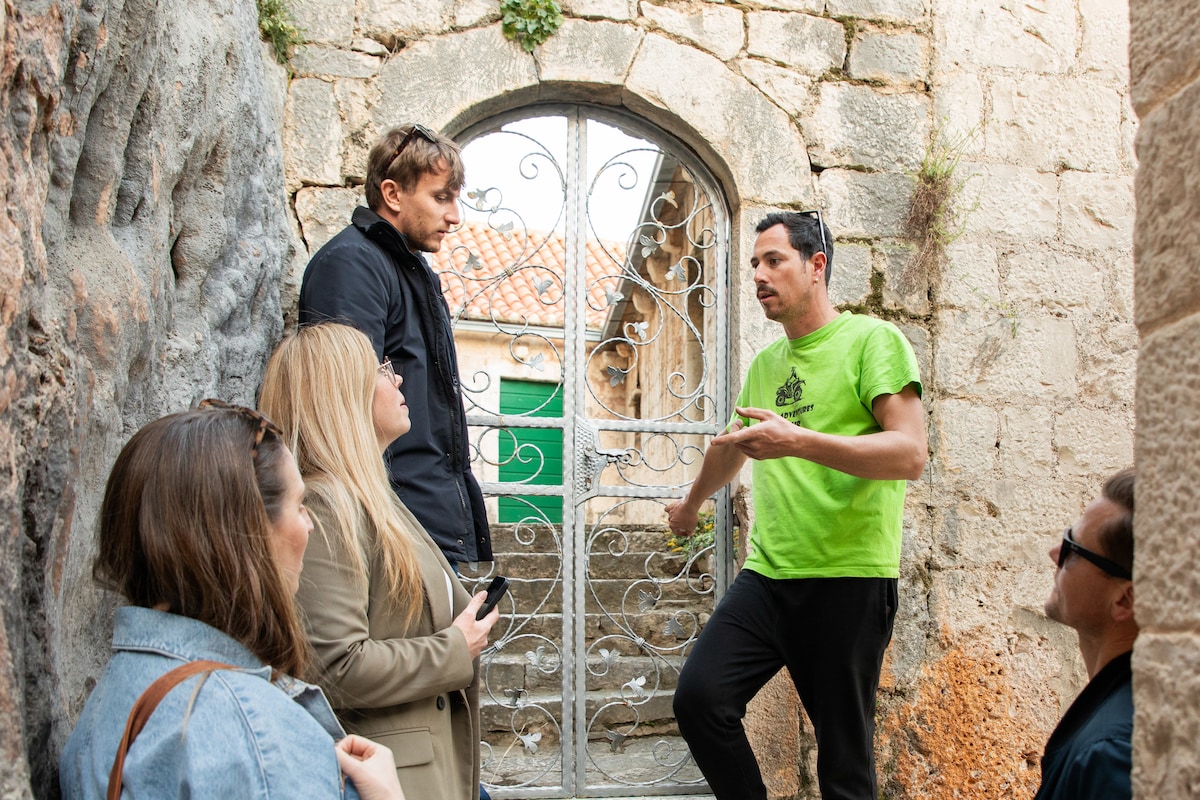
Read moreThe Brac Museum is an absolute gem. What truly sets the the Museum apart, is the passion and dedication of Custos Andrea. Andrea's deep knowledge and love for the history of Brac is evident in every aspect of the museum. Her commitment to preserving the island's cultural legacy is unparalleled. She has an incredible ability to bring history to life, transforming what could have been a simple visit into an enlightening journey through time. Andrea's warm and welcoming nature makes every visitor feel like they are part of the island's story. Her insightful tours are engaging, informative, and infused with personal anecdotes that add a unique, personal touch to the experience. It’s clear that under her custodianship, the Brac Museum has flourished, becoming not just a repository of history, but a vibrant center of learning and appreciation for the island's unique culture. In summary, a visit to the Brac Museum is a must for anyone traveling to the island. The museum's captivating exhibits, coupled with Andrea's exceptional stewardship, ensure that it will be an...
Read moreVery disappointing. We had looked forward to our visit after reading earlier reviews. The museum only opened at 3pm despite the sign on the building and the official website showing it open each 09:00-19:00 each Mon-Sat. The receptionist spoke no English at all, and unfortunately all 3 large display screens, which presumably could show information in languages other than Croatian, were unplugged. When I pointed to the displays the lady just said "no". There was no booklet available to tell you about the museum, and very little written expkanation of exhibits, or of the remains outside, in any language. There was one excellent sign in Hr & En tucked away on an inner door giving a very interesting ancient history of Brac. The building housing the museum does look very interesting.
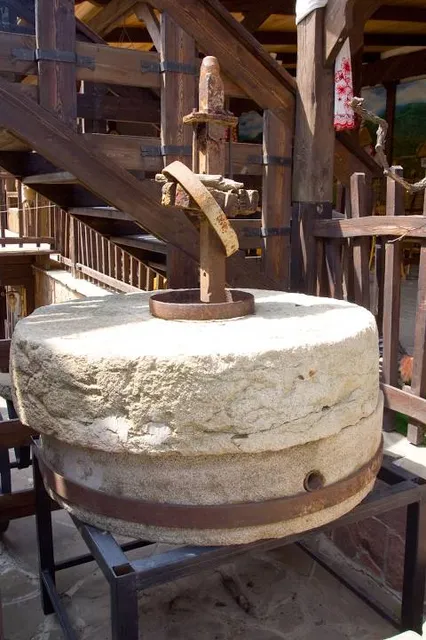
Thr next door olive oil museum offered a much more...
Read more