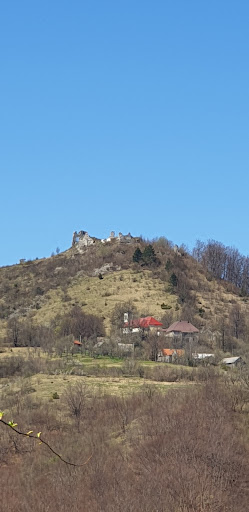
Stari Grad Modruš, located in Croatia, is a historic castle with a rich history and significance in the Ottoman defense and modern European history. The castle, situated near the town of Modruš, has witnessed centuries of cultural and political shifts.
Historically, Stari Grad Modruš played a crucial role in the Ottoman-Habsburg wars during the 16th and 17th centuries. As a strategically positioned fortress, it served as a defense stronghold against Ottoman invasions into the region. The castle stood as a symbol of resistance and protection for the local population against Ottoman forces.
Sadly, the condition of Stari Grad Modruš today is abysmal, reflecting a lack of maintenance and care. It is disheartening to see such a significant heritage site in a state of ruin. The Croatian government and its people should take responsibility for preserving their historical legacy and be proud of their own history. Neglecting the maintenance of this castle signifies a disconnection from their cultural heritage and an unfortunate disregard for the importance of preserving historical landmarks.
The path to the castle, which partially traverses a local graveyard, is in a state of disrepair. It is difficult to locate due to the absence of signs or proper maintenance over an extended period. The lack of attention to this path, which leads to an important historical site, further adds to the neglect.
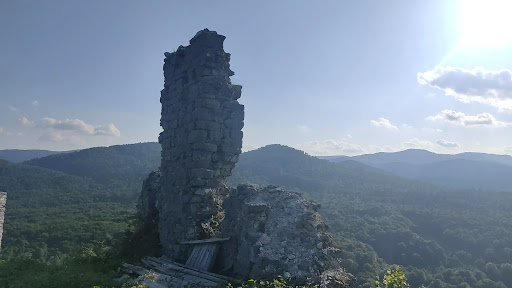
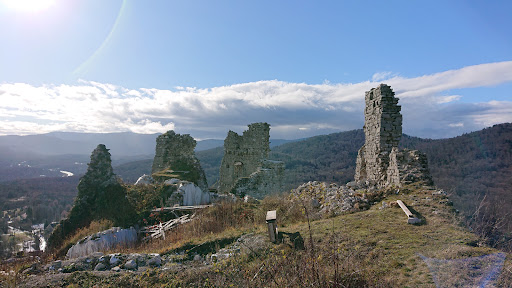
Upon reaching the castle, one would observe its dilapidated state. The ruins stand as remnants of a glorious past, with only a few construction materials and a ruined scaffold attempting to support its last standing arch. The castle's decay symbolizes the fading echoes of history and the urgent need for restoration.
To make matters worse, there are no nearby stores or tourist points providing information about the castle or the surrounding area. This lack of infrastructure deprives visitors of the opportunity to learn about the historical significance of Stari Grad Modruš and engage with the local heritage.
It is essential for the Croatian government and its people to recognize the importance of preserving Stari Grad Modruš and other historical sites. These landmarks not only hold cultural value but also attract tourists and contribute to the local economy. By neglecting their heritage, Croatia risks losing a part of its identity and potential revenue from cultural tourism.
A comprehensive approach that involves proper restoration, maintaining access paths, and establishing visitor information points is necessary to breathe life back into Stari Grad Modruš. It is time for the Croatian government and its people to prioritize the preservation and promotion of their historical treasures, embracing their history with pride and ensuring its legacy for future...
Read more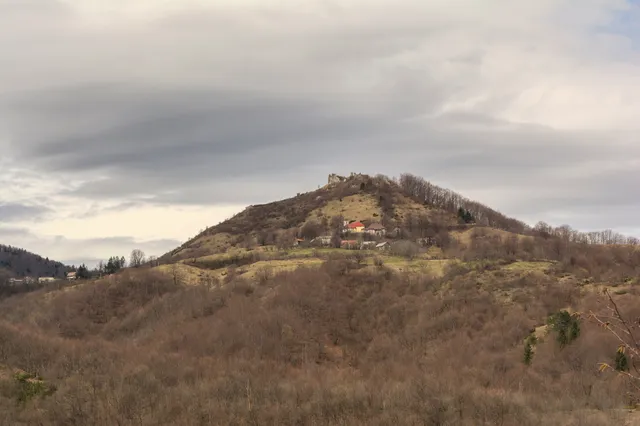
 Learn more insights from Wanderboat AI.