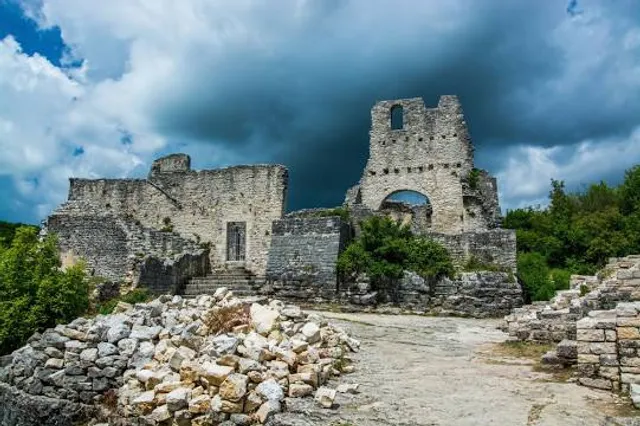
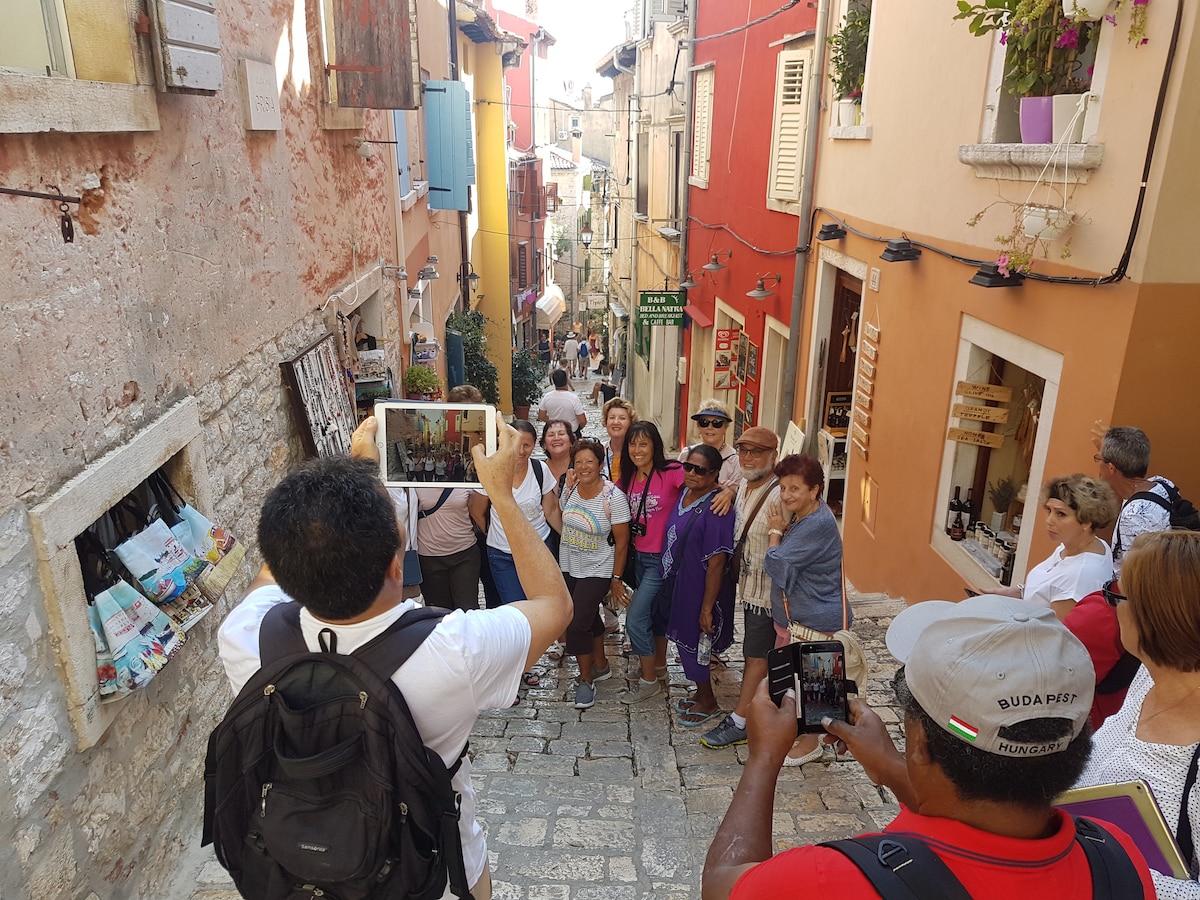
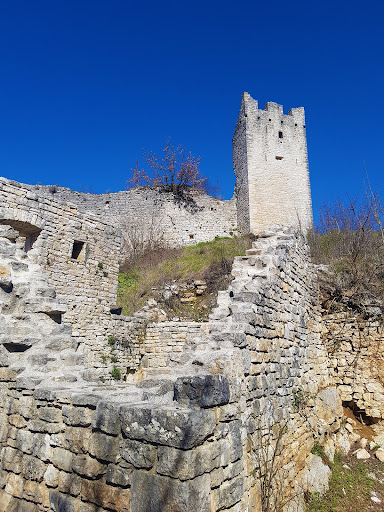
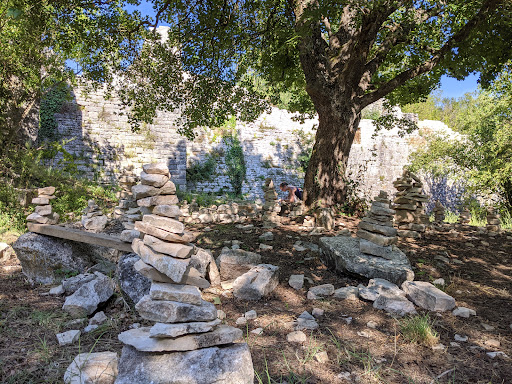
The ruins of the medieval town of Dvigrad are a constant magnet for visiting this site. We love coming and witnessing the former splendor of this city. Namely, its history is extremely rich and above all interesting. In historical sources, Dvigrad was first mentioned in 879, when instead of the diocese of Pula, the Aquileian patriarchate received jurisdiction over the church in Dvigrad. Dvigrad marks the two parts of the city of Moncastell and Castel Parentin. At the end of the 13th century, the counts of Gorički gained possession of Dvigrad. In 1381, the Venetians conquered Dvigrad, and the holy relics from the Basilica of St. Sofia was taken to Sveti Lovreč Pazenatički. The Venetians took over the real power over Dvigrad in 1413, when they passed the Statute of the Dvigrad commune, which abolished the patriarch's power. Under Venetian rule, Dvigrad prospered, but at the end of the 15th century there was an epidemic of plague and soon malaria. And therefore this has led to a drastic reduction in population. Only the poorest families remain to live, and when the church of St. Sofia is transferred to Kanfanar, the people leaves this city completely. Unlike numerous ruins, Dvigrad is special in that it was not destroyed by some military force, but was abandoned and thus left to nature. Today, Dvigrad can be visited for free and see live the double defensive walls, the city gates, the remains of over 200 buildings, streets, stairs, and at the very top are the ruins of the church of St. Sofia. Believe it or not in the legends, Dvigrad is definitely a place to visit. Namely, if the legend is to be believed, the infamous British pirate Henry Morgan escaped all the way to Lim Bay and found an abandoned ghost town where he hid all his treasures he gained by plundering Cuba, Jamaica, Grenada, Panama ..... The legend also claims how this famous pirate spent the rest of his life near Dvigrad, in a place that is still named after him...
Read moreVery well-maintained old fort ruins from the 1700s. Most areas are open to visit without barriers out in place, so you can move freely throughout the ruins. Walls standing in most places still, so you get a good picture of what it could have looked like a few decades ago. There's things like rebuilt (and emptied I hope) graves in the chapel and a still-standing furnace to be found across the ruins.
The view throughout the valley is also amazing! One can see the bridge about a mile away as well as all the rock formations splattered throughout the forrest.
Would recommend sturdy footwear just in case. The ruins are plenty large in area so you can expect to be entertained for half an hour just exploring at least.
With a few trips to Croatia over the upcoming years planned already, I'll be keeping this on my...
Read moreDuecastelli viene nominato per la prima volta nell' 879, in occasione dell'ascesa al potere del patriarca di Aquileia, ma la sua esistenza risale addirittura alla preistoria, quando faceva parte delle provincie romane. Il nome stesso suggerisce che un tempo, qui, si trovavano due castelli. Le rovine che vediamo oggi sono ciò che rimane del castello settentrionale, ovvero Moncastello, mentre l'altro, Castel Parentino, è stato abbandonato nel X secolo. Duecastelli venne poi occupato dai Conti di Gorizia e, poco dopo, venne distrutto dai genovesi, durante la guerra contro il nuovo potere veneziano che veniva ad instaurarsi. Molte vite e molti centri abitati sono andati distrutti durante questa guerra, che si è svolta principalmente sul territorio istriano. Probabilmente, Castel Parentino è stato abbandonato in quel periodo. Solo Moncastello venne ristrutturato. Dopo più di un secolo di pace, nella seconda metà del XVI secolo iniziarono i conflitti tra Venezia e l'Austria. Questo periodo venne segnato dall'epidemia della peste e, in seguito, anche dalla malaria. Perciò, nel 1630 la popolazione abbandonò il luogo e si trasferì a Canfanaro (Kanfanar), mentre a Duecastelli rimasero solamente le famiglie più povere. Alcuni dati riportano che, nel 1650, il vescovo benedì solamente tre famiglie a Duecastelli. Una ventina di anni dopo è stata abbandonata anche la chiesa di Santa Sofia, il che significa che il luogo è stato lasciato a deteriorarsi nel tempo. Oggi, le rovine rimaste rappresentano un esempio ben conservato della tipica città-fortezza medievale; essa incute timore con la doppia cinta muraria che si collega alle tre porte della città. Tre sono anche le torri difensive che si inseriscono nel sistema di difesa. Oggi come un tempo, l'immagine di Duecastelli è dominata dalla chiesa di Santa Sofia, posta nel punto più alto della città, nello stesso posto in cui si trovava già dai tempi paleocristiani. L'edificio, che presenta elementi stilistici romanici, acquista la sua forma imponente di chiesa a tre navate nel XIII secolo. Davanti ad essa si trova la piazza principale col palazzo cittadino. La parte occidentale della città ospitava gli spazi per i soldati, mentre la parte sud-occidentale era riservata alle botteghe e agli artigiani. Il rimanente spazio, abbastanza esteso, ospitava le abitazioni...
Read more